REVIEW · KATHMANDU
Everest Base Camp Trekking 14 days
Book on Viator →Operated by Walk Mountain Pvt Ltd. · Bookable on Viator
One wrong turn in the Himalaya costs time, not just comfort. This trek is a guided route to Everest Base Camp built around smart altitude pacing, from Lukla’s tiny runway to Kala Patthar’s drama. I love the mix of culture stops in Sherpa country and the logistics that keep you moving without worrying about food or beds. I also like that your trek team is set up with an experienced guide and a porter plan. The main consideration: tea-house life is basic, and the climb is still a serious altitude test even with rest days.
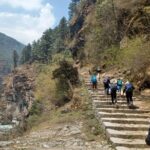
Kathmandu starts calm, then day by day the trail gets louder—bells, prayer flags, and that constant breathing effort. You’ll pass through places like Namche Bazaar with its shops, internet cafés, and viewpoints, then settle into lodges where the goal is simple: warm up, eat, sleep, and go again. I appreciate that the itinerary deliberately gives you time around Namche, Dingboche, and Chukkung-like areas so your body has a fighting chance.
If you want a comfy hike with frequent hot showers and big-city convenience, this isn’t it. You’ll likely share bathrooms in some places, and hot water or phone charging can cost extra. Bring patience, pack well, and you’ll get a first-rate taste of real Khumbu life.
In This Review
- Key things that make this Everest Base Camp trek click
- Value and what your $1,440 price actually buys
- Kathmandu on day 1: your gear-check and soft landing before altitude
- Lukla to Phakding to Namche: the trail starts with a grin and ends with huffing
- Acclimatization day in Namche, Khumjung, and Khunde: where the trek turns into culture
- Tengboche to Dingboche: monastery beauty and the Amadablam payoff
- Lobuche, Gorak Shep, Everest Base Camp, and Kala Patthar: the long day that earns its reputation
- The return to Lukla: why the descent is still part of the adventure
- Lodges, hot showers, and the reality of tea-house comfort
- Gear and altitude safety: the packing list that keeps you walking
- When Lukla flights slip: how delays get handled
- Should you book this 14-day Everest Base Camp trek?
- FAQ
- What time does the tour day start?
- Are airport pickups and drop-offs included?
- Are flights between Kathmandu and Lukla included?
- What kind of accommodation should I expect?
- Are meals included throughout the trek?
- Do I get a sleeping bag?
- How many travelers are in the group?
- Is a guide and porter included?
- Is travel or helicopter rescue insurance included?
- Can I cancel and get a full refund?
Key things that make this Everest Base Camp trek click
- Lukla flights + organized transfers reduce the most stressful parts of getting into the Khumbu.
- Acclimatization built into the route (Namche, Dingboche, and hiking days) rather than forcing straight-line altitude gain.
- Sherpa culture stops like Khumjung/Kunde and landmark visits tied to Everest history.
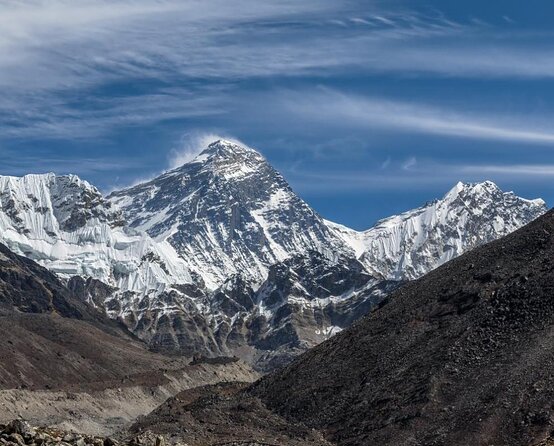
- Everest Base Camp + Kala Patthar means you see Everest from both base-camp scale and the high viewpoint angle.
- Small group size (max 12) keeps the trail feel manageable and the pacing more human.
- Guide and porter support with a licensed leader and a porter ratio of 1 porter for 2 guests.
Value and what your $1,440 price actually buys
At $1,440 per person, this trek isn’t just paying for a map and a name on a WhatsApp chat. You’re paying for real-world trail logistics: Kathmandu hotel stays, round-trip Lukla flights, tea-house lodging, and daily meals during the trek. You’re also paying for a licensed, English-speaking trek leader plus professional, insured porters—handled so you can spend your energy on walking, not bargaining.
A big part of the value is that most high-cost headaches are already smoothed out: accommodation reservations along the way, arranging your food schedule, and managing day-to-day route timing. You’ll still have choices to make on the ground (like how early you leave each morning), but the structure is there.
A couple cost items sit outside the package: your Nepal visa, international airfare, and travel/health insurance (especially emergency helicopter rescue insurance, which is strongly recommended). Drinks, hot showers, and charging are also typically extra. That’s normal for Everest routes, but it’s worth planning for so you don’t get surprised at the end.
You can also read our reviews of more tours and experiences in Kathmandu.
Kathmandu on day 1: your gear-check and soft landing before altitude
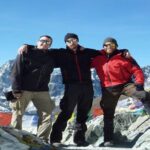
Day 1 is all about transition. You get picked up and helped transfer to a three-star Kathmandu hotel with breakfast, plus a welcome dinner. In between, you’ll get time for last-minute shopping. This matters more than it sounds, because a cold, windy week can quickly turn a forgotten glove into an expensive lesson.
Also pay attention to what the trek provider hands you before you go. They supply a sleeping bag to use on the trek (you return it at the end) and the team helps with basic first-aid planning. They also list altitude-related support items like Diamox (if needed), plus water purification pills. You won’t walk in fully “medicalized,” but you’ll be going with a plan.
If you’re the type who likes to get organized the night before, Kathmandu is your moment. Use it to charge devices, finalize your layer system, and make sure your daypack is set for early starts.
Lukla to Phakding to Namche: the trail starts with a grin and ends with huffing
Day 2 begins with the flight from Kathmandu to Lukla (about 40 minutes). Then you trek to Phakding in roughly 3–4 hours. This first day is your warm-up, physically and mentally. You’ll feel the change in air even before the numbers get extreme.
The big “real” moment is Day 3. You walk from Phakding to Namche Bazaar via Monjo, plus you pass through the gateway for Sagarmatha National Park. The climb takes about 5–6 hours. It’s not just the grade—it’s the altitude shift. Start slow. Drink water consistently. Don’t treat the trail like a treadmill.
Namche is more than a waypoint. It’s a working hub with government offices, ATMs, internet cafés, shops, restaurants, and even a bakery. If you need to replace a charger cable, find sunscreen, or just sit with a warm drink and watch the stream of trekkers, Namche is where you can actually reset.
Acclimatization day in Namche, Khumjung, and Khunde: where the trek turns into culture
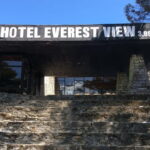
On Day 4 you stay in Namche for acclimatization and exploration. This is one of the best parts of the itinerary because it breaks the monotony of just walking uphill. You’ll visit spots like Everest View Hotel, plus areas in Khumjung and Khunde Valley, including the Hillary School and Hillary Museum.
What you get here is perspective. Base Camp is the headline, but Khumjung and Khunde are where you learn how the Sherpa community lives with Everest every day—through stories, institutions, and the practical rhythm of mountaineering seasons.
This day is also your chance to practice “altitude behavior.” I’d treat it like a dress rehearsal for the next few days: walk gently, keep your pack light, and don’t chase speed just because the weather looks good.
Tengboche to Dingboche: monastery beauty and the Amadablam payoff
Day 5 takes you from Namche to Tsengboche/Tengboche (around 5–6 hours). The itinerary includes time to explore the oldest Tengboche monastery. Morning and late-day light can turn prayer flags and stone walls into instant postcards, but the practical part is more important: the trail is still working you gently upward.
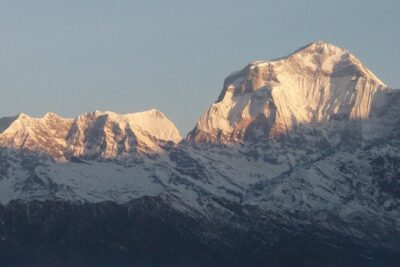
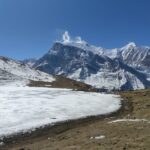
Day 6 climbs to Dingboche (roughly 5–6 hours), about 4,360 m. You’ll cross rhododendron forest and get close views of Amadablam and Thamsherrku. This is where Everest starts to look less like a single peak and more like a whole neighborhood of mountains with different shapes and personalities.
Then Day 7 is an acclimatization day in the Dingboche/Chukkung area. You’ll hike around before resting again. This is exactly what you want at this altitude band. It’s also where you learn your personal rhythm: some people feel good early and fade later; others get better once their body warms up. Either way, your job is the same—steady effort, short breaks, and lots of water.
Lobuche, Gorak Shep, Everest Base Camp, and Kala Patthar: the long day that earns its reputation
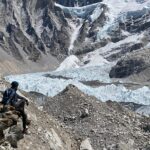
Day 8 goes to Lobuche (about 2–4 hours). Even when the walking time looks short on paper, the air thins fast. You’re moving higher, and the scenery gets sharper—especially with views over the Khumbu Glacier area.
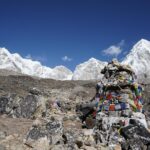
Day 9 is the big one: Gorak Shep to Everest Base Camp and back to Gorak Shep, plus the nearby Khumbu Icefall area. The day is often 8–9 hours. You’ll move with luggage strategy (putting bags at Gorak Shep before pushing on), eat, then walk to Base Camp and explore the vicinity. The first time you see Everest in that “human scale” context—towers, ice, and the vastness—you realize why people talk about it for years.
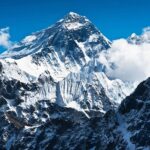
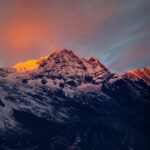
Day 10 focuses on Kala Patthar (around 5,545 m). The hike is described as optional but timed for the best view of Everest’s south face, plus Mount Pumori and other peaks. You descend to Pheriche after. This day can feel like a physical math problem: step count versus oxygen. You win by staying patient and going slow enough that you don’t burn out before the viewpoint.
The trade-off: these are intense days. If you rush Kala Patthar, you’ll pay on the descent. If you pace it right, you’ll feel like you earned the view rather than just survived to it.
The return to Lukla: why the descent is still part of the adventure
After base camp and the Kala Patthar push, you still have work to do. Day 11 goes from Pheriche to Tsengboche/Tyangboche (about 4–5 hours). Day 12 brings you back to Lukla (about 5–6 hours). These legs are downhill work in altitude boots. You’ll feel it in your knees and ankles, not your lungs.
But don’t treat the return as “just get me to the plane.” It’s a chance to notice the trail in reverse: familiar bends, different lighting, and the way tea houses become home for a night. It’s also where you’ll likely appreciate the safety planning—because fatigue makes people careless.
Day 13 is your flight back to Kathmandu (around 1,300 m). Day 14 is departure. After days of altitude, even Kathmandu’s traffic sounds normal again.
Lodges, hot showers, and the reality of tea-house comfort
Accommodation is a mix. Kathmandu gets a three-star hotel with breakfast. On the trek, you’ll sleep in local lodges or tea houses. Rooms are described as twin share, and in some places you might have private bathrooms while other areas rely on shared bathrooms. There’s generally 24/7 hot water, but during the trek it can be chargeable.
This is the honest part of Everest Base Camp trekking: the comfort is functional. Your room is a warm place to recharge. Your meals are fuel. Your bed is a recovery tool. If you go in expecting hotel-level luxuries, you’ll get annoyed. If you go in expecting survival-plus, you’ll be fine.
Also plan for battery charging. It’s available, but not included in the trek price in general. Bring a charged power bank and don’t assume you’ll stay online every night.
Gear and altitude safety: the packing list that keeps you walking
You’re given a sleeping bag rated down to zero degrees Fahrenheit, but you still need the right layers. The provided packing list makes sense, and I’d follow it closely:
- Sun protection: UV is real at altitude, so sunglasses and a sun hat/scarf matter.
- Hands and head warmth: gloves plus a light balaclava or warm fleece hat.
- Foot system: trekking boots with spare laces, plus thick warm wool socks and thinner inner socks.
- Layers for wind: waterproof shell jacket and pants, plus fleece/down as needed.
- Night readiness: headlamp with spare batteries or bulbs.
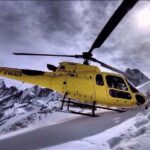
For altitude and water, use the support tools that are mentioned: water purified pills and altitude medication readiness (like Diamox if needed). I’d also bring your own basics even if the guide carries first aid. If you want extra peace of mind, consider emergency insurance that includes helicopter rescue—this trip lists it as most recommended.
The biggest safety tip is boring and effective: don’t chase distance. Walk your pace. Let your body catch up.
When Lukla flights slip: how delays get handled
Everest routes live on weather. The key difference is whether your team has a backup plan. In this setup, I like that the provider can arrange alternatives when flights get delayed. One of the strong signals from past trips is that they’ve worked on getting people on the next possible flight once Lukla schedules change.
That doesn’t remove the risk of delays. It just reduces the chance your days fall apart from administrative chaos. Keep your expectations flexible, and save a little energy for Kathmandu days 1 and 13—because schedules can shift.
Should you book this 14-day Everest Base Camp trek?
Book it if you want the classic Everest Base Camp route with real pacing, guided support, and a team that handles the annoying logistics. This is a strong fit if you like structured days—walk, rest, acclimatize—and if you want both the mountain payoff and the Sherpa culture stops around Namche and Khumjung/Kunde.
Don’t book it if you need private luxury bathrooms, free hot showers, and constant creature comfort. Tea-house trekking is basic by design. Also, make sure you’re truly up for the altitude and the long days around Gorak Shep and Kala Patthar.
If you’re ready for a hike that rewards patience, this trek is a very practical way to reach Everest Base Camp without turning the trip into a project.
FAQ
What time does the tour day start?
The meeting point start time is 6:30 am.
Are airport pickups and drop-offs included?
Yes. Airport pickup and drop are included.
Are flights between Kathmandu and Lukla included?
Yes. Kathmandu–Lukla–Kathmandu flights are included, including airport taxes.
What kind of accommodation should I expect?
Kathmandu is a three-star hotel with breakfast. During the trek, you stay in local lodge or tea house accommodations, typically twin share, and bathroom availability varies by location.
Are meals included throughout the trek?
Yes. Trek meals include breakfast, lunch, and dinner. Kathmandu includes breakfast as part of the hotel stay, and lunches/dinners in Kathmandu are not included.
Do I get a sleeping bag?
Yes. A sleeping bag is provided for the trek and is returned after the trip.
How many travelers are in the group?
The maximum group size is 12 travelers.
Is a guide and porter included?
Yes. An experienced English-speaking, government licensed trek leader is included, and there is an insured porter with a ratio of 1 porter for 2 guests.
Is travel or helicopter rescue insurance included?
No. Travel and health insurance, including emergency helicopter rescue insurance, is not included and is most recommended.
Can I cancel and get a full refund?
You can cancel up to 24 hours in advance for a full refund. If you cancel less than 24 hours before the experience start time, the amount paid is not refunded.