REVIEW · BAGDOGRA
North Sikkim Green Lake Trekking
Book on Viator →Operated by Adarsh Tours, Travels & Expeditions · Bookable on Viator
Green Lake starts long before the first step. This North Sikkim trek pairs guided hiking from Lachen through Jakthang to Green Lake with five extra days around Gangtok, so you’re not just walking—you’re also seeing how Sikkim slows down and prays. I love the fact that you hike 2–5 hours a day with guidance in largely unexplored country, and I also like the Bagdogra airport pickup and drop-off that keeps your travel days from turning into chaos.
One thing to consider: the trek needs good weather, and you’ll want a moderate physical fitness level—this is remote mountain hiking, not a casual stroll.
I’ve also noticed a pattern in how this operator runs trips: people praise fast communication from staff such as Gopal Sir, and they highlight a guide named LO for kind, practical care. That kind of on-the-ground attention matters most when you’re heading into areas where getting lost isn’t just annoying—it’s risky.
In This Review
- Key things that make this Green Lake trek feel different
- North Sikkim Green Lake trek: the real draw (and why a guide matters)
- Day 1 to Day 3: MG Marg, Gangtok sights, and getting your bearings
- Day 4 to Day 13: the guided hike from Lachen toward Green Lake
- Day 14: the downhill day that helps your recovery
- Day 15 to Day 16: Singik viewpoint, Phodong Monastery, and Teesta River time
- What the 2–5 hour daily hiking schedule means for your body
- Safety, support, and why timing matters on a remote route
- Price ($1,600) and value: what you’re paying for
- Weather reality: why good conditions can make or break your dates
- Who this trek suits best (and who may struggle)
- Should you book North Sikkim Green Lake Trekking?
- FAQ
- How long is the North Sikkim Green Lake trekking experience?
- How many days are dedicated to trekking?
- Where does the tour start and end?
- What is the price per person?
- Is this a private tour?
- What fitness level do I need?
- What happens if weather is poor?
- Are service animals allowed?
Key things that make this Green Lake trek feel different
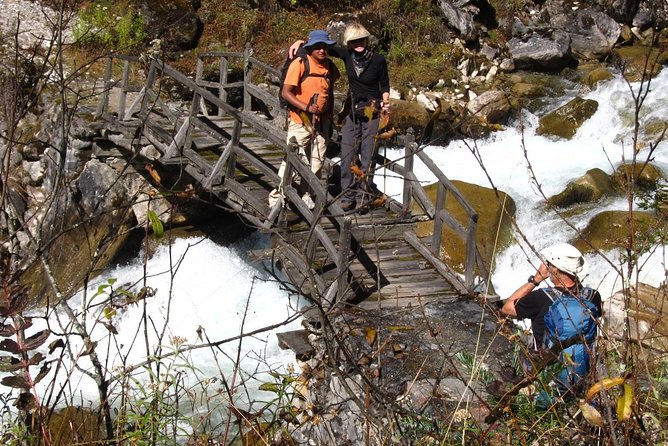
- 11 guided trekking days from the Lachen area toward Green Lake, including the return loop
- Hiking time is controlled (about 2–5 hours/day) which helps you move without burning out
- Gangtok isn’t an afterthought: MG Marg, sightseeing, and Tibetan monastery time show up on the schedule
- You get monastery visits more than once, including Phodong Monastery and other prayer-stop time
- Bagdogra transfers remove a big headache when you’re planning flights around mountains
- Support and safety get emphasized, with praise for helpful, respectful teams and smooth timing
North Sikkim Green Lake trek: the real draw (and why a guide matters)
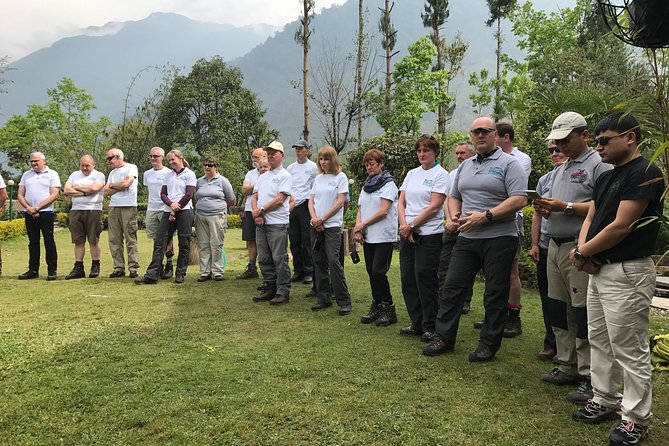
North Sikkim is the part of the state that feels wild on purpose. Once you’re away from the main roads, it can be hard to know what’s safe, what’s passable, and where the trail actually leads. That’s why a guided trek isn’t a luxury here—it’s how you turn “remote” into “manageable.”
The Green Lake route is the big reason to come. You’ll trek for about 11 days with a guide, moving through the Lachen → Jakthang → Green Lake area (and back). If you’re the type of traveler who wants the mountains without the stress of figuring everything out, this setup fits you.
And it’s not only walking. The remaining days are built for Gangtok culture and monastery visits, plus scenic stops—so you get a fuller sense of Sikkim instead of just collecting photos from the trail.
Day 1 to Day 3: MG Marg, Gangtok sights, and getting your bearings
Day 1 starts gently, after hotel check-in. You’ll head to MG Marg, a well-known pedestrian promenade in Gangtok. It’s a practical first evening: you can stretch, grab snacks, and start learning the rhythm of the city without committing to a long day trip.
Day 2 is a full day of Gangtok sightseeing. Think of this as your orientation day—important when you’ll soon be leaving the comforts of paved roads for mountain routes. It also helps you avoid the common mistake of arriving, rushing into trekking, and then feeling off-balance on day one.
Day 3 shifts toward the trekking base area. You’ll visit Lachen village after checking in. This matters because it’s the first time the trip starts to feel like the mountains are in charge. Even if your legs aren’t yet tired, your mind starts preparing for longer trail days.
Practical tip: treat these early days as mental warm-ups. You’re not just traveling across Sikkim—you’re switching from city pacing to mountain pacing.
Day 4 to Day 13: the guided hike from Lachen toward Green Lake
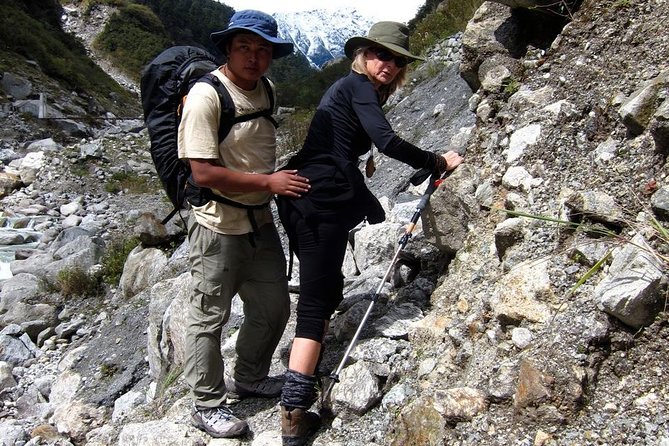
This is the core of the experience: 11 days of trekking with a guide, typically around 2–5 hours of hiking per day. That daily range is a sweet spot for many people because it gives you enough time to enjoy the route and conditions without feeling like you’re always sprinting to hit a checklist.
Day 4 begins with full day trekking. Usually, this kind of day is where your body starts learning the rhythm: walking steadily, pausing when needed, and keeping an eye on footing and breath. It’s not about speed. It’s about being consistent.
From Day 5 through Day 13, the schedule repeatedly leans into natural mountain views and enjoy mountain views time blocks. That phrasing isn’t filler—it points to a trekking style where scenery and gradual movement are part of the plan. Instead of forcing you into nonstop effort, it lets you take in the high country and adapt as altitude and weather shift.
Because the route is described as Lachen through Jakthang to Green Lake, you should expect the journey to feel like a slow progression: leaving one kind of valley behind, walking toward greener and more remote zones, then eventually reaching the lake area. The exact overnight stops aren’t specified in your details, so don’t plan your expectations around pinpoint town-to-town transitions you can Google.
What you can plan for is the overall experience: a guided trek through largely unexplored terrain where the guide helps you stay on the right line, even when the surroundings feel unfamiliar.
Day 14: the downhill day that helps your recovery
Day 14 is marked as a nice trek down hill. Downhill hiking can feel easier because you’re not gaining altitude the same way—but it can also be harder on your knees and ankles if you don’t manage your steps.
This is a good day to think about recovery habits: slow down your cadence, use careful foot placement, and give yourself permission to take extra pauses. The fact that this part of the trek is framed as a downhill finish suggests the route is designed to help you complete the loop without adding another big climb.
By this point, you’ve already spent days moving in the mountains. Day 14 is where that work pays off: you finish the trekking arc while letting your body settle after the hardest pushing days.
Day 15 to Day 16: Singik viewpoint, Phodong Monastery, and Teesta River time
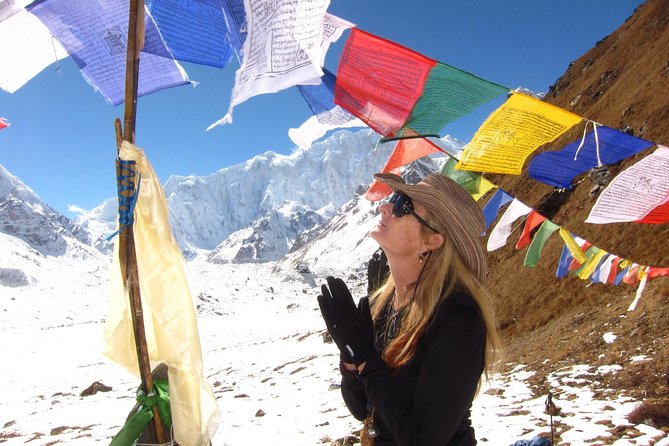
After the hiking loop, the trip shifts back toward culture and scenery.
Day 15 includes a stop at Singik viewpoint and a visit to Phodong Monastery. This is one of those “bridge days” that makes the whole trek feel connected to the region’s spiritual side. Monastery visits in Sikkim aren’t just sightseeing stops. They’re often where the culture becomes personal—prayer routines, quiet spaces, and a sense of devotion that doesn’t need explanation.
Day 16 is your final unwind: enjoy at Teesta river. A river stop at the end is a smart move. It gives you a chance to decompress after trail days, soak in final views, and reset before your next travel step.
What the 2–5 hour daily hiking schedule means for your body
On paper, 2–5 hours per day can sound easy. In the mountains, it’s more like: easy in time, serious in effort. Your pace will slow down because of elevation, uneven ground, and the simple fact that every step feels more “work” than it does at sea level.
The good news is that a guided schedule that stays within this range tends to be more sustainable for a wider range of travelers. You’re not locked into all-day suffering. Instead, you get time to hike, rest, absorb the views, and stay mentally present.
If you’re planning training, focus on steadiness rather than brute force: walks on uneven ground, stairs, and comfortable pacing. Since the guidance asks for moderate physical fitness, you don’t need to be a marathoner. You do need to be comfortable walking for hours while adapting to mountain conditions.
Safety, support, and why timing matters on a remote route
Remote trekking is where details become safety. A good guide helps with route finding, decisions about when to take pauses, and responding when conditions change. Your experience is specifically positioned as guided trekking to help you not get lost while exploring largely unexplored country.
It also helps that the operator has earned praise for practical reliability. In one review, the team is praised for prompt responses from Gopal Sir and Mr. Manish, which is the kind of behind-the-scenes support you want when travel plans are evolving. Another review notes care from a guide called LO and a President Gopal, plus strong organization by the team running trek logistics.
That human layer matters most when something doesn’t go perfectly. When weather, visibility, or energy levels shift, you want calm problem-solving—not confusion.
Price ($1,600) and value: what you’re paying for
At $1,600 per person, this trek is not a budget-only choice. The value comes from how much is bundled into one plan:
- A guided trek spanning about 11 days through North Sikkim’s remote areas
- Additional days for Gangtok sightseeing and monastery visits
- Pickup and drop-off from Bagdogra Airport, so you’re not piecing together separate logistics
- A private tour where only your group participates
That’s the key: you’re paying for time savings and risk reduction. Instead of coordinating guide rules, travel timing, and route decisions yourself, you’re letting a Sikkim-based team handle the structure.
Also, reviews connected to this operator mention comfortable, on-time driving and helpful teams. That doesn’t guarantee every single detail is identical for every trek, but it points to a consistent operating style: prompt communication, smooth transport, and people who know how to keep things running.
If you want a simple way to judge value: compare the cost of arranging a guide plus all transport and itinerary pieces on your own. If the idea of planning under mountain uncertainty sounds exhausting, this price starts to look more reasonable.
Weather reality: why good conditions can make or break your dates
Your experience is described as requiring good weather. That means you should expect that mist, rain, or poor visibility could change what’s safe or doable on the route.
The good part is that you’re not left hanging. If the experience is canceled due to poor weather, you’ll be offered a different date or a full refund. That’s exactly what you want for a trek that depends on mountain conditions rather than just calendar logic.
My practical advice: plan extra time around your trip, and keep your mind flexible. When weather drives the timeline, calm patience is a travel superpower.
Who this trek suits best (and who may struggle)
This tour is best for travelers with moderate fitness who want real mountains but don’t want to navigate complexity alone. It fits well if you:
- like guided structure and prefer not to guess on remote trails
- enjoy cultural stops (monasteries) as much as they enjoy hiking
- value smooth transfers and timing around airport arrivals
It may be less ideal if you’re:
- looking for a short, easy hike with no altitude challenges
- sensitive to cold or fast-changing conditions
- expecting daily hiking to feel like a constant uphill grind (the schedule includes view-focused days and scenic breaks)
If you’re unsure, think about your comfort with being on your feet for hours and your willingness to move carefully downhill near the end.
Should you book North Sikkim Green Lake Trekking?
I’d book it if you want the Green Lake trek experience with fewer unknowns. The combination of a guided route, controlled daily hiking time, and added cultural days in Gangtok makes this feel like a full North Sikkim circuit rather than a one-note hiking trip.
I’d hesitate if you’re not comfortable with moderate fitness demands or if you hate the idea that weather can influence timing. Mountain travel is honest like that.
If you do book, pack smart, move steadily, and treat the view days as part of the training. This trek rewards people who travel with patience—and it’s the kind of place where guided confidence turns a remote route into a story you remember.
FAQ
How long is the North Sikkim Green Lake trekking experience?
The total experience lasts about 16 days.
How many days are dedicated to trekking?
The trek portion is planned for about 11 days, hiking roughly 2–5 hours per day.
Where does the tour start and end?
The meeting point is Bagdogra International Airport Road (Bagdogra, West Bengal, India), and the experience ends back at the same meeting point.
What is the price per person?
The price is $1,600.00 per person.
Is this a private tour?
Yes. It’s listed as a private tour/activity, with only your group participating.
What fitness level do I need?
Travelers should have moderate physical fitness.
What happens if weather is poor?
If the experience is canceled due to poor weather, you’ll be offered a different date or a full refund.
Are service animals allowed?
Yes. Service animals are allowed.