REVIEW · KATHMANDU
Mardi Himal Trek – 9 Days
Book on Viator →Operated by Alliance Adventure Pvt. Ltd · Bookable on Viator
Cold mornings turn into big views. Mardi Himal takes you through the Annapurna region in a way that feels more human than hectic, mixing high-mountain scenery with village life along the way. You start in Kathmandu, ease into the trail with forest and Himalayan viewpoints, then end with a Pokhara day that’s part tea gardens, part downtime, and part easygoing Nepal vibes.
What I really like is how the company handles the “make or break” details. You get warm trekking gear support (warm down jacket, sleeping bag, and a walking pole after the trek) and you’re guided by an English-speaking team with porters who look after lodging and meals so you don’t spend your energy sorting logistics. On top of that, the trek day fuel is planned in: breakfast, lunch, and dinners at lodges, plus hot drinks and comfort items during the hike.
One consideration: the mornings are early and the cold can bite, especially with the 4am walk to the Mardi viewpoint/base-camp area. If you’re not used to waking fast and hiking in the dark, plan on feeling it for the first day or two.
In This Review
- Key takeaways before you lace up
- Why Mardi Himal feels calmer than the big Annapurna routes
- Price and value: what the $1,315 covers (and what you handle)
- Getting there: Kathmandu and Pokhara legs that set the tone
- The walk itself: a day-by-day rhythm you can actually plan for
- Sunrise planning: Mardi Viewpoint and Badal Danda timing
- Lodges, meals, and the comfort you’ll feel on tougher days
- The team: English-speaking guidance, helpful porters, and safety in motion
- What to pack when your jacket and sleeping bag are already partly handled
- Who should choose this Mardi Himal trek (and who should reconsider)
- Should you book this trek?
- FAQ
- How long is the Mardi Himal trek experience?
- What’s included for meals and drinks during the trek?
- Does the price include permits for trekking?
- Are hot showers and bottled water included?
- Is Nepal visa included, and can I get it on arrival?
- What gear does the tour provide?
- Can I change or get a refund if I cancel?
Key takeaways before you lace up
- Private group setup: only your group participates, so the rhythm feels calmer.
- Permits and TIMS handled: trekking permit and TIMS cards are included.
- Sunrise focus: Mardi viewpoint and Badal Danda are built around early light.
- Gear support is real: warm down jacket + sleeping bag support is included.
- Pokhara downtime included: tea garden + village lifestyle early morning, then a drive back to Pokhara.
Why Mardi Himal feels calmer than the big Annapurna routes
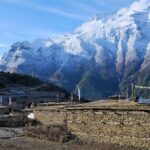
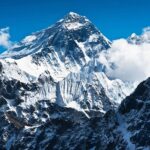
Mardi Himal sits in the Annapurna region, but it’s the kind of trek that tends to feel less like a conveyor belt. The trail brings you from Kathmandu into the hills and forest, then toward high viewpoints where the mountains start appearing in layers. That gradual “reveal” matters because you’re not just showing up for one dramatic moment—you’re building up to it.
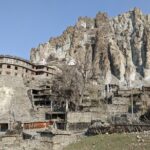
You also get the mix many hikers want: Himalayan scenery plus everyday Nepal. The route passes through local villages and forested sections, so even when the weather is not perfect, you still have scenery, smells, and people moving through their routine. If you like trekking that feels connected to how highland communities live—not only photo stops—this is a strong match.
Finally, the sunrise design is practical. You’re not asked to treat sunrise as a luxury add-on. The trek schedule pushes you toward viewpoint time when you’re most likely to see the mountains lit up and the day working in your favor.
You can also read our reviews of more tours and experiences in Kathmandu.
Price and value: what the $1,315 covers (and what you handle)
At $1,315 per person, this trek isn’t the cheapest option—but it’s built like a package where you’re paying for a lot of the hard-to-organize pieces. Based on what’s included, your money goes to:
- Ground transport: Kathmandu hotels, Pokhara hotel, and private drives around the trail area.
- Flights: Kathmandu to Pokhara and back (as listed).
- Guides and porters: English-speaking guide plus strong, helpful porters.
- Food and lodging: comfortable lodges, with breakfast, lunch, dinner, plus tea/coffee and warm drink stops during the hike.
- Trekking paperwork: permits and TIMS cards included.
- Safety gear support: medical kit along the trek and insurance for guide/porters.
- Some equipment support: warm down jacket, sleeping bag, and a walking pole.
What’s not included is also important. You’ll still need to budget for things like cold drinks and bottled water, hot showers (not listed as included), and tips for guide and porters. You also pay for your own international flights and Nepal entry visa fee (visa details are given in the tour info). If you’re the type who wants lots of extras—laundry, lots of bottled water, or paid comfort upgrades—you’ll feel those costs add up.
My take on value: if you want someone to manage the “busy parts” (permits, meals, lodging, transport, gear support), you’re paying for convenience and consistency. If you’re the DIY type who already knows Nepal logistics, then the price might feel heavier than it needs to be.
Getting there: Kathmandu and Pokhara legs that set the tone
This trip starts in Kathmandu, with an arrival-and-departure flow handled by transportation. You also get two nights in Kathmandu with breakfast, plus a farewell Nepali culture dinner. That’s not just filler. Kathmandu at the start helps you settle, sort your gear, and get oriented before the early mornings.
Then there’s Pokhara: you get one night there with breakfast and time for a relaxed morning that focuses on tea garden and village lifestyle. After that, you drive back and keep things simple with a free-and-easy vibe in Pokhara.
A practical note: you’ll have flight time both ways between Kathmandu and Pokhara (listed). That reduces long overland travel, which can make a big difference if your body wants less bouncing before trekking. You’ll also do private transport between Pokhara and the trail starting point area (Dhampush Village, Lumre to Pokhara), which usually means fewer transfers and less waiting around.
The walk itself: a day-by-day rhythm you can actually plan for
Here’s how the trek flows, in plain terms.
Day 1: Kathmandu arrival and culture reset
After landing, you get the chance to explore Nepal’s culture in Kathmandu. This is your setup day. Expect walking at city pace, sorting your supplies, and sleeping well so the trek mornings don’t feel brutal.
Day 2: Himalayan glimpses and village atmosphere (weather-dependent)
If the weather is clear, you can see the Himalayan range and local villages. This is one of those days where clouds can change your view. Even without clear peaks, you still get a sense of the region and how daily life shifts as you leave the city energy behind.
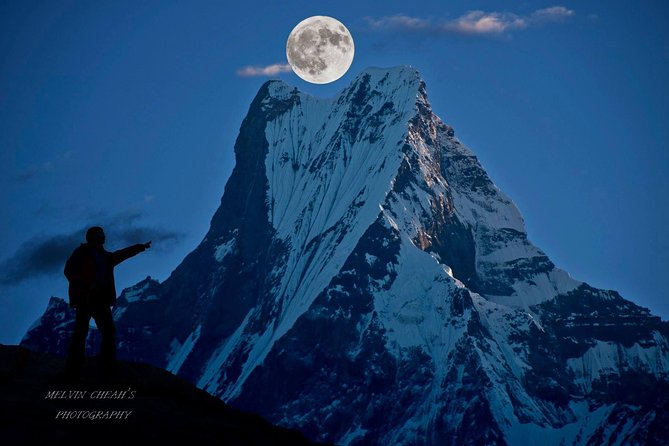
Day 3: Into fish-tail country plus forest time
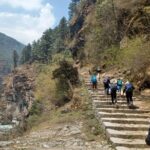
The trail moves into the area known for Mount Fishatail views and through forest. This day matters because it’s where your body starts adjusting to walking time and elevation changes. Forest trail also means fewer open-sky moments, so bring sun protection anyway—light can still be strong even under cloud breaks.
Day 4: Longer walk, more open sky
Today the trail is a bit longer and includes more open sky with mountain views. This is the day you’ll probably notice your legs getting stronger—or your pacing needing a tweak. Go easy at the start, because the later sunrise sections don’t forgive “I felt good earlier” decisions.
Day 5: 4am sunrise push to Mardi view point and base camp, then back
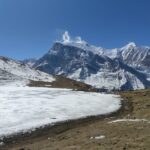
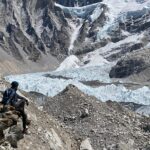
This is the headline day. You walk at 4am toward the Mardi viewpoint and head to the base camp area. The viewpoint/base-camp portion is described as about 4 to 5 hours, and then you trek back to Badal Danda. Sunrise can be seen from the viewpoint or along the way, which is smart: you’re not relying on one single spot.
How to make this day enjoyable: dress early, move steadily, and don’t sprint. You’ll be tempted to because sunrise feels like a finish line. In reality, it’s the start of the emotional high—save your legs for the descent back.
Day 6: Badal Danda sunrise, then down to village
Badal Danda is described as one of the best sunrise view points and also your last major viewpoint during the trek. After that, you walk down to a local village. This is where the trek switches from “mountain moment” to “recovery.” If you want the joy part without the suffering part, this descent is where you earn it.
Day 7: Local village trekking and culture time
You keep walking through local villages and spend time around local culture. This is a softer day in terms of stress, but it can be mentally powerful: you see how people live at high altitude and how community life shapes daily movement.
Day 8: Early morning tea garden + village lifestyle, then drive to Pokhara
You start early to explore Himalayan tea gardens and village lifestyle, then drive back to Pokhara with free-and-easy time. Tea garden time is a nice counterbalance to the cold morning mountain push days. It also feels like a change of pace: less “hike to a point,” more “slow observation.”
Day 9: Nepal history exploration and farewell dinner
This day wraps up exploration and includes a company farewell dinner. You’ll be tired, but it’s the kind of tired that feels earned. It’s also when you’ll appreciate the consistency of having meals and lodging taken care of throughout the trek.
Day 10: Shopping and fly out from Kathmandu
Final time in Kathmandu for shopping and then safe flight support to the airport. If you want small souvenirs for family, this is your window.
Sunrise planning: Mardi Viewpoint and Badal Danda timing
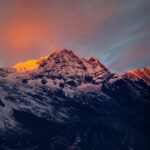
This trek is built around two sunrise moments: the Mardi viewpoint/base camp timing and the Badal Danda sunrise. The schedule includes early walking—specifically 4am on the big climb day—and the win is that you’re hiking during the hours when conditions can be clearer and the mountains look their best.
Here’s the practical side. You’ll likely start in colder temps and gradually warm up as you climb. Layering is key, and it’s why gear support matters. They advise windproof outer layers and warm down-filled jacket support, plus gloves, a hat or cap, sunglasses, sunscreen, and lip balm to deal with high-altitude sun intensity.
Badal Danda also has a timing role. It’s the last viewpoint before the trek switches to downhill village time, which means you get a final strong “wow” without asking you to keep chasing peaks all day.
Lodges, meals, and the comfort you’ll feel on tougher days
One of the biggest strengths here is that your day is mapped around food and lodging. You’re not just told you’ll get meals—you’re told you’ll get lodges with breakfast, lunch, dinner, tea/coffee, and warm drinks like hot lemon/ginger honey and hot chocolate during the trek.
That matters because those small warm moments help you reset. When you’re hiking in cold air, you don’t just need calories—you need a way to warm your hands, your throat, and your mood. Hot drinks and simple comforts reduce the mental load of trekking.
Also, the trip includes medical kit support along the trek. You’re still responsible for how you manage yourself, but it’s reassuring to know basic support is part of the plan.
What’s not included is where you should be realistic: hot showers and cold drinks are not listed as included, and bottled water isn’t included. Bring your plan for hydration and washing expectations, and you’ll avoid frustration.
The team: English-speaking guidance, helpful porters, and safety in motion
This is where the experience earns its high scores. The trek is run with a friendly speaking English guide, plus porters described as strong and helpful with lodging and fooding during the trek. That setup reduces the awkward moments—like figuring out where you sleep, what’s available for meals, and how your day changes if weather shifts.
In the stories I saw reflected in the feedback, teams are credited with looking after safety, meals, and accommodations, and also with making large groups work smoothly. One name that comes up in that positive orbit is Urja, connected to a successful Nepal trekking experience.
Safety-wise, insurance for guide and porter is included, and there’s a medical kit along the trek. You should still understand the basics of altitude risk. The tour info explicitly warns about altitude sickness and lists high altitude sickness and any kind of medical needs as not included.
Your job on safety is not complicated:
- Follow your guide’s pacing.
- Don’t push extra walking time when your body says slow down.
- Keep aware of your surroundings.
- Don’t wander off on your own.
What to pack when your jacket and sleeping bag are already partly handled
You’re given warm down jacket and sleeping bag support, plus a trekking duffel bag (water proof) and a T-shirt. That reduces what you need to carry day to day.
Still, you’ll want to bring key items they specifically recommend:
- Windproof outer jacket and warm layers for daytime and cold mornings.
- Gloves, hat/cap, sunglasses, sunscreen, and lip balm.
- Lightweight trekking shoes and warm woolen or thermal socks.
- Thermal undergarments for night (or tracksuit if you run warmer).
- Flashlight and spare batteries.
I’d also add one common-sense tip: protect your feet and your head. When sunrise hikes start at 4am, cold wind and foot discomfort can ruin the feeling fast. If you’re going to invest in anything beyond basic gear, make it the socks and shoe fit.
Also, they advise not to bring flashy jewelry or valuables and to avoid wandering unless you’re in a group. Nepal is welcoming, but trekking is still a place where you want calm focus.
Who should choose this Mardi Himal trek (and who should reconsider)
This trek fits best if you:
- Want a planned, supported trek rather than DIY logistics.
- Prefer sunrise viewpoints and steady pacing over constant scrambling.
- Are at a moderate fitness level and can handle early starts.
- Appreciate village and culture time, not just peak chasing.
It might not fit you as well if you:
- Hate early mornings or don’t do well with cold starts.
- Want frequent hot shower access or lots of included drinks and bottled water.
- Are hoping altitude will be risk-free. The tour info calls out altitude sickness as a risk area, and nothing is magic-proof.
One more fit check: you should be comfortable hiking in forest sections and mixed open-sky walking. If you know you get bored on hikes with long stretches, you might still like it for the sunrise payoff and village pacing—but set your expectations.
Should you book this trek?
If you want Mardi Himal with a guided, organized setup—permits, meals, lodging, transport, and gear support handled—this is a strong choice. The value is in the consistency: you don’t spend your energy managing paperwork or figuring out where things stand each day.
Book it if you’re excited by sunrise hikes, you’re ready for early departures, and you’d rather spend your attention enjoying views and village life. Consider another option if you’re very sensitive to cold early mornings or you want a more DIY-style adventure where you control every detail yourself.
If you do book, I’d do one thing early: confirm your flight details and send passport details and a passport-size photo for the trekking permit and TIMS card. That step prevents last-minute stress and keeps the whole trip smooth.
FAQ
How long is the Mardi Himal trek experience?
The trek is described as 9 days, with the overall duration listed as approximately 10 days.
What’s included for meals and drinks during the trek?
You’ll have comfortable lodges with breakfast, lunch, dinner, plus tea, coffee, and warm drinks such as hot lemon/ginger honey and hot chocolate during the trekking days.
Does the price include permits for trekking?
Yes. The trekking permit and TIMS cards are included.
Are hot showers and bottled water included?
No. Hot shower and bottled water are listed as not included, along with cold drinks.
Is Nepal visa included, and can I get it on arrival?
International flight tickets and Nepal entry visa fees are not included. The tour info says Nepal visa can be applied on arrival in Kathmandu, with fees listed as USD 25 for 15 days and USD 40 for 30 days.
What gear does the tour provide?
The tour includes a warm down jacket, sleeping bag, walking pole after the trek, a waterproof trekking duffel bag, and a T-shirt.
Can I change or get a refund if I cancel?
No. This experience is non-refundable and cannot be changed for any reason.