REVIEW · KAMPALA
14 Days Uganda Safari Adventure, Gorilla Trekking and WildlifeTour
Book on Viator →Operated by BUGOLI ADVENTURES LIMITED · Bookable on Viator
Gorilla trekking and a long hit list of wildlife days are the big draws I’d chase here, and I also like that so much is rolled into the price, including permits, park fees, and meals. One thing to consider is the pace: 14 days means long drives between regions, so you’ll want to be okay with sitting for hours in between the action.
This is a private safari starting from Kampala, and you’re traveling with an English-speaking driver/guide in a 4×4 safari vehicle. From the stories tied to the trip, guides like Michael, Silver, and Reward come up often for planning, clear communication, and making the days run smoothly.
In This Review
- What stands out most on this 14-day Uganda safari
- Kampala to Murchison Falls area: Rhino tracking plus the road-trip start
- Queen Elizabeth National Park: game drives plus a falls-view day
- Lake Albert and Hoima: community time around real livelihoods
- Kibale National Park: chimp tracking and the Bigodi wetland walk
- Queen Elizabeth area again: Kazinga Channel cruising and an evening game drive
- Katwe salt mining lakes and more game drives
- Kyambura Gorge to Ishasha: chimp tracking and the tree-climbing lion gamble
- Echuya Forest pygmies village visit: culture in the rainforest zone
- Mgahinga and Lake Mutanda: golden monkey tracking and evening lake time
- Gorilla tracking near Lake Bunyonyi: the emotional centerpiece
- Lake Bunyonyi: canoe trekking, a hike for views, and lunch with a local family
- Lake Mburo National Park: evening and night game drives
- Entebbe and Mabamba Swamp: shoe-bill bird time before your flight
- Price of $6,770 per person: what you’re really buying
- Guides and smooth execution: why names like Michael, Silver, and Reward show up
- Who this safari fits best (and who might want a different style)
- Should you book 14 Days Uganda Safari Adventure?
- FAQ
- How long is the Uganda safari from Kampala?
- Is this a private tour?
- What major activities are included?
- Where does the tour start and end?
- What meals and accommodation are included?
- What is not included in the tour price?
- What is the cancellation refund window?
What stands out most on this 14-day Uganda safari
- Permit-heavy planning: gorilla and chimp permits plus park entrance fees are included
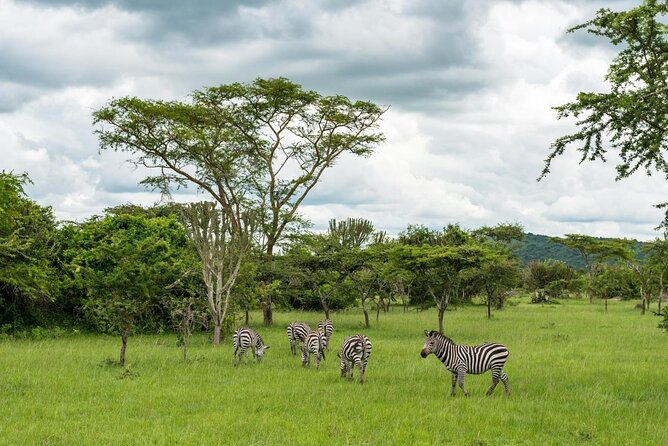
- Wildlife variety that actually changes day to day: savannah drives, rainforest primates, and water wildlife
- Boat time in multiple places: Nile-style cruising and Kazinga Channel cruising are built in
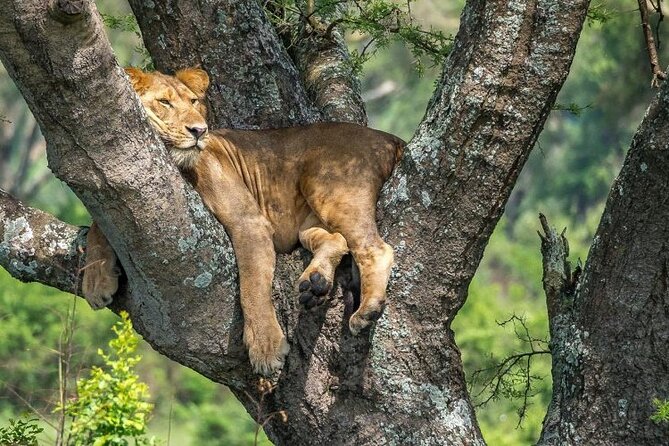
- Big cat odds with Ishasha tree-climbing lions: the schedule includes a southern-sector search
- Lake Bunyonyi day is more than sightseeing: canoe trekking, a hike, and lunch with a local family
- Private group service: your group moves as one, not around strangers’ schedules
Kampala to Murchison Falls area: Rhino tracking plus the road-trip start
Your safari begins in Kampala, then you head toward the Murchison Falls region. On the way, you stop at Rhino Fund Uganda for rhino tracking, with admission included. This is a smart first-day move because it sets the tone early: you’re doing a wildlife activity with real time outdoors, not just collecting checkpoints.
You also have a stop by Ziwa Rhino Sanctuary on the drive. Even if rhino tracking is the headline, these kinds of stops help you understand Uganda’s approach to conservation and why people are paying attention to this country’s protected areas.
A practical note: the first day is about getting your legs under you for a trip with lots of starts. If you’re the type who likes momentum, this works well. If you hate early planning, you might want to arrive in Kampala already rested.
You can also read our reviews of more tours and experiences in Kampala.
Queen Elizabeth National Park: game drives plus a falls-view day
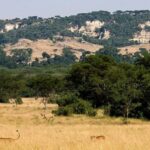
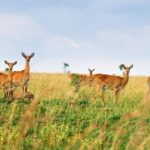
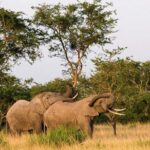
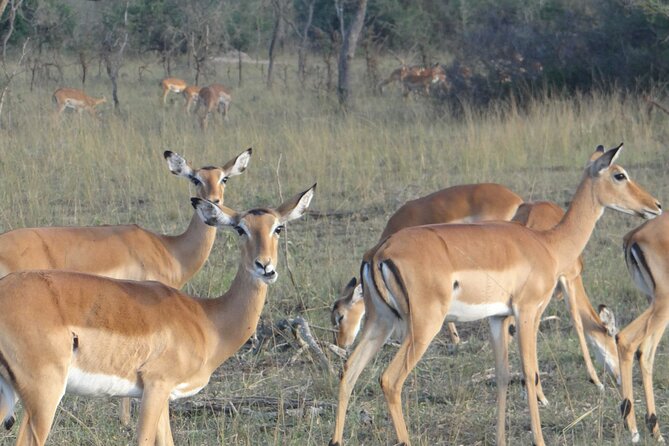
Queen Elizabeth National Park shows up as a main hub twice. You’ll do morning game driving geared toward big sightings like lions, elephants, and leopards, then you add a boat-style cruise plus a hike for views. The exact wording mixes river and falls elements, but the core experience is clear: you’re combining cruising wildlife time with a legs-on hike.
On water in Uganda, you’re not just looking for animals from a distance. You’re watching birds, scanning shorelines, and looking for crocs and hippos where they surface. That mix matters because it keeps wildlife watching from getting repetitive. One hour it’s mammals; the next it’s birds and movement on the water.
When people rave about this kind of safari, they often point to how each day feels like a new “type” of Uganda rather than the same loop. This park-based stretch is set up to do exactly that.
Lake Albert and Hoima: community time around real livelihoods
You’ll pass through Hoima, with a morning game drive plus a visit to the fishing community around Lake Albert. This is the part of the trip that slows down just enough to remind you that safari isn’t only about wildlife. People live alongside these ecosystems, and you get a look at how daily work connects to the lake.
This day is also a good buffer day. After the more intense early wildlife rhythm, you have a chance to mix game viewing with human-scale observation. If you like travel that feels grounded, this is worth paying attention to.
Kibale National Park: chimp tracking and the Bigodi wetland walk
Kibale is your primate-focused pivot. On the way in, you stop at tea plantation farms, giving you a chance to see how agriculture shapes the countryside before you step into rainforest territory.
Then you get two key primate experiences:
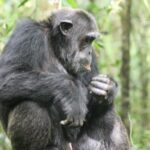
- Chimpanzee tracking in the morning
- A later afternoon break with the Bigodi wetland walk, with chances for monkeys and birds plus visits connected to coffee farmers
Why this matters: chimp tracking is intense in a good way, but it can also be mentally tiring. The wetland walk gives you a different pace. Instead of one “find the animals now” moment, you get a slower scan of the environment—birds, monkey activity, and the feel of a guided nature walk.
This is also a good stretch for photographers, because wetland light and forest-edge birdlife are often easier to capture than the brief sprint moments of some larger mammals.
Queen Elizabeth area again: Kazinga Channel cruising and an evening game drive
Back in Queen Elizabeth National Park, you do an afternoon boat cruise on the Kazinga Channel and then add an evening game drive. This is a classic combo for a reason. Boat cruising stacks up a different set of animals and behavior, then the evening drive picks up the pace again with savannah viewing.
On Kazinga Channel, hippos and crocodiles are part of the expectation, and birds appear as constant background motion. The evening game drive then shifts you toward mammals that move more under low light.
If your goal is maximizing sightings, this day design is practical. It reduces “dead time” between activities and gives your brain two different wildlife viewing modes in one day.
Katwe salt mining lakes and more game drives
One of the more unusual-feeling days includes a visit to the Katwe community salt mining lakes after a morning game drive. Salt mining isn’t what most people picture when they think of Uganda safari, but that’s kind of the point. You get a human landscape side-by-side with the wildlife agenda.
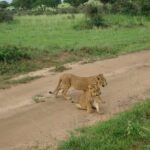
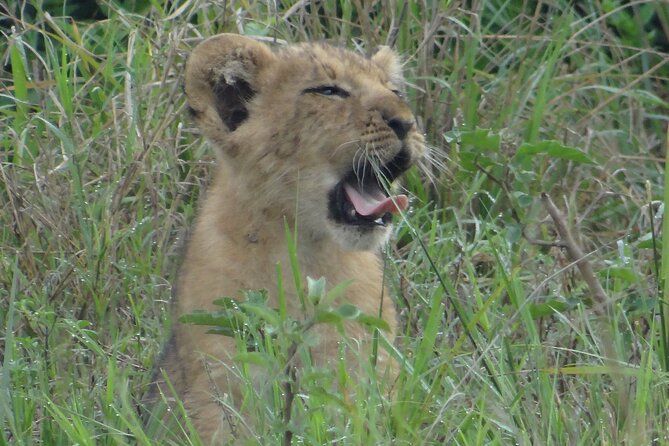
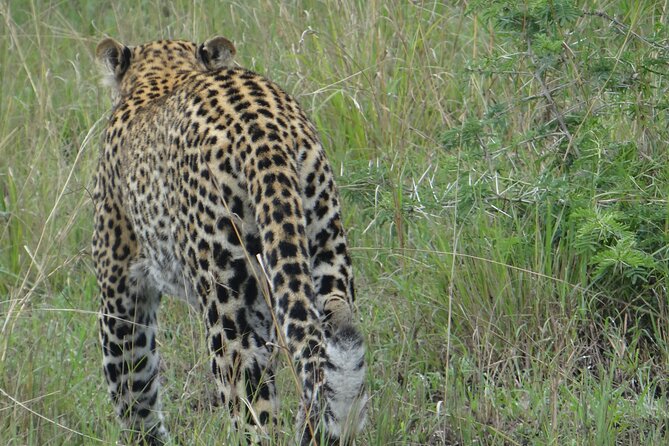
Then you return to the classic game drive loop, again aiming for lions, elephants, leopards, and more. This day works best if you like variety and don’t mind that not every day is “only animals.” It keeps the trip from turning into one long viewing session.
Kyambura Gorge to Ishasha: chimp tracking and the tree-climbing lion gamble
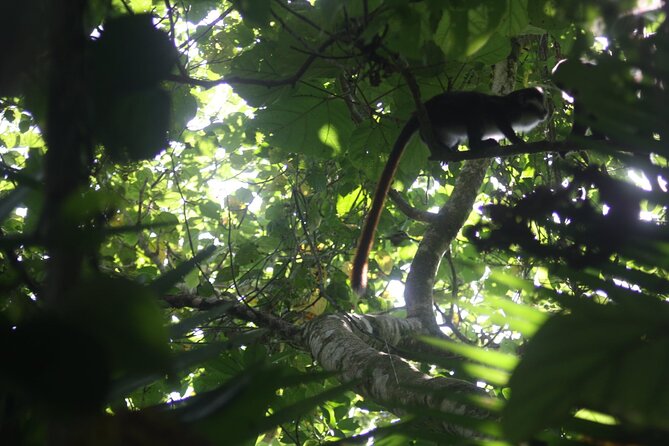
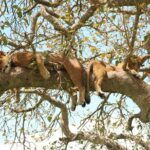
Kyambura Gorge (Kyambura Game Reserve) brings chimpanzee tracking again, followed by a transfer to Ishasha in the southern sector. Ishasha is where you’re looking for tree-climbing lions, and this is a big draw for people because it feels like a special Uganda twist, not just standard savannah cruising.
This is also where you’ll likely feel the travel rhythm most. The schedule blends a rainforest-style primate tracking day with a savannah-focused search for big cats. That’s a lot of switching gears—good for variety, but it helps to be mentally ready for a longer day.
If you’re traveling with a group that includes people with different comfort levels for walking, you’ll appreciate that the chimp tracking portion is built-in, while the lion search can be more sitting-and-scanning once you’re in the car.
Echuya Forest pygmies village visit: culture in the rainforest zone
In the southwestern section, you visit a pygmies village at Echuya forest. This is your culture-and-community day tied to the forest context, not a roadside stop.
I like these moments when they’re treated as learning time, not a box to check. The best versions of this kind of visit help you understand how people adapt to forests, not just what a village looks like on a map.
This day also keeps the overall trip from feeling like a string of animal sightings. It gives the trip emotional texture.
Mgahinga and Lake Mutanda: golden monkey tracking and evening lake time
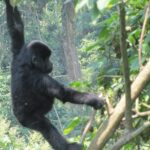
You head to Mgahinga Gorilla National Park for golden monkey tracking. That’s a great pairing with the earlier chimp tracking because it shifts the primate focus to a different species and likely a different feel in the forest.
In the evening, you visit Lake Mutanda. That helps balance the day. One part is movement-heavy tracking. The other is calmer lake atmosphere, which is a relief after a primate-focused morning.
Even if golden monkey tracking doesn’t always mean a “perfect photo moment,” it’s still a special experience because the species itself is distinctive, and the effort to see them is part of what makes it memorable.
Gorilla tracking near Lake Bunyonyi: the emotional centerpiece
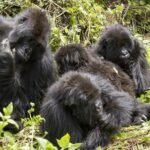
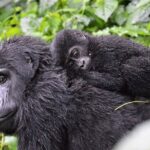
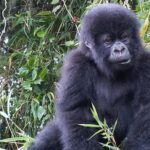
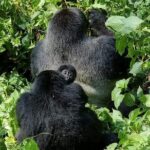
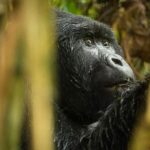
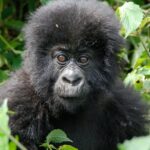
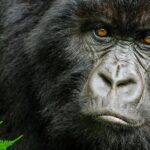
Lake Bunyonyi is where the trip turns toward one of its most emotional highlights: gorilla tracking. The schedule places gorilla tracking on the day after transfer to the lake area, then you transition into the lake experience.
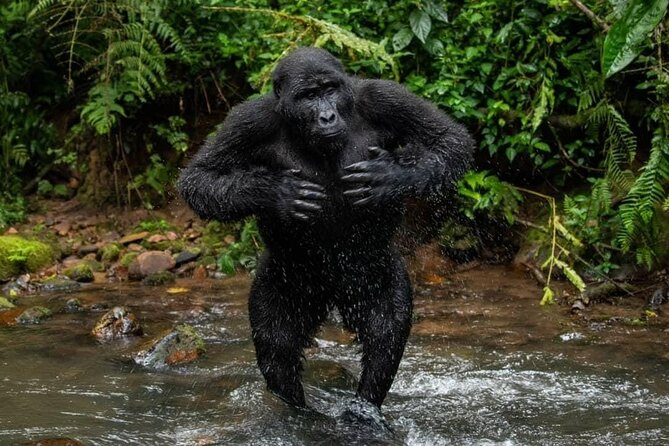
This is the day you should treat as a priority. Gorilla trekking is more than a sighting; it’s a long-remember moment even when it doesn’t go exactly how you hoped. Also, the trip includes gorilla trekking permits, so you’re not scrambling for paperwork the day of.
For many people, the “value” of a safari is how much stress the organizer removes. When permits are handled and your guide is already in sync, you spend your energy on the moment instead of logistics.
Lake Bunyonyi: canoe trekking, a hike for views, and lunch with a local family
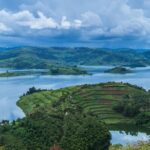
This is one of the best-designed days on the whole trip. You get canoe trekking on Lake Bunyonyi, then a hike to a viewing point with islands, plus lunch with a local family. There are also shared historical stories connected to the islands, which adds meaning to the scenery.
Why this works: you don’t just stare at the lake. You move through it by canoe, then you earn a better perspective by hiking. The lunch part also keeps the day from becoming purely recreational.
If you love “slow adventure” days—hands-on, human-scale, and not just wildlife scanning—this is the day to build your best memories around.
Lake Mburo National Park: evening and night game drives
You drive to Lake Mburo National Park and do evening game drives/night game drives. Night drives are a big reason some people book this kind of itinerary. It changes the animal behavior you’re looking for, and it can feel like a different safari world.
In Mburo, you’re still in the rhythm of savannah viewing, but the time of day shifts your odds and your atmosphere. Even when sightings are not guaranteed the way movie trailers promise, the experience of driving under low light can be worth it if you enjoy patience and scanning.
Entebbe and Mabamba Swamp: shoe-bill bird time before your flight
On the final day, you head to Entebbe, with Mabamba Swamp as the wildlife stop. The target is the shoe bill bird (shoe-bill), and then you transfer to Entebbe airport for your flight.
This is a smart end to the trip because it’s a focused birding moment. It feels like a “final challenge” that’s different from big-game drives. Then you’re out in time to catch your flight, without adding extra stress.
If you’re the type who likes checklists, finishing with a bird target gives your safari a clean ending.
Price of $6,770 per person: what you’re really buying
At $6,770 per person, you’re paying for a lot more than transportation. The included list matters:
- Gorilla trekking permits and chimpanzee tracking permits
- Park entrance fees
- Boat cruises
- Full board accommodation and meals (breakfast, lunch, dinner for all 14 days)
- Pickups and drop-offs
- An English-speaking driver/guide in a 4×4 WD safari vehicle with fuel
That’s the core value argument. Gorilla and chimp permits alone can make a trip feel “expensive” on paper. Here, those costs are folded into the package instead of becoming an add-on that surprises you later.
So what might reduce value for some people? Personal spending. Drinks and hard drinks are not included, and there are items like travel insurance and tips for porters that you’ll want to budget separately. If your travel style is full-service with minimal extras, it’s easier. If you plan to buy lots of drinks or add upgrades, the final number will creep upward.
Overall, if you want a 14-day circuit that covers savannah, rainforest primates, and lake experiences with minimal hidden costs, this pricing structure is coherent.
Guides and smooth execution: why names like Michael, Silver, and Reward show up
One pattern in the trip stories tied to this experience is confidence in execution. People mention Michael for being informative and handling planning, and they credit Silver for patience and knowledge. Another recurring mention is Reward for experience and guiding that felt like traveling with someone who understands the place.
You’ll feel this most on days with multiple handoffs—like moving from forest tracking to savannah searches or switching from boat time to game drives. When a driver knows timing and where to focus, you lose less time and stress.
Even if you’re excited and flexible, it’s still nice when the trip doesn’t feel chaotic. This one is built around that “things run” logic.
Who this safari fits best (and who might want a different style)
This tour fits you best if you want:
- A private safari with your group only
- Gorilla trekking plus chimp tracking in one trip
- A mix of game drives, cruises, and walking days
- A package that includes permits and full meals, so you can relax into the experience
It may not fit as well if you hate long travel days between regions. Also, because treks are part of the plan, you should be comfortable with walking and time outdoors during primate tracking sessions.
Should you book 14 Days Uganda Safari Adventure?
If you want an Uganda sampler that actually hits the big conservation wildlife moments—rhinos, chimps, golden monkeys, tree-climbing lions, gorillas, plus serious water and bird time—this is a strong candidate. The best part is how much is handled inside the package: permits, park fees, accommodation, and meals.
I’d book if you like structure but still want variety: lakes, forests, savannah, and community visits. I’d hesitate only if you’re sensitive to travel pace or you expect lots of free time to explore on your own day-by-day, because this style is planned and paced.
FAQ
How long is the Uganda safari from Kampala?
The tour is 14 days (approx.).
Is this a private tour?
Yes. It is listed as a private experience, so only your group participates.
What major activities are included?
Included highlights are gorilla trekking permits, chimpanzee tracking permits, park entrance fees, boat cruises, game drives, and community walks, plus full-board accommodation and meals.
Where does the tour start and end?
It starts in Kampala and ends with a transfer to Entebbe airport after visiting Mabamba Swamp.
What meals and accommodation are included?
The tour includes breakfast (14), lunch (14), and dinner (14), plus full board accommodation.
What is not included in the tour price?
Not included items are airtime, laundry service, travel insurance, tips to porters, drinks, telephone, and hard drinks.
What is the cancellation refund window?
You can cancel up to 6 days in advance for a full refund. Cancel 2–6 days before for a 50% refund, and within 2 days for no refund.