REVIEW · KATHMANDU
Everest Base Camp Kalapathar Trek 14 Days
Book on Viator →Operated by Eco Holidays Nepal · Bookable on Viator
Roof of the World in two weeks. This Everest Base Camp and Kalapathar trek takes you through Khumbu villages and ends with big-peak views inside Sagarmatha National Park. It’s the kind of trip where each hiking day builds on the last, so the altitude challenge feels serious, but not random.
I love the balance of tea house lodging with proper trekking rhythm, so you’re not living out of a tent for 14 days. I also like the way the route builds in time to adjust—especially with the well-known stop in Namche (3,440m) before you push higher. Main drawback: it’s still high-altitude walking, and a porter is not included unless you arrange one yourself (no porter included).
In This Review
- Key takeaways before you pack
- Value and the real point of this trek
- Kathmandu warm-up: Thamel base and Swayambhunath views
- Lukla to Phakding: crossing into Sherpa country
- Namche Bazar: the acclimatization heart of the trek
- Tengboche to Dingboche: monasteries and big viewpoints
- Lobuche to Gorakshep to Everest Base Camp: your main highlight day
- Kalapathar: the early climb above 5,545m
- The return hike: Pangboche to Namche, then back to Lukla
- Kathmandu again: time in Thamel and a smooth flight home
- Price and logistics: what $1,990 buys you here
- Guides and the human side: what you can expect on the ground
- Who this trek suits, and who should think twice
- Should you book Everest Base Camp Kalapathar (14 Days)?
- FAQ
- How long is the Everest Base Camp Kalapathar trek?
- Does the price include flights to Lukla and back?
- Are permits included for the trek?
- What kind of lodging do you get during the trek?
- Is a porter included?
- What trekking gear is included?
- Can I cancel for a full refund?
Key takeaways before you pack
- Kalapathar climb above 5,545m: the trip’s highest moment, done early to maximize your time at the viewpoint.
- Built-in acclimatization days: Namche (3,440m) and other high stops help you handle the altitude better.
- Classic Khumbu landmarks: Tengboche, Dingboche viewpoint, Lobuche, Gorakshep, Everest Base Camp.
- Comfort where it counts: tea house accommodation during the trek, plus sleeping bag and duffel bag provided.
- Private feel: it’s a private tour/activity, so your group isn’t sharing plans with strangers.
- Strong local coordination: multiple guides are mentioned by name in feedback, and logistics sound handled end-to-end.
Value and the real point of this trek
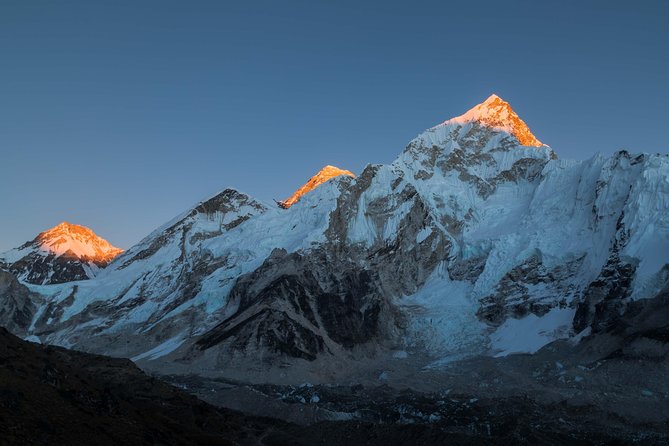
Everest Base Camp with Kalapathar isn’t just about getting to one famous dot on a map. The real payoff is how the trek changes your day-to-day reality. You start in Kathmandu with cultural landmarks, then you drop into the Khumbu on the famous Lukla route, and the scenery shifts from greener woodland feel to sparse, high-mountain walking. By the time you’re near Everest, the place doesn’t feel like a poster. It feels like a whole system—glaciers, icefall views nearby, and sky so close it’s almost rude.
This package also hits a practical sweet spot on value. At $1,990 per person, you’re not paying just for “a guide and some vibes.” You’re covering the permits, the round-trip flights Kathmandu–Lukla–Kathmandu, tea house accommodation, and a set of trekking gear (sleeping bag and duffel bag). Add the included meals, and the price stops looking like a random premium and starts looking like a consolidated logistics plan.
One note on expectations: this is a high-altitude trek that includes exposed, windy sections and multiple days at altitude. “Moderate physical fitness” is listed, but you should still treat the elevation like the main event.
You can also read our reviews of more tours and experiences in Kathmandu.
Kathmandu warm-up: Thamel base and Swayambhunath views
Your trek starts in Kathmandu, with pick-up on arrival and a transfer to a hotel in the heart of Thamel. This matters more than it sounds. Thamel is convenient, so you can get organized quickly—especially the day before the mountain days take over your calendar.
On the following day, a city guide takes you around world heritage sites, with Swayambhunath Temple on the plan. Swayambhunath is a great choice for a pre-trek day because it’s not about “just another stop.” It helps you get your bearings: Nepal’s atmosphere, temple life, and the daily rhythm of the city before you leave it behind.
The afternoon is set aside for trek preparation. That’s smart. You’ll want time to confirm details with your guide, handle last-minute gear needs, and get sleep that actually counts.
Lukla to Phakding: crossing into Sherpa country
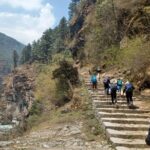
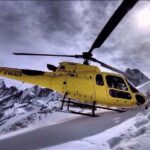
The flight to Lukla is short—about 30 minutes—then your walking life begins. From Lukla, the route heads downhill toward the Dudh Kosi River to reach Phakding, following along Sherpa farm villages and small settlements.
This is one of the gentlest “entry ramps” into the mountains because you’re not immediately climbing all day. You’re learning the trail pace: steady steps, bridge crossings, and that slow transition from village paths to the Khumbu trekking corridor.
Keep an eye on how your body feels during this first walking day. The goal isn’t a personal speed record. It’s to start moving as if you’ll still be moving tomorrow.
Namche Bazar: the acclimatization heart of the trek
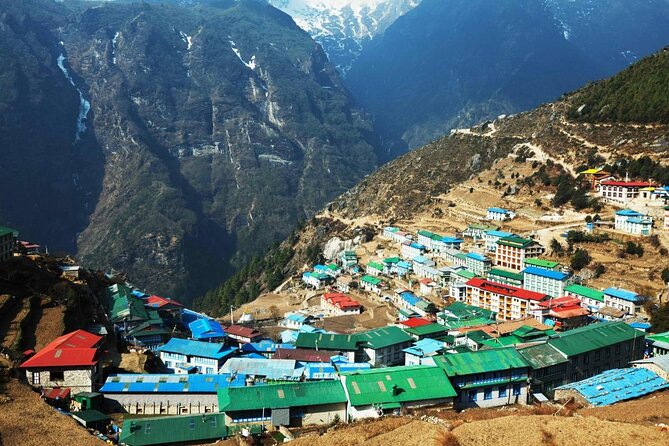
Day four brings a river follow plus multiple bridges, then the route reaches Monjo and enters Sagarmatha National Park, continuing onward to Namche Bazar. Namche at about 3,440m is a key location because it combines two things you need: acclimatization time and real services.
Once you’re in Namche, you’re given time to browse the streets with shops and restaurants. That’s not fluff. On a trek, small comforts—warm food, a chance to rest, and a place to refuel—change your whole mood for the next leg.
On day five, you get a structured rest day in Namche. The plan includes a short excursion to a viewpoint above Namche and a visit to the park museum, with information on the Khumbu area and Sherpa culture. The museum is a good use of time because it turns what you’re walking through into something understandable. You’ll see the cultural threads that run through daily life up here.
Then you move on when your body is ready. That’s the point of the Namche stop: breathe, reset, and avoid rushing.
Tengboche to Dingboche: monasteries and big viewpoints
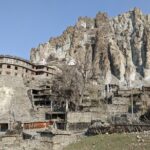
After Namche, the trail continues up to Tengboche, famous for its monastery and the surrounding mountain views. The route through forest adds a changing texture to the trek—cooler and greener at lower elevations, then gradually harsher as you gain height.
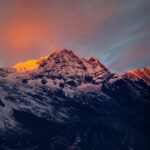
Tengboche is described as a place with grand vistas, including close views of Ama Dablam and a wider chain of peaks. You also visit the Tengboche monastery. This is one of those stops that gives you a break from pure hiking focus. You’re not just passing through scenery—you’re entering a spiritual landmark that locals still treat as part of everyday life.
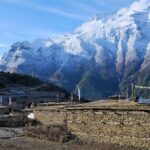
Next comes Dingboche viewpoint, reached after walking from Pangboche, the last permanent village on the Everest Base Camp route. This segment is more exposed and open, which helps you “see” how high you truly are. Views of Island Peak and Ama Dablam show up around this area, and the scenery starts to feel like a high-altitude stage set.
The drawback here is simple: you’ll feel the altitude more. The good part is that the plan doesn’t ignore that. It continues to build time for adjustment before the biggest push.
Lobuche to Gorakshep to Everest Base Camp: your main highlight day
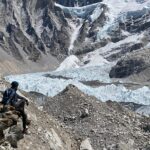
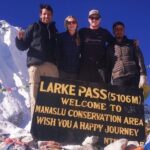
From Dingboche, the route moves toward Lobuche, including time around prayer flags and Buddhist monuments as you pass through Thugla. This stretch leans into the dramatic side of the Khumbu—sharp lines, a more barren feeling, and a sense that you’re walking closer to the cold machinery of glaciers.
You stay the night at Lobuche, then day nine becomes the emotional center: a morning/day walk to Gorakshep, then the trek to Everest Base Camp.
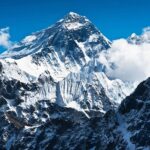
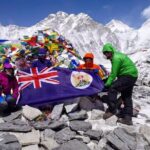
At base camp, the plan emphasizes the thrill of being close to the Khumbu Icefall and glaciers, under the presence of the world’s highest mountain. Even if you’ve seen Everest photos your whole life, the first real-world moment changes things. It’s the contrast: the simple act of walking versus the scale of what’s around you.
After the base camp time, you head back to Gorakshep for overnight.
Kalapathar: the early climb above 5,545m
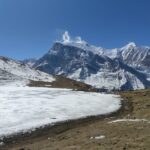
The next morning is dedicated to Kalapathar, with an early push to the top above 5,545m. This is the second big “signature” moment after Everest Base Camp. Kalapathar is where the trek earns its name in bold letters: high altitude, open air, and Everest close enough to feel personal.
After time at the viewpoint, you descend to Gorakshep for breakfast. Then you continue on a planned route that takes you past Thugla, down to Pheriche (with a possible lunch stop), and onward to Pangboche for the overnight.
A practical note: even though you’re going down, this still counts as a serious day. Your legs need recovery, and altitude affects strength even when the elevation drops.
The return hike: Pangboche to Namche, then back to Lukla
Once you’ve had Kalapathar, the mountain stops feeling like a finish line and starts feeling like a place you’re leaving one day at a time. You walk from Pangboche to Namche, with the return route described via Thayangboche, and you spend the night in Namche again.
This part of the trek is valuable because it gives you a chance to notice what you didn’t notice on the way up. The trail is the same corridor, but your perspective has changed. You’re no longer chasing altitude—you’re processing the experience.
Then day twelve is a longer day: you walk from Namche back to Lukla for overnight. It’s a reminder that the hardest work isn’t only the climb. Coming down also requires careful pace and steady footing.
Kathmandu again: time in Thamel and a smooth flight home
On day thirteen, you fly from Lukla back to Kathmandu and transfer to your hotel. You get time to enjoy the remaining hours with the memories still fresh—especially in Thamel, where you’ll have easy access to food, a place to relax, and a chance to share the story.
On day fourteen, you fly to your home country.
There’s a quiet advantage to this pacing. You’re not rushed back from altitude with zero decompression. You get a short window to land before the trip ends.
Price and logistics: what $1,990 buys you here
Let’s talk money like an adult.
For $1,990 per person, the included list covers:
- Permits needed for the trek
- Round-trip flights Kathmandu–Lukla–Kathmandu
- A professional trekking guide
- Tea house accommodation during the trek
- Trek gear like a sleeping bag and duffel bag
- Private vehicle transports
- Meals: breakfasts, lunches, and dinners listed for the days on trek
- A route map and an Eco Holidays Nepal T-shirt
The big value is bundling. Everest region trekking can get expensive fast once you start piecing together flights, permits, lodging, and guiding. This plan reduces the number of separate decisions you have to make.
Also, the package is described as private, meaning your group size stays controlled. In practical terms, that can mean less waiting and fewer “everyone stop for photo” delays that chew up your day.
The only major “possible extra” called out is a porter if needed. If you think you might want porter help, plan for that cost ahead of time.
Guides and the human side: what you can expect on the ground
A lot of the strongest feedback in the supplied information is about the ground team. People specifically mention guides by name—like Dhruba, Anup, Sagar, and Bikram—and they describe the team as professional and helpful.
One detail to consider: one comment notes a guide whose English wasn’t strong. That doesn’t mean you’ll be stuck or unsupported, but it does suggest you shouldn’t rely on perfect conversation to handle key logistics. You’ll get coordination from the trekking guide and the team, but for your own peace of mind, go into it with patience and a simple communication style.
In general, the trip is positioned as well-organized and not rushed. Multiple notes mention the route being comfortable in pace, plus a friendly team that reduces stress.
Who this trek suits, and who should think twice
This is best for you if:
- You want the classic Everest Base Camp route plus the Kalapathar viewpoint.
- You like a plan that includes acclimatization time (Namche at 3,440m, and other higher stops).
- You’re comfortable with tea house trekking and daily walking of varying lengths.
- You value a team handling permits, flights, and on-trail coordination.
You should think twice if:
- You’re not comfortable with high altitude and a physically demanding hike even with rest days.
- You’d need extra load support, since a porter is not included unless arranged.
- You want high-volume, fast sightseeing. The plan is built around pacing and adjustment, not sprinting.
Should you book Everest Base Camp Kalapathar (14 Days)?
If you want a once-in-a-lifetime Everest experience with a realistic trekking rhythm, this one is a solid choice. The combination of Everest Base Camp, a high-altitude “top moment” at Kalapathar, and the acclimatization structure around Namche makes it feel designed rather than improvised. Add included permits, flights, tea house lodging, and the sleeping bag/duffel bag, and you get a package that’s easier to trust on the logistics side.
My call: book it if you’re ready for serious altitude walking and you want your trip to feel organized from Kathmandu to Lukla and back. Skip it only if you’re unsure about your fitness or you know you’ll need porter help and can’t add that cost.
FAQ
How long is the Everest Base Camp Kalapathar trek?
It’s listed as 14 days, with the trek starting from Kathmandu and including flights to and from Lukla.
Does the price include flights to Lukla and back?
Yes. Round-trip flights Kathmandu–Lukla–Kathmandu are included.
Are permits included for the trek?
Yes. Necessary permits are included.
What kind of lodging do you get during the trek?
The trek uses tea house accommodation during the walking days.
Is a porter included?
No. A porter is not included if you need one.
What trekking gear is included?
The included equipment lists a sleeping bag and a duffel bag.
Can I cancel for a full refund?
Yes. You can cancel up to 24 hours in advance for a full refund.