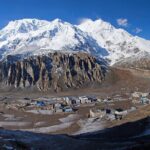
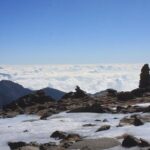
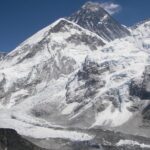
Poon Hill sunrise is the kind of payoff you remember. This short Annapurna trek mixes big Himalayan views with Gurung and Magar village life, plus a low-stress pace that works well for first-timers and even families. I especially liked the contrast of early-morning mountain light and the calm rhythm of teahouse stops in Ghorepani and Ghandruk. The one real tradeoff is that sunrise means an early start, and weather can still play games with visibility.
What makes this trip practical is the small group size (up to 10), private transportation, and the fact that key support is built in. If you’re the type who hates chasing details, you’ll likely appreciate how the team tends to handle transfers and guidance (people often name guides like Badri, Dhurba, Nawin, Gobinda/Govinda, and Jagan for being attentive and responsive). Still, at $523 per person, it’s best viewed as a package value: you’re paying for coordination and included meals/gear, not just a spot on a trail.
The trek itself is nicely bite-sized: Day 1 from Banthati to Ghorepani, Day 2 sunrise at Poon Hill then onward to Ghandruk, and Day 3 down to Nayapul and back toward Pokhara. You’ll sleep in teahouses, eat included breakfasts/lunches/dinners, and hike through a mix of forests and terraced areas—so even with the shorter duration, it feels like you actually went somewhere.
In This Review
- Key highlights worth knowing
- Poon Hill sunrise: the main event over Annapurna and Dhaulagiri
- A beginner-friendly trek that still feels real
- Ghorepani to Ghandruk: village life you can actually slow down for
- Teahouses, included meals, and why comfort matters on a short trek
- Day-by-day: what you’ll do each morning and afternoon
- Day 1: drive to Banthati, trek to Ghorepani
- Day 2: early hike to Poon Hill, then to Ghandruk
- Day 3: trek to Nayapul, then back toward Pokhara
- Season matters: spring rhododendrons vs clear autumn skies
- Price and logistics: is $523 good value?
- Team support: why the guide name keeps coming up
- What to watch for before you go
- Who this Poon Hill trek is perfect for
- Should you book this Poon Hill trek?
- FAQ
- Where does the Poon Hill trek start?
- How long is the trek?
- Is pickup offered?
- What is the minimum age for this trek?
- What group size should I expect?
- What’s included in the price?
- What isn’t included?
- Do you do the sunrise at Poon Hill?
Key highlights worth knowing
- Poon Hill sunrise over Annapurna South and Dhaulagiri: the main show, timed early for the best light.
- Village culture on a short schedule: you’ll pass through Gurung and Magar communities around Ghorepani and Ghandruk.
- Teahouse comfort is part of the plan: lodging and meals are included so you’re not scrambling each day.
- Gear support is included: trekking poles, a duffle bag, and even a down jacket during the trek.
- Small group feel: maximum 10 travelers, which usually keeps things easier on narrow paths.
Poon Hill sunrise: the main event over Annapurna and Dhaulagiri
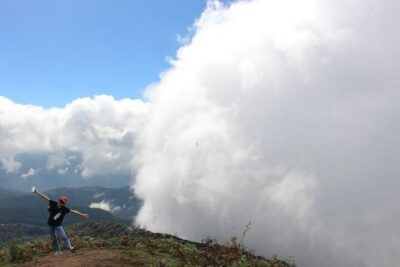
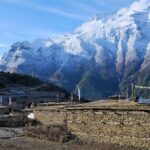
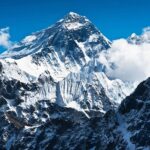
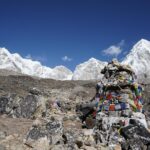
If your travel list includes at least one “stand there and stare” moment, Poon Hill delivers. The whole route is built around getting to the viewpoint early enough to catch dawn over the Annapurna and Dhaulagiri ranges. On clear mornings, the ridgelines show up sharp; on hazy mornings, the peaks can look softer. Either way, you’ll be out when the light is changing fast—mountain photos come easy when the sky is doing something dramatic.
What I like about choosing Poon Hill as a first trek is that it’s not just a long grind to a distant summit. You’re doing a focused early hike to a viewpoint, then you’re back on a normal trekking day schedule (breakfast, villages, and walking in daylight). It’s a good way to experience the Himalaya without committing to weeks of altitude or technical climbing.
Practical note: sunrise hikes always mean cold at the start. Even if you’re in “short trek” shape, plan to move slowly at the beginning so you don’t burn energy too fast before the view hits.
You can also read our reviews of more tours and experiences in Kathmandu.

A beginner-friendly trek that still feels real
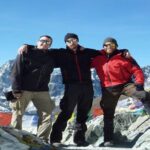
This is a relatively easy and short trekking experience, and it’s designed for people with limited time. That doesn’t mean it’s a walk in the park—there are climbs and descents—but the overall altitude and pace are kept sensible for most travelers, with a minimum age of 8.
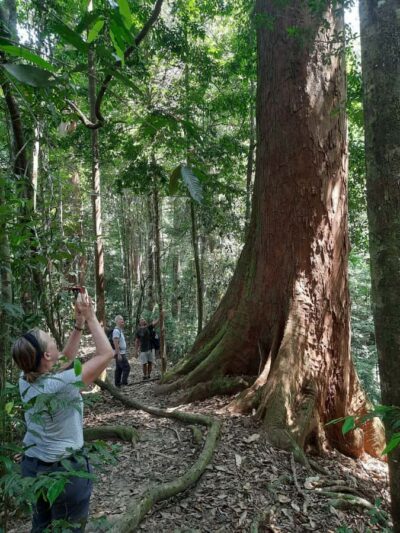
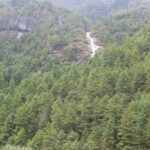
I also like that the scenery changes as you go. The trail passes through forested areas and village settings, then shifts into terraced farmland zones as you near the village communities. That variety helps keep attention on the trail rather than just on the number of steps.
The biggest “gotcha” isn’t difficulty—it’s expectation. If you’re imagining a flat hike with guaranteed perfect views every time, you’ll be disappointed. If you’re up for a good early morning, some stairs on a mountain path, and the chance of shifting weather, you’ll probably love it.
Ghorepani to Ghandruk: village life you can actually slow down for
One reason Poon Hill stays popular is the cultural rhythm between viewpoints. The trek route runs through ethnic villages, with Gurung and Magar culture in the spotlight. In practical terms, that means you’re not just walking between peaks—you’re walking through community life.
Ghorepani is your first village stop after trekking in from Banthati. It’s the kind of place where teahouses are set up for trekkers, so you can settle into a familiar rhythm: a warm drink, a meal, and a comfortable bed before the sunrise push.
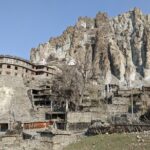
Then Day 2 ends in Ghandruk, a well-known village where you can feel the culture more strongly. You’re still not doing a “culture tour” in the museum sense. You’re living alongside villagers’ routines while you take your time moving through the area.
If you care about meaningful travel, this is where the trek earns extra points. You get the mountains, yes—but the village sections give the trip a heart.
Teahouses, included meals, and why comfort matters on a short trek
This trek is built around teahouses, and that’s a huge deal for a short itinerary. You’re not hunting restaurants or figuring out what’s open. The package includes 2 breakfasts in the mountains and 1 in Pokhara, plus 2 lunches and 2 dinners during trekking (dinners and at least some lunches are included in the mountains).
Also, you’re not on your own for cold-weather basics. Trekking poles, a duffle bag, and a down jacket are provided during the trek. That reduces the “what if I don’t pack right?” stress, especially if you’re traveling light or coming from warm weather.
Still, teahouse comfort isn’t the same thing as a hotel resort. It’s practical and friendly, and it’s enough for a multi-day hike. The goal is to keep you warm, fed, and rested for the next walking day—especially that pre-dawn start.
Day-by-day: what you’ll do each morning and afternoon
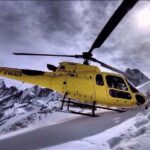
Day 1: drive to Banthati, trek to Ghorepani
You start with private transportation from Pokhara to Banthati. After the drive, the hike begins through forests and villages, moving toward Ghorepani. This is a great day to get your legs working without the pressure of sunrise timing.
What to expect: steady trekking, changing scenery, and lots of chances to stop and look around. You’ll also be setting yourself up for an easier nighttime routine—because once you’re in Ghorepani, you’re close enough to tackle the early start the next day.
Day 2: early hike to Poon Hill, then to Ghandruk
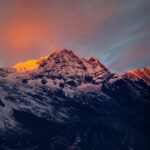
This is the day with the headline moment. You’ll go out early for the sunrise at Poon Hill. The big reward is panoramic views across the Annapurna region and out toward Dhaulagiri.
After sunrise viewing, you’ll trek on to Ghandruk. This shift—from viewpoint energy to village walking energy—is exactly why this route works for beginners. You get the dramatic “wow,” then you move steadily to your next place to sleep.
Day 3: trek to Nayapul, then back toward Pokhara
On the final day, you trek from Ghandruk to Nayapul and then continue back toward Pokhara. This last segment usually feels like a victory lap because you’ve already done the tough timing day (sunrise).
What to expect: more downhill walking than Day 2, plus the satisfaction of knowing the trek part is ending cleanly. It’s a good way to transition out of hiking mode without a confusing schedule.
Season matters: spring rhododendrons vs clear autumn skies
This trek is viable year-round, and the season choice affects what you’ll notice most on the trail.
In spring, you may catch rhododendrons blooming, which adds color and scent to forest sections. In autumn, conditions often bring clearer skies, which is what you want for maximum visibility at Poon Hill.
If you’re flexible, I’d pick based on what you care about most:
- Want color and a greener feel? Spring is attractive.
- Want the best odds of sharp mountain views? Autumn often makes sense.
And remember: sunrise views depend on weather. Even in the best season, clouds can happen.
Price and logistics: is $523 good value?
At $523 per person for about 3 days, you’re paying for more than the trail. The package includes private transportation, all fees and taxes, and the big practical items: meals (breakfast/lunch/dinner), trekking poles, a down jacket, and even a trekking completion certificate.
It’s also helpful that the group cap is small (10 travelers max). Smaller groups often mean fewer headaches on shared rides and on narrow paths.
What isn’t included matters too. You’ll still need to budget for Nepal’s visa fee, international airfare to/from Kathmandu, travel insurance, tips for guides/porters/drivers, and personal expenses like phone calls, laundry, bar bills, battery recharge, and water/shower items.
So here’s the value check: if you want a guided, supported plan with meals and gear included, this price can feel fair. If you’re trying to do it ultra-budget with minimal services, then you might compare it against self-guided options. But this isn’t a “DIY adventure” price—it’s the convenience and coordination price.
Team support: why the guide name keeps coming up
A consistent theme in strong trek experiences is feeling safe and cared for when things shift—weather changes, timing matters, and you need quick answers.
In this kind of itinerary, the people on the ground matter. Names that come up for planning and guidance include Badri (often described as helpful and organized), Dhurba/Dhruba (highlighted for top-notch support), Nawin (attentive and insightful), and also Gobinda/Govinda and Jagan (described as warm, knowledgeable, and confidence-building). Porters are often mentioned as a real help in keeping the trek manageable.
Even better: some itineraries include some Kathmandu orientation around arrival, so you’re not walking into a new country with zero bearings.
If you prefer a guide who explains what you’re seeing and keeps the schedule smooth, this style of operator seems to fit that.
What to watch for before you go
This trek is short, but a few things still deserve your attention:
- Sunrise timing = early cold starts. You’ll be moving before the light hits, so plan for chilly temperatures at the beginning.
- Weather can limit views. Poon Hill is the best-known viewpoint, but clouds can still soften the skyline.
- Non-refundable planning reality. This experience is listed as non-refundable and cannot be changed for any reason once you cancel. If your dates are shaky, think twice.
- Bring your own trekking pace. Even an easy trek needs steady steps. If you rush early, you may feel it later.
Who this Poon Hill trek is perfect for
This is a strong fit for:
- First-time trekkers who want real mountains without a huge time commitment
- Families and groups who want a moderate, manageable plan with teahouse comfort
- Travelers who care about both views and cultural village walking
- People traveling with limited days, because three days gives you a complete story arc (hike in, sunrise payoff, village descent out)
If you’re chasing a high-altitude summit or long wilderness trekking, this isn’t that type of mission. It’s a short trek with a big highlight.
Should you book this Poon Hill trek?
I’d book this if you want a guided, well-fed trekking plan with a famous sunrise and a chance to see village Nepal up close. The combination of included meals, provided trekking poles, and the down jacket reduces a lot of travel friction. Add a small maximum group size and private transport, and it’s set up for people who want the experience to feel organized.
I’d hesitate if you need flexible dates, because the trip is non-refundable, or if you’re unwilling to start very early for sunrise. Also, if your only goal is perfect peak photos, understand that weather is always a wildcard.
If your idea of a good trip is simple: walk, eat, sleep warmly, wake up early for a view, and keep it moving—then this is a solid match.
FAQ
Where does the Poon Hill trek start?
The trek includes drive time from Pokhara to Banthati on Day 1, after which you trek to Ghorepani.
How long is the trek?
It’s listed as 3 days (approx.).
Is pickup offered?
Pickup is offered, and private transportation is included.
What is the minimum age for this trek?
The minimum age is 8 years.
What group size should I expect?
The maximum group size is 10 travelers.
What’s included in the price?
Included items include breakfast/lunch/dinners during trekking (as specified), private transportation, all fees and taxes, trekking poles, a duffle bag, a down jacket during the trek, and a trekking completion certificate.
What isn’t included?
Not included: Nepalese visa fee, international airfare to and from Kathmandu, travel insurance, tips for guide(s)/porter(s)/driver(s), and personal expenses like phone calls, laundry, bar bills, battery recharge, and water/shower-related items.
Do you do the sunrise at Poon Hill?
Yes. Day 2 includes an early trek to Poon Hill for sunrise, followed by trekking to Ghandruk.