REVIEW · MARRAKECH
Private Mount Toubkal trek 2 days
Book on Viator →Operated by Atlas Pathfinders · Bookable on Viator
Two days, one giant mountain, big payoff. Jebel Toubkal is North Africa’s highest peak, and this route is built around a smart pace, early starts, and real Berber mountain life. I especially love the predawn timing—the 5:30 am ascent gives you cooler air and a better shot at a clear view.
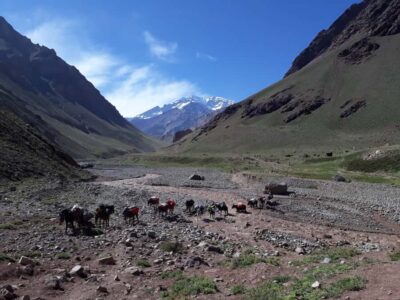
On day 1, you gain altitude with a guide and then sleep at a refuge instead of roughing it in the dark. I also like that you’re not doing everything with your own back: muleteers and mules handle luggage, while you focus on walking and enjoying the villages and scenery.
One drawback to be honest: this is a serious effort. Day 1 includes about 6 hours of walking, and day 2 stretches to around 10 hours, with a strong fitness level needed—plus in winter you’ll need crampons and ice-axes.
In This Review
- Key takeaways before you go
- Why Jebel Toubkal feels bigger than the altitude number
- Marrakech to Imlil: the day begins before the mountains look friendly
- Day 1 to 3200m: Berber villages, Sidi Chamharouch, and a refuge night
- Day 2 at 4167m: sunrise ascent, summit photos, and the long return
- Food, tea, and that hot shower reality check
- Guides, muleteers, and how a max-15 group keeps it human
- Transport and logistics: private vehicle plus pickup/drop-off
- Price and value: $325.71 for a 2-day mountain package
- Who this trek fits best (and who should think twice)
- Tips that will make your experience smoother
- Should you book this 2-day Toubkal trek?
- FAQ
- Where does the trek start and end in Marrakech?
- How long are the walking days?
- What time do you start the summit day?
- Is accommodation included?
- What food is included?
- Do you get help carrying luggage?
- Is the trek different in winter?
Key takeaways before you go
- Early climb rhythm: Breakfast around 5:00 am, then the ascent starts at 5:30 am to beat heat and catch the summit moment.
- Proper mountain support: Muleteers and mules carry luggage, so you can hike instead of wrestle bags.
- Refuge comfort for this style of trek: You sleep at the refuge, get afternoon tea, and even have a hot shower available.
- Two big photo windows: A summit break of about 45 minutes for pictures and a long downhill return with views.
- Small group feel: Max 15 travelers keeps the day manageable and the guiding more personal.
- Winter traction warning: If you’re going in winter, the trek requires crampons and ice-axes.
Why Jebel Toubkal feels bigger than the altitude number
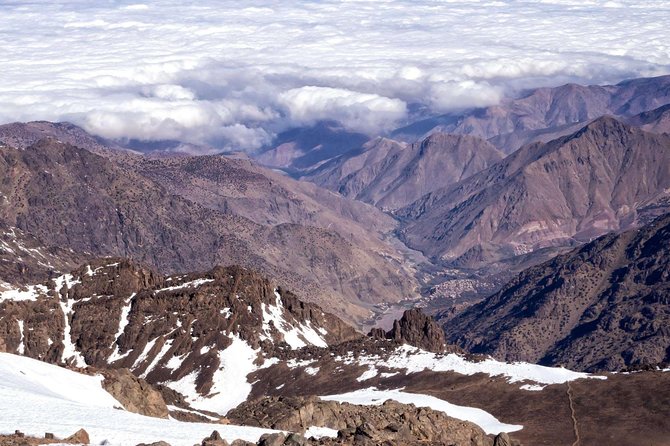
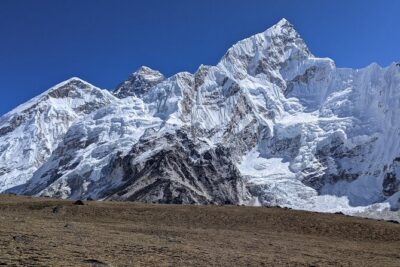
Jebel Toubkal’s official stats are impressive, but what really hits you is the feeling of scale as you move through the High Atlas. You start in the Imlil area, then work your way upward toward the Toubkal refuge zone, and the next morning you push from high altitude to the summit. Even if you’re not a hardcore climber, it still feels like you’re doing something real.
The guide team makes that difference. You don’t just follow a trail; you get a person who knows the terrain and keeps the pace steady. Names you may hear along the way include Ibrahim (who gets credit for keeping people motivated), Lahssen (praised for guiding safely to the top), and Youssef (recognized for going above and beyond). You’ll also work with cooks and muleteers such as Hassan and Hossain—people who turn logistics into comfort.
You can also read our reviews of more tours and experiences in Marrakech.
Marrakech to Imlil: the day begins before the mountains look friendly
You’ll meet at Hôtel AliRue Moulay Ismail in Marrakech, and expect pickup around 8:00 am, with the activity starting around 8:30 am. Then it’s a private-vehicle ride south to Imlil (about 65 km from Marrakech), at roughly 1740 meters.
This drive matters more than you’d think. It gives you time to settle in, meet your guide, and get your gear sorted before the hiking starts. By the time you reach Imlil, you’re ready for the first climb hour—rather than scrambling while everyone is already building momentum.
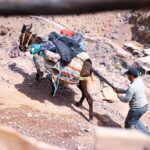
In the Imlil area, you also meet the Berber muleteer crew. That’s the first hint that this trek is set up for you to hike comfortably. Your luggage has a plan, and your day has fewer moving parts.
Day 1 to 3200m: Berber villages, Sidi Chamharouch, and a refuge night
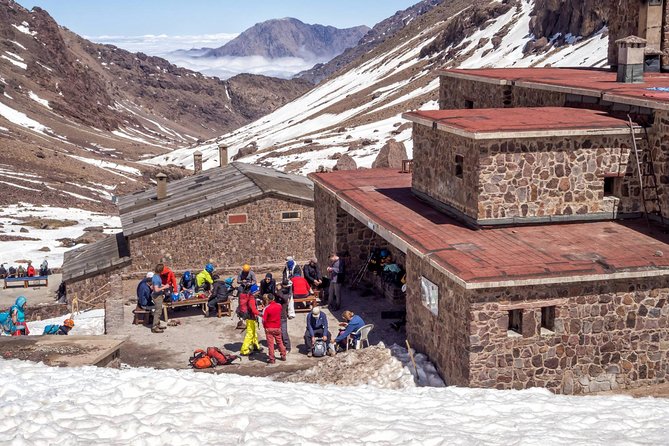
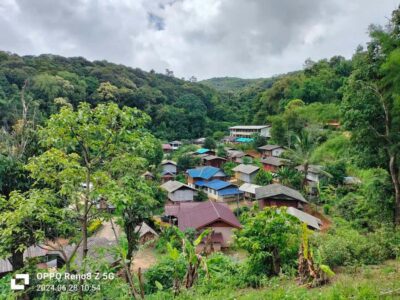
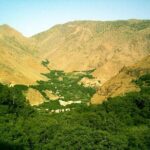
Day 1 is about adjusting to altitude and finding your pace. You hike from Imlil (1740m) up through Berber villages toward the shrine of Sidi Chamharouch (around 2500m). It’s a meaningful stop—not as a museum moment, but as part of how people connect places in the mountains.
From there, you continue to the mountain hut/refuge area at around 3200 meters. The total walking time is about 6 hours, including stops. That’s long enough to feel accomplished, but not so long that you arrive broken.
Lunch is part of the rhythm: you’ll have a picnic lunch after meeting your crew and starting the walk. Then you continue uphill, and later the refuge experience kicks in. You get mint tea, hot shower access to wash off dust and reset for the next day, and dinner prepared for you.
A detail I’d plan around: you’re changing altitude across the whole day, so your body will feel it even when the pace isn’t extreme. The benefit of stopping for tea and meals is that you don’t just climb—you recover in small, practical chunks.
Day 2 at 4167m: sunrise ascent, summit photos, and the long return
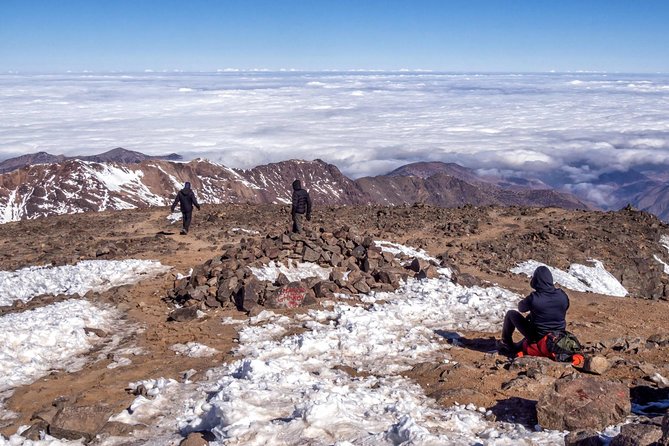
Day 2 starts early—breakfast around 5:00 am, then you begin the ascent at 5:30 am. This early start is the whole strategy. It helps you avoid the full power of the sun and increases your odds of a calmer, clearer summit experience.
In the middle of the climb, there’s a short break for refreshments: water, oranges, and nuts. This is smart. It’s not just about filling your stomach; it’s about keeping energy stable as the steepest part of the day starts to demand more.
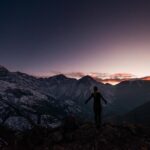
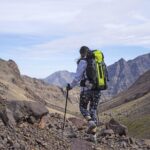
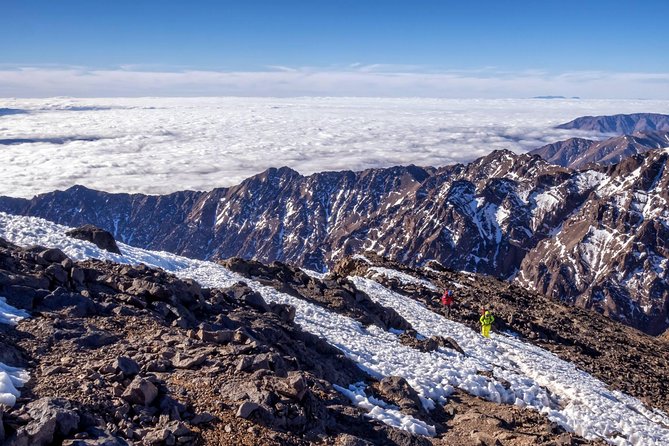
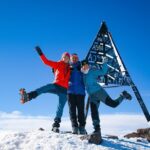
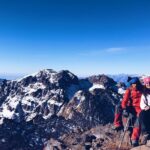
After about 3–4 hours of uphill walking, you reach a point where the views open up—High Atlas ranges, valleys, and Berber villages stretching out below. Then you summit and get a break of about 45 minutes to take pictures and enjoy the panorama.
From a value perspective, this is important: many day-to-day hikes rush you past the best part. Here, you’re given time to look around, not just reach the top and run.
Then it’s the descent back to the refuge and down the same route to Imlil, followed by transfer back to Marrakech. Total day walking time is around 10 hours. It’s a long day, but at least you know what you’re getting: the route is repeatable and guided, not a maze.
Food, tea, and that hot shower reality check
This trek is one of those rare mountain experiences where comfort is included at key moments. Day 1 includes picnic lunch, afternoon tea, and dinner. Day 2 includes breakfast, plus lunch when you return to the hut.
The mint tea at the refuge is also more than a nice drink. It’s a cue to slow down, warm up, and treat the day as more than exercise. In mountain treks, people often forget that recovery is part of success.
Then there’s the hot shower. You’ll feel why this matters when you return down the trail. Dust, sweat, and cold mornings stack up over 2 days. Having a shower at the refuge makes the experience feel organized, not survival-style.
Cooks like Hassan (often praised for delicious food and luggage care) and muleteers like Hossain show up in feedback because they control those small quality-of-life details. It’s the kind of competence you notice at the right times—tea arrives when you need it, meals show up when you’re tired.
Guides, muleteers, and how a max-15 group keeps it human
This trek runs with a maximum of 15 travelers. That matters. Small groups don’t just feel nicer; they move more smoothly on narrow paths and reduce the time your guide spends herding everyone.
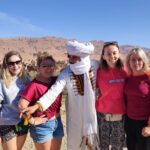
Your English-speaking local mountain guide is central to the experience. The names Ibrahim, Lahcen (spelled in different ways in feedback), Lahssen, Youssef, and Rashid show up because people felt personally looked after—helpful, friendly, and with a good sense of humor. That’s not fluff. Humor is often what keeps a steep climb bearable.
Luggage support by muleteers and mules is also key. When you don’t have to carry everything yourself, you can adjust your effort to the altitude instead of fighting your pack. One common theme in feedback is that people appreciated having the mule carry the bags during the big altitude change from Imlil up toward the summit.
Transport and logistics: private vehicle plus pickup/drop-off
You’re not left to DIY your way out of Marrakech. You’ll get pickup from a designated meeting point in Marrakech, then private vehicle transport to the start area in Imlil, and you return to Marrakech at the end.
This matters for two reasons:
1) You can arrive and hike without wasting daylight figuring out connections.
2) It makes the schedule easier to manage when the day is already early (breakfast around 5:00 am).
Price and value: $325.71 for a 2-day mountain package
At $325.71 per person for roughly 2 days, this trek isn’t a budget hike—but it’s also not priced like an ultra-luxury expedition. The cost lines up with what you’re actually getting.
Included basics that affect real value:
- Breakfast, lunch (twice), dinner (twice)
- Accommodation at the refuge
- Afternoon tea
- Muleteers and mules for luggage
- Cook for meals
- English-speaking local mountain guide
- Pickup and drop-off from designated meeting points
- Transport by private vehicle
Not included (so you should plan for it):
- Travel insurance
- Soft drinks or alcoholic drinks
- Tips
- Personal expenses
If you’re the kind of traveler who values having people manage the big moving parts—food, route guidance, luggage, and the refuge night—this price starts to make sense fast. You’re paying to reduce uncertainty, not just pay for walking.
Who this trek fits best (and who should think twice)
This isn’t a casual stroll. The trip asks for strong physical fitness. Day 1 is about 6 hours walking, with altitude gain and multiple stops. Day 2 is about 10 hours with a summit push early in the morning.
If you’re comfortable with long walking days and steep terrain—even if you’re not an expert climber—this can feel very doable. Feedback often points out that the ascent is challenging but manageable when you’re in good shape.
If you’re unsure, the winter note is a big clue: during winter time the trek requires crampons and ice-axes. That’s not just comfort gear; it’s about safety in cold conditions. If you’re not equipped or not confident using that gear, you’ll want to reconsider timing or talk with the provider first.
Tips that will make your experience smoother
A few practical pointers based on the trek’s structure:
- Treat mornings as serious time. Day 2 starts early, so plan your Marrakech evening so you can actually wake up.
- Use the breaks. Mid-climb refreshments on day 2 and meals throughout aren’t random. They’re what keep energy steady for the summit day.
- Let the mules do their job. If you pack heavy, you’ll feel it anyway. But the whole point is that you shouldn’t be carrying everything.
- Plan for long hours. Both days are longer than you might expect for a “2-day” label.
And if you like a friendly, competent team, this is a good match. People repeatedly mention guides such as Ibrahim and Lahssen, plus cooks like Hassan and Lahcen/Abdul, as part of what made the trek feel cared for.
Should you book this 2-day Toubkal trek?
You should book if you want:
- a focused 2-day route with a summit goal,
- guided support and English-speaking clarity,
- a refuge night plus proper meals (not just snacks),
- luggage help with mules,
- and a small group size that keeps the experience manageable.
You might skip or delay if:
- you don’t have strong physical fitness for 6 hours day 1 and 10 hours day 2,
- you’re uncomfortable with steep altitude hiking,
- or you’re traveling in winter without the required crampons and ice-axes.
If your answer is yes to fitness and yes to early starts, this trek is a smart way to experience Morocco’s mountains without turning it into a multi-week project.
FAQ
Where does the trek start and end in Marrakech?
You start at Hôtel AliRue Moulay Ismail in Marrakech, and the trek ends back at the meeting point in Marrakech.
How long are the walking days?
Day 1 includes about 6 hours of walking (including stops). Day 2 is about 10 hours of walking, including the climb and return.
What time do you start the summit day?
You have breakfast around 5:00 am, and the ascent starts at about 5:30 am.
Is accommodation included?
Yes. You stay at the refuge for the night during the trek.
What food is included?
Breakfast is included, and you also get lunch (twice) and dinner (twice). You’ll also have afternoon tea.
Do you get help carrying luggage?
Yes. Muleteers and mules are included to carry luggage.
Is the trek different in winter?
Yes. During winter time the trek requires crampons and ice-axes.