REVIEW · HANOI
3 Day 2 Night Trek
Book on Viator →Operated by Sapa Tribal Trekking · Bookable on Viator
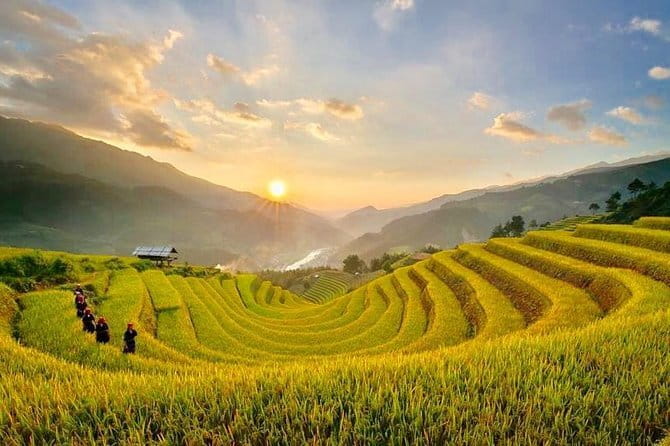
Sapa feels personal on this trek. From the start, you’re set up for an authentic feel: English-speaking native local guides and Sapa homestays where you’re not just passing through the mountains. The route is built to avoid the usual tourist lanes, with time focused on the H’mong, Dzao, Tay, and other tribal communities around Sapa and the rice terraces.
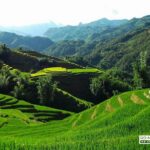
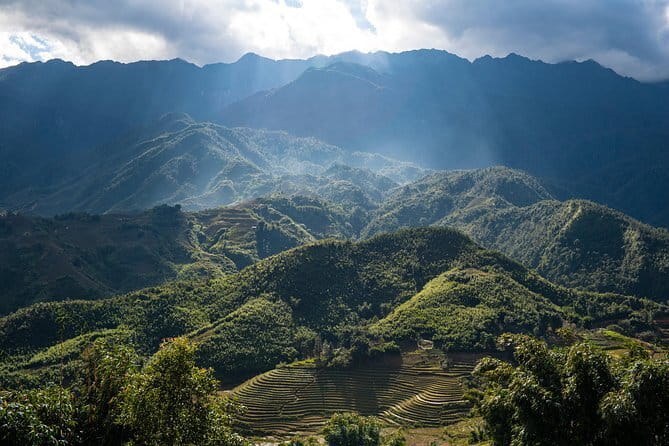
I especially like two parts. First, the walking is paired with big-name scenery: views around Hoang Lien Son and passes like the Lao Chai area, plus long stretches along Muong Hoa Stream and the rice terraces. Second, the evenings are social in a real way—sharing meals with your host family, sitting around an open fire with rice wine and local delights, and getting to know daily life instead of checking a box.
One consideration: this isn’t a gentle stroll. You should have moderate fitness, and you’ll walk up to about 12 km in roughly 3.5 hours on day 1. Also, the trek needs good weather, so plan for the possibility of changes if conditions aren’t right.
In This Review
- Key things you’ll notice on this trek
- Why this Sapa trek works better than the typical checklist tour
- The guide connection: English-speaking locals, plus real family teamwork
- Day 1: costumes, Lao Chai views, and a Ta Van sunset
- A practical thought for day 1
- Day 2: bamboo forest breaks, Red Dzao villages, and a Tay homestay night
- Day 2 timing tip
- Day 3: sunrise in Ban Ho, Nam Toong village, then back to Sapa
- Homestays: hot showers, wifi, and the real reason this matters
- Price and value: what $180 buys you in real terms
- Getting ready: fitness, gear, and weather realities
- Who this trek suits best (and who should look elsewhere)
- Should you book the 3-day tribal trek from Sapa?
- FAQ
- Where does the trek start?
- Does the tour end back at the meeting point?
- Is pickup included?
- How long is the trek?
- How much walking should I expect?
- What level of fitness do I need?
- What meals are included?
- Will I have a place to sleep during the trek?
- Is wifi and hot water available?
- Is the tour private?
- Can I bring a service animal?
- What’s the cancellation policy?
- Do I need travel insurance?
Key things you’ll notice on this trek
- Avoiding the main tourist routes so your views feel quieter and more personal
- Tribal villages across multiple groups (H’mong, Dzao/Red Dzao, Tay, Xa pho, Zay) with costume time built in
- Homestay-style nights that can include wifi and hot showers, plus a chance to live the local rhythm
- Guides who help with logistics too (for example, Giang has helped with Hanoi-to-Sapa transfers and luggage storage)
- Mealtimes included for a full trekking experience, not just a walk and a bill
Why this Sapa trek works better than the typical checklist tour
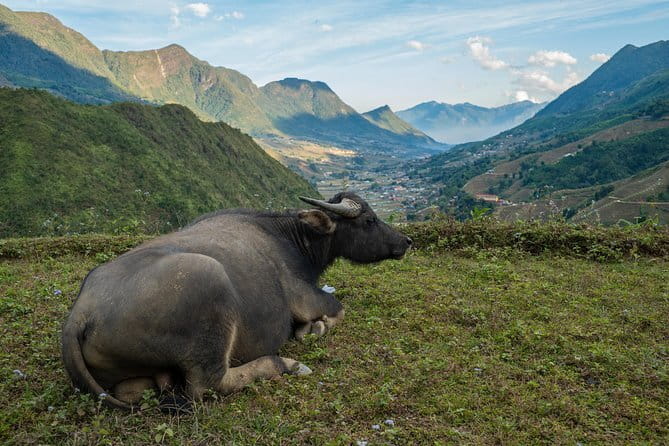
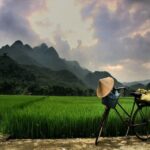
In Sapa, you can fill three days with buses, souvenir stops, and crowded viewpoints. This trek is different because it’s built around people and daily movement. You’re walking through rice fields and valleys, spending time with families, and learning the region in small chunks rather than rushing between stops.
One reason I like this format for your first Sapa trek (or your only one) is that it gives you both sides of the experience. You get the dramatic mountain scenery, but you also get the day-to-day pace: breakfast prepared by your host, farming or cooking time if your family is up for it, and a slow evening where you’re not constantly moving.
There’s also a value-and-impact angle baked in. The operator emphasizes that booking helps local H’mong guides and local people earn fair wages in a region where 70% of the population is below the poverty line. That matters because trekking income here can be one of the steadier ways families can support themselves.
You can also read our reviews of more tours and experiences in Hanoi.
The guide connection: English-speaking locals, plus real family teamwork
This tour is guided by English-speaking native local guides, and that changes the whole tone of your trek. Instead of nodding at a costume photo, you can ask questions and actually understand what you’re seeing—Sapa’s surroundings, local history, culture, and how different tribal groups live.
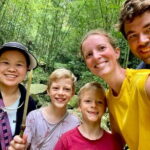
One detail worth keeping in mind: your guide may be someone like Giang, and her family may help guide as well (including her niece Zo and another family member named Ma). That kind of setup often leads to a smoother day on the trail—someone can handle route timing while others help with communication and household flow.
I also appreciate the way guides in this program can help with practical planning around Sapa itself. For example, Giang has been described as helping guests figure out how to get to Sapa from Hanoi, arranging a taxi pickup from a bus office, and organizing luggage storage. Even if you already have transport lined up, having a guide who’s comfortable with logistics can save stress.
Day 1: costumes, Lao Chai views, and a Ta Van sunset
Your day starts with costume and culture time, which is a smart move because it gives you context before you step into the terrain. You’ll experience traditional dress from groups including H’Mong, Dzao, Tay, Zay, and Xa pho. Seeing the outfits before the trek helps you notice details later, like the way colors and patterns signal identity and tradition.
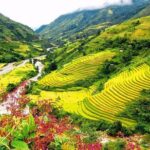
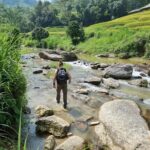
Then you’re set up for a classic Sapa walking day. You visit Y Linh Ho, and the trek continues through the rice terraces and along Muong Hoa Stream. The route heads toward Lao Chai, where you’ll reach a Black Hmong village and get those big views toward the Hoang Lien Son Mountain area.
Late afternoon brings Ta Van (where Dzay people live). This timing tends to work well because you’re not only walking; you’re arriving with light for photos and a better sense of scale for the valley.
After trekking—about 12 km over roughly 3.5 hours—you check into your homestay or local house. You’ll meet your Dzay host family, eat, and enjoy a sunset from the mountain setting. That first night is where the whole trip starts feeling different: you’re fed, you’re settled, and you’re already part of the household rhythm rather than just sightseeing.
A practical thought for day 1
If you’re sensitive to cool mountain evenings, bring a layer. The day ends outdoors in a way that invites you to linger, not rush back to a hotel room.
Day 2: bamboo forest breaks, Red Dzao villages, and a Tay homestay night

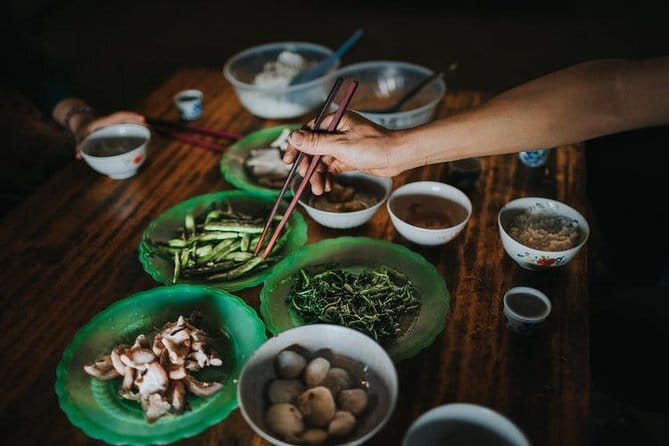
Day 2 begins with breakfast prepared by your host family or local house. That detail sounds small, but it’s one of the best parts of this style of trekking. You’re eating what your hosts eat, and you’re doing it before you even start moving again.
From there, you walk through rice fields and then into a bamboo forest. This change of scenery matters more than you might think. A bamboo stretch gives your legs a break from open slopes while you still feel like you’re deep in the mountains, not on a roadside path.
Next, you stop for panoramic views over the Ta Van – Giang Ta Chai area, home of Red Dzao people. The trek continues to Su Pan, where lunch happens at the home of a H’mong or Dzao family. Eating at a family home like this tends to be one of the moments you remember later, because it’s not designed like a restaurant stop. You’re a guest in their day.
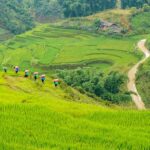
After lunch, you walk through rice terraces and along the valley with scenery that’s described as peaceful and with very few other tourists. That’s your chance to slow down, take photos if you want, and keep your pace comfortable.
In the afternoon, you reach Ban Ho village for your second homestay check-in. Ban Ho is associated with Tay people, and you’ll get to know your Tay host family, with the option to join in farming or cooking local food.
If you like your trip to feel hands-on rather than staged, this is the day where you’ll feel it most. One minute you’re hiking a valley path; the next you might be sitting at a table learning how a simple meal comes together.
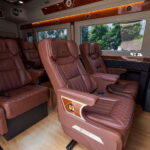
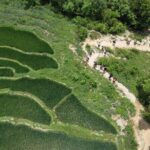
Day 2 timing tip
You’re walking a lot of “in-between terrain”—valleys, terraces, and forest edges. Good shoes matter, but so does pacing. If you go out too fast early, your last stretch may feel longer than it needs to.
Day 3: sunrise in Ban Ho, Nam Toong village, then back to Sapa
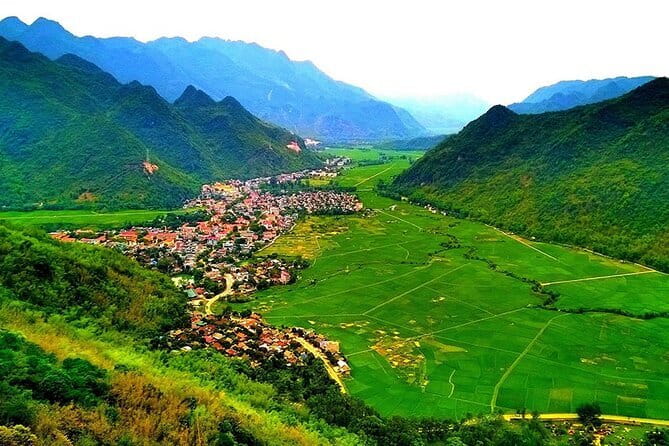
Day 3 is the light-and-morning version of the trek. You’ll watch sunrise and then have breakfast prepared by your family. Sunrise is often the moment where the mountains look calm enough to make you forget you were hiking for days.
You’ll trek through Nam Toong village, home of Tay and Red Dzao people. You’ll have lunch either at a restaurant or at a local house, plus time meeting locals and learning their way of life.
After lunch, you return to Sapa. That return matters because it gives you a clean transition back into town life. You’re not doing a “hard finish” followed by a long, stressful ride. You end near your start point, so you can plan your next step—bus, train, or a second day in Sapa—without scrambling.
Homestays: hot showers, wifi, and the real reason this matters
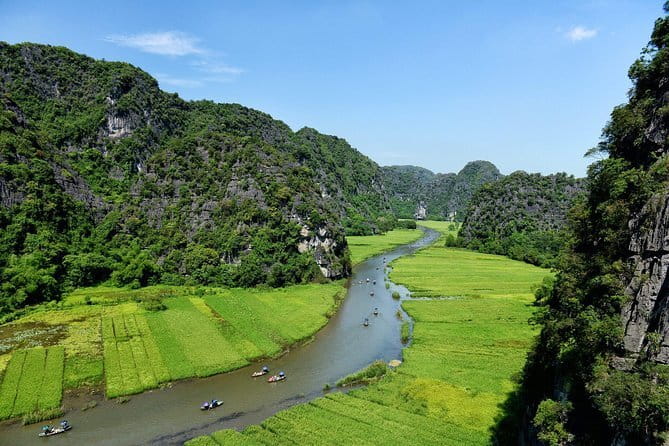
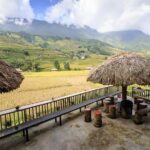
The homestay nights are one of the core reasons this trek is memorable. You’ll either stay in homestays with wifi and hot showers, or in an authentic local house with a local family. That flexibility can be a big deal if you’re trying to balance comfort with authenticity.
I like the practical honesty here. You’re trekking in a region where facilities can vary, but the operator still frames options so you’re not completely in the dark about what your nights will feel like. Either way, the focus stays on the same thing: being part of the family moment.
Expect an evening that might include huddling around an open fire, rice wine, and local delights. That’s not just entertainment; it’s where conversation happens. If you want to understand how people live here beyond the trekking route, that’s the space where questions come naturally.
One more point: spending time with your host family can make the whole trip feel less performative. You slow down. You eat. You listen. You watch daily life unfold around you, even if only for a short time.
Price and value: what $180 buys you in real terms
At $180 per person for about 3 days, this is positioned as a mid-range trekking experience. The value isn’t just the walk; it’s what the walk enables.
Here’s what’s clearly included:
- Breakfast (2)
- Lunch (3)
- Dinner (2)
- Homestay nights (implied by the stay structure in the program)
- A guided experience with English-speaking native local guides
- Pickup offered (details depend on how you’re routed, but it’s part of the offer)
When you compare $180 to paying for a guide, meals, and overnight stays separately, it starts to feel more reasonable. Also, group discounts are mentioned, and bookings on average happen about 65 days in advance, which usually means the operator can better plan guide assignments and overnight arrangements.
I’d frame the price as: you’re paying for access—local route knowledge, language help, meals, and the homestay connection—rather than just a map route.
Getting ready: fitness, gear, and weather realities
This trek is for people with moderate physical fitness. You should be comfortable with hours of walking and some sustained climbs or uneven footing. Day 1 gives you the clearest clue on pace with the 12 km / 3.5-hour trekking distance.
Bring solid footwear with good grip. The route includes streams, terraces, and forest paths, so you want shoes that handle wet or slippery patches.
Also plan for weather. The experience notes it requires good weather, and if it’s canceled due to poor weather you’ll be offered a different date or a full refund. That means you should avoid locking in tight onward travel at the exact same time window without a buffer.
Food-wise, the program clearly includes multiple meals and offers lunch options with local families or at restaurants. Since meals are included, you’ll want to tell the provider about any dietary needs when you book, but the key point is you won’t be paying daily meal-by-meal while trekking.
Who this trek suits best (and who should look elsewhere)
This is a great fit if you want:
- A tribal culture experience tied to real villages, not only viewpoints
- A trekking pace that feels doable for moderate fitness
- Homestays where you can talk with a family and share evening time
- An English-speaking guide who can explain what you’re seeing
It might be less ideal if:
- You want fully predictable hotel-level comfort every night (the program offers options, but it’s still homestay-style trekking)
- You dislike cool mountain weather or long days on your feet
- You’re not comfortable with 12 km days and multiple trek segments
Should you book the 3-day tribal trek from Sapa?
If you’re choosing between a quick tour and something you’ll remember for years, I’d lean toward booking this one—especially if you care about meeting families and walking rice-terrace routes at a human pace. The combination of English-speaking local guides, village meals, and the chance to stay in homestays with practical comforts (sometimes including wifi and hot showers) makes it both authentic and manageable.
Book it if you can handle moderate trekking and you’re flexible about timing if weather changes. Skip it only if you want a low-effort itinerary or you need a rigid schedule with no weather-related adjustments.
If you want Sapa to feel like more than scenery, this is the kind of trek that turns the place into a story you carry home.
FAQ
Where does the trek start?
It starts at 690 Đường Điện Biên Phủ, TT. Sa Pa, Sa Pa, Lào Cai, Vietnam, starting at 9:00 am.
Does the tour end back at the meeting point?
Yes. It ends back at the meeting point.
Is pickup included?
Pickup is offered.
How long is the trek?
It’s about 3 days (approx.), with 2 nights.
How much walking should I expect?
Day 1 includes trekking about 12 km and lasts about 3.5 hours. Other days also include trekking, but only day 1’s distance and time are specified.
What level of fitness do I need?
It’s recommended for travelers with a moderate physical fitness level.
What meals are included?
Breakfast is included 2 times, lunch 3 times, and dinner 2 times.
Will I have a place to sleep during the trek?
Yes, you’ll stay overnight in homestays or an authentic local house with a local family.
Is wifi and hot water available?
The homestay option is described as including wifi and hot showers.
Is the tour private?
Yes. It’s private, so only your group will participate.
Can I bring a service animal?
Service animals are allowed.
What’s the cancellation policy?
Free cancellation is available up to 24 hours in advance for a full refund, with the cutoff based on local time.
Do I need travel insurance?
Comprehensive travel insurance is recommended to make sure you’re covered.