REVIEW · KATHMANDU
Mardi Himal Base Camp Trek -9 Days
Book on Viator →Operated by Himalayan Adventure Treks and Tours Pvt Ltd · Bookable on Viator
Short trek, serious mountain payoffs. I like that the route stays in the Annapurna region without dragging on, yet you still get Machhapuchhre (Fishtail) sightings and those big Annapurna South views on the final push. The only thing to plan for is the altitude climb to about 14,600 ft, which can feel steep even if you’re generally fit.
I also love the logistics that remove stress before you ever step on a trail: airport pickup, quality 3 hotels in Kathmandu and Pokhara, and trekking TIMS/ACAP permits handled as part of the package. With porter support (one porter for every two clients), you can focus on walking instead of hauling every bag like it’s a personal workout challenge.
You’ll sleep in lodges/tea houses and eat included meals during the trek, so comfort is practical rather than fancy. Think warm meals, basic rooms, and a steady rhythm of climbs and descents—good for people who want adventure without technical climbing.
In This Review
- Key Things That Make This Mardi Himal Trek Worth Your Attention
- Mardi Himal Base Camp in 9 Days: The Annapurna Trek That Fits Real Life
- Landing in Kathmandu, Then Pointing Your Trip Toward the Mountains
- Kathmandu to Pokhara and the Kande Start: Set the Pace Early
- Kande to Pitam Deurali: The Moderately Steady Climb Through Forest
- Pitam Deurali to Forest Camp: Rhododendron and Oak Country
- Forest Camp to High Camp: Where the Trail Gets Steeper and Thinner
- High Camp to Mardi Himal Base Camp: The Big View Day
- The Descent to Siding Village: Finish With Culture, Not Just Height
- Lodges, Meals, and That Included Duffle Bag: Comfort Done Sensibly
- Guide and Porter Team, Permits, and the Little Things That Save Time
- Price and Logistics at $900: Where the Value Really Shows Up
- Season, Weather, and Realistic Expectations for Trail Conditions
- Should You Book This Mardi Himal Base Camp Trek?
- FAQ
- What permits are included for the Mardi Himal Base Camp trek?
- What parts of the trip include hotels and meals?
- Do you get a guide and porter for the trek?
- Is vegetarian food available?
- How do transfers work between Kathmandu and Pokhara?
- Where is the meeting point and what time does the trip start?
- Is travel insurance included, and how does free cancellation work?
Key Things That Make This Mardi Himal Trek Worth Your Attention
- A fast Annapurna-feeling trek to Mardi Himal Base Camp without committing to a month
- Forest mornings that actually feel quiet, with rhododendron and oak on the way up
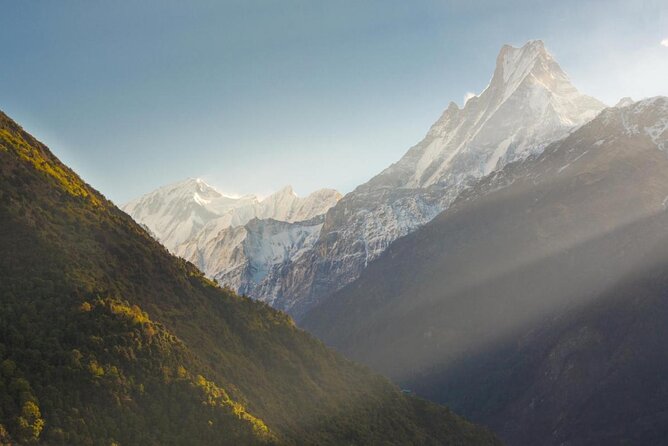
- Machhapuchhre plus multiple Annapurna peaks in your view window near base camp
- A real culture finish in Siding village, not just a straight return to a bus
- Private transfers where they matter most, plus tourist bus for the Kathmandu–Pokhara leg
- Support built in, including guide, porter ratio, first-aid kit, and duffle-bag handling
Mardi Himal Base Camp in 9 Days: The Annapurna Trek That Fits Real Life
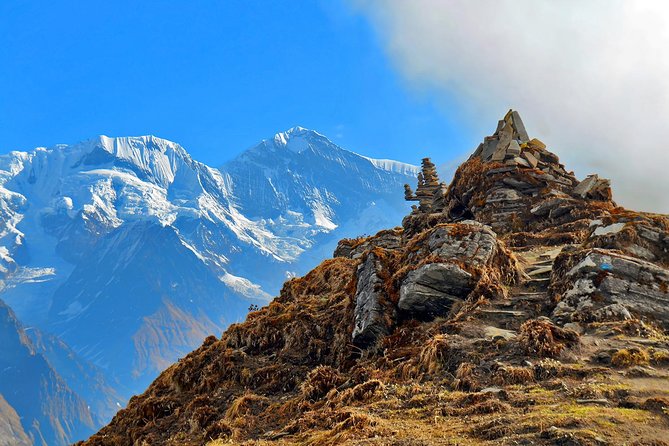
If you want the Annapuna region experience but can’t spare weeks, Mardi Himal Base Camp is a smart pick. The trek is positioned to the east of the Annapurna range, with Mt. Machhapuchhre (Fishtail) nearby, so the views can feel dramatic even on a shorter schedule. You also get Gurung-culture exposure during the return, especially once you drop into lower villages.
This route is described as easy yet adventurous. That usually means you’re not doing technical climbing, but you will walk uphill daily, sometimes on narrow paths, and you’ll work your way up to high altitude: High Camp is around 11,800 ft, then Mardi Himal Base Camp is roughly 14,600 ft. For the right person, that’s the sweet spot—enough challenge to feel proud, without the all-day suffering of longer treks.
The other big reason it’s popular is timing. You can experience mountain scenery plus culture in under two weeks, which is rare in Nepal when you’re chasing high viewpoints.
You can also read our reviews of more tours and experiences in Kathmandu.

Landing in Kathmandu, Then Pointing Your Trip Toward the Mountains
Day 1 is all about getting you settled. You land at Tribhuvan International Airport (TIA), meet a company representative, and get a private vehicle transfer to your hotel. It’s a calm start: you can meet other trek members in the evening, then sleep with your bags safe and your paperwork handled for the next day.
Then you pivot quickly. The day after arrival, you travel to Pokhara by road—about 6–7 hours over roughly 200 kilometers. This isn’t a throwaway transit day. It gives you time to see Nepal outside the airport bubble: terraced fields, villages, and countryside views along the way. And Pokhara matters because it’s your staging point. You’ll feel the shift in altitude and pace as you move toward the trailhead.
Practical note: you’re starting from Kathmandu at sea-level-ish conditions, then moving to mountain terrain fast. Plan to keep your first-day stress low. Don’t cram sightseeing the night before you start hiking.
Kathmandu to Pokhara and the Kande Start: Set the Pace Early
Pokhara is where you reset for the trek. The route then continues to Kande. You’ll drive from Pokhara to Kande (around 1.5 hours), climbing from about 822 meters to roughly 1,750 meters. From there, you begin walking toward Pitam Deurali.
That first walking day (from Kande to Pitam Deurali) is listed as about 3–4 hours for roughly 5.6 kilometers. Elevation rises gradually to about 2,100 meters (6,890 ft). In other words: it’s a good “warm-up” climb. You’re building lungs, not rewriting your life story.
You’ll also move through dense forests and occasional clearings that give glimpses of the Annapurna area. If you’re the type who likes to see progress without burning out, this opening day usually helps you get your bearings fast.
Kande to Pitam Deurali: The Moderately Steady Climb Through Forest
This leg is your first real taste of what the trek will feel like most days: steady uphill walking, with short breaks that let you check the view and catch your breath. Because the climb is moderate and the hours are reasonable, you can keep your effort controlled rather than charging uphill early.
The altitude change here is meaningful but not brutal. Going from Kande’s starting point to Pitam Deurali gets you ready for the higher elevations coming next without skipping steps. And you’ll likely notice how the air feels different as you climb—cooler temperatures, slower breathing, and a more rhythmic pace.
One consideration: even when the route is labeled easy, forest paths can be uneven. Wear shoes with grip you trust, and keep an eye on footing during tighter sections.
Pitam Deurali to Forest Camp: Rhododendron and Oak Country
The next day takes you from Pitam Deurali to Forest Camp at about 2,500 meters (8,202 ft). The distance is around 6.4 kilometers and the hike is typically 5–6 hours. This is where the trail becomes more “trekking day” than “walk in the park.”
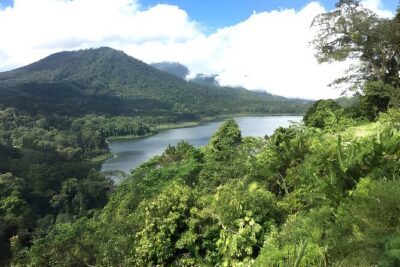
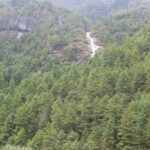
You ascend through lush rhododendron and oak forests—exactly the kind of setting that changes the whole mood of the trek. The path is quieter and more remote, and you can get occasional openings where peaks like Machhapuchuchhre and Annapurna South show through.
The listing notes that the trail can be steep and narrow in places, so this is a day to move carefully, not quickly. If you like consistent pacing, you’ll probably find this day manageable. If you tend to rush, your knees will remind you later.
Forest Camp to High Camp: Where the Trail Gets Steeper and Thinner
From Forest Camp (about 2,500 meters / 8,202 ft), you climb to High Camp at around 3,600 meters (11,800 ft). Expect about 7.2 kilometers and 5–6 hours. This is the pivot toward alpine scenery.
Initially you’ll still see forest—rhododendron and oak—then the vegetation shifts as altitude increases. The route notes dwarf bamboo and juniper as it becomes more rugged. As the trees thin out, the views typically feel wider and more exposed.
This is also one of the most important days for your energy management. You’re moving from a forested trekking style into a higher zone where breathing can feel harder. The good part: clearings along the way can reward you with wide mountain panoramas, including Machhapuchuchhre and Mardi Himal in the mix.
If you’re someone who needs to be mentally prepped for altitude, this is where you set that mindset. Take breaks before you feel wiped out, sip water regularly, and keep steps small.
High Camp to Mardi Himal Base Camp: The Big View Day
Now comes the heart of the trek. From High Camp to Mardi Himal Base Camp, you’re walking about 4 kilometers one way in roughly 3–4 hours. Elevation climbs from about 11,800 ft to about 14,600 ft.
This segment is described as steep over rugged terrain, transitioning from grassy alpine meadows into rocky paths close to the snowline. That’s the day where the effort-to-reward ratio spikes. As you climb, you’re also lining up multiple summit-scale views.
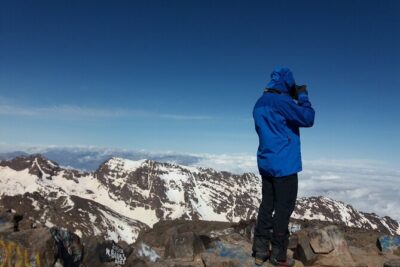
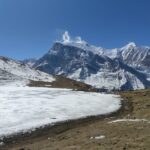
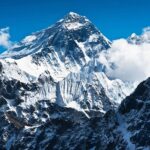
At Mardi Himal Base Camp, you can enjoy views of Annapurna South (7,219m), Machhapuchuchhre (6,997m), and Annapurna I (8,091m). You’ll also see Hiunchuli mentioned as part of the view picture. Even if you’re not a peak-identification nerd, it’s the kind of sight that makes your brain stop doing logistics and start doing awe.
One consideration: this is not the day to treat as a casual stroll. Even though the distance is short, steep uphill means you’ll feel it. Pace matters more than speed.
The Descent to Siding Village: Finish With Culture, Not Just Height
After base camp, you start your descent from Badal Danda (around 10,500 ft / 3,200m) down to Siding village (about 5,250 ft / 1,600m). The listing puts this at roughly 7 kilometers, 4–5 hours, with a descent of about 1,500 meters.
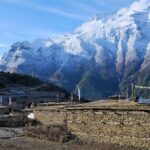
This is a relief day for your lungs, but your legs still have work. Downhill on trails can be tough on knees. The upside is the scenery changes quickly: you move through lush forests, terraced farmlands, and traditional villages.
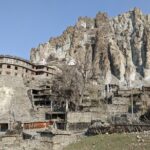
And this is where the Gurung culture comes through. The trek finishes with you enjoying Gurung lifestyle in the Siding area, which gives the trip more meaning than just peak photography. If you like ending with real daily life, this descent supports that.
Lodges, Meals, and That Included Duffle Bag: Comfort Done Sensibly
During the trek, accommodations are in lodges/tea houses, and most meals are included: breakfast, lunch, and dinner while you’re hiking. You also get a first-aid kit as part of the trip support.
This setup is practical. Tea houses can vary, but the key is that you’re not hunting for meals or scrambling for lodging after each day. For value-focused trekkers, that predictability matters as much as the mountain views.
You also get a duffle bag, and it’s returned after the trek. That’s a small thing that helps big time: you can keep your trek-day essentials manageable while your bigger gear is handled for you.
Vegetarian food is available if you plan ahead. If you have dietary requirements, you should advise the operator at booking.
Guide and Porter Team, Permits, and the Little Things That Save Time
This trek runs with an experienced guide and porter support. The porter arrangement is clearly stated: one porter for every two clients. That matters because a porter can carry weight off your back, but more importantly, it reduces the chance you’ll arrive at the end of the day frustrated and wrecked.
You may get guides such as Prakash, Badri, or Lakpa, and porters with Sherpa experience like Ang gombu sherpa have been referenced with this operator. These names aren’t guaranteed for every departure, but they show the kind of people you can expect: guides who keep the group moving, stay patient, and use humor to ease nerves.
Permits are handled too: TIMS and ACAP. That’s not just paperwork. It reduces hassle and helps you avoid last-minute permit problems when you’re focused on walking.
Other value additions you’ll likely appreciate: a company T-shirt, medical supplies (first-aid kit), last-night farewell dinner at an authentic Nepalese restaurant, and a cultural performance.
Price and Logistics at $900: Where the Value Really Shows Up
$900 per person for a 9-day trek is not a budget impulse buy, but it also isn’t priced like a luxury expedition. The real value is in what’s included and what it prevents you from doing yourself.
Here’s what you’re getting for your money:
- 2 nights in a 3 hotel in Kathmandu with breakfast
- 2 nights in a 3 hotel in Pokhara with breakfast
- trekking meals (breakfast, lunch, dinner during the hiking days)
- guide and porter support (including the porter ratio)
- lodge/tea house accommodations during the trek
- TIMS and ACAP permits plus “necessary paper works”
- transport: tourist bus Kathmandu–Pokhara and private vehicle for key trail connections (Pokhara to Kande, and Siding back to Pokhara)
- taxes, first-aid kit, duffle bag return, and a farewell dinner with cultural performance
What’s not included is equally important: visa fee, international airfare, travel and rescue insurance, personal expenses, and tips for guide and porter.
If you try to plan this independently, you’ll spend time coordinating permits, transport timing, guides, food plans, and lodge availability. Even if you save a bit on paper, the hassle cost can be bigger than you expect. For many people, paying $900 is really buying peace of mind.
Season, Weather, and Realistic Expectations for Trail Conditions
The trek includes rhododendron and oak forest days, plus alpine sections near base camp. That means weather changes as you climb. Higher days can feel colder, and any time you’re in the Himalaya, conditions can shift fast.
You can also do this trek in monsoon season. In practice, that usually means wetter trails and more slippery footing, plus more misty views. If you’re chasing the clearest mountain portraits, October is often described as a strong choice, with sunnier, clearer days.
Your best strategy is to match your expectations to the season. In cloudy or wet conditions, you’ll still get the experience—just with fewer dramatic sightlines.
Should You Book This Mardi Himal Base Camp Trek?
I’d book this if you want:
- a shorter Annapurna trek that still reaches Mardi Himal Base Camp
- big views focused on Machhapuchuchhre and Annapurna peaks
- manageable daily hikes with lodge comfort built in
- Gurung culture time at the finish in Siding village
- a guided, permit-handled package where the logistics are taken care of
I’d think twice if:
- you’re uncomfortable with altitude rising to about 14,600 ft
- you need high-end hotel luxury during the trek (this is lodges/tea houses)
- you prefer fully independent travel where you control every detail
One more practical check: you start at 7:00 am and you’ll end back at the airport-area meeting point. If you like early mornings and clear daily plans, this fits well.
If your goal is mountain payoff plus culture in a compact schedule, Mardi Himal Base Camp is a solid yes.
FAQ
What permits are included for the Mardi Himal Base Camp trek?
The trek includes TIMS Permit and ACAP Permit, plus the necessary paper works.
What parts of the trip include hotels and meals?
You get two nights in 3 hotels in Kathmandu and two nights in 3* hotels in Pokhara (both with breakfast). During the trekking days, lunch, dinner, and breakfast are included, along with lodge/tea house accommodations.
Do you get a guide and porter for the trek?
Yes. An experienced guide is included, and porter support is included with a ratio of 1 porter for every 2 clients.
Is vegetarian food available?
Yes. Vegetarian options are available, and you should advise the operator at booking if you need it or have other dietary requirements.
How do transfers work between Kathmandu and Pokhara?
Kathmandu to Pokhara and back is included by tourist bus. You also get private vehicle transfers for specific legs: Pokhara to Kande and Siding to Pokhara.
Where is the meeting point and what time does the trip start?
The meeting point is at Tribhuvan International Airport (Ring Rd, काठमाडौँ 44600, Nepal). The start time is 7:00 am.
Is travel insurance included, and how does free cancellation work?
Travel and rescue insurance is not included. The experience offers free cancellation, with a full refund if you cancel up to 24 hours in advance of the experience start time.