REVIEW · SA PA
Sapa: Y Linh Ho – Lao Chai, and Ta Van Trekking Day Tour
Book on GetYourGuide →Operated by ASu Sa Pa Trekking Tour · Bookable on GetYourGuide
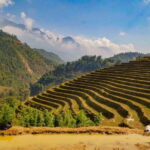
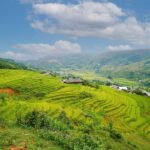
Rice terraces change everything in Sapa. This one-day trek in Muong Hoa Valley is built around Y Linh Ho and Su’s local storytelling, plus village visits that feel personal instead of rushed. You’ll walk about 10–12 km over roughly 5–7 hours, with stops in Lao Chai and Ta Van that highlight everyday life, weaving, and community craft.
The main catch is physical: it’s a moderate trek. If rain turns paths slippery or you have limited stamina, those downhill and uphill stretches can feel longer than the distance suggests.
In This Review
- Key highlights you can plan around
- Rice Terraces, Village Time: What This Sapa Day Trek Really Offers
- Your Morning Start: Meeting Point, Timing, and Guide Style in Sapa
- Y Linh Ho Village: Black Hmong Life and Weaving You Can See Up Close
- Lao Chai on the Trail: Photos, Craft Time, and Lunch With a View
- Ta Van Village: Giay Culture, Architecture Differences, and Snack Breaks
- How Hard Is This Really? Distance, Timing, and What to Bring
- Food and Breaks: Lunch Included, Snacks Optional, Recovery Built In
- Value for $19: What You’re Getting (and Why It Costs Less Than It Feels)
- Who This Trek Is Best For (and Who Might Skip It)
- Should You Book the Y Linh Ho, Lao Chai, and Ta Van Trek?
- FAQ
- How long is the Y Linh Ho – Lao Chai, and Ta Van trekking day tour?
- How far do you walk and how hard is it?
- Where do we meet in Sapa, and where does the tour end?
- Which villages and ethnic groups are visited?
- Is lunch included, and what about snacks?
- What should I bring for this trek?
- Is this tour suitable for low fitness or mobility issues?
Key highlights you can plan around
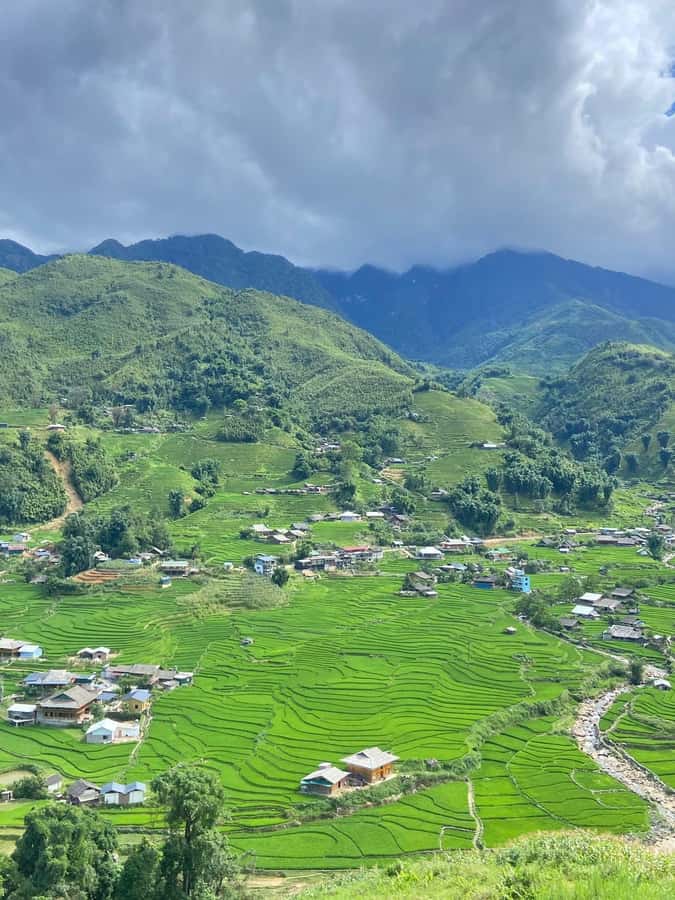
- Muong Hoa Valley rice terraces across a 10–12 km day route
- Small-group feel that makes it easier to ask questions and chat
- Black Hmong culture at Y Linh Ho, including weaving and daily routines
- Lao Chai village time, with crafts and friendly local interaction
- Ta Van visit to the Giay minority, plus a chance to rest and snack
- Lunch included at a local house or riverside restaurant
Rice Terraces, Village Time: What This Sapa Day Trek Really Offers
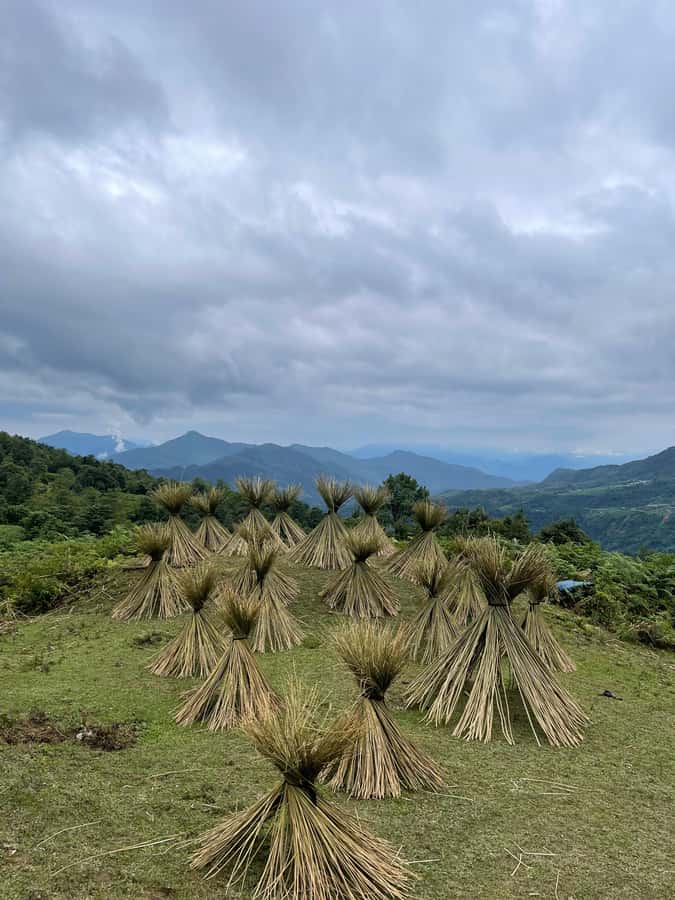
If Sapa is on your list, this is one of the better ways to experience it in a day: not just looking at scenery from a viewpoint, but walking into the Muong Hoa Valley and spending actual time in communities.
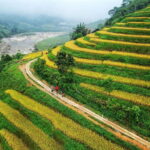
The route ties together three stops that make sense together. Y Linh Ho is known for dramatic rice fields and Black Hmong village life. Lao Chai sits on the path between views and everyday village scenes. Ta Van gives you a different cultural flavor, home to the Giay ethnic minority. Together, it’s a tight, realistic loop that fits into a morning-to-late-afternoon schedule.
What I like most for practical reasons: the tour is structured. You’re not guessing where to go, and you’re not trying to translate every sign or story. You get a guide who can explain what you’re seeing, and you get built-in breaks: village time, photo stops, and lunch.
One more thing that matters in real life: the pacing is manageable. This isn’t a “race through the hills” kind of day. It’s moderate trekking for about 5–7 hours, so you can enjoy the views without arriving wrecked.
You can also read our reviews of more tours and experiences in Sa Pa.

Your Morning Start: Meeting Point, Timing, and Guide Style in Sapa
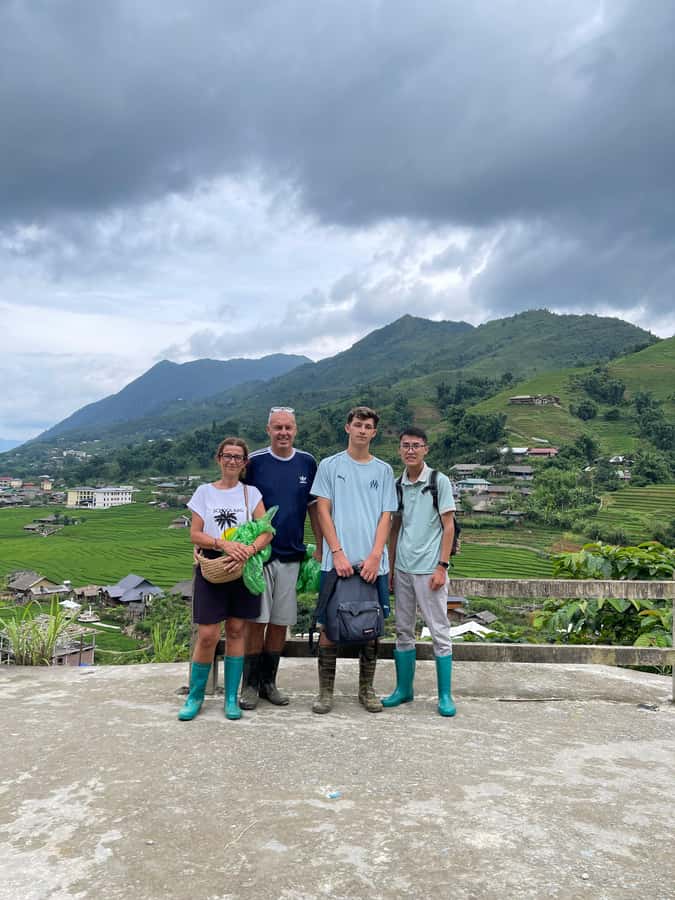
The day starts in Sapa town, typically around 8:30 AM. You meet your guide at the Sapa church or a designated meeting point, then you get quick orientation and safety tips before heading downhill into the valley.
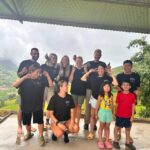
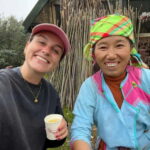
This is where the small details add up. In the past, people have praised the guide, Su, for being local and for living in one of the villages. That connection isn’t just a nice story; it tends to change how the day feels. You’re more likely to hear personal, practical context instead of only general cultural facts.
Su is also noted for very clear English and for answering lots of questions. Some days you might hear chat that goes beyond rice fields and into real topics like education, daily routines, and family life. That kind of conversation turns a trek into more of a human exchange—and it’s one reason the trip gets strong word-of-mouth.
Also, keep your expectations right for a day tour: you’ll be moving. Don’t plan to do heavy sightseeing right after. Build in a calm afternoon back in town.
Y Linh Ho Village: Black Hmong Life and Weaving You Can See Up Close
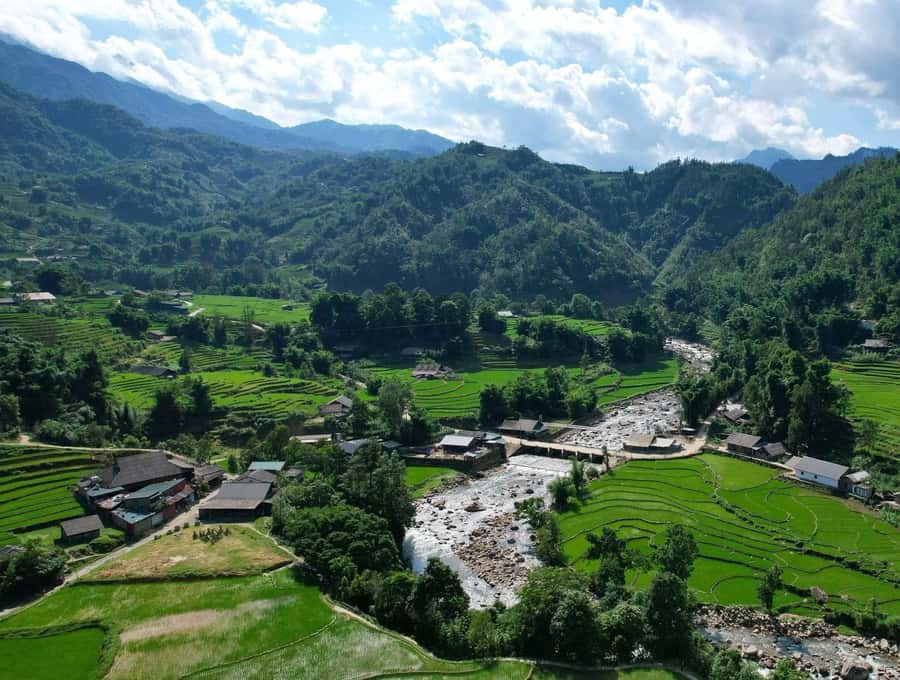
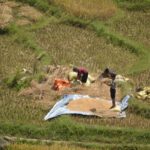
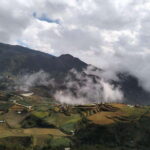
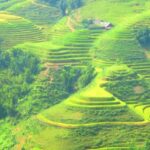
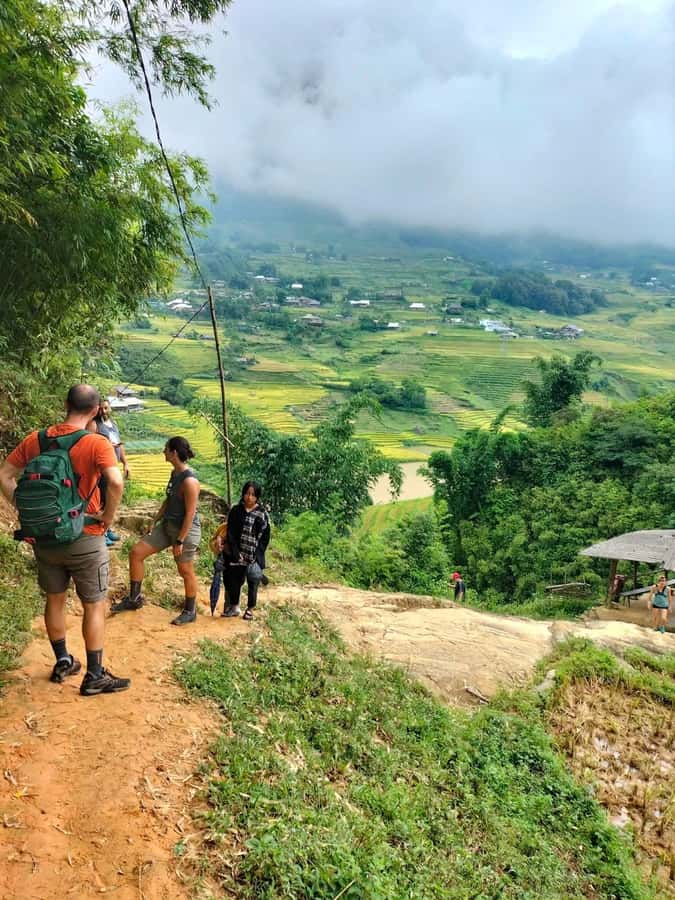
The first big “wow” stop is Y Linh Ho Village. The trek starts descending into Muong Hoa Valley, and the views shift as you go—terraces, forested hills, and the kind of layered scenery that’s hard to capture perfectly in photos.
Once you arrive, you’re not just passing through. You spend time in the village and learn about the Black Hmong community—daily life, traditional customs, and weaving techniques. Weaving is mentioned specifically, and that’s a great sign. It usually means you’ll have something concrete to observe rather than only listen to broad descriptions.
What’s valuable here is the way the guide connects culture to what you’re physically seeing. When someone can explain why a craft matters or how people live from day to day, it stops being “a stop on a schedule” and starts feeling like you’re meeting people where they are.
A practical tip: this stop can also be where you want your camera ready. Terraced fields and village details look best when you’ve got time to slow down—not when you’re already rushing back to the group.
Lao Chai on the Trail: Photos, Craft Time, and Lunch With a View
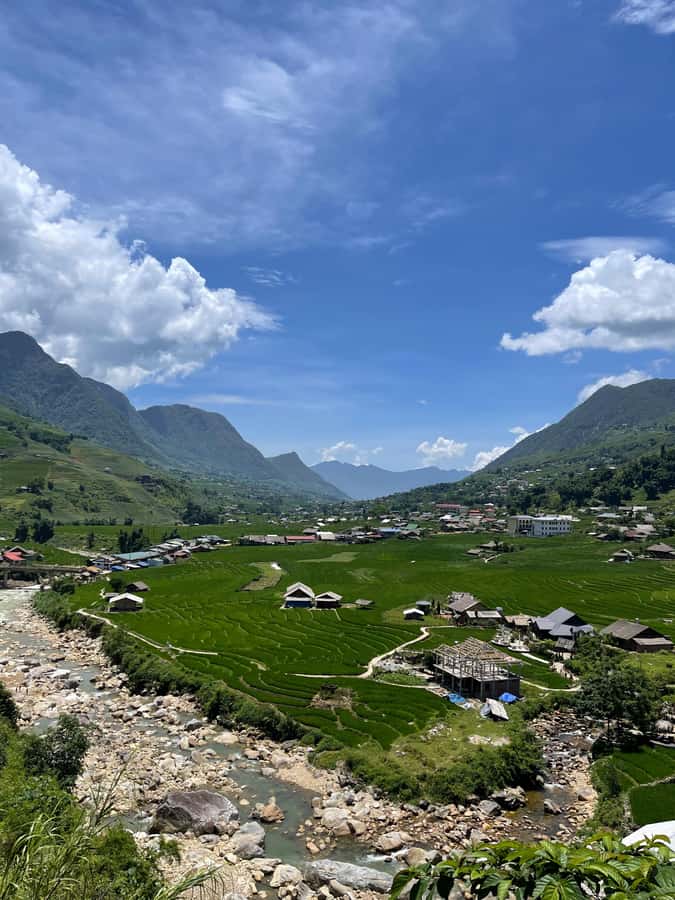
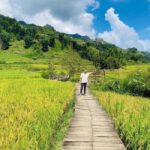
From Y Linh Ho, the route continues along winding trails to Lao Chai Village. This is the stretch where you’ll see the valley open up more and where photo breaks feel natural rather than forced.
Lao Chai is a strong second stop because it balances movement and interaction. You can pause for pictures, then move again, then stop to interact with locals. Crafts are part of the experience here too, so it’s not all just walking and looking.
Then comes lunch. Lunch is included and served either at a local house or at a riverside restaurant. The key point for planning: you don’t need to hunt for food in the middle of the day. You’ll have a scheduled meal that fits the trek timing.
Based on the feedback you can expect from a good guide day, lunch tends to be a highlight. People commonly describe it as delicious and well-timed—exactly what you want on a walking day. If you’re trying to budget, this is also one of the best parts of the value proposition. Paying for lunch separately in Sapa can eat into your daily travel budget fast.
Ta Van Village: Giay Culture, Architecture Differences, and Snack Breaks
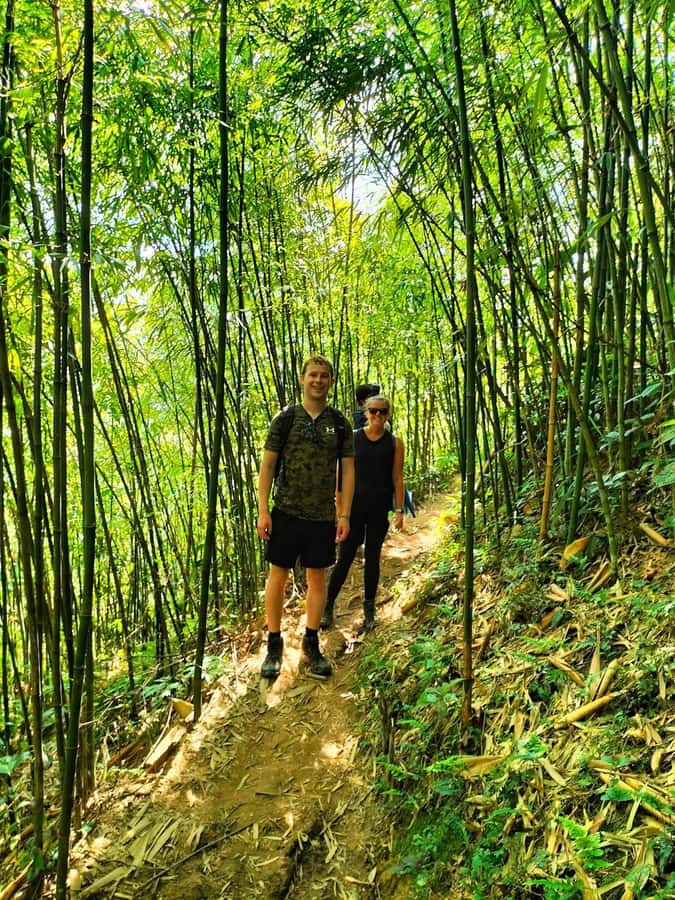
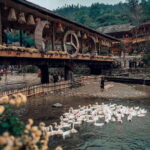
Next up is Ta Van Village, home to the Giay ethnic minority. The trek continues deeper into the valley, and by now you’ll feel the change in pace: less “arrival excitement” and more “slow attention” to how the terrain shapes daily life.
Ta Van gets mentioned for a cultural blend and for differences in architecture. Even if you don’t know the details yet, you’ll likely notice the change in how buildings sit in the area and how the village layout follows the terrain.
This stop also includes a chance to rest. The tour may include an optional short break at a local homestay or café, with the chance to sample traditional snacks. That matters because it gives your legs a reset before the ride back to Sapa.
Practical reality check: snacks don’t replace a real meal. They’re a bonus. Still, they’re a good way to keep energy up if you’re sensitive to long walking days.
How Hard Is This Really? Distance, Timing, and What to Bring
Let’s talk about the part that decides whether this tour feels fun or frustrating: the effort level.
You’re looking at 10–12 km of trekking across about 5–7 hours. That’s moderate. It’s not described as for people with mobility impairments, and it’s also not framed for low fitness levels. If you’re the type who handles hills and rough paths for an hour or two at a time, you’ll likely be okay.
Weather is the wildcard. In Sapa, conditions can change quickly, so dress for the day you might get—not only the morning you start. Rain can make paths slick. Fog can reduce visibility on the trail.
Here’s what to bring, based on what the tour asks for:
- Comfortable shoes with grip
- Hat
- Camera
- Sunscreen
- Water
One more practical suggestion: if you tend to get cold in the hills, bring an extra layer even if the town feels warm when you start.
Also, plan to take your time on downhills. Your knees will thank you. This is one of those treks where good pacing beats bravado.
Food and Breaks: Lunch Included, Snacks Optional, Recovery Built In
Food on a trek day isn’t just comfort—it’s fuel and timing. This tour builds in lunch at a local house or riverside restaurant, which means you’re not scrambling to find something halfway through.
The rest stop in Ta Van can include a homestay or café break with traditional snacks. Think of that as a little bonus window: rest your legs, warm up or cool down depending on weather, and get a taste of what’s locally served.
If you’re curious about local life, meals are often where the day becomes more than sightseeing. You might not be able to understand everything without translation, but shared food does a lot of work for you.
Value for $19: What You’re Getting (and Why It Costs Less Than It Feels)
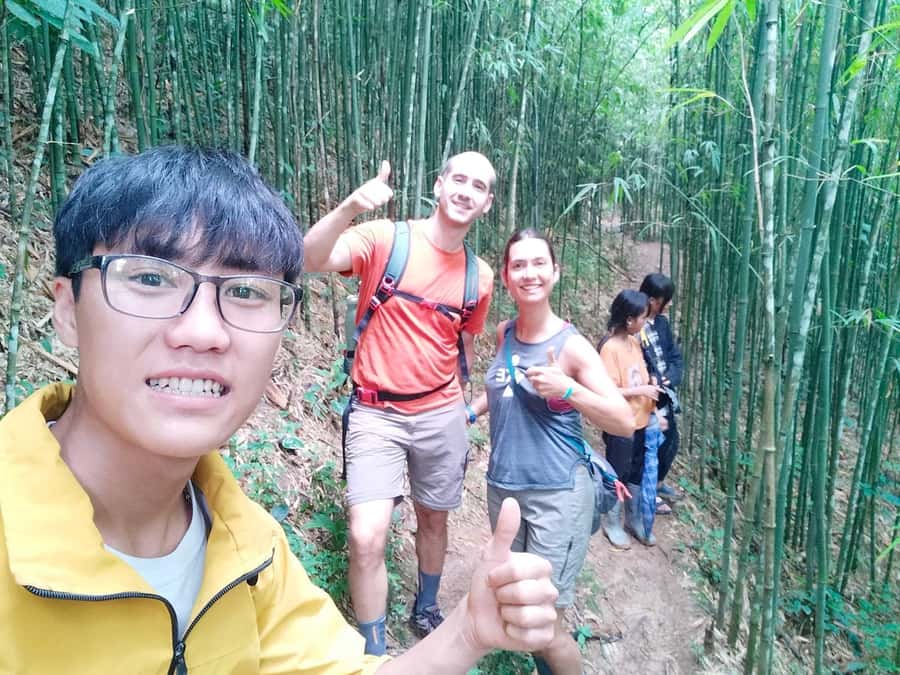
At $19 per person, this is one of the more budget-friendly ways to cover multiple villages in a guided way, especially because lunch and transfers are included.
Here’s what the price covers:
- Live tour guide
- Trekking tour
- Visits to Y Linh Ho, Lao Chai, and Ta Van
- Transfer back to Sapa town
- Lunch at the local house or riverside restaurant
What you typically pay for outside the package is personal spending. That’s normal.
Why it feels like good value is the guide element. A good local guide changes the day. When Su is sharing context and personal stories, you’re getting more than route management—you’re getting explanation, Q&A time, and cultural translation.
And because the group can be small, you get more direct conversation. That’s hard to put a price on. Big-group treks can be cheaper, but you often end up with less interaction and fewer chances to ask real questions. A smaller group can make the same route feel more human.
Who This Trek Is Best For (and Who Might Skip It)
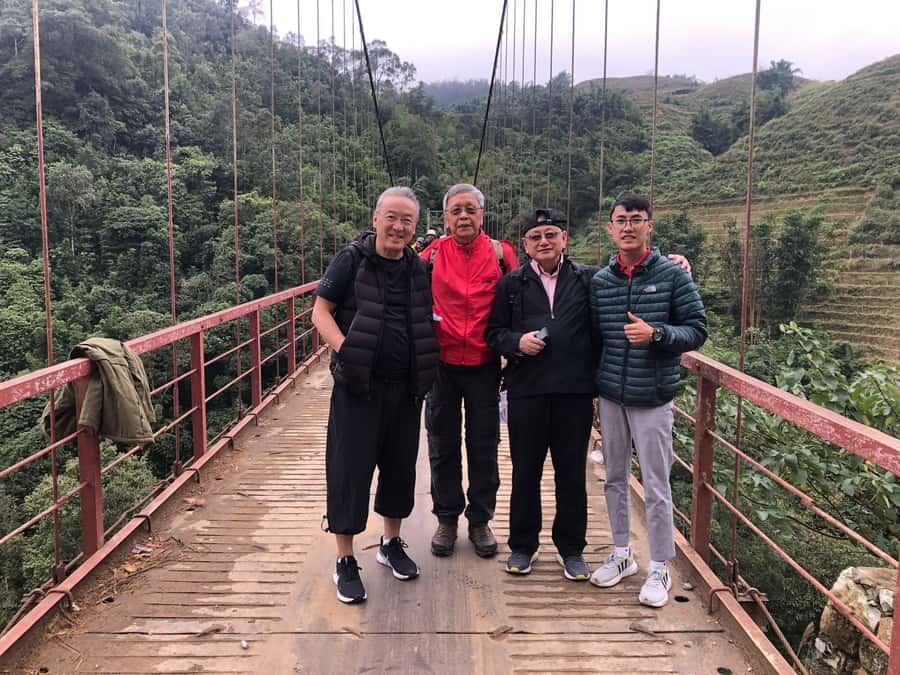
This tour is a strong match if you want:
- A day trek that doesn’t eat your whole trip day
- Village visits in Y Linh Ho, Lao Chai, and Ta Van
- A guide who can explain what you’re seeing in plain language
- A walk that’s moderate, not extreme
It’s not a good fit if:
- You need something very accessible or have mobility limitations
- You have low fitness and want something with less walking
The good news: “moderate” in trekking terms is often workable for travelers who prepare. Wear good shoes. Bring water. Take breaks when they happen, especially at village stops.
If your main goal is pure relaxation, you might prefer a slower tour. But if you want Sapa with movement and people, this fits.
Should You Book the Y Linh Ho, Lao Chai, and Ta Van Trek?
If you’re choosing between wandering Sapa on your own and taking a guided trek, I’d lean toward booking this one for most people. You get the right mix: terraces, three village stops, cultural context, and included lunch. Plus, Su’s local presence and English skills are repeatedly highlighted, which means you won’t feel lost during the parts that matter most.
Do it if you’re comfortable with a 10–12 km day and want more than photos. Skip it if you want minimal walking or you can’t handle hills, especially in changing weather.
One last thought: in Sapa, the day goes fast once you’re on the trail. So if you book, show up rested, wear grippy shoes, and keep your questions ready. This tour rewards curiosity.
FAQ
How long is the Y Linh Ho – Lao Chai, and Ta Van trekking day tour?
The trek takes about 5–7 hours, starting in the morning and returning to Sapa town afterward.
How far do you walk and how hard is it?
You’ll trek roughly 10–12 km with a moderate activity level.
Where do we meet in Sapa, and where does the tour end?
You meet your guide at Sapa church or a designated meeting point in Sapa, then the tour includes a car transfer back to Sapa town at the end.
Which villages and ethnic groups are visited?
The tour visits Y Linh Ho Village (Black Hmong), Lao Chai Village, and Ta Van Village (Giay ethnic minority).
Is lunch included, and what about snacks?
Yes, lunch is included at a local house or riverside restaurant. There may also be a short rest stop at a local homestay or café with traditional snacks.
What should I bring for this trek?
Bring comfortable shoes, a hat, camera, sunscreen, and water.
Is this tour suitable for low fitness or mobility issues?
It’s marked as not suitable for people with mobility impairments or low level of fitness. If you cancel in advance, you can cancel up to 24 hours for a full refund.