REVIEW · SA PA
Sapa: Eco Adventure Terrace Fields and Local Villages Trek
Book on GetYourGuide →Operated by Da Nang Happy Tour · Bookable on GetYourGuide
Rice terraces and village stories in one trek.
This Sapa eco adventure sends you from the town center toward Fansipan Peak views, then down into Muong Hoa Valley where the scenery and daily life blend together. You’ll walk past rivers, wooden houses, and farm work while learning how different ethnic communities live in this part of Northern Vietnam.
Two things I love: first, the chance to have a home-cooked lunch with a Hmong family in Lao Chai Sang, not just a packaged meal in town. Second, the human touch from guides like Chai and Vu, who explain what you’re seeing and help the group stay together when trails get tricky.
One drawback to plan for: the first stretch can be muddy and slippery, especially when weather has been wet or the ground is soft. Add morning mist and you might not see as much from the viewpoint at first.
In This Review
- Key highlights
- Entering Sapa at 9:00 AM, Starting With a Fansipan View
- Muong Hoa Valley Walking: Rice Terraces, Streams, and Farm Life
- Y Linh Ho Village: A Hmong Welcome and a River Crossing
- Lao Chai Sang Lunch at Home: Why This Stop Feels Different
- Lao Chai Village and Rice-Season Reality
- Learning Hmong Daily Life and Traditional Clothing-Making
- Ta Van Village: Moving From Hmong to Dzay Culture
- The Trek Back: Finish Time Around 3:30 PM
- Pace, Distance, and Mud: What Your Feet Should Expect
- Guide Power: Why English Explanations Change Everything
- Value for $27: What You’re Really Buying
- Who This Trek Is Best For (And Who Should Skip It)
- Best Days to Go: Weather, Mist, and Visibility
- Should You Book This Sapa Eco Trek?
- FAQ
- Where does the tour meet?
- What time does the trek start?
- How long is the experience?
- How far do you walk?
- What’s included in the price?
- What’s not included?
- What language is the tour in?
- What should I bring?
- Is it free to cancel?
- Who should not book this tour?
Key highlights
- A 9:00 AM start from Sapa Church so you’re on the trail while the day is still calm
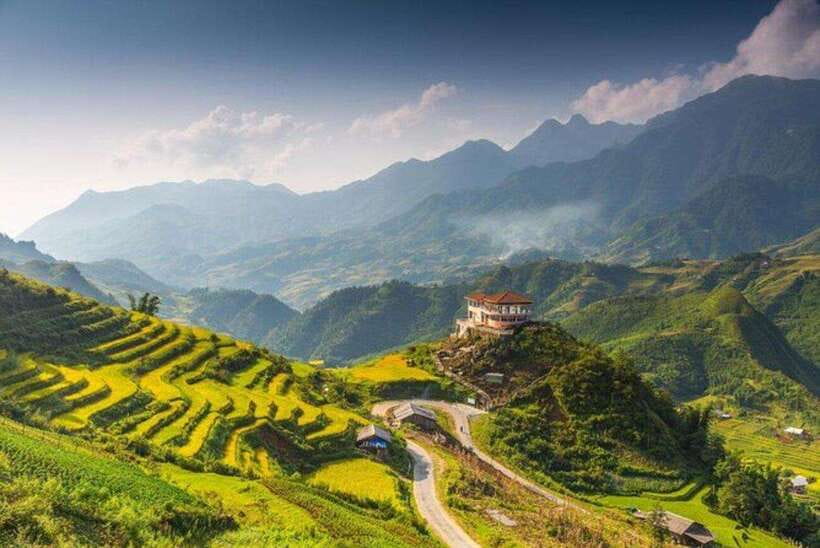
- Muong Hoa Valley rice terraces with rivers, farm paths, and mountain backdrops
- Hmong village visits in Y Linh Ho and Lao Chai, plus a bridge crossing and real village routines
- Home lunch in Lao Chai Sang with a Hmong family and traditional dishes
- A Hmong clothing-making cultural lesson that goes beyond photos
- Ta Van Village in the Dzay community before you return to Sapa
Entering Sapa at 9:00 AM, Starting With a Fansipan View
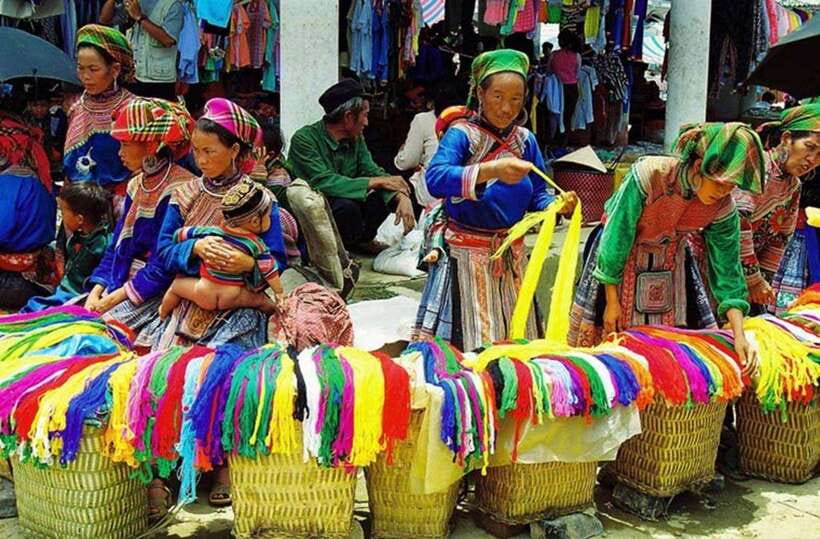
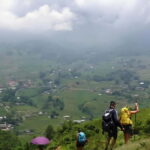
Your day begins at 9:00 AM in the center of Sapa, with your guide meeting you in front of Sapa Church. From there, the walk starts with a short uphill push to a viewpoint on a small hill. The goal is simple: get sweeping views toward Fansipan Peak, which helps you understand what you’ll be trekking through for the rest of the morning.
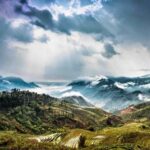
If the morning is foggy, don’t panic. Even when visibility is limited at first, the valley can open up later as conditions change. Think of it like Sapa giving you a slow reveal.
You can also read our reviews of more tours and experiences in Sa Pa.
Muong Hoa Valley Walking: Rice Terraces, Streams, and Farm Life
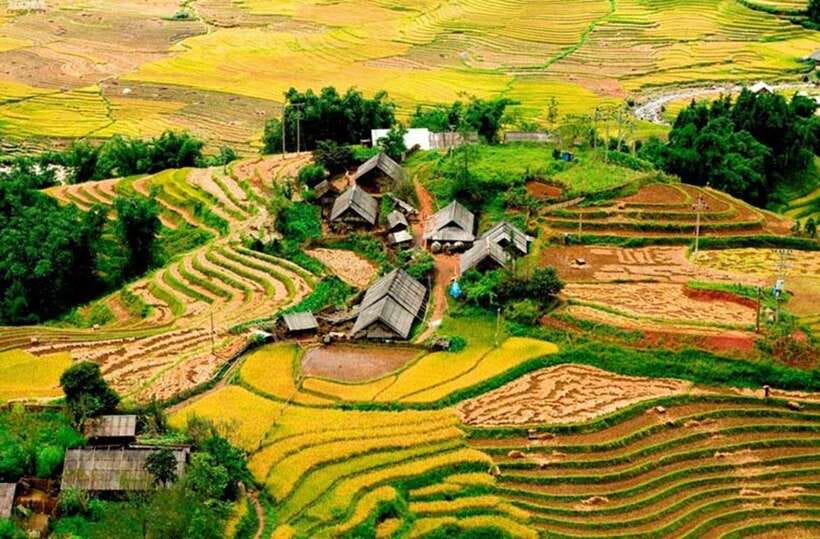
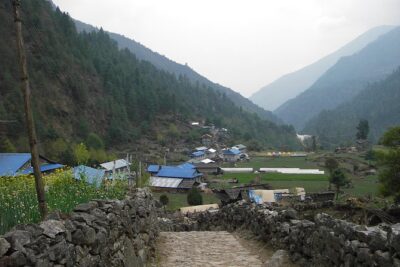
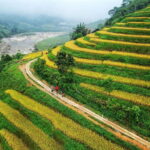
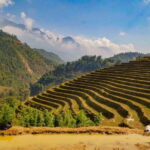
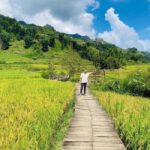
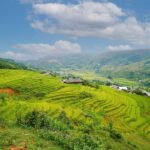
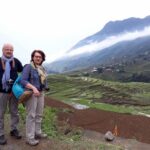
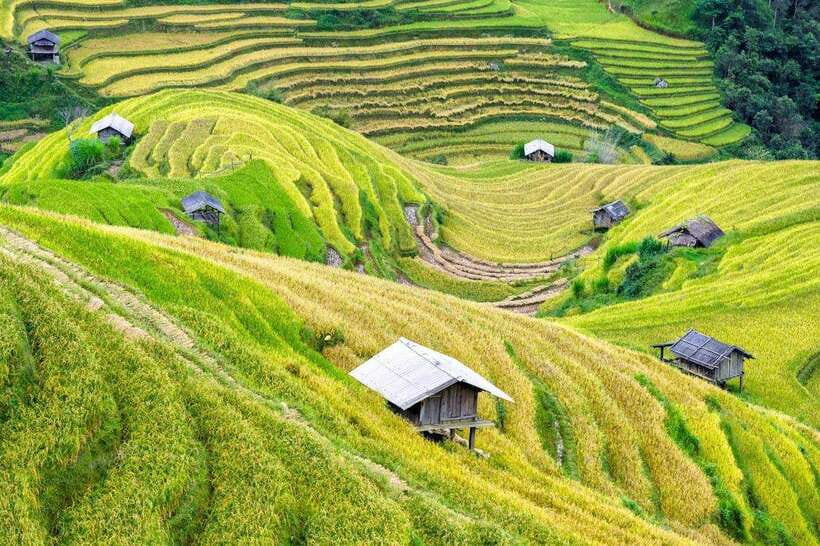
After the first viewpoint, you continue into Muong Hoa Valley, known for its layered rice terraces and dramatic mountain scenery. This is where the trek starts to feel like a working landscape: you’ll pass meandering streams, traditional wooden houses, and fields where farmers are doing real, daily tasks.
One practical detail matters here: this is not a stroll. You’ll cover 10 to 12 kilometers total, and a chunk of that involves paths that can be uneven. The walking route also changes how you experience the valley. When you’re on foot, you notice the small stuff: water channels, stone edges on trails, and the rhythm of village life that never shows up in a quick photo stop.
Y Linh Ho Village: A Hmong Welcome and a River Crossing
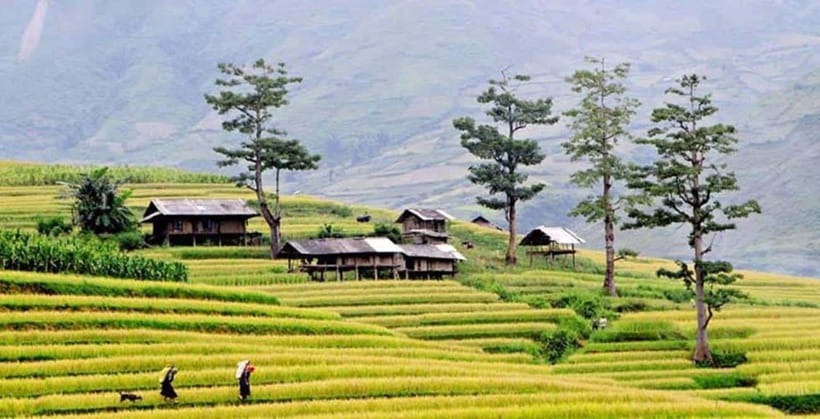
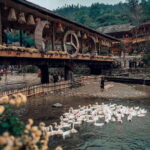
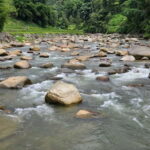
Around 11:00 AM, the group reaches Y Linh Ho Village, home to the Hmong ethnic minority. Before you move further along the trails toward the next villages, you cross a small bridge over a scenic river. It’s a great moment to slow down and look around, because the valley’s shape comes through more clearly from river level.
Village visits here are more than a walk-by. Your guide uses what you see—homes, field layouts, and everyday movement—to explain culture and village history in plain language. Guides I’ve seen in similar Sapa treks, including Chai and Wu, have a way of turning observations into stories you can actually remember.
Lao Chai Sang Lunch at Home: Why This Stop Feels Different
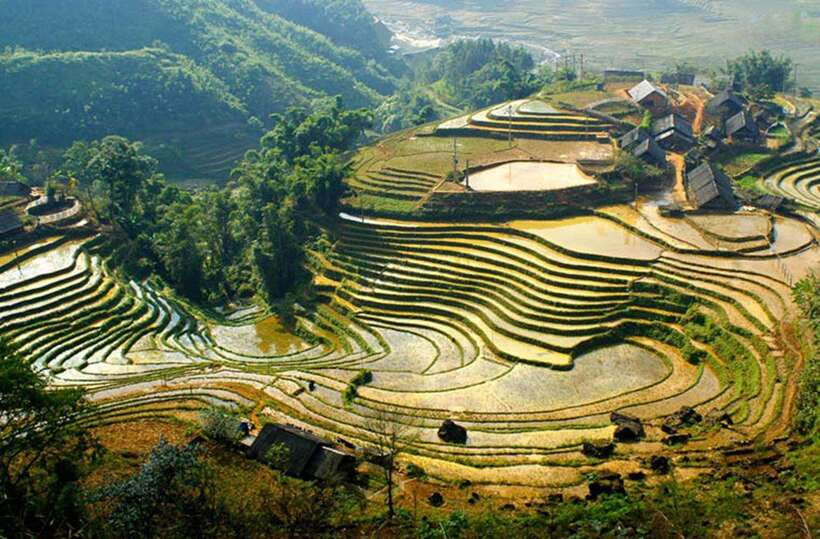
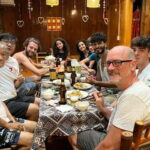
At about 12:30 PM, you arrive at Lao Chai Sang for a home-cooked lunch with a Hmong family. This is included in the price, along with entrance tickets, so you’re not scrambling for food options during the walk.
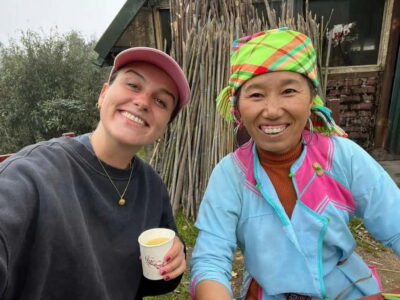
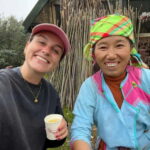
What makes this meal valuable is the setting. You’re not just eating; you’re pausing inside someone’s daily life. The lunch gives you a reset before the afternoon village portion, and it often feels like the most human moment of the trek. Several guides—like Shou, Rou, and Vu—are praised for making this stop feel respectful and personal, not like a staged photo moment.
If you have dietary needs, you might find options available, since some groups report vegetarian choices. Still, don’t count on every option. It’s smart to ask your guide ahead of time or carry basic expectations about what’s realistic for a family kitchen.
Lao Chai Village and Rice-Season Reality
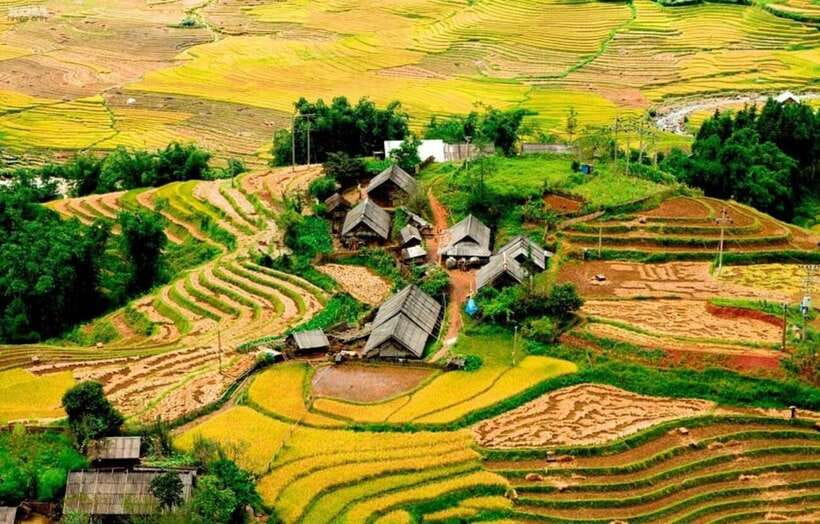
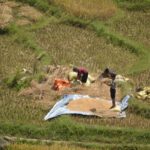
After lunch, you continue trekking to Lao Chai Village. This part of the route often changes with the season. Depending on the time of year, you might see villagers planting or harvesting rice, and that’s one of the best ways to understand how the terraces actually work.
This section also keeps you close to the pace of village life. You’ll walk along trails where you can observe daily routines without a crowd interrupting everything. Just keep your feet under you: even when paths look manageable, the ground can turn slick in spots, especially where water drains down the hillside.
Learning Hmong Daily Life and Traditional Clothing-Making
Later in the afternoon, your route includes a cultural experience focused on Hmong daily life and traditional clothing-making. This is where the trek goes beyond scenery. Instead of treating traditional clothing as something you only see in pictures, you get context for how and why it’s made.
Some guides explain the practical side—what clothing means in daily work, community identity, and how skills pass through generations. You’ll see handmade items along the way too. Many people choose to support the families by buying small crafts or clothing accessories. If you do, keep cash on hand and remember it’s not just shopping—it’s direct support for villagers with limited local income options.
Ta Van Village: Moving From Hmong to Dzay Culture
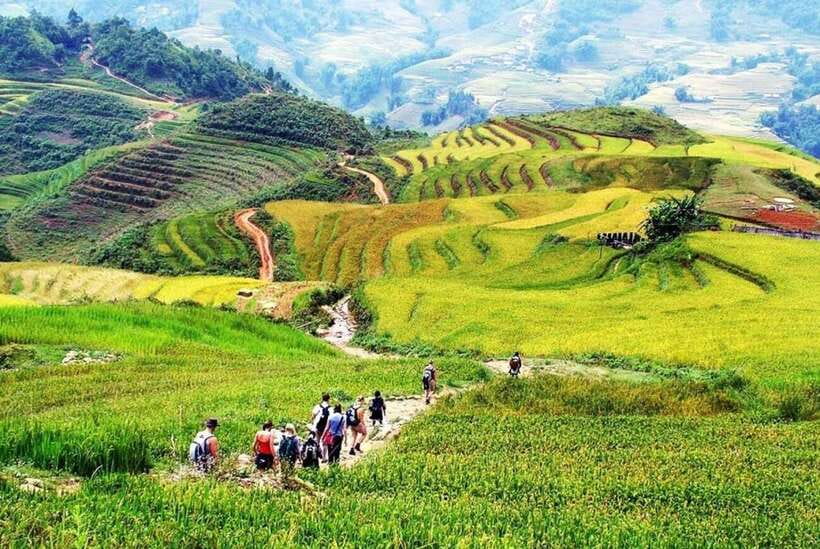
In the later part of the day, you continue to Ta Van Village, home to the Dzay minority. This shift is one of the trek’s best surprises. Different community traditions show up in how people live, how the homes fit into the terrain, and what you’re taught to notice along the way.
By now, you’ve already seen terraces from multiple angles and villages with different rhythms. Ta Van helps you connect the dots: Sapa isn’t a single culture in a pretty valley. It’s a patchwork of communities shaped by mountains, weather, and farming life.
The Trek Back: Finish Time Around 3:30 PM
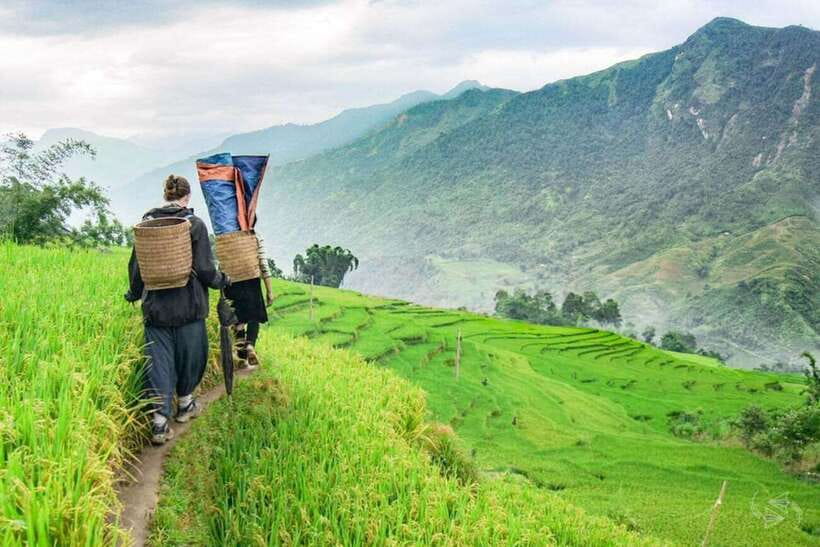
You return to Sapa at around 3:30 PM. At that point, the day is still running on energy from the views, but your body is also reminding you that you walked for hours. The walk ends with you getting back to town, so you can shower, eat again, and decide if you want to do anything else in Sapa the same day.
If you’re planning other activities, leave breathing room. This trek is scenic, yes, but it’s also a real walking day.
Pace, Distance, and Mud: What Your Feet Should Expect
The trek is described as involving 10 to 12 kilometers. In practice, that means you’ll feel the distance even if you’re not hiking mountains all day. It’s also uneven walking. Some stretches can include slippery downhills, and trails can become muddy when it has rained recently.
Here’s the key practical advice I’d give you: plan your footwear and your expectations around mud. People often hire or rent wellies/gumboots for the wetter parts of the route, especially early on. Even when you’re not offered rental on-site, you may find options nearby before the hardest muddy section. Bring socks you don’t mind getting soaked, and wear clothes that can take a beating.
Also watch the timing. Some days start with less visibility due to fog, then clear later. Don’t judge the entire trek by the first viewpoint.
Guide Power: Why English Explanations Change Everything
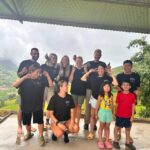
This tour is built around an English-speaking local ethnic guide. You’ll feel the difference when someone can connect the dots between rice terraces, homes, and culture. Many reviews highlight guides like Chai, Vu, and Wu for being attentive, funny, and quick to help with questions and safety.
One reason this matters: group trekking depends on trust. When the ground is slippery, you want someone who keeps pace steady and points out where extra care is needed. Several people also mention local women helping on the trail during the muddy sections. That support makes a difference when your confidence drops halfway down a slick path.
Value for $27: What You’re Really Buying
At $27 per person, this is priced for value, not luxury. You’re paying for a guide, the trail access (entrance tickets), and a full local lunch. That’s a lot of structured time in one day, especially in a place like Sapa where self-guided trips can be harder to navigate safely.
The small-group size—limited to 10 participants—also adds value. Smaller groups spread out more easily on narrow trails, and your guide can actually keep track of everyone’s pace. You still get a shared day, but you’re not getting lost in a crowd.
The only real “cost” you’ll pay beyond the listed price is what you bring for yourself: drinks, snacks, and anything else you choose to buy from villagers.
Who This Trek Is Best For (And Who Should Skip It)
This experience is not suitable for children under 5, pregnant women, people with mobility impairments, wheelchair users, or anyone over 75. Even if you’re older but fit, the walking distance plus uneven ground makes it a tough match.
On the flip side, it suits you if you want a Sapa day that mixes active trekking with real village experiences. You’ll enjoy it most if you like learning through walking—seeing what rice terraces look like from close range and hearing the stories behind what you’re viewing.
If you’re traveling with family, this can still work for older kids and teens, as long as everyone is comfortable with uneven walking and mud. Just be honest about footwear and stamina before you go.
Best Days to Go: Weather, Mist, and Visibility
Sapa weather can change fast, and that affects what you can see from the viewpoint toward Fansipan Peak. Several people report that mornings can be misty or foggy, then visibility improves later in the afternoon.
That doesn’t ruin the trek. Even with reduced views early, village life and terraces are still there. But your best photos and biggest “wow” factor often come when conditions clear, so plan your expectations accordingly.
Should You Book This Sapa Eco Trek?
Book it if you want a day that feels practical and local: terraced fields, Hmong and Dzay village visits, and a meal in a family home that’s part of the route. The small group, the English guide, and the included lunch plus entrance tickets make the $27 price feel fair, especially if you’d otherwise pay separately for food and a guide.
Skip it if you hate mud, you need fully even ground, or you want an easy walk. The early section can be slippery, and the total distance adds up.
If you do book, show up ready: warm layers, hiking shoes, insect repellent, and a willingness to get dirty. And if your guide offers help for wellies/gumboots, take it. Your feet will thank you later.
FAQ
Where does the tour meet?
Your guide meets you in front of Sapa Church.
What time does the trek start?
It starts at 9:00 AM.
How long is the experience?
The total duration is 390 minutes.
How far do you walk?
You’ll walk about 10 to 12 kilometers.
What’s included in the price?
The tour includes a local ethnic English-speaking guide, entrance tickets, and a local lunch.
What’s not included?
Drinks and hotel transfer service are not included. Other personal expenses are also not included.
What language is the tour in?
The tour guide speaks English.
What should I bring?
Bring warm clothing, hiking shoes, and insect repellent.
Is it free to cancel?
Yes. You can cancel up to 24 hours in advance for a full refund.
Who should not book this tour?
It’s not suitable for children under 5, pregnant women, people with mobility impairments, wheelchair users, or people over 75.