REVIEW · ANTIGUA GUATEMALA
From Antigua: Pacaya Volcano Trek
Book on GetYourGuide →Operated by Marvelus Travel · Bookable on GetYourGuide
A volcano hike that feels instantly real. Pacaya delivers red-hot lava views and thick steam without needing to risk the crater. I love how this trip turns a simple day out of Antigua into a proper workout through pine forest toward a smoking volcanic cone.
You’ll also get a guide-led trek that’s built for real group hiking, not just a line of people shuffled uphill. In several runs, guides such as Roberto, Carlos, Jose, and Dario are specifically praised for keeping the pace steady, stopping often, and explaining what you’re seeing.
The only real drawback to plan around: pickup and meeting points can be a little chaotic in Antigua, especially when multiple minivans show up at once with limited signage. If you’re sensitive to delays or you get motion sick on rough roads, you’ll want to come prepared.
In This Review
- Key points worth knowing before you go
- Getting from Antigua to Pacaya: the shared van reality
- The hike up: pine forest, ash sections, and the steep grind
- Summit time: steam baths, no crater access, and real heat
- Marshmallows on volcanic heat: the small moment that works
- What you’ll see from Pacaya: Agua, Fuego, Acatenango, El Salvador
- How steep is it, and where horses fit in?
- Timing and the “moving parts” of the day
- Packing tips: shoes, water, cash, and motion-sickness backup
- Entrance fee and price: why $23 can be a good deal
- Who this Pacaya trek suits (and who should skip it)
- Should you book the Pacaya Volcano Trek from Antigua?
- FAQ
- How long is the Pacaya Volcano trek from Antigua?
- Where does the tour pick up in Antigua?
- What is included in the $23 price?
- What is not included?
- How long is the walk to the summit?
- Can I go into the crater?
- Do you get a guide, and what languages do they speak?
- Is it possible to ride a horse on the volcano?
- Who is the tour not suitable for?
Key points worth knowing before you go
- You’re hiking to the summit for major views (not for crater access)
- Pine forest to ash to sulfur-smoking cone makes the scenery change often
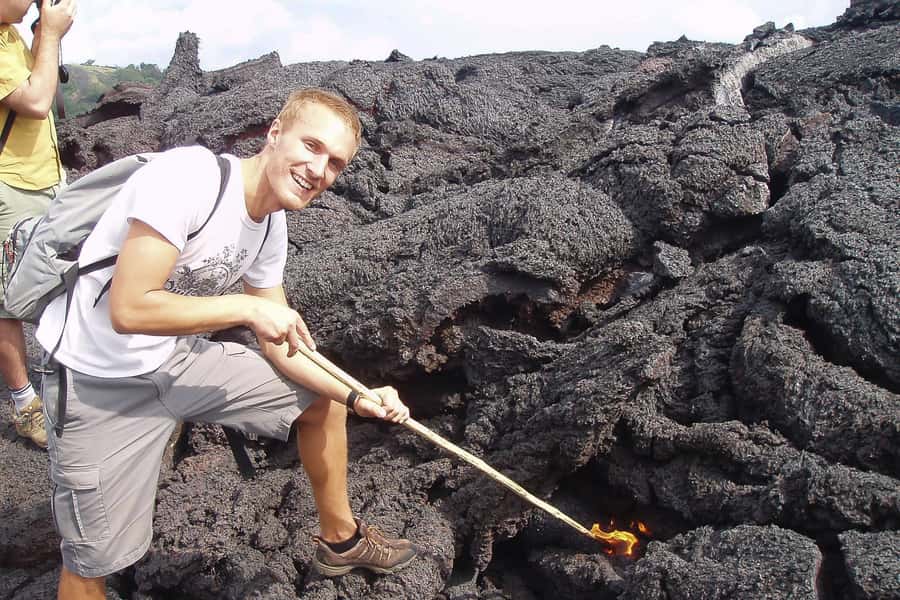
- Steam heat gets used for marshmallows—it’s fun and actually practical
- Guides slow down the group with frequent rest stops and safety checks
- Steep sections are common; horses can be an option when needed
- Weather changes everything—clearer mornings tend to show more volcanoes
Getting from Antigua to Pacaya: the shared van reality
This trek is built around a shared ride out of Antigua into Escuintla Department, where Pacaya sits. You’ll pick up at one of many Antigua hotel locations (there are 17 options), then climb into a shared minivan for roughly an hour to reach the volcano area.
What matters here is the rhythm: the tour doesn’t waste time once you arrive. You get a break and photo time, then you’re basically off on your feet with your local guide. That makes it a good use of time if you want an active morning/afternoon rather than a long, sit-and-watch bus day.
One practical note: Antigua pickup can feel disorganized if multiple transportation teams pull up together. The fix is simple—know your exact pickup stop, arrive early, and keep an eye out for the specific group assigned to your tour. Also, the ride itself can be bumpy and curvy. If you’re the type who gets motion sickness, plan for it.
The hike up: pine forest, ash sections, and the steep grind
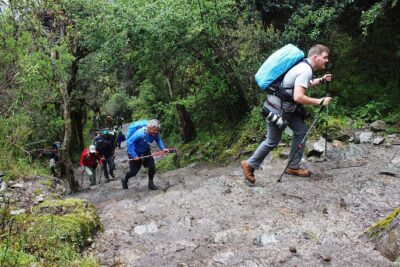
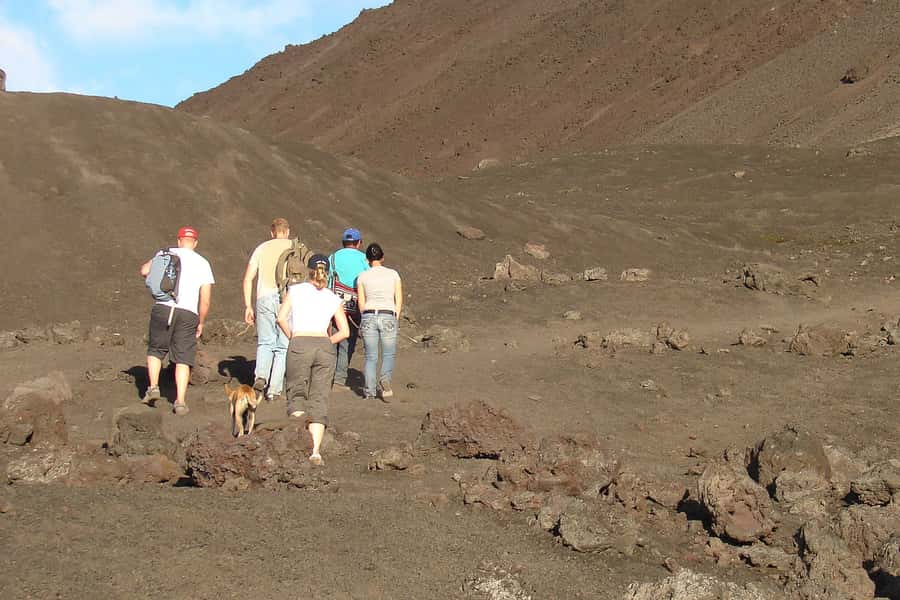
The core of the experience is the hike from Pacaya’s base up toward the summit. Expect about 2 hours walking up—and yes, it’s mostly uphill. The route runs through pine forests first, which is a nice change of pace from the volcanic terrain you’ll see later.
Then the trail turns more volcanic. You’ll pass through volcanic ash and reach sections that feel trickier underfoot. One good thing: guides tend to manage the pace and stop regularly, so the climb is challenging but rarely chaotic. In multiple accounts, pace-control is part of the magic—people with different fitness levels are kept in the loop, not left behind.
Elevation and humidity can also surprise you. One review called out an ascent intensity and elevation around 1,400+ feet of gain, and another noted humidity can be tough. Translation: you don’t need to be a mountaineer, but you should respect the climb like you would any steep half-day hike.
And along the way, there’s an added bonus: if Pacaya is active at that moment, you may catch signs like small eruptions or lava flowing. Even when activity is low, the environment feels alive because you’re still walking through heat and sulfur zones.
Summit time: steam baths, no crater access, and real heat
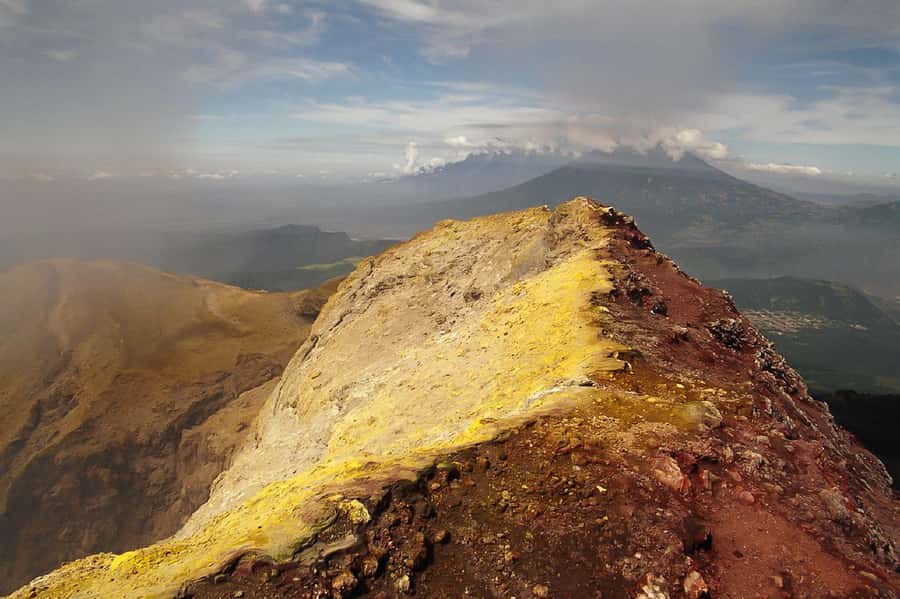
Reaching the summit is where Pacaya stops feeling like a hike and starts feeling like a front-row show. Your route brings you to a sulfur-smoking cone area, and the views open up across multiple volcanoes and out toward the Pacific lowlands.
Safety-wise, don’t expect crater access. The tour is set up so you won’t be able to visit the crater, even though the heat and steam still come through strongly. Instead, you get what most people really came for: the sight and sound of volcanic steam, plus the famous views of red-hot lava flowing when conditions allow.
That “steam bath” feeling isn’t just a cool phrase. You’ll see ground heat shaping the atmosphere, and you’ll literally use that heat for one of the tour’s signature moments (more on that next). It’s also why the summit experience sticks with people—the volcano isn’t just something you look at. It’s something you stand near.
Marshmallows on volcanic heat: the small moment that works
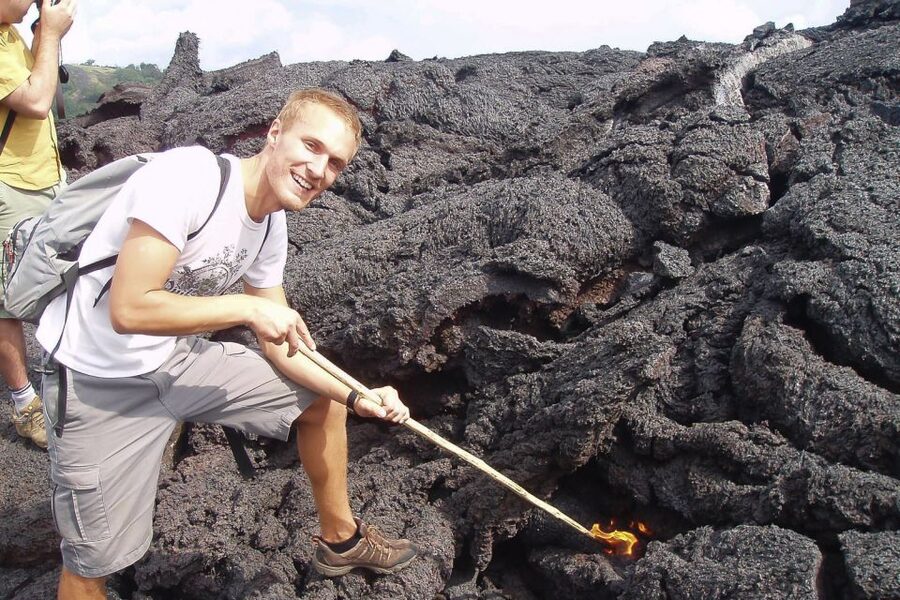
This is one of those tour add-ons that actually lands. Included with your trek are marshmallows to roast using the heat at Pacaya. It’s simple, hands-on, and instantly visual—like watching your snacks become part of the landscape.
Why this is good value: it’s not a gimmick you forget 10 minutes later. You’re doing it at the source, with steam rising nearby and a guide controlling what’s safe and where to stand. One review specifically mentioned warm marshmallows using steam seeping from the ground, which is exactly the kind of detail that makes this feel authentic.
Also, it gives you a natural break without losing the magic of the summit. You’re hiking up, you’re catching views, and then—snack time—so your energy doesn’t crash right before the descent.
If you’re bringing food for a longer outing, keep in mind that food isn’t included. Marshmallows cover the volcanic snack moment, but you’ll still want your own water and plan for meals back in Antigua.
What you’ll see from Pacaya: Agua, Fuego, Acatenango, El Salvador
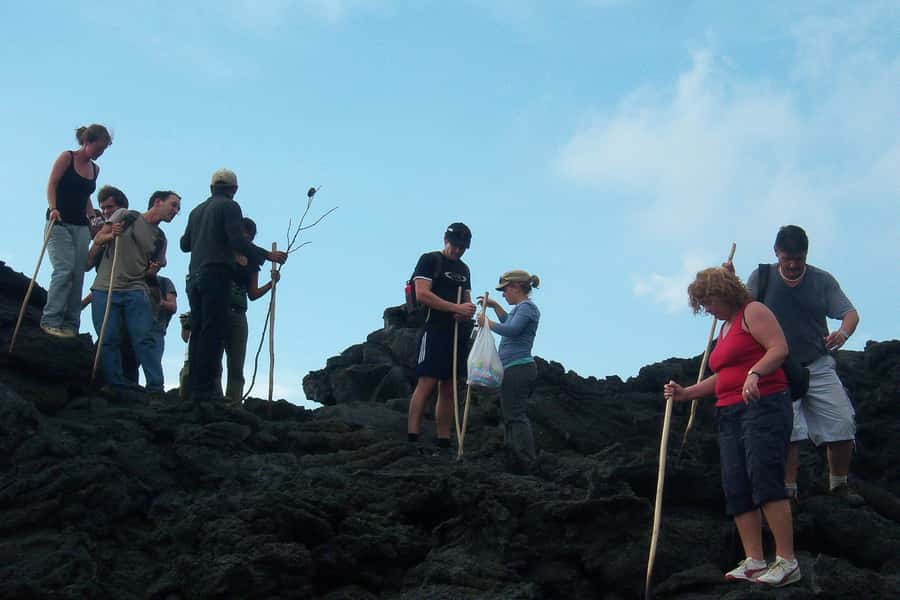
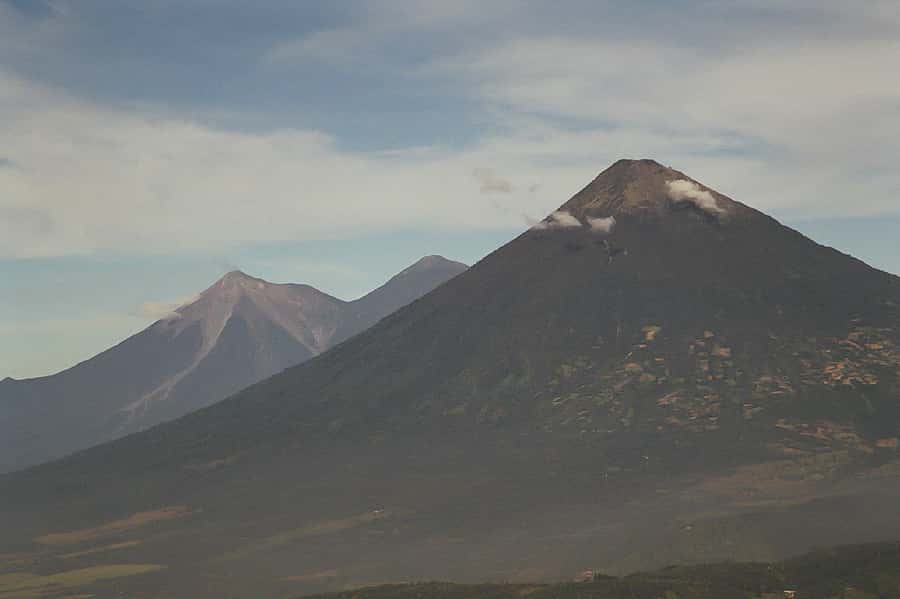
From up high, Pacaya gives you a broad, dramatic viewpoint. On a clear day, you can look toward nearby volcanoes including Agua, Fuego, and Acatenango. You may also see the Pacific lowlands, and in some conditions you can even view as far as El Salvador.
This is where weather plays a big role. Some days you get blue-sky clarity; other days clouds roll in and soften the distance. One traveler noted they hoped for clear skies and chose an earlier option, and the sky did clear enough to reveal the three volcanoes.
So I’d treat this like a forecast-based experience. If your schedule allows it, pick a start time that maximizes daylight and gives you a fair chance of visibility. If clouds show up, don’t panic—the steam, heat, and summit viewpoint are still memorable. But your horizon line is what changes most.
How steep is it, and where horses fit in?
Let’s be honest: this hike is steep enough that it can feel hard even if you’re reasonably fit. Multiple accounts describe it as medium to hard, with some saying it’s close to an 80–90% incline in stretches. The good news is that the guides manage group pace and include frequent breaks—so the hike becomes a sequence of efforts rather than one relentless wall.
You also have options if you need them. Horses are available from local providers for an added fee (one review stated 100 QTZ one way). Some people ride part of the way up, then walk down because the descent feels easier on the knees for them.
A heads-up from real-world experience: horse and stick sellers can be persistent while you’re on the mountain. If you don’t want a horse, just be firm early and keep moving. The rest of the hike experience tends to be worth it either way, especially once you hit the summit views.
If you’re deciding whether to walk or ride, use this rule of thumb: if you can handle steady uphill hiking for about an hour, walking is usually doable with rest stops. If you know steep declines aggravate you, riding up can still be a good compromise.
Timing and the “moving parts” of the day
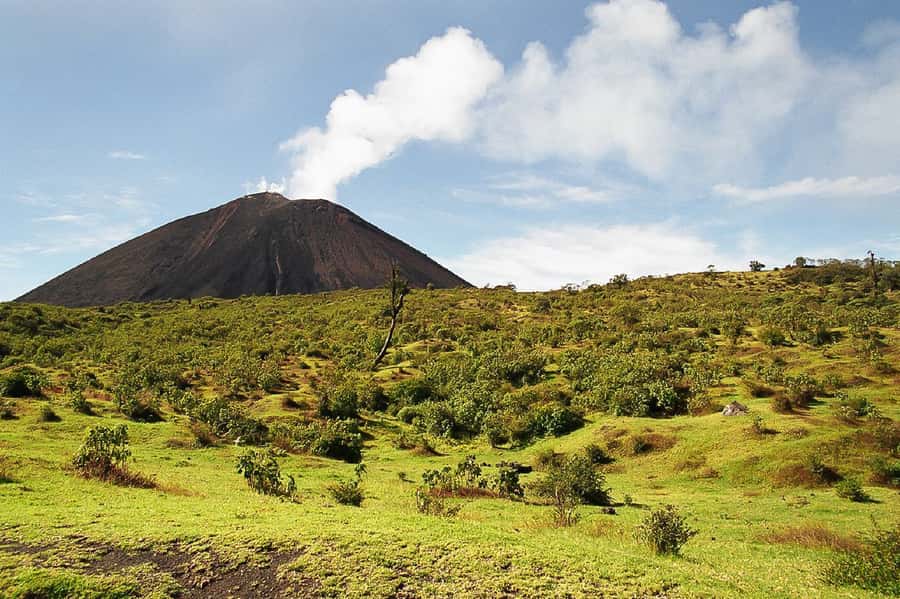
Your tour is listed at 6 hours total, and it includes hotel pickup/drop-off plus return van time. On the volcano itself, you’re looking at several hours that blend climbing, short breaks, photo stops, guided interpretation, and descent.
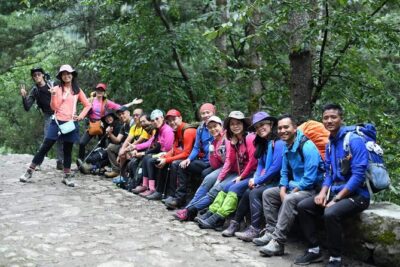
The key is that the schedule isn’t just marketing time. Reviews repeatedly highlight that the group goes at a pace that matches different fitness levels, with breaks commonly described around every 15–20 minutes. Sometimes there are even two guides—one at the front and one at the back—which helps keep the slower walkers from being swallowed by faster hikers.
One more timing consideration: shared pickup means you might not depart exactly at your assigned moment. A couple of reviews noted later pickup than expected or a coffee-shop stop to wait for additional passengers. That’s normal with group minivans, but it’s still worth building in some patience.
If you’re the type who likes to plan your afternoon tightly, keep your next reservation flexible.
Packing tips: shoes, water, cash, and motion-sickness backup
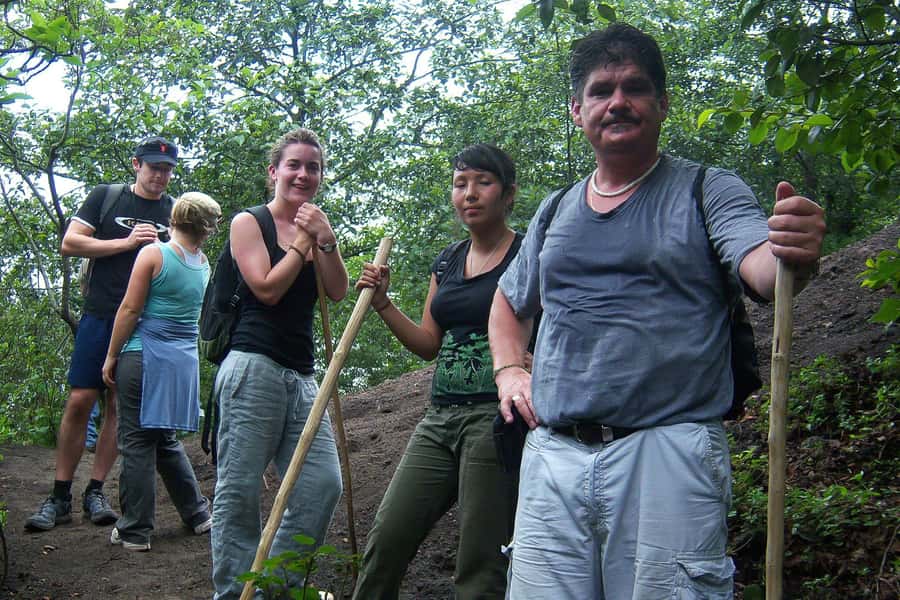
For a volcanic hike, the basics matter. Bring:
- Comfortable shoes with grip (you’re on ash and steep sections)
- Water (enough for your hike; one review wished water were available at the top, but it isn’t guaranteed)
- Cash for the entrance fee and any extras like horses
- Sunglasses and a sun hat (even when it’s not blazing)
- A camera (summit views are the reward)
If you’re prone to motion sickness, consider a precaution like Dramamine, because the ride can involve bumps and sharp turns. Bug spray was also recommended by at least one reviewer, and it’s an easy thing to pack without regret.
And if you end up on a later start or your descent gets darker, a headlamp might be a smart backup. One review specifically mentioned descending in the dark during an afternoon schedule.
Entrance fee and price: why $23 can be a good deal
The tour price is $23 per person, and it includes a lot of what you’d otherwise pay for separately: hotel pickup and drop-off, the guide, and the round trip connection between Antigua and the volcano area. It also includes marshmallows to roast.
Two costs to note:
- Entrance fee is not included and is listed as Q 100.00 per person
- Food is not included
So the real question becomes value, not just price. For $23, you’re mostly paying for transportation + guided safety + the organized hike. The entrance fee is the only obvious add-on, and marshmallows are a fun included touch that makes the summit time feel like an event.
In practice, this is a good choice if you want the Pacaya experience without hiring a private guide or paying for a more complex tour structure. If you’re already budgeting for guides and transport in Guatemala, this price typically feels fair for what you get.
Who this Pacaya trek suits (and who should skip it)
This trek is a strong match for hikers who like steep, active days and want big volcanic views without crater access. It also suits groups of mixed fitness levels because the pace is managed and breaks are built in.
It’s also ideal if you want the unique Pacaya experience: steam heat, sulfur zones, roasting marshmallows, and the chance to see lava when activity lines up with your timing.
Not suitable for:
- Pregnant women
- People with mobility impairments
- Children under 4
- Adults over 80
- Anyone traveling with pets (not allowed)
- Anyone planning alcohol or drugs (not allowed)
If any of those apply to you, it’s better to pick a different Guatemala experience that’s safer and less physically demanding.
Should you book the Pacaya Volcano Trek from Antigua?
Book it if you want a memorable Guatemala day that blends real volcano sights, a guided route, and a fun hands-on moment with marshmallows. The guides—often named Roberto, Carlos, Jose, and Dario in different runs—are repeatedly praised for patient pacing and clear care, and that matters on a steep hike.
Skip it if you strongly dislike steep climbs, you can’t handle uneven volcanic ash terrain, or you need full crater access (this tour doesn’t do that). Also, if pickup logistics stress you out, plan extra time around Antigua pickup points.
My final take: Pacaya is one of those hikes where you feel the value quickly. You spend the day moving through pine forest into volcanic heat, then you’re rewarded with wide views and steaming, lava-adjacent atmosphere. If you’re ready for effort, it’s a great use of your time in Antigua.
FAQ
How long is the Pacaya Volcano trek from Antigua?
The total tour duration is listed as 6 hours, including pickup, transport, and the guided hike.
Where does the tour pick up in Antigua?
Pickup is available at one of 17 listed locations in Antigua, and you’ll wait in your hotel lobby (or in front of a coffee place) at the scheduled time.
What is included in the $23 price?
The price includes hotel pickup and drop-off, local guide, round-trip Antigua to San Vicente transfer, and marshmallows to roast on the volcano.
What is not included?
The entrance fee is not included (listed as Q 100.00 per person), and food is not included.
How long is the walk to the summit?
You’ll walk for about 2 hours to reach the summit from the base.
Can I go into the crater?
No. For safety reasons, you cannot visit the crater.
Do you get a guide, and what languages do they speak?
Yes, you’ll hike with a local guide. The guide is listed as available in English and Spanish.
Is it possible to ride a horse on the volcano?
Horses are available as an option from locals if you need help with the steep parts. One review cited a cost of 100 QTZ one way.
Who is the tour not suitable for?
The tour states it is not allowed for people below age 4 or above age 80 for safety, and it is not suitable for pregnant women or people with mobility impairments.