REVIEW · KATHMANDU
Goisankunda, Trek of the Holy Lakes
Book on Viator →Operated by Flyeast Nepal · Bookable on Viator
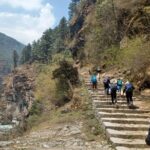
High passes, quiet lake mornings. The Goisankunda / Gosaikunda trek is a classic Nepal high-altitude walk where you trade Kathmandu traffic for daily footpaths, with a private jeep drive to the trailhead. I like that the trip includes the permit and the hard parts of trip planning like guide, meals, and basic lodging, so you can focus on the mountains. One consideration: you hike every day for about five days straight, and the big elevation climb toward the lake area at roughly 4390 m means you’ll want solid moderate fitness and a steady pace.
I also appreciate how Flyeast Nepal’s team shows up in the small details—communication and support—so the experience feels organized rather than chaotic. In particular, Abhi and Roshan are mentioned for quick, helpful coordination, while porter guide Ram is repeatedly praised for taking care of what people need along the way. That support matters because this route is more about consistency than sprinting.
Finally, this is a private group trek with a maximum group size of 14, starting at 7:15 am on day one. The upside is flexibility for your group; the tradeoff is you should come ready to walk daily, not just collect photos.
In This Review
- Key Points I’d Plan Around Before You Go
- Trekking To Gosainkunda: What 7 Days Really Means for Your Body
- Dhunche (1900 m) to Chandanbari (3330 m): Finding Your Trek Tempo Fast
- Chandanbari (3330 m) to Gosainkunda (4390 m): The Lake Area Push
- Gosainkunda (Lake Area) to Ghopte (3530 m): Coming Down Without Losing Steam
- Ghopte (3530 m) to Kutumsang (2470 m): A Big Drop and a New Pace
- Kutumsang (2470 m) to Chisapani (2215 m): Staying Active While You Wind Down
- Chisapani (2215 m) to Sundarijal (1460 m) and Back to Kathmandu: The Finish Line
- Price and Value: Is $555 Reasonable for This Trek?
- Food, Lodges, and the Comfort Level You Should Expect
- Getting Support in the Details: Guides and the Team Vibe
- Who This Trek Suits Best (and Who Should Reconsider)
- Should You Book This Goisankunda Holy Lakes Trek?
- FAQ
- What time does the trek start?
- How long is the Goisankunda trek?
- Where does the trek start and end?
- What’s the highest altitude on the route?
- What’s included in the $555 per person price?
- Are meals included every day?
- Is there a vegetarian option?
- Are beverages included?
- What’s the cancellation window?
- How big is the group for a private tour?
Key Points I’d Plan Around Before You Go
- A real 5-day hiking run: you’re moving village-to-village for five days, with only the first and last days by road.
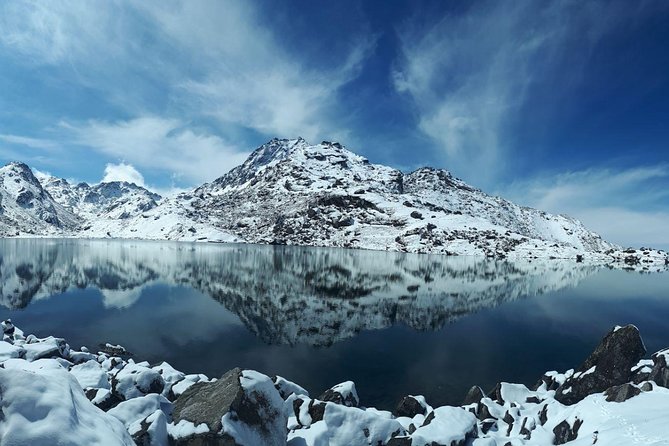
- Lake-area high point around 4390 m: plan for thinner air and slower steps, especially on the push to Gosainkunda.
- Tea-house / lodge lodging: expect simple stays, not hotel comfort, and plan your packing around that.
- Meals reduce decision fatigue: you get three meals a day on trek plus a breakfast, with vegetarian available if you request it.
- Your trek includes core logistics: guide, permits, jeep transfers, and fuel surcharge are handled, so you’re not scrambling mid-route.
Trekking To Gosainkunda: What 7 Days Really Means for Your Body
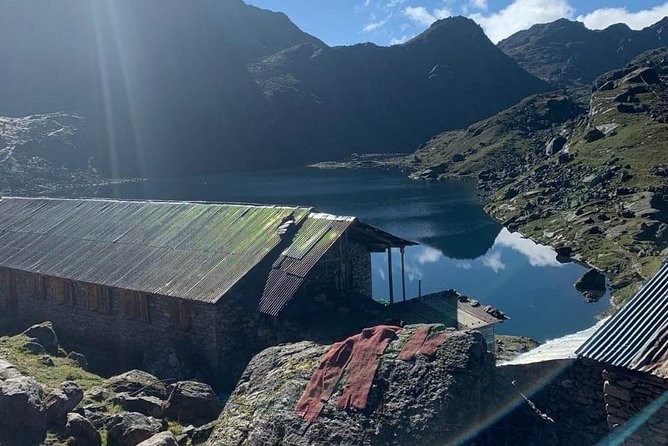
This is a route built for steady hiking, not “one big day and you’re done.” You drive to Dhunche on day one (around 1900 m), then you hike daily for about five days, and on the final day you work your way down toward Sundarijal (around 1460 m) before driving back to Kathmandu.
That rhythm is exactly why I think it’s a good choice for people who want structure. Each day has a goal and a place to sleep, which helps you pace yourself. But it also means there’s no full recovery day in the middle, so you’ll feel altitude and leg fatigue more than once.
If you’re the type who likes to know what’s coming—how long you’ll be on your feet—this trip fits well. If you’re hoping to hop around only when the views are great, you might find five consecutive trekking days demanding.
You can also read our reviews of more tours and experiences in Kathmandu.
Dhunche (1900 m) to Chandanbari (3330 m): Finding Your Trek Tempo Fast
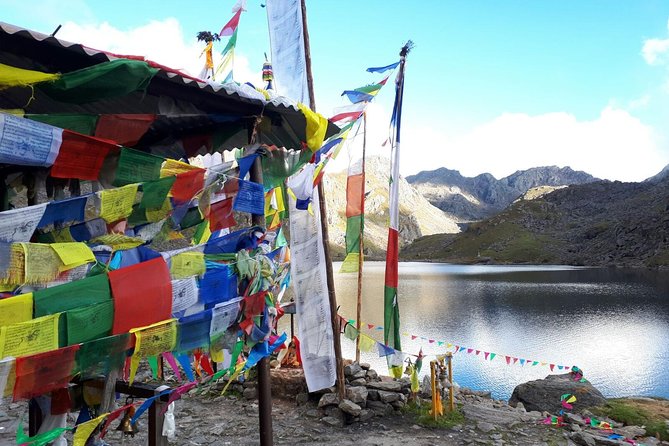
Day one is mostly about getting set up. You drive to Dhunche, which is high enough to make day two feel like day two of a real trek, not a casual warm-up. You start the walking work the next morning by heading to Chandanbari at about 3330 m.
What I like about this first hiking day is the way it gets your breathing tuned before the biggest elevation challenges. The climb is meaningful, but it’s early enough that you can settle into a pace and learn how your body handles the air. Your guide’s job here is crucial—staying efficient with stops and pacing so you don’t burn out too early.
A drawback to keep in mind: that early elevation gain can feel sharp if you start too fast. Even if you’re fit, going uphill at “normal walking speed” won’t feel normal. Plan on slow, steady steps.
Chandanbari (3330 m) to Gosainkunda (4390 m): The Lake Area Push
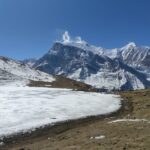
Day three is the heart of the trek: you go from Chandanbari to Gosainkunda, reaching around 4390 m in the lake area. This is the day where you’ll notice altitude most, and it’s usually the day where good pacing matters more than anything else.
The value here isn’t just the destination. You’re climbing into a different zone—colder, thinner air, and a landscape that changes the way you move. When you finally reach the lake area, that sense of arrival feels earned because you’ve been working for it all day.
One practical consideration: this is also when small decisions count. Don’t underestimate warm layers, don’t plan to eat a huge meal right before the hardest stretch, and don’t ignore a headache or unusual fatigue. The guide and trek support included with your booking are there to help you manage the day responsibly.
Gosainkunda (Lake Area) to Ghopte (3530 m): Coming Down Without Losing Steam
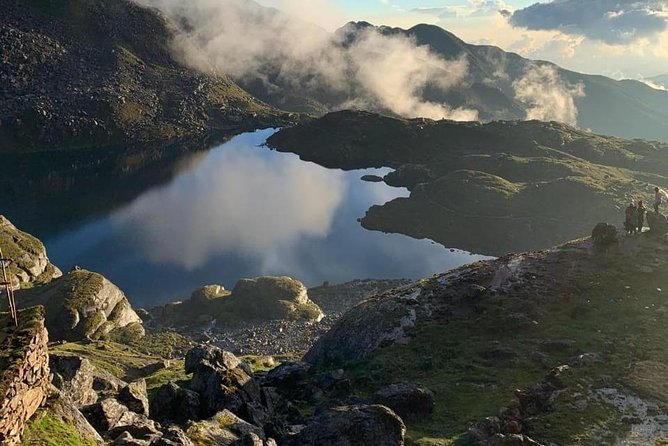
After the high point, you head to Ghopte at about 3530 m on day four. This day can feel like a transition: you’re still hiking, but you’re not at the extreme altitude of the lake-area push.
I like day four because it’s where you start to regain rhythm. You’re not automatically “done,” but the route often becomes more forgiving mentally because you know the hardest altitude work is already behind you. It’s a good day to focus on steady footing and clean breathing.
Still, don’t treat it as easy. “Lower” doesn’t mean comfortable, and your legs will still be carrying yesterday’s climb. If you go too hard on day four, you may pay for it on day five.
Ghopte (3530 m) to Kutumsang (2470 m): A Big Drop and a New Pace
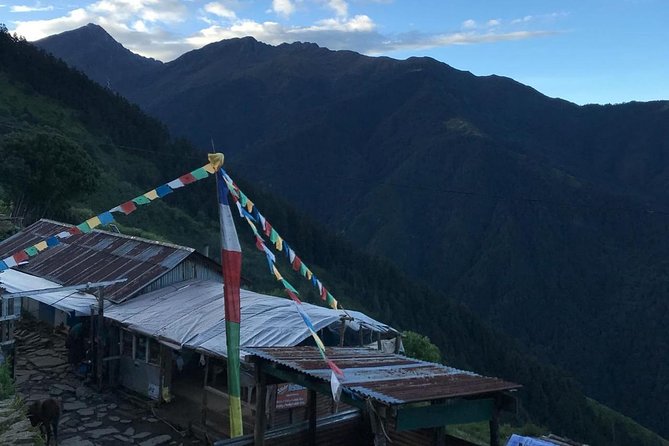
Day five drops you to Kutumsang at around 2470 m. That change in altitude can feel like a gift, especially after reaching the lake area. You may find your breathing improves and your walking feels less heavy.
This is also a day where your mind often shifts from effort to recovery. Use it for that. Eat well at the scheduled meals, keep snacks handy if you have them, and don’t forget to take short breaks to loosen up.
The tradeoff? A big descent can stress knees and calves. Even if the air feels better, your body still needs time to adjust to downhill mechanics. A guide can help you manage step timing and footing, which makes the difference between a “good day” and a “leg day you remember.”
Kutumsang (2470 m) to Chisapani (2215 m): Staying Active While You Wind Down
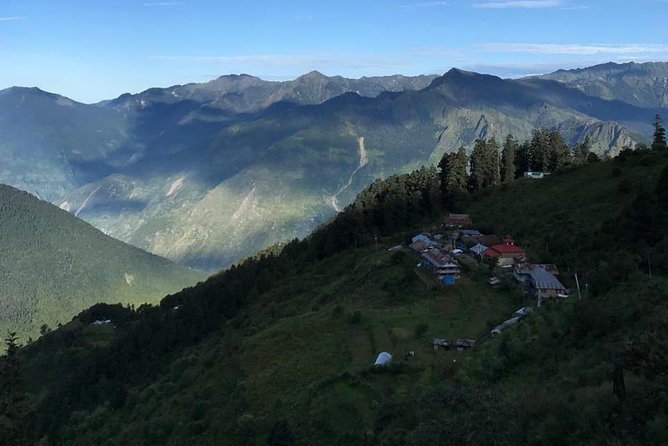
Day six takes you to Chisapani at about 2215 m. By now, you’re moving into a lower-altitude rhythm, but it’s not a free day. You still hike, and the accumulated fatigue from the whole week is real.
I think this day is where many people decide how the trek feels overall: rewarding and steady, or tiring and slow. If you’ve paced well earlier, day six often feels manageable. If you went too fast on the climbs, this is where that choice shows up.
It’s a good day to keep expectations realistic. You’ll want to enjoy the scenery, but you also want to finish strong—because day seven includes more hiking before your drive back to Kathmandu.
Chisapani (2215 m) to Sundarijal (1460 m) and Back to Kathmandu: The Finish Line
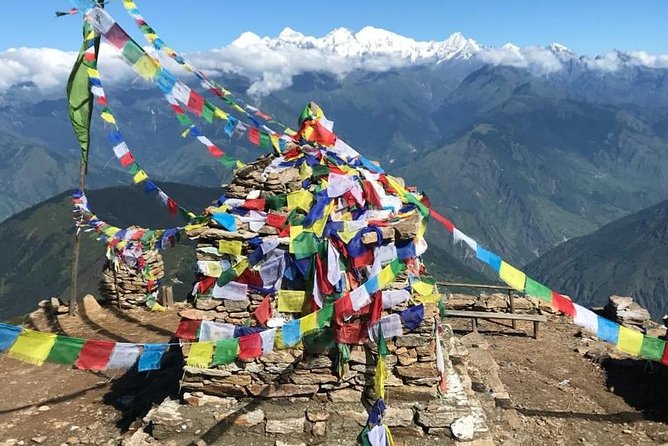
On day seven, you trek down to Sundarijal at about 1460 m and then drive to Kathmandu. This is the wind-down day: lower altitude, finishing legs, and the reward of getting back to city comfort after a week of simple lodging and fresh air.
I like the structure of ending like this. You don’t just stop moving at the high point—you slowly return, which helps your body adjust. Then the jeep transfer closes the loop, so you’re not stuck figuring out last-mile transport.
Even though it’s a lower day, treat it like a real hike. Last days are where people try to “make it quick,” and that’s how ankle twists and knee pain happen.
Price and Value: Is $555 Reasonable for This Trek?
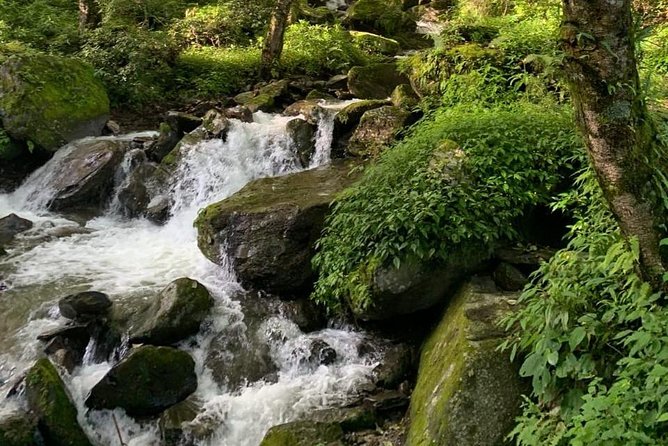
At $555 per person, you’re paying for more than walking through mountains. Your package includes a private jeep to Dhunche and a drive back from Sundarijal, an experienced guide, trek permits, and tea-house or lodge accommodation during the trek.
It also includes food: three meals a day while on trek plus your breakfast, with one item from the menu at meals. There’s fuel surcharge included as well. When you add up guide time, lodging on multi-day trek, and permit handling, that $555 starts to look less like a random price tag and more like a bundled logistics solution.
What’s not included matters, too. Hotels in Kathmandu, any activities there, personal insurance, and beverages aren’t part of the price. Tips are also not included. If you drink bottled water or other drinks regularly, budget for that—your costs can creep up fast when beverages aren’t covered.
Overall, I think this is good value if you want a guided, organized trek without micromanaging logistics. If you’re the kind of traveler who enjoys arranging everything day-by-day, you might find cheaper DIY options elsewhere, but you’d trade away the convenience and planning support.
Food, Lodges, and the Comfort Level You Should Expect
Your meals are scheduled and included, with vegetarian options available if you request them at booking. That’s a big plus for people who don’t want to gamble on food choices after a long hike.
Stays are tea houses or lodges, which usually means simple rooms and basic comfort. The goal here isn’t luxury—it’s warmth, a place to sleep, and a chance to eat and recover. Bring the mindset that you’re traveling light and living practically.
One small but important note: beverages of any sort aren’t included. So if you like tea, coffee, or other drinks during breaks, plan to buy them yourself.
If you have dietary needs, tell the operator when you book. Your package notes that you should advise specific dietary requirements at booking, and that’s the right time to do it—before you’re halfway up the route and trying to figure out what’s possible.
Getting Support in the Details: Guides and the Team Vibe
The included service is an experienced guide, and the way the trek is set up suggests the guide is meant to handle route flow, pacing, and basic decision-making. That matters because your days are long and the altitude is real.
One of the most praised parts from the Flyeast Nepal experience is how the team supports you beyond the obvious. Abhi and Roshan show up as fast coordinators when people are organizing trek plans. Porter guide Ram is repeatedly highlighted for being helpful and attentive, taking care of what people need.
That kind of support can make a difference on days where you’re tired and you just want everything to work: the right schedule, the right order of stops, and no guessing about what comes next.
Who This Trek Suits Best (and Who Should Reconsider)
This trek fits best if you have moderate physical fitness and you’re comfortable hiking daily for about five days. The schedule is consistent, the pacing depends on your guide, and the main challenge is the combination of elevation and continuous effort.
If you’re someone who enjoys a plan—daily destinations, predictable meals, guided logistics—this style will feel satisfying. You’ll likely like how the trip removes decision stress: permits are included, accommodation is lined up, and food is handled.
If you’re worried about long days with no real rest day, you might find it too much. Similarly, if altitude makes you anxious, you’ll want to think carefully and be honest with yourself about your ability to move steadily rather than “push for speed.”
Should You Book This Goisankunda Holy Lakes Trek?
I’d recommend booking if you want an organized, guided trek with the core logistics handled: private jeep transfers, permit coverage, meals, and tea-house/lodge lodging over a seven-day loop. The $555 price is especially fair when you factor in that it includes daily food and a guide, not just a map and a suggestion.
Book with confidence if you want to enjoy the high point at Gosainkunda and also enjoy the build-up, not just the finish. The route’s step-by-step descent back toward Sundarijal makes the whole experience feel like a full trek, not a one-day challenge.
Don’t book yet if you’re hoping for a low-effort experience. This one is for people who can walk every day for five days and take altitude seriously. If that’s you, you’re set up for a strong trip.
FAQ
What time does the trek start?
Your start time is 7:15 am.
How long is the Goisankunda trek?
It’s about 7 days.
Where does the trek start and end?
You drive to Dhunche on day one and end by trekking to Sundarijal and then driving back to Kathmandu on day seven.
What’s the highest altitude on the route?
The route reaches about 4390 m at the Gosainkunda lake area.
What’s included in the $555 per person price?
The package includes a private jeep to Dhunche and drive back from Sundarijal, 1 experienced guide, trek permit, accommodation in tea house/lodge during the trek, and food (three meals a day with one item from the menu) plus breakfast. Fuel surcharge is also included.
Are meals included every day?
Yes, meals are included during the trek, with three meals a day plus breakfast listed in the inclusions.
Is there a vegetarian option?
Yes, a vegetarian option is available. You should request it at the time of booking, along with any dietary requirements.
Are beverages included?
No, beverages of any sort are not included.
What’s the cancellation window?
Free cancellation is available. You can cancel up to 24 hours in advance of the experience’s start time for a full refund.
How big is the group for a private tour?
It’s a private tour for your group only, with a minimum of 2 people per booking and a maximum of 14.