REVIEW · KATHMANDU
8 Days Private Guided Trekking in Annapurna Circuit with Pickup
Book on Viator →Operated by Bold Himalaya Treks and Travels Pvt Ltd · Bookable on Viator
8 days in the Annapurna region passes fast. This private guided trek strings together real mountain travel with hands-on logistics, from the drive into Besisahar to the big crossing at Thorong La (5416m), plus time in Manang for altitude breathing space.
I especially like the way the guides keep things organized without turning your day into a checklist. In the field, guides such as Sobit and Sirjan are praised for humor and local knowledge, while Garap and others are noted for adjusting pacing and even equipment so you can keep moving steadily.
One consideration: you are going over Thorong La, so the trek expects moderate fitness and an early, disciplined start—great if you’re ready for altitude, less so if you want a slow, low-stress walk.
In This Review
- Quick Hits Before You Go
- The Route You’ll Be Trekking: Annapurna Circuit, the Practical Way
- Price and Logistics: What the $260 Covers (and Why It’s Not Just a Discount)
- Day-By-Day: From Besisahar to Thorong La and Down to Pokhara
- Day 1: Drive to Besisahar, then Jeep to Chame
- Day 2: Into Pisang Country via Dhikur Pokhari
- Day 3: Ngawal Views to Manang
- Day 4: Manang Rest Day, Plus an Optional Hike to Gangapurna Lake
- Day 5: Alpine Climb to Yak Kharka
- Day 6: Yak Kharka to Thorong High Camp (4450m)
- Day 7: Thorong La Pass (5416m), Then to Muktinath and Jomsom
- Day 8: Jeep Ride to Pokhara
- What Makes the Guidance Feel Different (and Why It Matters at Altitude)
- Acclimatization Strategy: The Real Reason Manang Isn’t Optional
- Gear and Comfort: Small Inclusions That Save Money and Stress
- What’s Not Included: The Budget Items You Should Plan For
- Sustainability and Culture: Walking Through Real Communities
- Who This Trek Fits Best
- Should You Book This Annapurna Circuit Trek?
- FAQ
- How long is the Annapurna Circuit trek?
- What is the price per person?
- Is pickup available?
- Is this a private tour?
- What permits are included?
- Are trekking poles or a sleeping bag included?
- What kind of transportation is included?
- Are meals included?
- Is travel insurance included?
- What should you bring extra, since some things aren’t included?
Quick Hits Before You Go
- Private group trekking: only your group participates, so you’re not sharing the experience with random strangers.
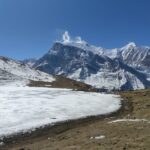
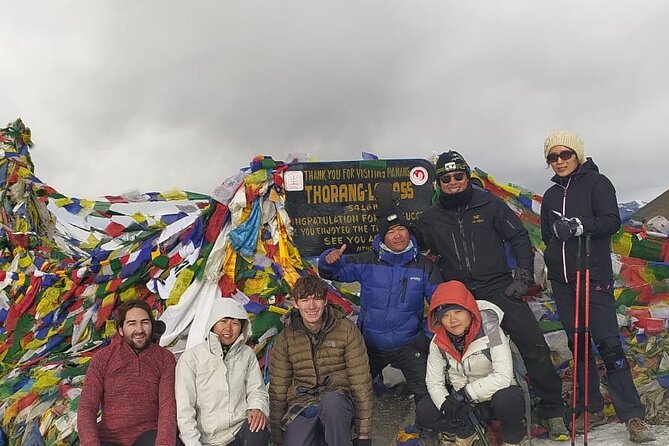
- Thorong La day is the headline: early ascent to 5416m, then a long day transition toward Jomsom.
- Permits are handled: Annapurna Conservation Area permit and TIMS card are included.
- Gear support is practical: trekking poles and a sleeping bag are included if you need them.
- Manang gives you a true acclimatization window: a full rest day plus optional hiking.
- Guides focus on more than routes: support with altitude struggles is specifically mentioned by guests, and food/accommodation/transport are organized well.
The Route You’ll Be Trekking: Annapurna Circuit, the Practical Way
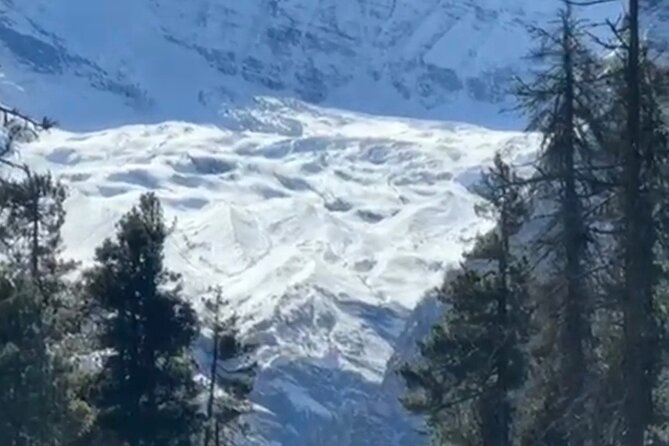
The Annapurna Circuit is famous for a reason. You don’t just walk through one type of scenery—you shift altitude, weather, and culture as you climb. This 8-day version is built for people who want the circuit’s highlights without stretching into a longer, slower marathon.
The itinerary also tries to respect how altitude actually works. You start lower, climb gradually, and then slow down in Manang. That matters because your body needs time to adapt. If you’re the sort of traveler who likes knowing what the day demands before you reach the trailhead, this kind of pacing will feel reassuring.
You can also read our reviews of more tours and experiences in Kathmandu.
Price and Logistics: What the $260 Covers (and Why It’s Not Just a Discount)
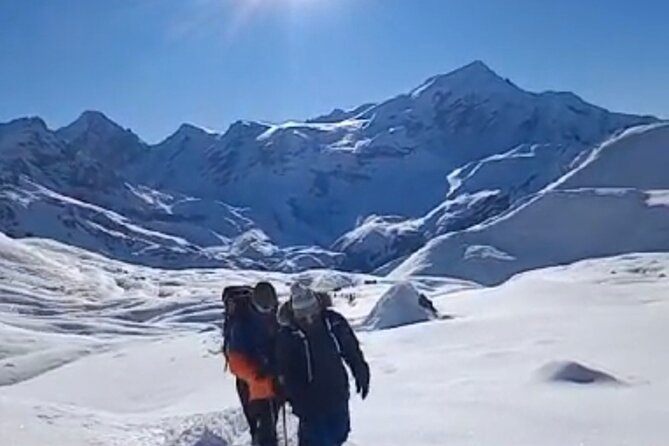
At $260 per person, the key value is what’s already built into the plan. You’re not paying separately for the two main essentials that often add surprise costs on Nepal treks: the Annapurna Conservation Area permit and the TIMS card. Those inclusions alone help the budget feel cleaner.
The package also covers a full set of daily fuel costs for your trek: meals (breakfast and lunch plus 7 dinners), plus guide support including insurance, salary, food, and accommodation. There’s also a role for first-aid medicine, and you even get a trip certificate at the end—small, but it’s nice when you’re trying to document a demanding journey.
Most importantly, the logistics aren’t vague. You have shared transportation in key sections (Kathmandu side to Besisahar/Chame by jeep, and Jomsom to Pokhara), gear support if you need it, and help coordinating where you sleep and what you eat each day.
Day-By-Day: From Besisahar to Thorong La and Down to Pokhara
Below is the “feel” of each day, what you’ll likely experience, and what to watch for. I’ll keep it practical: the point isn’t just where you go, it’s how the day works.
Day 1: Drive to Besisahar, then Jeep to Chame
You’ll drive toward Besisahar, then continue by jeep up to Chame. This is a good day to treat as setup time: hydrate, eat properly, and use the quiet moments to check your kit (especially shoes, socks, and water plan).
The trekking portion starts the next day, so today is about positioning and settling into your rhythm.
Day 2: Into Pisang Country via Dhikur Pokhari
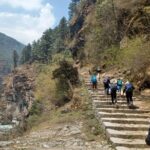
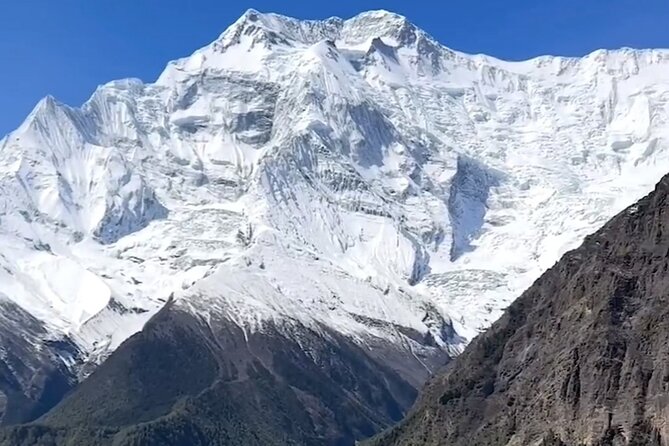
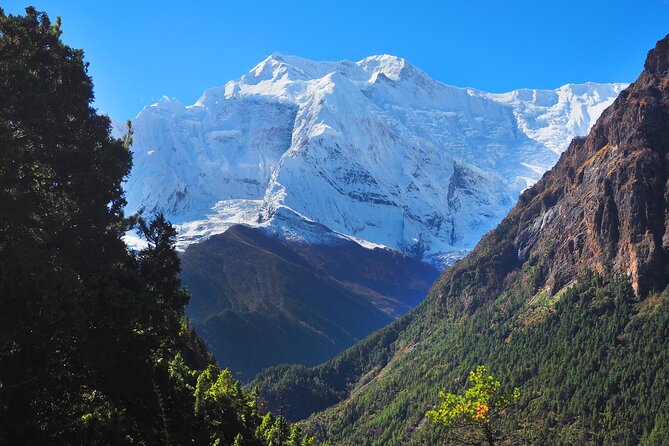
You trek through dense forest with big views of Annapurna II. You’ll pass Dhikupokhaari village, then move toward Lower Pisang and climb up to Upper Pisang, where you sleep.
This is the kind of day that builds confidence. It’s active, but it doesn’t throw you straight into the highest zones. If you tend to overpack with energy early on, this is the day to pace yourself and save your legs for Manang and the days after.
Day 3: Ngawal Views to Manang
Today includes a trek to Ngawal, with standout views of the Annapurna range, then onward to Manang. By the time you reach Manang, you’re set up for the important work: acclimatization and regrouping.
This is a day where your guide’s pacing can make or break your comfort. People highlight that guides like Garap adjust pacing (and even equipment) so you don’t burn out too early.
Day 4: Manang Rest Day, Plus an Optional Hike to Gangapurna Lake
You get a rest day in Manang—exactly what you want at this stage. You also have an optional hike to Gangapurna Lake, which can be a great way to stay active without pushing too hard.
Think of this day as your altitude insurance. If you skip it, you’ll feel it later. If you do it right, you’re giving your body a chance to handle the pass ahead.
Day 5: Alpine Climb to Yak Kharka
You’ll ascend through higher terrain, passing Letdar, then reach Yak Kharka for the night. This is where the trail starts to feel more “high and airy,” and your breathing might work differently.
On a day like this, slow steps win. Even if your legs feel strong, the air won’t. A good guide will keep the pace steady and realistic.
Day 6: Yak Kharka to Thorong High Camp (4450m)
This is your key stepping-stone day: you trek from Yak Kharka to Thorong High Camp (4450m), which sets you up for the pass. The focus here is preparation—mentally and physically.
Expect an early focus on hydration, and expect your sleep to be lighter than normal due to altitude. You’re not trying to “conquer” the day; you’re trying to arrive ready.
Day 7: Thorong La Pass (5416m), Then to Muktinath and Jomsom
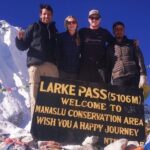
You start early and climb to Thorong La (5416m). Then you descend toward Thorong Phedi, reach Muktinath (around 3800m), and continue onward by drive to Jomsom.
This day blends the hardest altitude effort with the cultural payoff. The trip overview also notes paying homage at the sacred Lord Vishnu Temple, which fits naturally with the spiritual stops in the Muktinath area.
It’s a long day. Your legs will feel it—this is where your guide’s support and altitude awareness really matter, and guests have specifically mentioned help when altitude symptoms show up.
Day 8: Jeep Ride to Pokhara
You go from Jomsom to Pokhara by jeep. This is a nice change after trekking: less effort, more scenery, and a smooth way to shift from mountain mode to lakeside decompression.
Pokhara’s arrival day is where you’ll want a good meal, warm shower if available, and time to sort gear before your next plan.
What Makes the Guidance Feel Different (and Why It Matters at Altitude)
A good trek guide isn’t only a walking GPS. On this route, guidance becomes safety support, pace management, and morale.
The experience here is repeatedly described as well organized, with guides handling food, accommodation, and transportation so you can focus on moving. Several named guides come up—Sobit, Sirjan (and Sirgan in one note), Garap, Bijay, and Ramesh—and the common thread is practical care plus humor.
That combination matters more than you might think. Altitude fatigue can shrink your patience. Humor and calm problem-solving help you keep making smart choices: slow down, drink, rest, and speak up early if you feel off.
Acclimatization Strategy: The Real Reason Manang Isn’t Optional
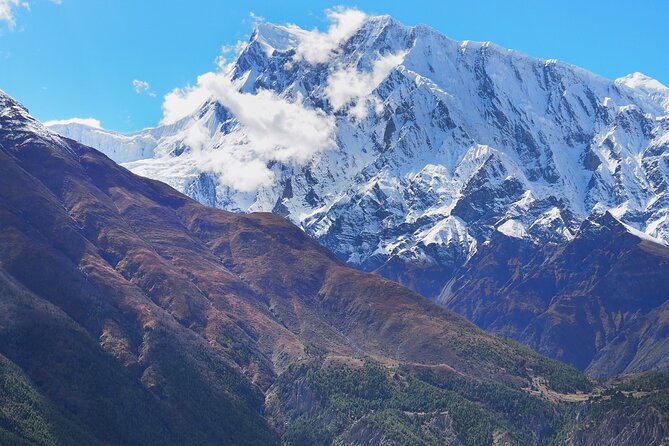
This trek includes a full rest day in Manang. You also have an optional hike to Gangapurna Lake, which gives you movement while still keeping recovery a priority.
This is the part of the Annapurna Circuit where you can protect yourself without being overly cautious. If you treat Manang as a full-on activity day, you may pay later on the pass approach. If you treat it as recovery with a light option, you usually set yourself up better for the higher camps.
Your best move: follow your guide’s pacing instructions and don’t try to “prove” fitness by going faster than your breathing allows.
Gear and Comfort: Small Inclusions That Save Money and Stress
The package is clear about what it tries to cover. If you need them, you get a sleeping bag and trekking poles included. That means you’re less likely to rent or scramble for gear at the last minute.
On top of that, you get some seasonal fruit, first-aid medicine, and the official permits you need. Those are the kind of inclusions that rarely make headlines, but they prevent the unpleasant surprises that derail good travel.
What’s Not Included: The Budget Items You Should Plan For
The big “not included” items are exactly the ones that can sting if you forget them.
- Extra meals
- Tips for your guide
- Travel insurance
- Bar bills
If you already have travel insurance that covers high-altitude trekking, great. If not, you’ll want to confirm the policy details before you go, since altitude is central to this route.
And yes, tips matter here. The guides and logistics staff are part of your safety net.
Sustainability and Culture: Walking Through Real Communities
You’re not only chasing views. You’ll pass villages and trekking settlements (like Dhikupokhaari, Lower Pisang, and Upper Pisang), and the route includes spiritual moments near Muktinath.
The practical takeaway: carry what you need, plan your trash, and don’t treat stops like a drive-through. Small respect goes a long way on the Annapurna Circuit, and it tends to come back to you in smoother hospitality.
Who This Trek Fits Best
This 8-day private circuit trek is best for you if:
- You have moderate physical fitness and you’re comfortable with altitude and long walking days.
- You want a private guide setup without the anxiety of planning permits, meals, and day-to-day logistics.
- You like structure: early starts, staged acclimatization, and a clear plan to reach Thorong La.
It may not suit you as well if you want a casual stroll or if you’re dealing with a health condition that could make altitude unsafe. The operator advises checking with a doctor for health-related issues before you go.
Should You Book This Annapurna Circuit Trek?
Yes, I’d book it if your priority is a well-run private trek with the essentials handled. For $260, the value is strong because permits, guide support, meals, and key transport segments are included, and the route includes the crucial Manang acclimatization day.
Your decision should hinge on one thing: are you honestly ready for Thorong La (5416m) and an early, disciplined pass day? If the answer is yes, this is a smart, structured way to experience the circuit without turning the trip into a logistics project.
FAQ
How long is the Annapurna Circuit trek?
It’s listed as 8 days (approximately).
What is the price per person?
The price is $260.00 per person.
Is pickup available?
Yes, pickup is offered.
Is this a private tour?
Yes. It’s described as private, and only your group will participate.
What permits are included?
The package includes the Annapurna Conservation Area permit and the TIMS card.
Are trekking poles or a sleeping bag included?
If you need them, sleeping bag and trekking poles are included.
What kind of transportation is included?
You get shared transportation for parts of the route: from your location (Kathmandu, Pokhara, Chitwan) to Besisahar and then by jeep to Chame, plus Jomsom to Pokhara by sharing transportation.
Are meals included?
Yes. It includes breakfast (7), lunch (7), and dinner (7), plus some seasonal fruit.
Is travel insurance included?
No, travel insurance is not included.
What should you bring extra, since some things aren’t included?
Extra meals, tips for the guide, and bar bills are not included. You should also cover your own travel insurance.