REVIEW · KATHMANDU
8 Days Short Trek and Tour in Nepal
Book on Viator →Operated by Sabbatical Explore Nepal · Bookable on Viator
Nepal in eight days sounds quick, but this one actually works because it mixes big spiritual landmarks with a soft mountain hike to an Annapurna village. I like that the pacing is built for career breakers, sabbatical time, and solo travelers who still want real trekking time, not just photo stops. My two favorite parts are the Kathmandu day that hits Swayambhunath, Pashupatinath, and Boudhanath, and the night at Australian Camp with those wide-open Himalayan views. One thing to weigh: lunches and dinners are not fully included every day, so you’ll want a little flexibility in your daily food budget.
You’ll also travel with a private setup, which matters in Nepal traffic. The operator here is Sabbatical Explore Nepal, and the name that comes up is Shiva, who’s described as friendly, organized, and able to answer questions in English (and also German). The main consideration: it’s a private tour for your group, so you’ll want to confirm meal inclusions for the days where it says lunch or dinner is not served.
In This Review
- Key things to know before you go
- A short trip that blends temples, lakes, and the Annapurna foothills
- Entering Kathmandu Valley: Swayambhunath, Pashupatinath, and Boudhanath
- Bandipur overnight: old-town walks and hill views without a big commitment
- Pokhara Lakeside: get your bearings, then chase sunrise at Sarangkot
- Dhampus and Australian Camp: the soft hike that still feels meaningful
- Patan Durbar Square and Bhaktapur: Newari craftsmanship in motion
- Namo Buddha’s monastery calm and a farewell dinner back in Kathmandu
- Price and value: is $1,395 fair for this mix of transport, tickets, and tea house sleep?
- Who should book this, and who should rethink it
- Should you book this short trek and Nepal tour?
- FAQ
- What time does the tour start?
- How long is the trip?
- Is pickup included?
- Which major places will I visit in Kathmandu and the valley?
- Are meals included?
- Is there trekking, and what kind?
Key things to know before you go
- Kathmandu in one focused run: Swayambhunath viewpoints, Pashupatinath on the Bagmati River, and Boudhanath’s Tibetan trading-route vibe.
- Bandipur overnight gives you a break from city tempo and a walkable old town feel.
- Sarangkot sunrise is the big Pokhara moment, with views toward Machhapuchhre and several Annapurna-range peaks.
- Soft trek with tea house sleep: Australian Camp includes a night in a tea house with three meals.
- Private transportation throughout: you’re not waiting around for a larger group’s chaos.
- Meal math matters: breakfast coverage is strong, but some lunches/dinners are your choice.
A short trip that blends temples, lakes, and the Annapurna foothills
This tour is designed for people who want multiple sides of Nepal without spending weeks on the road. You start in Kathmandu with major Hindu and Buddhist sites, then shift to hill-country rhythm in Bandipur, and finally slow down in Pokhara before heading into the Annapurna region for a gentle hike and an overnight tea house stay.
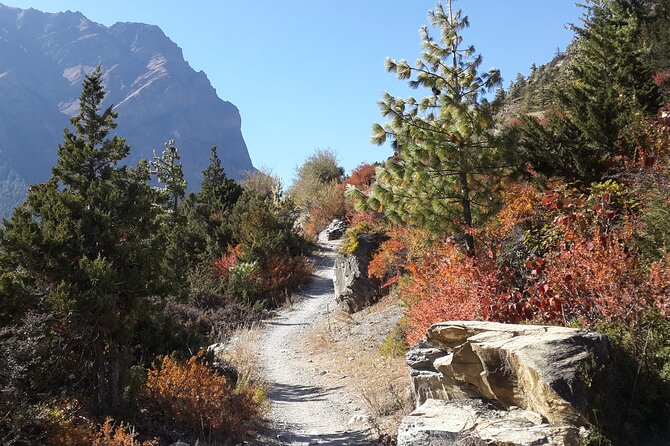
The “soft trek” is the heart of the trip. You’re not signing up for technical mountaineering or multi-day altitude suffering. Instead, you’re walking through forests and along hillsides toward a mountain village area, with big payoff views and a real overnight in the mountains at Australian Camp.
Because the experience is private, the schedule feels tighter and more controllable. Pickup is offered, transport is private, and you’re not stuck guessing how to get between sites in Kathmandu’s famously chaotic streets.
You can also read our reviews of more tours and experiences in Kathmandu.

Entering Kathmandu Valley: Swayambhunath, Pashupatinath, and Boudhanath
Day 1 is a packed but smart introduction to Nepal’s spiritual mix. You’ll visit three UNESCO-listed (or UNESCO-linked) style landmarks that show two different religious worlds side-by-side.
Swayambhunath Temple (Monkey Temple area)
You’re going uphill into an ancient Buddhist shrine on a hill, tucked among dense city houses. What I like about starting here is the way it teaches you how to read the place. People rotate around the stupa and use praying wheels as they go. There are also old shrines, a Tibetan monastery, and a museum/library area within the complex. After the calm rituals, you get a broad look over Kathmandu Valley—useful because it helps you understand the city’s geography before you spend days exploring more.
Practical note: wear something comfortable for stairs, and keep an eye on small valuables. The monkeys are part of the deal, but your job is to stay relaxed, not chase snacks.
Pashupatinath Temple on the Bagmati River
Next comes one of the world’s most important Hindu temples, dedicated to Lord Shiva. The temple sits on the shores of the Bagmati River, which is treated as holy. I like this contrast after Swayambhunath: it’s a different religion, different crowd energy, and a different kind of reverence.
A consideration: the site is highly significant, so dress and behavior matter. I’d plan for conservative clothing and a respectful pace. (Also, lunch here is not included—you’ll choose your own restaurant when you’re done.)
Boudhanath Stupa (Buddha Stupa)
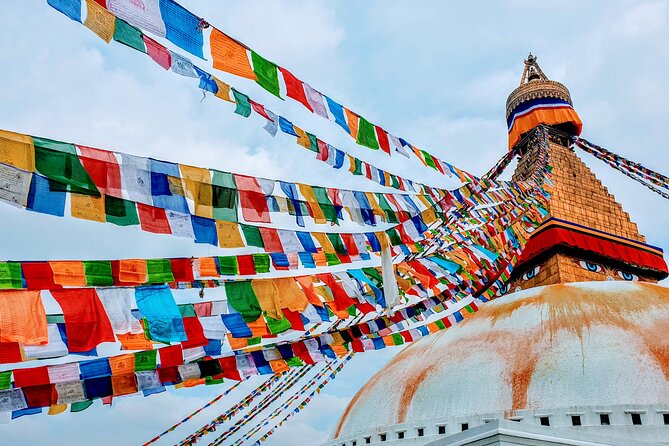
Then you end at Boudhanath, one of the most beautiful stupas in the world. This area has a strong Tibetan influence, because it sits in the former flow of trade between Nepal and Tibet. Around the stupa you’ll see monks chanting, prayer flags moving in the wind, and the big white stupa surfaces that catch the light.
The details matter here. The eyes of Buddha at the stupa feel like you’ve been “noticed,” and that’s exactly how the place works: it’s spiritual, but also very human. It’s a great way to wind down day one after Kathmandu’s movement.
Bandipur overnight: old-town walks and hill views without a big commitment
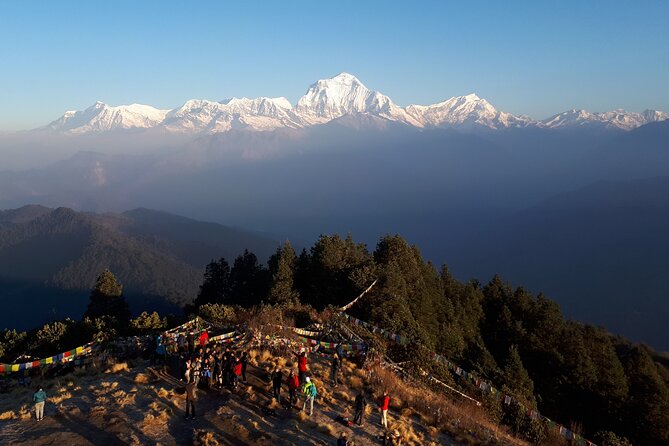
After Kathmandu, you shift to Bandipur, which is known as a hill station and an excellent cultural stop. The drive from Kathmandu takes about 5–6 hours, and it’s not just transportation—it’s your first taste of Nepal’s valleys and rural life rolling by.
Bandipur’s background as a trading route between India and Tibet shows up in the local culture, especially through the Newari community. You’ll check into a hotel and then stroll the ancient town. This is one of those places where you don’t need a packed agenda: wandering works.
What you get from an overnight is important. Day trips can feel rushed. Here, you arrive, settle, take a walk, eat dinner, and sleep. That’s a real reset before Pokhara.
Pokhara Lakeside: get your bearings, then chase sunrise at Sarangkot
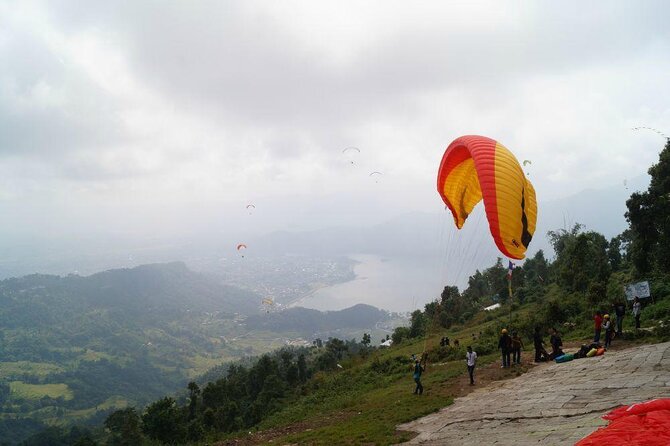
Pokhara is where the trip starts feeling more “holiday” and less “cross-town shuffle.” You’ll drive from Bandipur to Pokhara in about 5–6 hours. Once you arrive, you check into a hotel, rest, and then head to the lakeside of Phewa Lake for an evening hangout.
This day has a useful practical rhythm: lunch and dinner are not served for you, and that’s okay. The lakeside area gives you plenty of choices. You can eat early, keep it light, and save energy for sunrise.
Sarangkot sunrise day (and the best of Pokhara in a single loop)
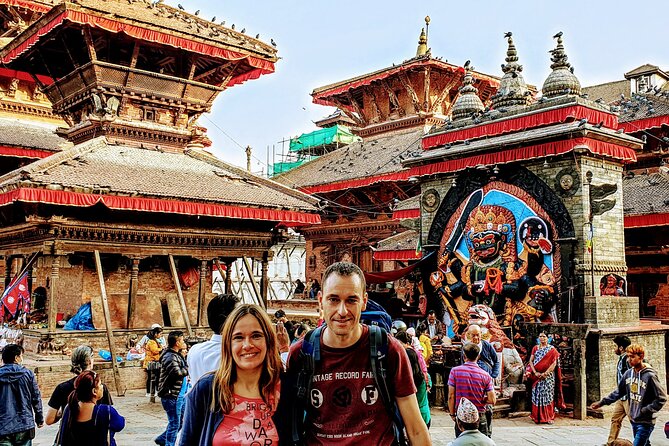
Day 4 starts early with a drive to Sarangkot for sunrise. If you’re only going to pick one Pokhara “must,” this is it. Sarangkot is described as the best spot in Pokhara for sunrise views, including Mt Machhapuchhre and multiple peaks in the Annapurna range.
After the view, you return to your hotel for breakfast, then spend the rest of the day sightseeing at your pace through Pokhara highlights like David’s Falls, World Peace Stupa, Bindabasini Temple, and Mahendra Cave. You’ll choose lunch and dinner on your own again, which gives you control over budget and timing.
Practical note: sunrise days are always a little demanding. Even if the trek part is soft, Sarangkot requires early waking and a little patience.
Dhampus and Australian Camp: the soft hike that still feels meaningful
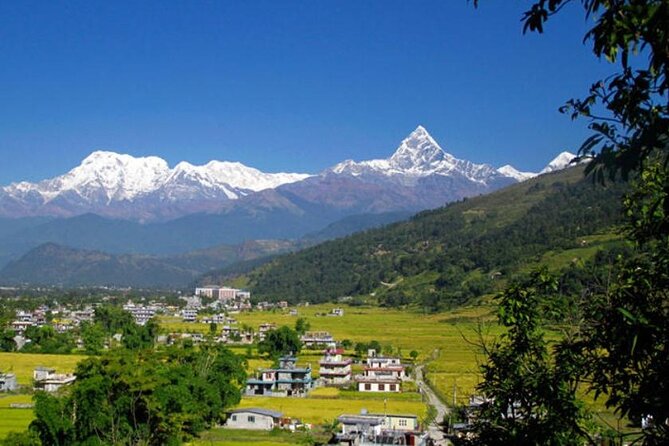
This is where you switch from city and lakeside Nepal to the Annapurna foothills with real walking time.
Dhampus as your Himalayan gateway
Day 5 brings you to Dhampus, a transit point for treks toward Annapurna Base Camp and Ghorepani Poon Hill. You’ll get included meals here—breakfast, lunch, and dinner—and that’s a big comfort when you’re shifting into trekking mode.
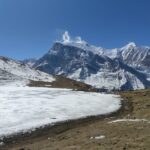
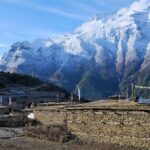
Dhampus is valued for views: Dhampus peak and wide mountain sightlines toward Dhaulagiri (8167m), Annapurna South (7219m), Himchuli, Lamjung Himal, and Fishtail (6993m). You’re not climbing those giants, but you’re standing in the foothills where the scale hits you hard.
Even if you consider this a short trek, the value is that you’re moving through terrain rather than only looking from viewpoints.
Australian Camp tea house night: forest, villages, and long views
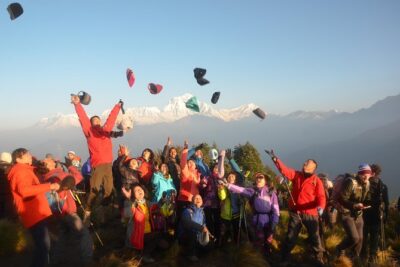
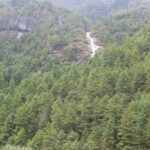
Day 6 is the core walking day. Australian Camp rewards you with memorable views of the Annapurna ranges, from sunrise color changes to evening sunsets. You’ll hike through dense forests, along hillsides, and through mountain villages. And you’ll sleep in a tea house at Australian Camp, where the Himalayas feel close and visible nearly all around.
All three meals are included at Australian Camp. That matters more than you might think. In trekking areas, food availability can vary, and having meals taken care of lets you focus on the experience: the walking, the scenery, and the quiet.
Also, plan for a different pace and different comfort. Tea houses are not big-city hotels. The point is the setting, not luxury. If you want a cultural night with mountain views, this is exactly that.
Patan Durbar Square and Bhaktapur: Newari craftsmanship in motion
Once you’ve had your mountain taste, you head back to Kathmandu valley culture in a big way.
Patan Durbar Square
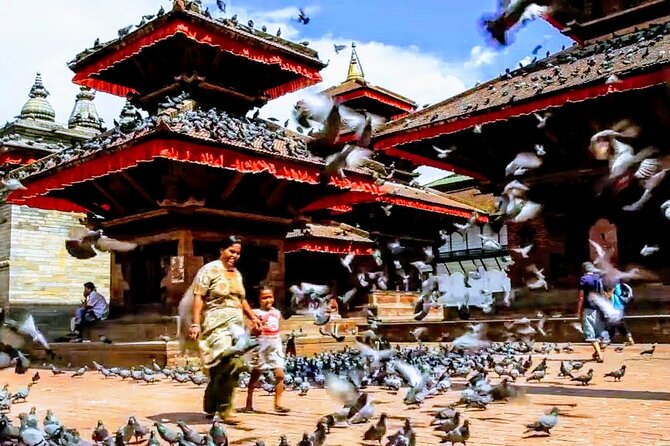
Day 7 brings you to Patan Durbar Square, one of the three Durbar Squares in Kathmandu Valley. This one is known for Newari architecture, with ancient monuments, temples, shrines, statues, and idols. The scale is impressive: more than 600 stupas and many courtyards and temples packed into the area.
I like Patan for the way it feels made for walking. The red-brick paving gives you an old-world grounding, and the density of details keeps you looking without needing to rush.
Bhaktapur: living heritage and spiritual atmosphere
Day 8 starts with a drive to Bhaktapur, known as City of Culture and an open museum. It’s described as Nepal’s cultural gem and a city of spiritual devotees. Here, the emphasis shifts to art, colorful festivals, traditional dances, and indigenous Newari lifestyle.
Bhaktapur is the kind of place where your camera will get used, but your feet will do most of the work. Take it slow. Look up at the architecture as much as you look down at the street.
Namo Buddha’s monastery calm and a farewell dinner back in Kathmandu
After Bhaktapur, you head to Namo Buddha, one of the most sacred Buddhist pilgrimage sites near Kathmandu. You’ll spend time around Namo Buddha Monastery, and the day is framed as spiritual and peaceful.
You’ll also get panoramic views of the region from this area, which is a nice wrap-up after the Himalayan views you had in Pokhara and Australian Camp. Lunch is included around the place, then you drive back to Kathmandu to complete the trip.
As a final touch, you’ll share a farewell dinner together and swap notes about what you liked most.
This ending matters for solo travelers, too. It turns the trip into more than a series of sites. You get a final social moment that feels natural at the end of a short tour.
Price and value: is $1,395 fair for this mix of transport, tickets, and tea house sleep?
At $1,395 per person for about eight days, you’re paying for structure and smooth logistics. The value isn’t just the temples and views—it’s the fact that transportation is private and the plan moves you efficiently between regions.
Here’s what’s included that typically costs real money if you plan it yourself:
- Private transportation for the full itinerary flow
- All fees and taxes
- Accommodation
- Breakfast (7), plus dinners (4) and lunches (4)
- Some site admissions are included on specific days, while other stops have separate ticket notes
- The big trekking-style included item: the tea house night at Australian Camp with all three meals
What’s not included is also clear: personal expenses and tips/donations. And some meals are not served on certain days (for example, lunch is not included on day 1, and lunch and dinner are not served on day 3).
So, is it good value? For a solo traveler or a career breaker who wants a soft trek without day-to-day planning stress, this price can make sense because you’re buying time, planning, and reduced friction. If you’re a traveler who loves doing everything independently and eating wherever, you’ll feel the cost more.
Who should book this, and who should rethink it
This tour makes the most sense if you want:
- A mix of spiritual sightseeing and an easy-to-moderate walking segment
- A short itinerary that still includes a real mountain overnight (tea house at Australian Camp)
- Private transport so you avoid wrestling with Kathmandu logistics
- A trip built for career breakers, sabbatical travelers, and solo adventurers
You might rethink it if:
- You need every meal fully included every day. Some lunches/dinners are your choice.
- You’re hoping for a long, high-altitude trekking challenge. The hike here is described as soft and short, not a major circuit.
Also, because you’ll have early mornings for sunrise (Sarangkot), build your expectations around wake-ups and timing.
Should you book this short trek and Nepal tour?
I’d book it if you want Nepal to feel complete: Kathmandu’s spiritual sights, Bandipur and Pokhara as breathing space, and then a real Himalayan taste without a grueling schedule. The Australian Camp tea house night is the kind of experience that tends to stick in your memory, and the trip keeps it accessible.
Before you pay, I’d do two simple checks:
- Confirm which days have meals served versus meals you’ll pick yourself, since that changes how much cash you’ll want on hand.
- Ask Shiva (the team contact name that shows up in past trips) how he recommends packing for the early sunrise day and for tea house conditions. Having local input saves hassle.
If your goal is a short but meaningful Nepal mix, this is a solid choice.
FAQ
What time does the tour start?
The meeting start time is 8:00 am.
How long is the trip?
The tour is listed as 8 days (approx.) and ends back at the meeting point.
Is pickup included?
Pickup is offered, and the tour includes private transportation.
Which major places will I visit in Kathmandu and the valley?
In Kathmandu and the Kathmandu Valley area, you visit Swayambhunath Temple, Pashupatinath Temple, Boudhanath Stupa, Patan Durbar Square, Bhaktapur, and Namobuddha.
Are meals included?
Breakfast is included for 7 days, and dinner is included for 4 days. Lunch is included for 4 days. Some days note that lunch and/or dinner are not served, while Dhampus and Australian Camp include full meals.
Is there trekking, and what kind?
Yes. The trip includes a soft hike in the Annapurna region, including an overnight at a tea house in Australian Camp, with hiking through forests, hillsides, and mountain villages.