REVIEW · KATHMANDU
Mardi Himal Trek
Book on Viator →Operated by Adventure Blossom Treks and Expedition Pvt.Ltd · Bookable on Viator
Mardi Himal feels quieter than it should. It’s a shorter, newer route in Nepal’s Annapurna region, where you trade busier trails for forest switchbacks and then suddenly get serious high-mountain views. I like how the scenery shifts without warning: deep rhododendron woods, then an exposed climb out to 3,310 m, then rugged ridgelines with Mardi Himal and Machapuchhre on your mind.
I also appreciate the human side of the trek: friendly, attentive support from the guiding team, including one review that specifically called out Bashu dev Bagale for making the trip smooth and fun. The one thing to plan for is effort and weather. Mardi Himal is listed for people with moderate fitness, and the experience needs good weather, so delays or date changes can happen.
You’ll start early (the listed start time is 7:15 am), and you’ll do it as a private group, meaning it’s just your party. There’s also private transportation included, but you should confirm your exact pickup/drop route since some trekkers in the feedback referenced Pokhara for pickup and return.
In This Review
- Key things that make Mardi Himal worth your feet
- Why Mardi Himal hits different in the Annapurna region
- From forest rhythm to high-mountain reality (the trek’s main arc)
- The view payoff: Mardi Himal Base Camp area and the surrounding peaks
- Meals, water, and what to pack so you feel taken care of
- Price and logistics: where the $1,080 actually goes
- The itinerary in plain English: how a 10-day trek usually feels
- Who this trek suits best (and who should think twice)
- Weather reality: how it can affect your dates and your mood
- The guide experience: friendly support that keeps things moving
- Should you book Mardi Himal with Adventure Blossom Treks?
- FAQ
- Where is the Mardi Himal Trek experience located?
- How long is the Mardi Himal Trek?
- What is the price per person?
- What time does the experience start?
- Is pickup offered and how is transportation handled?
- Is this a private tour?
- Are meals included in the trekking package?
- Is bottled water included?
- Is there a fitness requirement?
- What should I know about weather?
Key things that make Mardi Himal worth your feet
- Rhododendron forests that give way to an exposed climb at 3,310 m
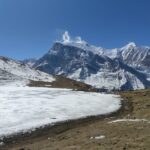
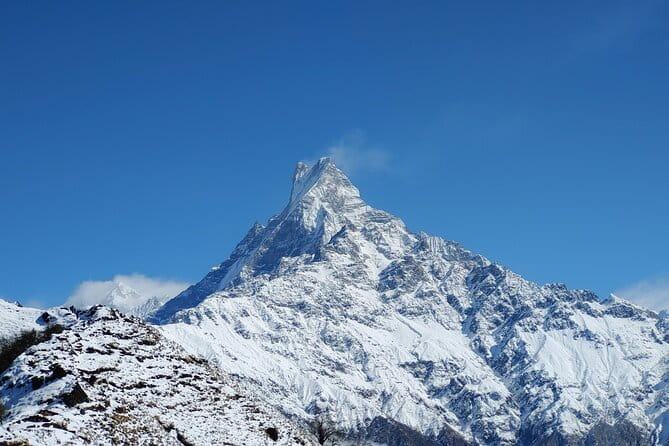
- Big view payoff: Mardi Himal, Machapuchhre, Hiunchuli, and Annapurna South
- Private tour feel: only your group participates
- Daily trail fuel: breakfast plus 3 meals per day on trek days
- Bring a water plan: bottled water isn’t included, tap water is an option with caveats
- Guides who focus on friendly, helpful pacing (Bashu dev Bagale is mentioned in reviews)
Why Mardi Himal hits different in the Annapurna region
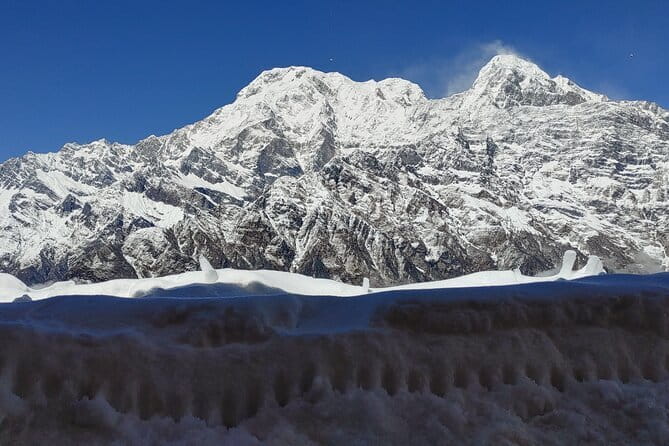
The Mardi Himal trek is marketed as a short, newly explored option, and that’s exactly why it feels so appealing. In the Annapurna region, where many routes get crowded, Mardi Himal stays quieter. You’ll spend more time moving through smaller paths and local areas and less time dodging other groups.
I like that the description doesn’t try to oversell things. The route is about walking through rhododendron forests, then climbing out into a more rugged high-mountain setting. That change matters because your mind gets a reset halfway through: first it’s shaded and earthy, then it’s open-air and dramatic. When the views arrive, they don’t feel like a marketing photo. They feel like a reward you worked for.
Also, the trek sits close to some famous names—Mardi Peak, Machapuchhre, and the surrounding Annapurna angles. You’re not hiking in a “generic mountain area.” You’re hiking in a place with recognizable shapes, and that helps you connect the effort to what you’re seeing.
You can also read our reviews of more tours and experiences in Kathmandu.

From forest rhythm to high-mountain reality (the trek’s main arc)
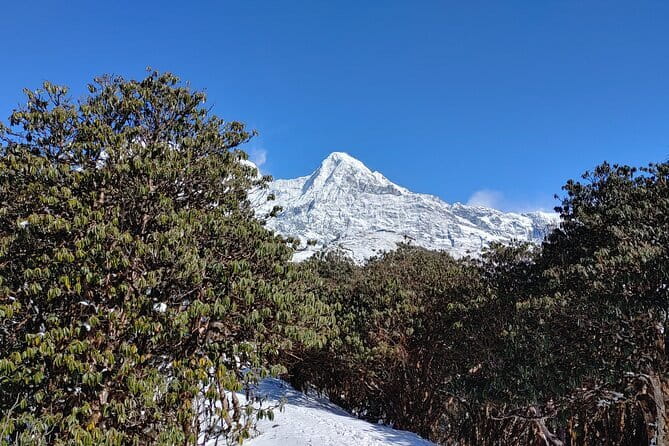
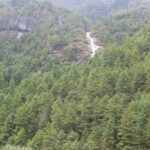
Your days will revolve around a simple pattern: steady hiking, changing terrain, and periodic view moments as elevation builds. The route begins with trails through deep rhododendron forests—the kind of wooded walking where the air feels cooler and the ground stays softer underfoot (until it doesn’t).
At around 3,310 m, you climb out of the forest. That’s an important milestone because the trekking character flips:
- In the forest, you’re dealing with roots, turns, and shaded footing.
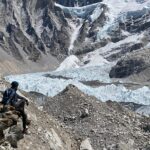
- Above the tree line area, you shift to more open, rockier, and wind-exposed conditions.
The trek’s appeal is that the terrain doesn’t ease you in forever. It transitions rather quickly into a high-mountain style of walking, with rugged surroundings and frequent sightlines. If you’ve ever had a trek where the views feel far away, Mardi Himal tends to correct that by changing the scenery in a noticeable way as you gain altitude.
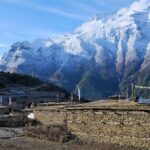
Along the way, you’ll pass through small local areas—described with terraced farms, sparkling rivers, and village life. That matters because it breaks up the “just hiking” mood. You see how people manage slopes and water, and you get a more complete sense of life in the Annapurna foothills.
The view payoff: Mardi Himal Base Camp area and the surrounding peaks
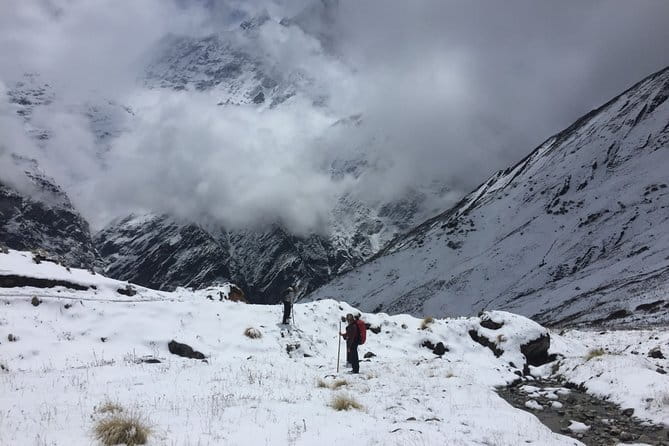
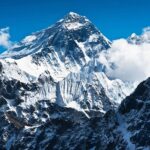
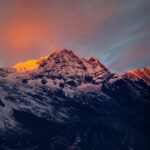
The goal area is the Mardi Himal Base Camp zone, described as at the foothills of Mardi Peak with impressive sights toward Machapuchhre. Even if you’re not a hardcore peak-buff, Machapuchhre has a signature look, so seeing it from the trek route gives you a memorable anchor.
From the provided route description, expect view sessions that highlight:
- Mardi Himal
- Machapuchhre
- Hiunchuli
- Annapurna South
One review also called out the moment at the top of a Mardi view point as the best part. That matches the feeling of this trek: even if the trail work is serious, the reward moments are sharp and memorable. You’re not waiting for a single summit day where everything depends on weather and timing. You’re getting repeated chances to look up and go quiet for a second.
Practical tip: bring a plan for your photo time that doesn’t slow the group. On a trek like this, stops are short and you’ll want to stay warm. If you’re the kind of person who takes 40 photos in one spot, give yourself a time limit and keep moving. Your future self will thank you.
Meals, water, and what to pack so you feel taken care of
Food is one of the best parts of the value here. The package includes breakfast plus 3 meals during the trek (labeled as B/L/D). That’s real support for your energy because you don’t have to budget meals hour by hour while you’re focused on altitude and footing.
What’s not included is bottled water, and snacks are also not included. That’s a common setup, but it’s still worth planning:
- If you need bottled water, you’ll be buying it as you go.
- If you’re willing to use tap water, you’ll want to buy mineral water if needed and follow the operator’s guidance on safe use.
Also, the included list shows snorkeling equipment. That’s strange for a mountain trek, so don’t ignore it. It’s listed in the package details, which means you should ask the operator what it’s for and whether it’s truly part of your trek kit. At minimum, you’ll want clarity so you’re not left carrying the wrong gear.
As for “local food,” you can expect meals to reflect the region. Because the package already covers your daily meals, you’re free to enjoy what’s offered without turning every stop into a cost debate.
Price and logistics: where the $1,080 actually goes
At $1,080 per person, you’re not paying for a basic DIY walk. You’re paying for a handled trekking experience, including private transportation and full meal support on trek days.
So what does “private transportation” mean for you? It means you’re less stuck with scheduling hassles before and after the trek. It can also reduce stress if you’re not already familiar with the area. In the feedback, some trekkers referenced pickup and drop-off in Pokhara, even though the trip is listed under Kathmandu. So the smart move is simple: confirm your actual pickup city and transfer route before you arrive in Nepal.
The trek being private (only your group participates) is also part of the price logic. You’re not sharing the schedule with strangers, which can make the pace feel smoother and decisions easier. That matters most on shorter treks where the margin for “everyone moves differently” is tighter.
One more value point: the operator lists confirmation at booking time. That helps with planning, especially if you’re juggling flights and hotel days.
The itinerary in plain English: how a 10-day trek usually feels
The trek is listed as 10 days (approx.), but the key takeaway is that the schedule is built around progression: walking days, elevation changes, and time near the base camp region to soak in the views. Since no exact day-by-day village list is provided here, I’ll describe the trek rhythm you can expect based on how the route is characterized.
Day 1 to early days: getting into the forest walking.
You’ll start the trek with the feel of a wooded route: smaller paths, shaded sections, and steady uphill effort. Expect that rhododendron forest walking to be your “warm-up reality,” not a flat stroll.
Mid-trek: the climb out at 3,310 m.
This is the transition moment. The trek description calls out leaving the forest at 3,310 m and then stepping into a more rugged high-mountain scene. If you’ve done mountain treks before, you’ll recognize what changes here: footing gets more demanding, and the wind can make you feel colder faster.
Mid to later days: hidden valleys, farms, rivers, and settlements.
The route is described as passing through hidden valleys, terraced farms, sparkling rivers, and local settlements. Even on trekking days, those stops help you break up the effort. You’ll see how the route supports local life, not just how it serves tourists.
Base camp area days: the view concentration.
The Mardi Himal Base Camp area is your focus. This is where your attention shifts from “getting there” to “what am I seeing right now.” With Mardi Peak and Machapuchhre as anchors, you’ll likely spend more time pausing than you expect, because it’s hard not to.
Return: retracing with a different mindset.
The return portion usually feels easier physically but mentally different. You’re often more focused on balance and energy management, since you’ve already put in the harder climb. Keep your pace steady and don’t rush just because you feel better.
If one thing can improve your experience, it’s sticking closely to the plan. One feedback note mentioned it could have been better if they stuck to the itinerary. In mountain trekking, that’s common wisdom: small schedule slips can add extra fatigue or compress acclimatization time.
Who this trek suits best (and who should think twice)
This experience is described as suitable for people with moderate physical fitness. That’s a good match if you’re comfortable hiking for multiple days and you can handle a steady uphill pace.
I’d say it fits particularly well if:
- You want a less crowded feel in the Annapurna region
- You like routes with both forest walking and open views
- You enjoy meeting local communities along the way, not just chasing summit points
- You want a trek that’s shorter in the big scheme of Nepal trekking options
You might think twice if:
- You’re new to trekking and don’t have hiking stamina yet
- You expect an easy walk with minimal elevation challenge
- You’re sensitive to weather shifts, since the experience requires good weather
Wild animal sightings are listed in the experience description, but you shouldn’t plan your day around it. In mountains, nature does what it wants.
Weather reality: how it can affect your dates and your mood
This trek requires good weather. That’s not a small footnote; it’s the main factor behind whether your schedule runs smoothly. The experience is non-refundable and cannot be changed for any reason, but if it’s canceled due to poor weather, you’re offered a different date or a full refund.
That setup means you should travel with some flexibility in your overall Nepal itinerary. Even if your booking is fixed, your broader schedule should allow for date swaps. When weather is good, the trek gets the best version of those long-view moments.
Practical mindset: dress for layers, bring a rain plan, and don’t treat every cloudy morning as a disaster. Mountain weather can change quickly, and a calm plan beats panic every time.
The guide experience: friendly support that keeps things moving
The feedback you provided is full of praise for guide behavior—friendly, helpful, and present from pickup to drop-off. One review singled out Bashu dev Bagale by name, and another described guides engaging in conversation and helping the trip feel successful and fun.
That kind of support matters more on a shorter trek than you might expect. When the days are packed with progression, having someone who keeps you on track, answers questions, and manages pacing helps you enjoy the trail instead of fighting it.
If you’re the type who likes to know what’s coming next, pay attention to your guide’s briefing and use it. Ask about water strategy, weather expectations, and what to carry each day. Good guidance is part of the value you’re paying for.
Should you book Mardi Himal with Adventure Blossom Treks?
If you want a quieter Annapurna trek with a real change in scenery—from rhododendron forest to rugged high-mountain views—Mardi Himal is a strong choice. The included meals and private support reduce a lot of hassle, and the base camp area plus Machapuchhre views are a compelling payoff.
I’d book it if you:
- Have moderate trekking fitness
- Want fewer crowds and more trail character
- Appreciate good guiding and a private-group pace
- Can plan around weather (and keep some flexibility in your broader trip dates)
I’d pause if you:
- Need a guaranteed schedule in rough weather
- Expect lots of included extras beyond what’s listed (snacks are not included, and the snorkeling equipment detail should be clarified)
- Want an itinerary with no surprises—because one feedback note suggests sticking to the plan is important
Overall, this is the kind of trek that feels like it was designed for people who like the walk, not just the checkbox summit.
FAQ
Where is the Mardi Himal Trek experience located?
It is listed under Kathmandu, Nepal.
How long is the Mardi Himal Trek?
The duration is listed as about 10 days.
What is the price per person?
The price is $1,080.00 per person.
What time does the experience start?
The start time is listed as 7:15 am.
Is pickup offered and how is transportation handled?
Pickup is offered, and private transportation is included. You should confirm your exact pickup and drop-off route.
Is this a private tour?
Yes. It’s a private tour/activity, and only your group will participate.
Are meals included in the trekking package?
Yes. Breakfast plus 3 meals per day during the trek are included (B/L/D).
Is bottled water included?
No. Bottled water is not included. The details note you may use tap water, but mineral water would need to be purchased if you want it.
Is there a fitness requirement?
You should have moderate physical fitness level.
What should I know about weather?
The experience requires good weather. If it’s canceled due to poor weather, you’ll be offered a different date or a full refund.