REVIEW · KATHMANDU
Langtang Valley Trek – 8 days
Book on Viator →Operated by Breeze Adventure Pvt Ltd · Bookable on Viator
Langtang Valley feels quieter than most famous treks. This 8-day, Tamang-heritage style trek in Nepal trades crowds for Langtang National Park wildlife, cultural villages, and a big altitude payoff at Kyanjin Ri. You’re also traveling through a sacred region and Nepal’s first protected Himalayan area, established in 1976, which helps explain why nature here can feel so alive.
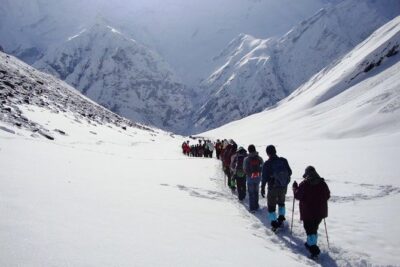
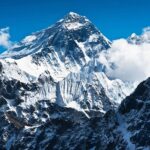
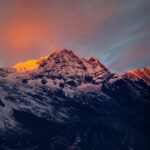
I love how the route stays anchored in Tamang village culture rather than turning into a pure scenery slideshow. I also love the final viewpoint rhythm: a serious walk up to Kyanjin Ri (4773m) for an eye-popping 360-degree panorama of 21+ snow-capped peaks.
One possible drawback is the schedule: altitude rises fairly quickly from Syabrubesi up through Lama Hotel and Langtang village toward Kyanjin Gompa. If you prefer slower acclimatization, you’ll need to pace and listen to your guide.
In This Review
- Key highlights worth circling
- Langtang National Park and the Tamang feel you’ll actually notice
- Price and value: what you get for $775.36, and what you don’t
- Getting to Syabrubesi: the long road day that sets the tone
- Lama Hotel to Langtang village: forests, altitude, and pacing the climb
- Langtang village to Kyanjin Gompa: 4 hours that feel like the pivot
- Day 5 from Kyanjin Gompa: optional hikes and big-view math
- Wildlife in Langtang National Park: what’s possible and how to act
- The return down: why the descent days still matter
- Guides, porters, and the smooth-running part you can feel
- What to pack and how to use the included gear
- Who this trek is best for (and who should think twice)
- Should you book Breeze Adventure’s Langtang Valley Trek?
- FAQ
- How long is the Langtang Valley Trek?
- Where do you meet for the tour?
- What is the starting route on Day 1?
- What is the highest point on this trek?
- What’s included in the trek price?
- What’s not included?
- What fitness level do you need?
- What is the group size limit?
- What’s the weather rule and cancellation option?
Key highlights worth circling
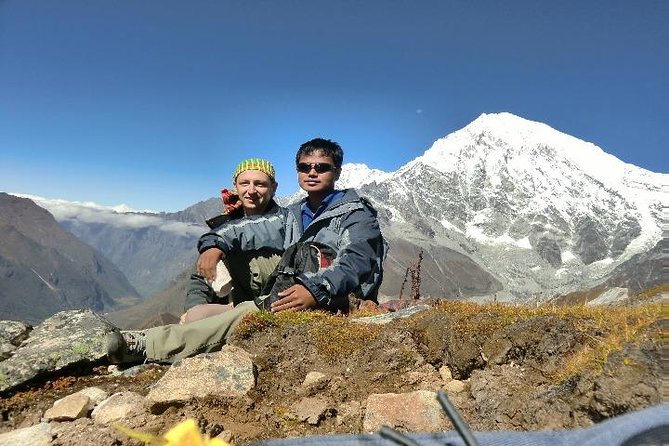
- Langtang National Park: Nepal’s first protected Himalayan area, created in 1976
- Kyanjin Ri panorama: 360-degree views over 21 snow-capped peaks
- Tamang hospitality: warm cultural stops in villages along the route
- Kyanjin Gompa day: monastery time plus sampling an old Swiss cheese factory
- Optional peak hikes: including Langshisa Kharka and Tserko Ri (4985m)
- Wildlife potential: red panda, Himalayan tahr, and Himalayan black bear (in the park area)
Langtang National Park and the Tamang feel you’ll actually notice
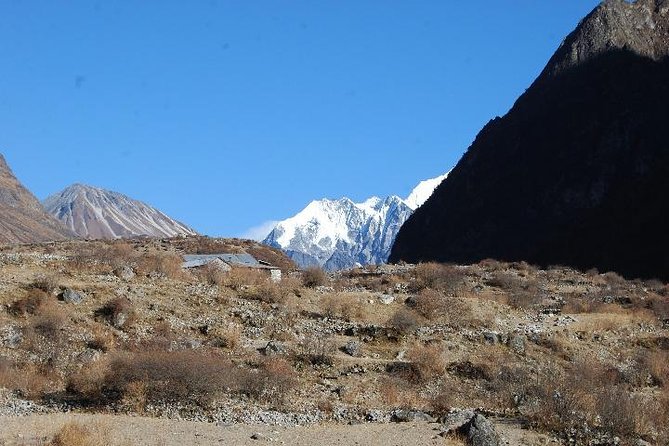
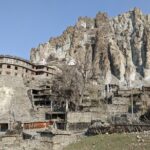
Langtang is the kind of Himalayan trekking region where you can feel the place has rules. It’s sacred, it’s protected, and it’s lived in. That matters because the trek isn’t only about standing in front of mountains. You’re moving through Tamang communities—people, routines, and village life that keep the journey human.
The cultural angle starts from the first days: you trek from Syabrubesi up through small settlements and up into the Langtang Valley area. The vibe tends to be steady and welcoming, with the trek designed around short enough travel blocks that you can notice how villages change with altitude. By the time you reach Kyanjin Gompa, it feels like the story has narrowed to fewer places, deeper silence, and a monastery-focused rhythm.
If you’re comparing this to the bigger, more crowded Everest and Annapurna routes, Langtang gives you a different kind of satisfaction: fewer trekkers, but similar drama. You get both nature and culture, and you don’t have to work around crowds to enjoy your viewpoints or conversations.
You can also read our reviews of more tours and experiences in Kathmandu.
Price and value: what you get for $775.36, and what you don’t
At about $775.36 per person for an ~8-day trek, the big question is value: what’s included that would cost you money or hassle on your own?
This package covers a lot of the expensive logistics pain:
- Kathmandu transport to and from Tribhuvan Airport, plus two hotel nights with breakfast
- All transportation tied to the trek
- Local guest house stays during the trek
- A government-authorized experienced guide and porters, including insurance and wages
- Hygienic trek meals (breakfast, lunch, dinner) during the days on trail
- Trek essentials: sleeping bag, down jacket, and crampons
- A map of the Langtang Valley trek and a first aid kit
- A post-trek celebration dinner in Kathmandu
What’s not included is also clear, and it matters for budgeting:
- International airfare
- Meals in Kathmandu beyond breakfast
- Guest house extras like shower and electronic charging fees
- Alcohol, chocolates, tea, and coffee
- Personal expenses and tips
My practical take: if you don’t already own proper cold-weather gear, this package can be a strong deal. You’d otherwise be paying to rent or buy items like a warm jacket and crampons. Still, you should plan spending for Kathmandu dinners and those charging/shower add-ons during the trek. That’s the stuff that sneaks up if you don’t budget it.
Getting to Syabrubesi: the long road day that sets the tone
Your trek starts in Kathmandu and then moves to Syabrubesi (1420m) by bus for about 7–8 hours. That’s a real travel day, not a quick transfer. The upside is psychological: after a long day on wheels, your first trekking morning feels like a clean reset.
Syabrubesi also works as a trailhead buffer. You’re starting in a lower-altitude town zone, which is helpful when your next day climbs toward Lama Hotel (2340m). If you tend to get cranky on the first day of a multi-day trek, this structure helps because you have time to settle after the road.
One more thing: this is a group trek with a maximum of 10 travelers. That matters on the road. Smaller groups usually mean less waiting and fewer coordination issues. You’re also more likely to get a guide who can manage pace and questions without feeling rushed.
Lama Hotel to Langtang village: forests, altitude, and pacing the climb
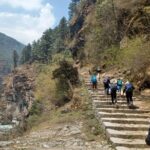
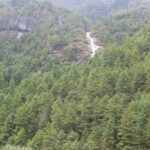
After Syabrubesi, you trek to Lama Hotel (2340m) in about 5–6 hours. From there, you continue toward Langtang village (3480m) for another 5–6 hours. The route through here is described as lush and varied, with pine, bamboo, and rhododendron forests.
Why that’s useful: forest trekking can make altitude feel less harsh. When your trail is shaded and your surroundings are alive with vegetation, it’s easier to keep a steady rhythm instead of constantly battling glare, wind, and exposure. And because this trek is short—just eight days—you want the walking days to feel manageable, not chaotic.
This is also where the trek’s “moderate fitness” label starts to matter. You’re not doing a 20-day slow ascent. So if your fitness is only okay, you’ll benefit from moving at your own pace, drinking when offered, and not treating each day as a speed challenge.
At the same time, Langtang isn’t presented as a rough technical expedition. It’s built around daily walks that fit typical day-trek timing: not endless hours, but enough time on trail to feel like you’ve earned each view.
Langtang village to Kyanjin Gompa: 4 hours that feel like the pivot
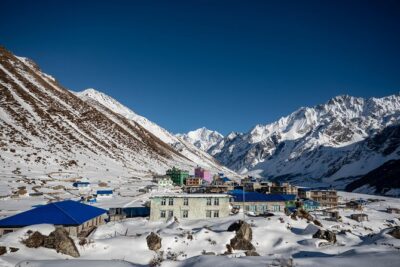
The big pivot day is the move from Langtang village to Kyanjin Gompa (3870m) in about 4 hours. That shorter walking time compared with earlier days is important. It gives you a higher altitude arrival without exhausting you for the entire day.
Kyanjin Gompa is where the trek becomes a destination. You’re not just passing through altitude—you’re settling into a monastery-centered world. The plan includes exploration time around Kyanjin Gompa, including the monastery and one of Nepal’s older Swiss cheese factories, where you get to sample the product.
That cheese factory detail might sound odd until you’re there. In mountain regions, small surprises become memorable because they break the monotony of cold and effort. It’s also a practical cultural marker: global influences mixed into local life, tucked into a place that still feels distinctly Himalayan.
One caution: higher altitude means colder nights. The included down jacket and sleeping bag are part of why this trek is set up the way it is. You should treat those items as essential, not optional extras.
Day 5 from Kyanjin Gompa: optional hikes and big-view math
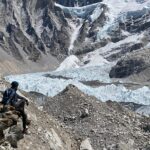
Day 5 is built for flexible exploration around the Langtang Valley area. Instead of forcing everything into one long summit-style push, you get time to hike, recover, and choose your ambition level.
If you want the classic “I came for the views” moments, you’ll have options:
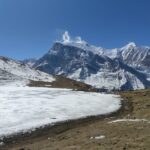
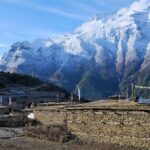
- Kyanjin Ri (4773m) for a panoramic 360-degree scene over 21+ snow-capped peaks
- Tserko Ri (4985m) for another higher viewpoint option
- Langshisa Kharka as an additional day trip choice
This design is smart for a short trek. Hitting Kyanjin Ri is the main storyline payoff, but you’re not locked into one single demand every day. You can match the hike to how you feel that morning, especially if fatigue starts to build.
One more practical note: the trek is described as requiring good weather. That’s not a soft suggestion. For the Ri viewpoint days, cloud cover can erase the drama fast. If you’re traveling at a time where weather is uncertain, your best bet is to plan for the possibility of changing day-hike choices or pacing.
Wildlife in Langtang National Park: what’s possible and how to act
Langtang National Park is described as having wildlife in abundance, including red panda, Himalayan tahr, and the Himalayan black bear. You’re trekking inside a protected Himalayan area, so the chance of seeing animals is part of the draw.
But here’s the realistic part: wildlife sightings are never guaranteed. What you can guarantee is the environment that increases odds—protected habitat, varied elevation, and forest-to-alpine changes.
If you’re hoping for wildlife photos, your best strategy is simple:
- Move calmly and avoid sudden noise
- Don’t rush off-trail to chase a glimpse
- Keep respectful distance if you spot something
The trek’s cultural side also helps. When the pace is community-based and guide-led, you’re more likely to follow local norms around how to behave in villages and natural areas. That’s how you protect the experience you came for.
The return down: why the descent days still matter
You head back from Kyanjin Gompa to Lama Hotel (2340m) in about 6–7 hours. Descents take energy in a different way. Even when you feel like you’re going “down, so it’s easy,” your knees and footing get tested. This is one reason the trek uses guest house stops and scheduled segments instead of asking you to do two or three big jump days back-to-back.
Then it continues with Lama Hotel to Syabrubesi via Sherpa Gaon in about 5–6 hours. Sherpa Gaon is part of the route structure on the way down, giving you one more village-area pass before the final road day.
By the time you’re back at Syabrubesi, you’ve earned the return bus ride. On Day 8 you drive back to Kathmandu in the same general rhythm as Day 1. This is the moment you’ll appreciate having all meals and logistics handled during the trek. After a big mountain week, your job should be resting, not reorganizing plans.
Guides, porters, and the smooth-running part you can feel
A lot of trekking value comes down to who’s handling the details while you focus on walking, eating, and watching for weather windows. This trek includes government-authorized guidance and porters, plus insurance and wages.
Names show up in the feedback for Breeze Adventure’s leadership. You’ll see Kishwor praised for organizing treks smoothly, with Raz named as a guide and Madan as a porter in at least some travelers’ experiences. Even Kishwor/Ishwor appears as a manager name in communication, which tells me the team is hands-on from the start.
Practically, that sort of consistent staffing matters because in trekking, the difference between smooth and stressful is often tiny:
- knowing what pace fits the group
- timing meals and departures
- handling gear basics like packing for cold nights
- keeping the day plan realistic when weather changes
And because the trek limits group size to a maximum of 10, the guide can spend more time managing the human side, not just the logistics.
What to pack and how to use the included gear
The trek includes key cold-weather support: sleeping bag, down jacket, and crampons. That’s a big deal if you travel light or don’t own technical gear. You’re not left scrambling at the airport or in Thamel for last-minute rentals.
What’s still on you is the personal layer:
- Personal expenses and small purchases during the trek are on you
- If you plan to shower or charge devices at guest houses, that costs extra
- Kathmandu dinners beyond breakfast are extra too
- Tips for guide and porter are also not included
Also, treat charging and shower fees as part of the trip reality. When you’re at altitude, the urge to stay online is strong, but power is limited. Your best plan is to use devices intentionally: maps when needed, photos when the sky is clear, and then give your battery a break.
Because good weather is required, you’ll want to keep your schedule flexible mentally. That means being okay with changing how hard you push on a given morning, even if you’ve got peaks in mind.
Who this trek is best for (and who should think twice)
This Langtang Valley trek is designed for people with moderate physical fitness and a short vacation window. If you want a Himalayan experience without committing to two full weeks, it fits the bill. You still get multiple days of real walking, forest scenery, village culture, and a summit-style viewpoint goal at Kyanjin Ri.
It’s especially suitable if:
- you want a less crowded alternative to the famous Nepal trekking corridors
- you care about culture, not only peaks
- you like the idea of optional hikes rather than one fixed summit grind every day
- you’d benefit from an organized team handling transport, meals, and gear
Think twice if:
- you prefer very slow altitude gain and lots of buffer days
- you’re traveling with a tight expectation that every viewpoint will be perfectly visible regardless of weather
- you want long, unstructured downtime without a schedule (this trek is active, day after day)
Should you book Breeze Adventure’s Langtang Valley Trek?
I’d book this trek if you want a high-reward Himalayan route in a short timeframe and you appreciate villages and protected nature as much as the views. The package is priced so you’re paying for fewer external decisions: transport, meals on trail, and even key gear are handled. That can save you time, stress, and the risk of showing up under-prepared.
I’d hesitate only if your goal is maximum comfort over effort. The schedule rises quickly, the trek requires good weather, and the trip is active by design. But for most people with moderate fitness who want a memorable mountain week, this setup looks well balanced.
If you want a shortlist recommendation, here it is: choose it for Kyanjin Ri’s 360° payoff, Tamang culture, and Langtang National Park wildlife possibilities, and budget a little extra for Kathmandu meals and on-the-ground guest house extras.
FAQ
How long is the Langtang Valley Trek?
It runs for 8 days (approx.).
Where do you meet for the tour?
The meeting point is Breeze Adventure Pvt. Ltd, Thamel Marg, Kathmandu 44600, Nepal.
What is the starting route on Day 1?
You drive from Kathmandu to Syabrubesi at about 1420m by bus for around 7–8 hours.
What is the highest point on this trek?
The trek includes reaching Kyanjin Ri at 4773m. Optional hikes may include Tserko Ri at 4985m.
What’s included in the trek price?
Included are airport transfers in Kathmandu, two nights in a 2–3 star Kathmandu hotel with breakfast, all trek transportation, local guest house accommodation, government-authorized guide and porters, insurance, meals during the trek (breakfast, lunch, dinner), equipment (sleeping bag, down jacket, crampons), a first aid kit, and a map.
What’s not included?
Not included are international airfare, meals in Kathmandu besides breakfast, personal expenses and shopping, shower and electronic charging fees at guest houses during the trek, alcohol and certain extras like tea/coffee and chocolates, and tips for the guide and porter.
What fitness level do you need?
The tour is for travelers with a moderate physical fitness level.
What is the group size limit?
The maximum group size is 10 travelers.
What’s the weather rule and cancellation option?
It requires good weather. If it’s canceled due to poor weather, you’ll be offered a different date or a full refund. Free cancellation is available up to 24 hours in advance for a full refund.