REVIEW · POKHARA
Private 4 – Day Poon Hill Trekking
Book on Viator →Operated by Nepal Alternative Treks & Expeditions Pvt. Ltd. · Bookable on Viator
Some treks start with hype; this one starts with hills. The Private 4 – Day Poon Hill Trekking is built for a more local feel, with an alternative route meant to reduce road time and the usual crowd pressure. I especially like the private guide and porter setup, and I also like how the plan targets the classic Poon Hill sunrise moment while still letting you live inside Magar and Gurung villages.
One note to keep you realistic: Poon Hill views depend on the sky, and clouds can blunt the sunrise payoff. Also, the walking days include steep bits and lots of stone steps, so you’ll want comfortable shoes and a pace you can hold for several hours.
The logistics are straightforward. You start at Pokhara Lakeside (8:15am) with pickup offered, then you use jeep transfers to get to the trail before settling into lodge stays and included meals—then you end back in Pokhara with time to check out Lakeside.
In This Review
- Key highlights worth knowing
- Pokhara to the trail: what your first morning really feels like
- Day 1: Ulleri views, jeep time, and the first steep climb
- Day 2: Ghorepani at 2,874m and the stone-step rhythm
- Day 3: Poon Hill sunrise (and the clouds reality check), then Tadapani
- Day 4: Ghandruk Gurung culture, then back to Pokhara Lakeside
- Price and logistics: what $350 buys you in real trekking terms
- Your guide team: why the people side matters on a short trek
- What the trek gives you culturally, not just visually
- Pace and fitness: who this 4-day plan suits best
- Expect the mountains to show up. And sometimes not.
- Should you book this Private 4-Day Poon Hill Trek?
- FAQ
- Where does the trek start, and what time does it begin?
- Is pickup included?
- Is this a private tour?
- What’s included in the trek price?
- What meals are included during the trek?
- What parts of the route are most famous?
- What is not included?
- Are mobile tickets and permits handled for me?
Key highlights worth knowing
- Alternative trail choice: less road time and fewer big-route crowd vibes
- Dedicated guide + porter: you’re not sharing the experience with strangers
- Poon Hill morning push: early hike for sunrise at 3,193m
- Village immersion: Ghorepani Magar culture and Ghandruk Gurung culture
- Practical safety tools included: oxygen saturation monitoring and emergency evacuation assistance
- Full trek board: breakfasts, lunches, and dinners during the trek are included
Pokhara to the trail: what your first morning really feels like
Starting from Pokhara Lakeside at 8:15am is helpful because you avoid the awkward, half-day “what now?” feeling that happens on some trips. If pickup is offered for your group, you’ll likely roll right from the city into the travel flow without too much fuss.
This trek is private, meaning the timing and pace can be guided by your group. That matters on short treks like this one, where you don’t have extra days to recover from a slow start or an over-ambitious first climb. You also get a local guide who leads you along alternative local routes—exactly the sort of detail that can turn a famous trail into something more personal.
You’re also not left guessing what you’ll carry. Included items include trekking map, duffle bags, and water purification support. It’s the small stuff that makes a big difference once you’re on the trail and your energy is better spent on walking, not logistics.
You can also read our reviews of more tours and experiences in Pokhara.
Day 1: Ulleri views, jeep time, and the first steep climb
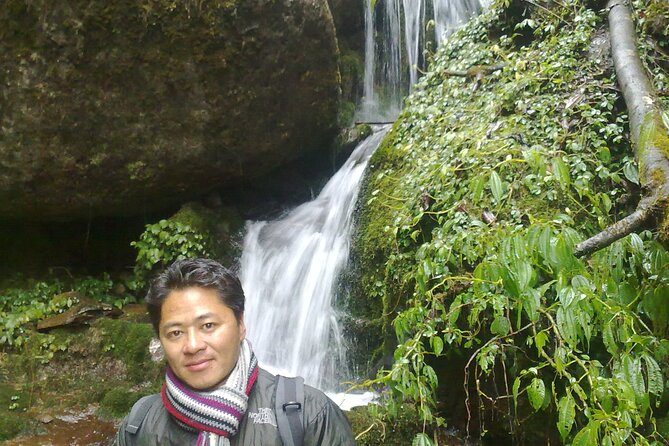
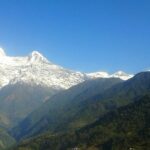
The morning begins with breakfast with views of Annapurna I (8,091m) and Machhapuchhre (6,997m). That’s a strong start: even before you walk, the mountains are already doing their job.
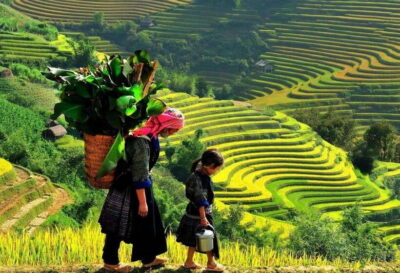
After breakfast, you drive for about 2 hours through the Baglung Highway area toward Hile, then begin walking along terraced fields to Hile and onward toward Tirkhedhunga village. This is one of those sections where you feel the region’s farming rhythm—fields stacked on the hillsides—and it gives you a slower introduction before the first real elevation effort.
Then comes the Ulleri push: you climb steep toward Ulleri, have lunch there, and continue about an hour on to Banthanti for the night. The biggest takeaway for Day 1 is simple: you’ll get your legs working early. It’s not the most relaxed day, but it sets up the next parts of the trek with steady momentum.
For some people, the drawback is pacing. If you go too hard on the first steep segment, you may feel it later on the staircase-heavy days. Your best strategy is to treat Day 1 like an activation session: work hard enough to be warm, not so hard that you’re tired before you’ve even earned the scenery.
Day 2: Ghorepani at 2,874m and the stone-step rhythm
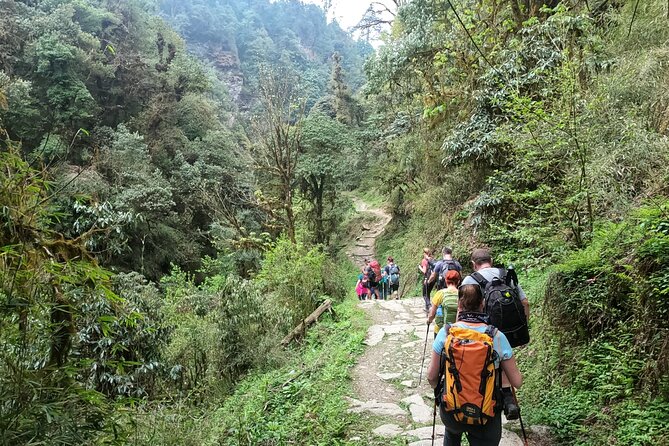
From Banthanti, the trail rises via stone steps toward Ghorepani village. You also climb toward Nangethanti along the way. This is the classic kind of trekking day—repetitive in a physical way, but rewarding in a mental way once your breathing settles.
Ghorepani sits at 2,874m and is described as a Magar village. That village detail matters. It’s not just a stop for photos; it’s where you start to notice the culture that keeps this trekking circuit alive. You’re more likely to have small interactions, see daily life, and feel like you’re moving through real communities rather than an open-air hotel corridor.
You’ll overnight in Ghorepani. Short treks live and die by the overnight. A good lodge stay helps you sleep enough to do the early start the next morning. Since trek lodge accommodation is included, you don’t have to solve the “where will we sleep” puzzle while also worrying about finding a meal and managing cash.
Practical thought: if you’re nervous about stair fatigue, you can still do a smart job here by keeping your pace even. Save sprint energy for the sunrise steps later.
Day 3: Poon Hill sunrise (and the clouds reality check), then Tadapani
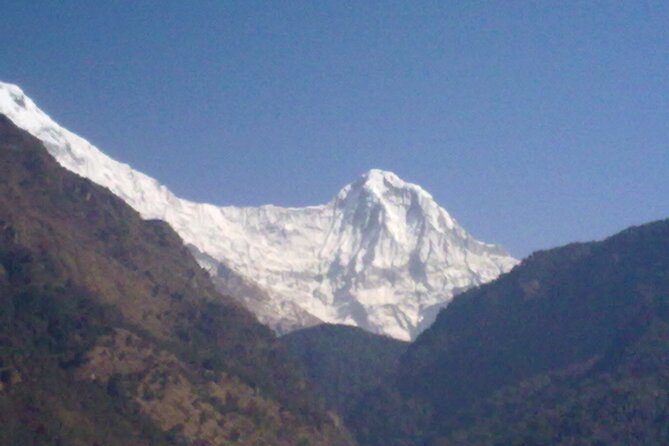
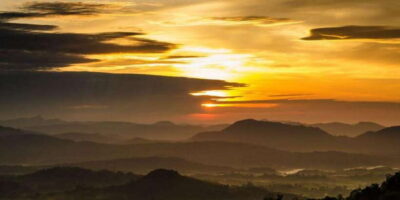
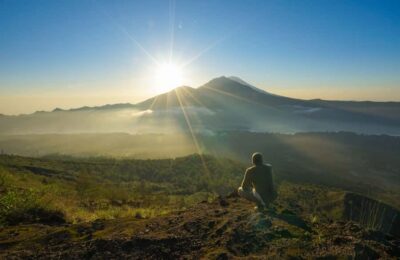
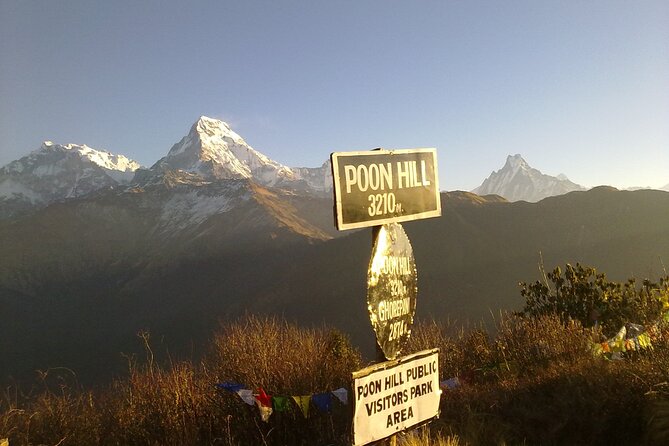
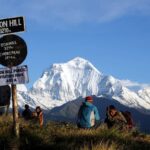
Day 3 starts with a pre-dawn hike toward Poon Hill viewpoint at 3,193m. It’s about an hour-long walk from Ghorepani, and the viewing area itself is about a 45-minute segment. Then you retrace your path back to Ghorepani for breakfast.
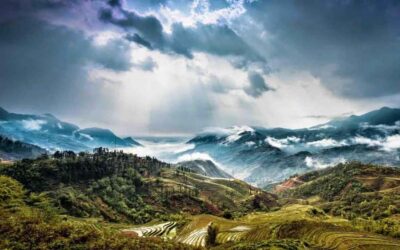
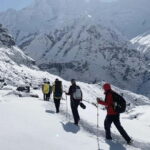
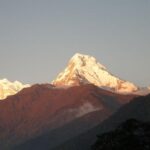
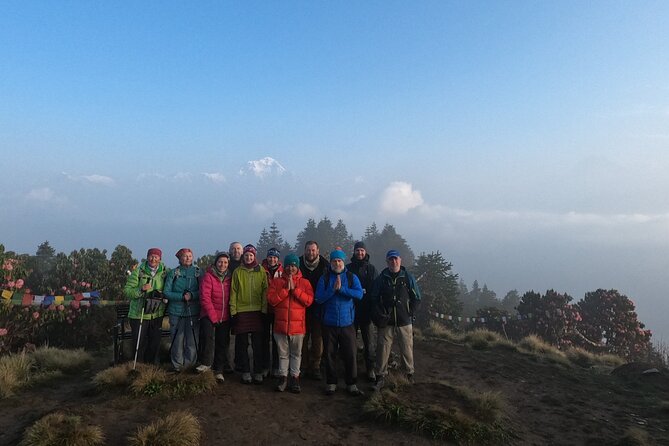
This is the day most people book for. And yes, you should expect views of the major Annapurna region peaks mentioned in the plan: Annapurna range, Machhapuchhre, Nilgiri, Himalchuli, and Dhaulagiri ranges. The key is managing expectations around cloud cover. One traveler experience clearly flagged that Poon Hill views were blocked by clouds, yet the rest of the trek still felt memorable. In other words: sunrise is the headline, but the day still has substance even if the sky doesn’t cooperate.
After breakfast, you start the climb northeast toward Tadapani village. The route passes through lush rhododendron forests via Deurali and Banthanti villages, then continues to Tadapani for the night. This is your “legs reset and lungs open” day segment. Rhododendron forest walking tends to feel calmer than pure stair climbing, and it can be a nice change of scenery rhythm-wise.
If you’re asking what this day gets you beyond the photos: it balances effort and reward. You work for the sunrise, then you get rewarded with a different type of trekking feel in the forest sections afterward.
Day 4: Ghandruk Gurung culture, then back to Pokhara Lakeside
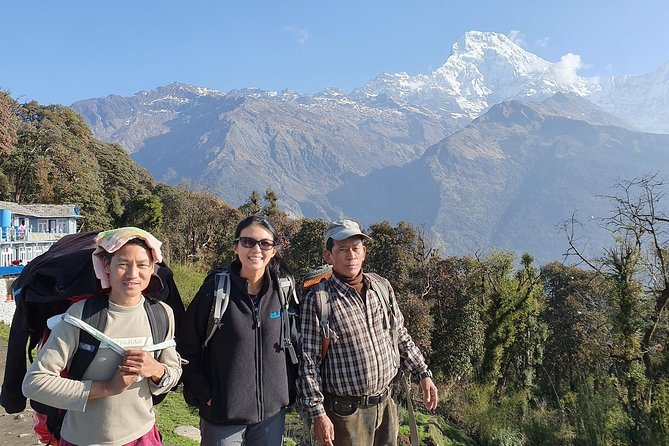
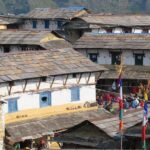
After breakfast in Tadapani, you trek to Ghandruk. Ghandruk is known for Gurung culture and the hospitality of the people. You’ll have lunch there, and you can visit the Gurung Museum in Ghandruk.
That museum option is more than a cultural checkbox. On a short trek, it’s the easiest way to turn a scenic walk into something with context—why these villages look the way they do, and how community life fits into the trekking world. It also gives you a low-effort break before the final transfer.
Afterward, you take a jeep back to Pokhara and overnight in the city. The plan includes time to explore Lakeside and enjoy the lively lake-city evening scene. This last part is a comfort zone move: you trade thin-air fatigue for good food and a softer pace.
The only caution here is emotional: people sometimes treat the final transfer like it doesn’t count. But Day 4 is still part of the trek experience—so plan to eat well and hydrate early so you don’t end the trip feeling flat.
Price and logistics: what $350 buys you in real trekking terms
At $350 per person for 4 days, the big question is value. Here’s where this package earns its keep.
Included costs are heavy hitters for trekkers:
- ACAP and necessary permits
- Government registered guide and porter, with their expenses covered
- All lodge accommodation during the trek
- Overland transportation as scheduled (including the jeep drives)
- Trek support items like map, trekking completion certificate, oxygen saturation monitoring, and water purification support
- Assistance for emergency rescue evacuation, plus public liability insurance
Then there’s the practical part: meals are included for the trek itself—3 breakfasts, 4 lunches, and 3 dinners. That reduces your daily spending and removes the stress of hunting for food at the end of each hike.
What’s not included (and should factor into your budget):
- Hotel accommodation and meals in Kathmandu or Pokhara
- Travel insurance
- Drinks like tea/coffee, alcoholic drinks, charging devices, and hot showers
- Tips for guide and porters
If you’re comparing alternatives, this package is priced like a “you should show up and walk” experience rather than a DIY scramble. And that’s often the difference between a trek that feels smooth and one that feels like an endless checklist.
Your guide team: why the people side matters on a short trek
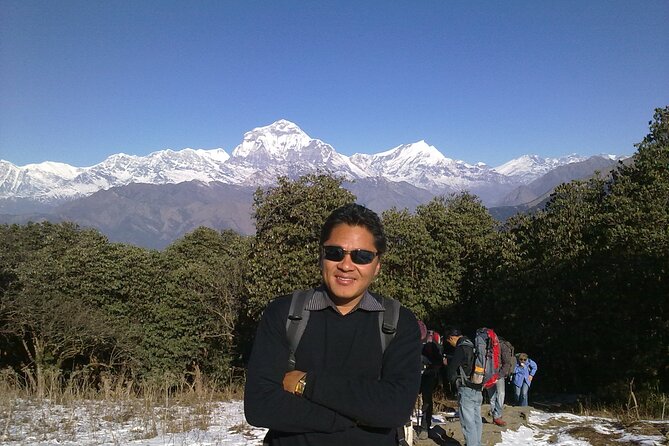
A short 4-day trek gives you very little room for mistakes. That’s where a skilled guide and an organized team matter.
This is a private tour with a local guide and porter included. In the experiences shared with this operator, the guide names come up as Amar and Dhan, and another guest experience references guide Ritika. A manager named Tej also appears in responses as a point of coordination.
You’ll feel this most in small moments: keeping the route aligned with the alternative trail plan, handling permits, matching your pace, and making sure you’re actually where you should be each day. One traveler also specifically praised having access to the team 24/7, which is comforting on a trek where weather can change plans fast.
And yes, the porter matters beyond carrying weight. With a porter included, you keep your pack lighter, which can help you maintain a calmer breathing rhythm during steeper climbs.
What the trek gives you culturally, not just visually
Poon Hill is the billboard. The real value here is what happens between the billboards.
You’ll pass through terraces and small villages, then spend nights in places that are more than scenic stops. Ghorepani is described as a Magar village, and Ghandruk is known for Gurung culture. On the walk days, you’ll cross rhododendron forests and local routes that are meant to avoid the main crowded corridor.
That matters because trekking can turn into a production line if you stick only to the most common path. An alternative route doesn’t automatically guarantee solitude, but it increases the odds you’ll feel like you’re walking with the place instead of through it.
If you like meeting people and asking questions, this kind of village-based route tends to reward curiosity. If you only care about peak photos, you’ll still get those—but you’ll enjoy the trek more if you treat the villages like part of the story.
Pace and fitness: who this 4-day plan suits best
“Most travelers can participate,” but that doesn’t mean it’s effortless. The day-by-day walk times listed include several multi-hour hikes, plus steep climbs and stone steps.
Here’s the practical filter I’d use:
- You should be comfortable walking for 3–5 hours most days
- You should be able to handle uneven paths and steep sections
- You should be okay with an early start on Day 3 for Poon Hill sunrise
If you’re an experienced walker with decent cardio, you’ll likely find it challenging but manageable. If you’re less active, this trek might feel like a lot in four days. The private format can help with pacing, but physics still applies—altitude and steep stone steps don’t negotiate.
Expect the mountains to show up. And sometimes not.
You’re going to a viewpoint at 3,193m and aiming for sunrise. When the sky cooperates, the Annapurna region peaks can look close enough to touch. When it doesn’t, you’ll still have the walk, the rhododendron sections, the village nights, and the sense of being away from normal travel noise.
That balance is why this trek can still feel like a win even when clouds block the famous view moment. The best mindset is simple: treat sunrise as a bonus, not the entire package.
Should you book this Private 4-Day Poon Hill Trek?
Book it if you want a private, guide-led trek that handles permits, transport, lodge stays, and most day-to-day decisions. You’ll also like it if you care about quieter trails and real village time—Ghorepani’s Magar setting and Ghandruk’s Gurung culture are built into the plan.
Think twice if you’re mainly buying the sunrise view and you can’t tolerate the possibility of fog or clouds. Also consider whether you’re ready for steep climbs and stone steps over multiple days.
One final tip: pack for a cold morning. Even without guessing the exact temperatures, early starts at higher elevations usually mean you’ll want layers you can add and remove quickly while hiking.
FAQ
Where does the trek start, and what time does it begin?
The meeting point is Pokhara Lakeside at 8:15am. It starts at 6X84+3JQ, Lakeside Rd, Pokhara 33700, Nepal.
Is pickup included?
Pickup is offered, and the trek includes overland transportation as mentioned in the schedule.
Is this a private tour?
Yes. It’s a private tour/activity, so only your group participates.
What’s included in the trek price?
Included items are ACAP and necessary permits, a government registered guide and porter (with their expenses), lodge accommodation during the trek, overland transportation, trekking map, oxygen saturation, water purification, duffle bags, trekking completion certificate, emergency rescue evacuation assistance, and insurance-related coverage. Trek meals are also included.
What meals are included during the trek?
Breakfast is included for 3 days, lunch for 4 days, and dinner for 3 days.
What parts of the route are most famous?
Poon Hill viewpoint at 3,193m is the highlight, with an early morning hike for sunrise views. You’ll also visit Ghorepani and Ghandruk, including the option to visit the Gurung Museum.
What is not included?
Hotel accommodation and meals in Kathmandu/Pokhara are not included, along with travel insurance, drinks (tea/coffee, alcoholic drinks), bar bills, device charging, hot shower costs, and tips for guide and porters.
Are mobile tickets and permits handled for me?
Yes. The package includes a mobile ticket, and it covers ACAP and necessary permits.