REVIEW · POKHARA
Pokhara: 4 Day Poon Hill Trek
Book on Viator →Operated by Crystal Holidays Nepal · Bookable on Viator
There’s no better excuse for an early wake-up. The Poon Hill sunrise views over the Annapurna and Dhaulagiri ranges are the star here, and I also like how the route threads through real villages like Ghandruk where you get a genuine feel for Gurung and Magar life. With Tikhedhunga and Ghorepani as key stops, you’re not doing a vague hike in the dark—you’re moving through distinct places each day.
One thing to think about: the climb includes a serious staircase day (about 3,000 steps up Ulleri), and the big mornings start around 4:30 AM. Add that to the fact that meals are not included, and you’ll want to plan for both effort and budget before you go.
In This Review
- Key highlights you’ll care about
- Poon Hill sunrise at 4:30 AM: the whole trip’s payoff
- Tikhedhunga to Ghorepani to Ghandruk: a 4-day route with clear pacing
- Day 1: Pokhara to Nayapul, then Tikhedhunga
- Day 2: Ulleri stairs to Ghorepani
- Day 3: Poon Hill sunrise, then onward from Ghorepani
- Day 4: Ghandruk village time and the finish back to Pokhara
- Ghandruk and the Gurung-Magar feel: culture that isn’t just a stop sign
- Pokhara logistics: why the start/finish is so much easier
- What you’re really paying for at $235: value, guide support, and permits
- Meals and budgeting: the only missing piece
- Stairs, weather, and how to avoid the common frustration
- The stairs
- Weather
- Who this trek is best for (and who might want a different route)
- Should you book this Poon Hill trek from Pokhara?
- FAQ
- How long is the Pokhara 4 Day Poon Hill Trek?
- What does the tour price include?
- Are meals included in the price?
- Do I need a permit and TIMS card?
- What time do you start for sunrise at Poon Hill?
- How hard is the trek physically?
- Where do you sleep during the trek?
- How long is the drive between Pokhara and Nayapul?
- What happens if the weather is bad or I need to cancel?
Key highlights you’ll care about
- Poon Hill sunrise timing: early 4:30 AM start for the best chance at those wide mountain views
- Ulleri stairs day: around 3,000 stone steps that test your legs, but the reward is worth it
- Village trekking, not just scenery: terraced life, rhododendron forests, and cultural stops along the way
- Ghandruk visit: a Gurung village with a local museum and great mountain viewpoints
- Hotel pickup plus private car transfers: Pokhara logistics are handled so you can focus on the trail
- English-speaking guide and guesthouse stays: you’re trekking with real support, not guesswork
Poon Hill sunrise at 4:30 AM: the whole trip’s payoff
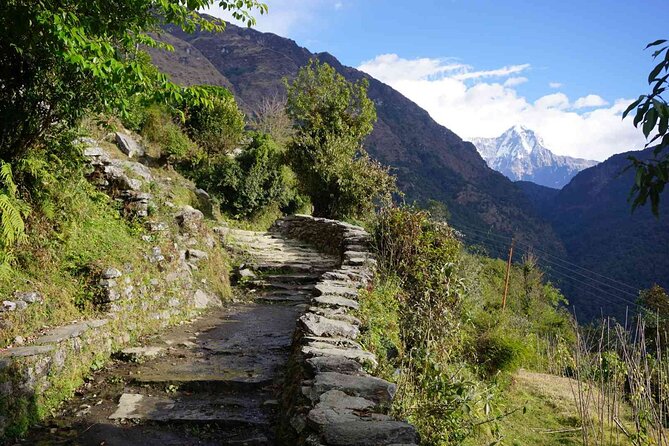
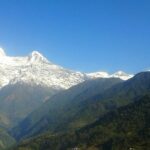
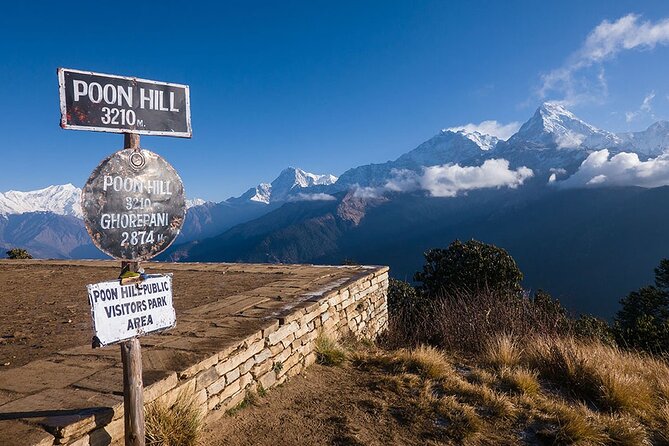
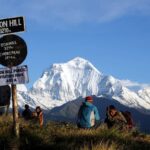
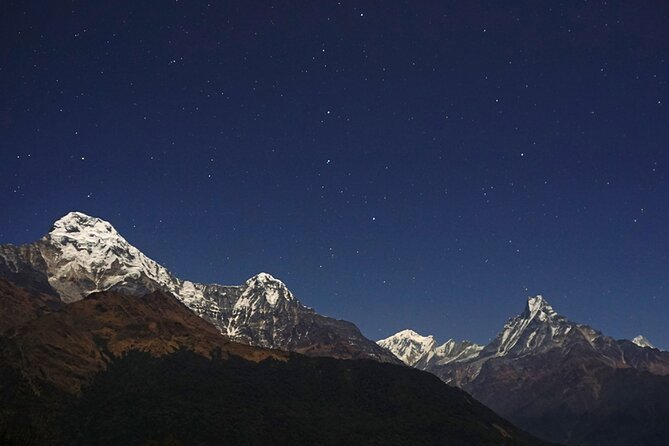
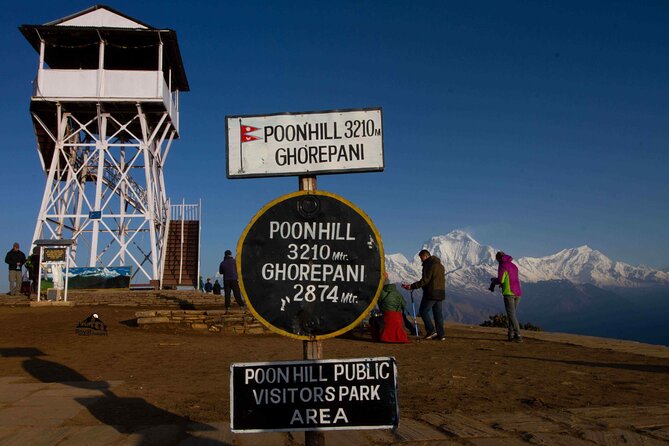
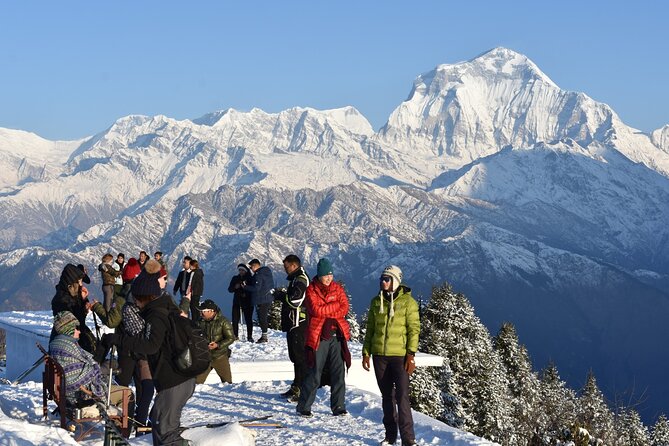
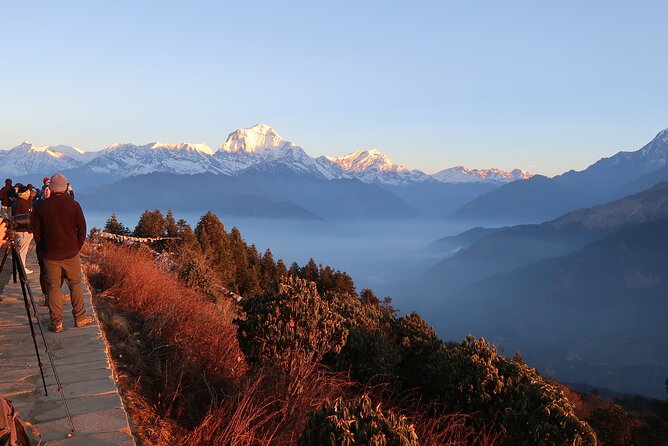
This trek is built around one moment: walking out in the pre-dawn hours to watch the mountains change color. You’ll start early, roughly 4:30 AM, then hike up to Poon Hill for sunrise. The whole area tends to be busy in a good way—people are there for the same reason—but it still feels special because you’re seeing the Annapurna and Dhaulagiri ranges as a big, dramatic sweep.
What I like about this timing is that it forces you into “mountain mode” fast. You won’t waste the day questioning whether you should be doing this or that. You’ll just be moving, warming up, and getting to the viewpoint when it matters.
Practical reality: sunrise depends on weather. Clear skies are the ideal, and clouds can erase the view. The good news is your operator flags weather as a key factor, and if the hike can’t run due to poor conditions, you should be offered a different date or a refund. That doesn’t guarantee bluebird skies, but it does mean you’re not left holding the bag.
After the sunrise, the plan is to head back toward Ghorepani and eat breakfast, then continue trekking onward. That keeps the day from feeling like a one-shot performance where you just hurry back down and go home. You get the view and still have proper trekking time after.
You can also read our reviews of more tours and experiences in Pokhara.
Tikhedhunga to Ghorepani to Ghandruk: a 4-day route with clear pacing
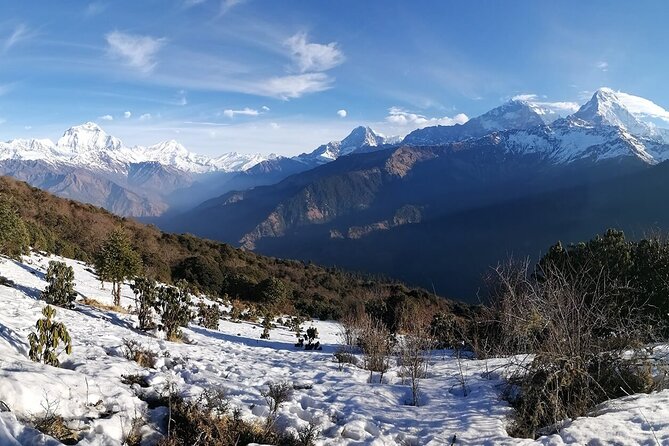
This is one of those treks where the schedule actually makes sense. Day by day, you build stamina, then cash in on the best morning, then descend into a village highlight.
Day 1: Pokhara to Nayapul, then Tikhedhunga
You’ll drive from Pokhara to Nayapul (about 1.5–2 hours), then start walking from there to Tikhedhunga. The hiking time listed for the day is around 7 hours.
Why Tikhedhunga matters: it’s your first proper acclimatization-by-walking day. You’re not jumping straight into the steepest section. You also get used to the rhythm—up and down, small stops, and the steady change from lowland Nepal into the Annapurna foothill feel.
Potential drawback: 7 hours on Day 1 can feel long if you’re coming from sea level and sitting too much the day before. If you’re the type who tries to power through, you may arrive tired rather than ready. Keep it steady. You want your legs to feel like they have tomorrow in them.
Day 2: Ulleri stairs to Ghorepani
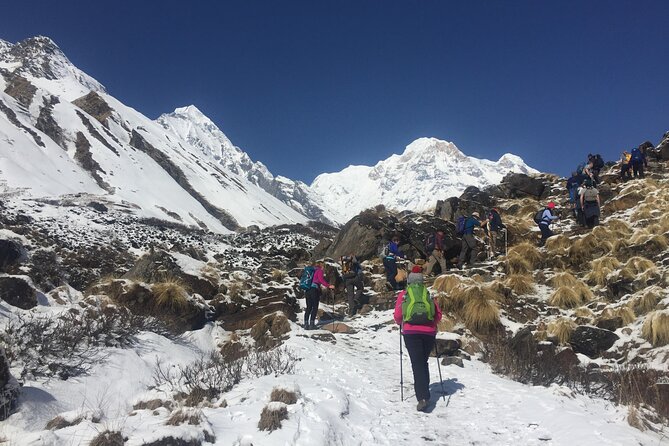
Day 2 is the leg-day. You climb up the Ulleri Stairs—stone steps with around 3,000 steps—then continue through rhododendron forests and villages until you reach Ghorepani. The hiking time is about 6 hours.
This is the section that makes this trek a good match for people with moderate fitness, but not for people who hate stairs. If you can handle uneven footing and repetitive steps, you’ll be fine.
One detail I really appreciate here: the trail isn’t all grind. The mention of rhododendron forests and villages means you’ll get breaks in scenery and atmosphere. In practice, that matters because your brain needs more than “one step after the next.”
Day 3: Poon Hill sunrise, then onward from Ghorepani
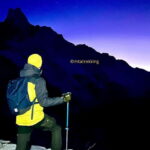
The morning starts around 4:30 AM. You hike to Poon Hill for the sunrise over the Annapurna and Dhaulagiri ranges, then return to Ghorepani for breakfast. After that, the itinerary has you continuing trekking onward for the day.
Even though the exact final endpoint isn’t spelled out here, the structure is clear: Day 3 is about the highlight morning plus enough forward movement so Day 4 can focus on the descent into Ghandruk.
If you’re planning what to pack, think of Day 3 as the day you’ll be cold early, then warm later. Layers are your friend. Sunrise viewing often means a bit of chill while you wait.
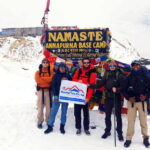
Day 4: Ghandruk village time and the finish back to Pokhara
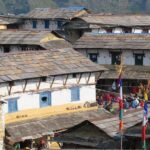
Day 4 balances hiking with culture. You descend to Ghandruk, spend about 3 hours exploring the Gurung village and visiting the local museum, and then trek down toward Nayapul. From there, you drive back to Pokhara (about 1.5 hours) and get transferred to your hotel.
Ghandruk is a big reason people love this trek. The village gives you a clear cultural lens: Gurung homes, local museum context, and mountain views that feel close enough to touch. It’s also a good contrast after two days of more forest and stair intensity.
Then comes the landing strip back to Pokhara. That 1.5-hour drive matters because you’ll likely want real food and a hot shower by the end.
Ghandruk and the Gurung-Magar feel: culture that isn’t just a stop sign
This trek is often sold for the mountains, and rightly so. But I like that the route also gives you time in places where people live their daily lives, not just photo points.
In Ghandruk, you’re specifically pointed toward Gurung culture and a local museum visit. That’s a meaningful addition because it turns the village from scenery into context. You’re not guessing what you’re seeing—you have someone guiding you through the why and how.
You’ll also see the broader Annapurna community mix. The background info highlights Gurung and Magar communities, and the itinerary format keeps you in contact with villages along the trail before you settle into Ghandruk for the longer visit.
How to use your time well: during your 3 hours in Ghandruk, don’t rush. Walk, look, ask your guide simple questions. Things like how life is organized around farming, or what people do when trekking seasons slow down, can make the village feel real fast.
Pokhara logistics: why the start/finish is so much easier
Pokhara is the launchpad for a lot of Annapurna adventures, and this trek makes good use of that. You get a hotel pickup and drop-off, plus round-trip transfer by private car to and from Nayapul.
Practically, that means less fighting with local transport schedules and fewer timing headaches. You drive 1.5–2 hours to Nayapul on Day 1, then get the comfortable return (about 1.5 hours) on Day 4.
Why you should care: the less time you spend arranging logistics, the more energy you can spend on the trek. And since this is a 4-day itinerary, every day counts.
Also, you’re in Pokhara at both ends of the trip. That helps if you want to do a relaxing warm-up day before you go, or just recover afterward with lakeside time and a proper meal.
What you’re really paying for at $235: value, guide support, and permits
The price is listed at $235 per person, and on average it’s booked 134 days in advance, which tells you this is a popular window-treks type of product. But the real question is value, not popularity.
Here’s what’s included that saves you real effort and hassle:
- English-speaking trekking guide
- Trekking permit and TIMS card
- Accommodation in guest houses
- Private car transfer to/from Nayapul
- Hotel pickup and drop-off
- Private trip (your group only)
This package is doing two big jobs:
- Paperwork and permissions: Trek permits and TIMS are part of the system, and having them handled matters.
- Daily execution: A guide keeps you moving at a safe pace and reduces the chances of ending up at the wrong place or underestimating time.
What’s not included is the one thing you’ll definitely feel: meals. You’re told that meals are available for purchase, at about 3500 NPR per person per day.
So the value story is: you’re paying to make the trail day-to-day work smooth, and you’re budgeting separately for food. If you’re the kind of traveler who prefers clarity and hands-on support, this kind of package makes sense.
One more note: group discounts are mentioned. If you’re traveling with friends or family and can combine plans, it may improve the value even further.
Meals and budgeting: the only missing piece
Meals are not included, and that’s important because tea-house-style trekking adds up fast. The estimate given is about 3500 NPR per person per day.
How I’d handle this as a budgeting rule:
- Plan for lunch and dinner purchases most days.
- Expect breakfast around Ghorepani after the sunrise return, since the trek day is structured that way.
- Add a little buffer for snacks (tea, cookies, and the kind of small comforts that keep you motivated on stair sections).
If you’re prone to spending on extra drinks, desserts, or multiple coffees, set a daily limit. The cost is still usually reasonable, but the total can creep up when you’re tired.
Also, bring a practical attitude: you’re walking all day. The best meal plan is the one that keeps you fueled without turning the trek into a restaurant crawl.
Stairs, weather, and how to avoid the common frustration
This trek has two classic pressure points: stairs and weather.
The stairs
Ulleri Stairs are listed as around 3,000 steps. That’s not just a number. It affects your breathing, your knees, and your mental pace.
Tip: use shorter steps than you think you need. Don’t try to match your flat-ground stride. If you’re with a guide, ask for a pacing rhythm early—how to breathe, when to stop, and how to handle your first big climb.
Weather
The experience notes that it requires good weather. If weather is the reason for cancellation, you should be offered another date or a full refund.
This is where smart packing matters. Even if you don’t know the forecast perfectly, you should be ready for cold mornings around sunrise and warmer conditions later in the day.
Also, consider flexibility. If you can travel within a weather window, you’ll likely feel more relaxed going in.
Who this trek is best for (and who might want a different route)
This is described as suitable for moderate physical fitness. That matches the structure: it’s not a high-altitude death march, but it is physical and includes a steep stair climb.
You’ll likely be a great fit if you:
- Can handle long walking days (7 hours, then 6 hours, then another full trekking day)
- Don’t mind early mornings
- Like village trekking, not just “look and leave” sightseeing
- Want a guided experience with guesthouse support
You might think twice if you:
- Have knee issues or struggle with repetitive stair climbing
- Hate waking up in the dark and walking before sunrise
- Expect meals to be included in the price (they’re not)
The good part is the route is structured, and you’re not alone in decision-making. The presence of an English-speaking guide makes a big difference, especially if you’re new to Himalayan trekking.
Should you book this Poon Hill trek from Pokhara?
I’d book this if you want a well-timed 4-day trek where the days fit together logically: Pokhara comfort in and out, a village route that keeps changing, and a sunrise plan that gives you a real shot at those Annapurna and Dhaulagiri views.
Choose it with clear expectations:
- Be ready for the Ulleri stairs.
- Budget for meals.
- Bring a flexible mindset around sunrise weather.
One practical recommendation: if you value smooth logistics, this package already covers the big items—permits/TIMS, guide, guesthouses, and private transfers. That’s the kind of “less thinking, more hiking” setup that makes short itineraries actually enjoyable.
FAQ
How long is the Pokhara 4 Day Poon Hill Trek?
It’s listed as 4 days, with the trekking starting from Nayapul and ending back in Pokhara after the descent to Nayapul on Day 4.
What does the tour price include?
Included are hotel pickup and drop off, trekking permit and TIMS card, an English-speaking trekking guide, guesthouse accommodation, and round-trip transfer by private car to and from Nayapul.
Are meals included in the price?
No. Meals are available for purchase, at approximately 3500 NPR per person per day.
Do I need a permit and TIMS card?
Yes, and the trekking permit and TIMS card are included as part of the experience.
What time do you start for sunrise at Poon Hill?
You’re expected to wake up early and hike to Poon Hill at around 4:30 AM.
How hard is the trek physically?
It’s described as suitable for moderate physical fitness, but it does include a steep climb with around 3,000 steps on the Ulleri Stairs.
Where do you sleep during the trek?
Accommodation is provided in guest houses. The itinerary specifically notes an overnight stay in Tikhedhunga on Day 1.
How long is the drive between Pokhara and Nayapul?
On Day 1, the drive is about 1.5 to 2 hours from Pokhara to Nayapul. On Day 4, the return drive is about 1.5 hours.
What happens if the weather is bad or I need to cancel?
The experience requires good weather. If it’s canceled due to poor weather, you’ll be offered a different date or a full refund. You can cancel up to 24 hours in advance for a full refund.