REVIEW · KATHMANDU
Kathmandu: 10-Day Adventurous Annapurna Circuit Trek
Book on GetYourGuide →Operated by Himalayan Nomad Treks Pvt. Ltd. · Bookable on GetYourGuide
Thorong La has a way of changing you. This Annapurna Circuit trek is interesting because you mix village culture with the real, physical drama of a high pass day. I love how the route keeps unfolding through different valleys and communities, and how your Thorong La Pass crossing is built into the pacing (not treated like an afterthought).
What I’d watch is altitude reality. You’ll be spending time at high elevations, and you’ll want to follow the guide’s pace so you don’t fight your body on summit day (acclimatization matters).
In This Review
- Key highlights I’d circle
- From Kathmandu To Besisahar: The Trek Starts With Real Nepal Ground Travel
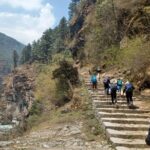
- Dharapani and Chame: Forest Trails and Suspension Bridge Time
- Upper Pisang and Manang: Where Views Get Big and Days Get Specific
- Manang Acclimatization Day: The Rest Day That Isn’t Optional
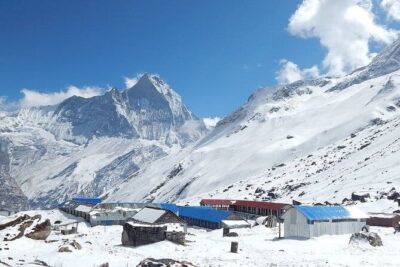
- Yak Kharka to Thorong Phedi: High-Altitude Quiet, and Why the Base Matters
- Thorong La Pass (5,416m) to Muktinath: The Pass Day and the Sacred After-Feeling
- Jomsom to Pokhara: Arid Mustang Air and the Comfort of a Soft Landing
- Price and Value: What Your $467 Includes (and What You’ll Pay Extra)
- Gear That Actually Helps on Thorong La (Not Just Looks Serious)
- Who This Trek Fits Best (And Who Should Skip It)
- Should You Book This Annapurna Circuit Trek Over Everything Else?
- FAQ
- How high is the highest point on this trek?
- What’s the hardest day of the itinerary?
- Is this a guided trek?
- What meals are included?
- Do I need a sleeping bag?
- Is this trek suitable for pregnant women?
Key highlights I’d circle
- Thorong La Pass day at 5,416m: early start, steep effort, huge rewards.
- Village-to-village culture: monasteries, prayer-flag trails, and everyday life in teahouses.
- Manang acclimatization built in: a full rest day to help you adjust.
- Practical logistics: buses and shared jeeps connect the main trail sections.
- Muktinath descent and temple visit: a different mood after the high pass.
- Strong guide/coordination track record: teams like Keshab, Bipin, Suresh, Prakash, Mahesh, and coordinator Ramesh show up again and again in how smoothly things run.
From Kathmandu To Besisahar: The Trek Starts With Real Nepal Ground Travel
Your Annapurna Circuit experience begins with a long, scenic transfer out of Kathmandu. You’ll take a bus to Besisahar, then continue by shared jeep toward Dharapani. It’s not glamorous, but it matters. You’re easing from city pace into mountain pace, and you’ll be awake enough to enjoy the shift in weather, road texture, and the way villages appear closer together as you move west.
That first “day” is also a helpful mental warm-up. You’re not yet doing hard climbs, but you are already settling into the trek rhythm: being ready on time, packing smart, and keeping an eye on how you feel before altitude becomes the main topic. Expect around a 10-hour drive total day time.
A small practical note: you’ll be spending much of the day in transit, so plan your body like a trek day even if your legs aren’t working. Hydrate, keep your layers accessible, and avoid the temptation to carry every jacket you own. You’ll thank yourself later when the trail turns cold.
You can also read our reviews of more tours and experiences in Kathmandu.
Dharapani and Chame: Forest Trails and Suspension Bridge Time
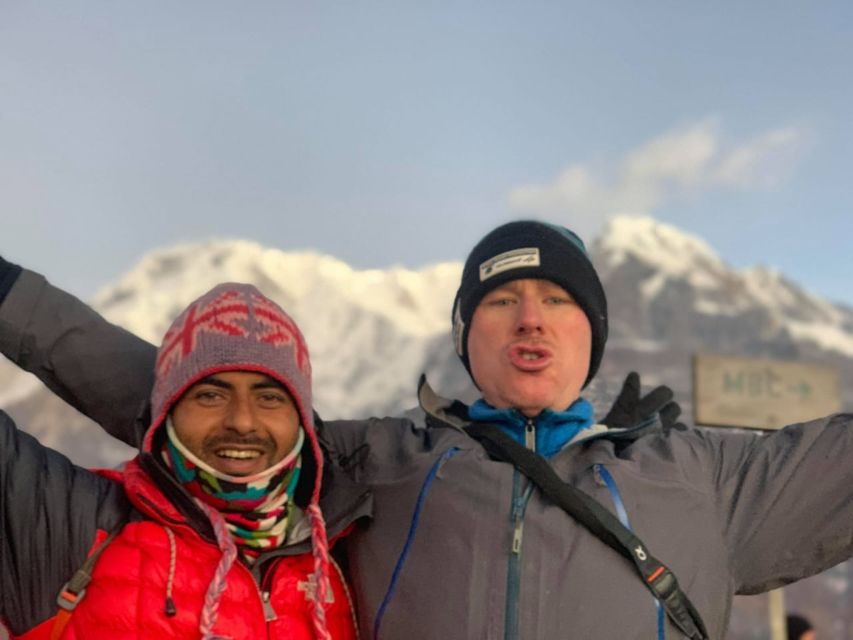
Day 2 is where the trek starts feeling like a trek. From Dharapani (1,800m) you hike up to Chame (2,670m). The walking time is about 6 hours, and the route gradually lifts you through forested sections and over suspension bridges.
Why this stretch works: it’s a steady introduction to the kind of trail you’ll keep seeing on the Annapurna Circuit. That means you’ll get used to foot placement, the rhythm of uphill breathing, and the way dust and wind can change how cold you feel. If you’re nervous about your legs, this is the place to find your pace without feeling like the whole trek depends on it.
Chame is also a good “first base” for mountain mornings. You’re at a height where nights start feeling sharper, but you’re still in a zone where teahouse life is comfortable enough to sleep and reset. You’ll likely have a view, but don’t count on it all being clear. In the mountains, “maybe” is part of the deal—so pack for layers and move on.
What to watch for: tea house meals tend to be warm and tempting, but don’t go wild on heavy, oily food if you’re prone to stomach issues. Your biggest job here is staying consistent, not perfect.
Upper Pisang and Manang: Where Views Get Big and Days Get Specific
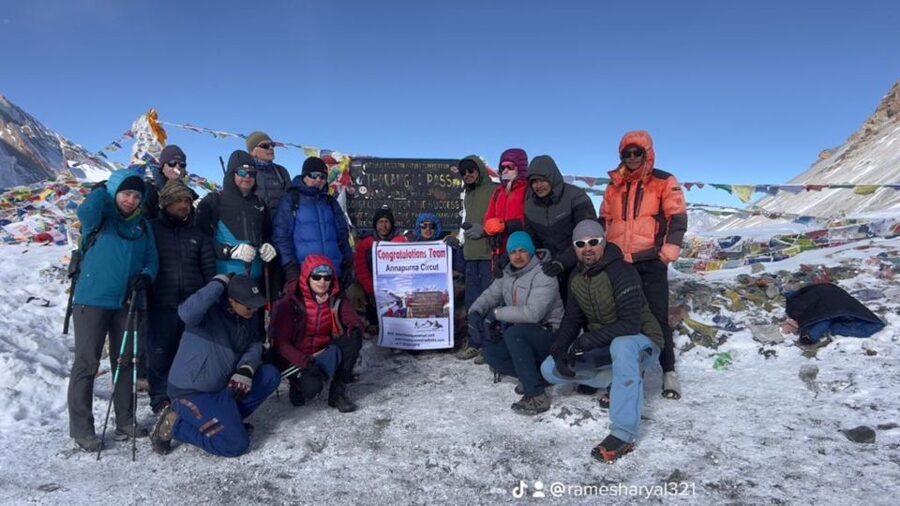
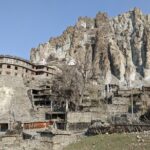
From Chame to Upper Pisang (3,300m) you’re looking at another 6-hour hike. Upper Pisang is the kind of place that feels like it’s perched on the edge of the mountains. You’ll hike through changing scenery and arrive at a village with strong mountain views and plenty of traditional village energy.
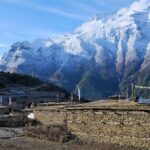
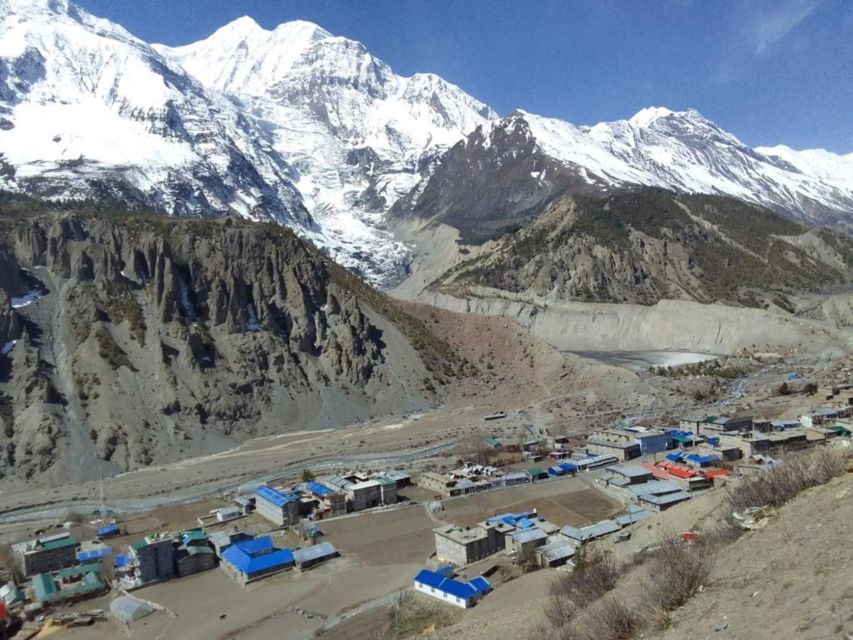
Day 4 continues to Manang (3,540m), again about 6 hours. Manang sits in a broad valley, and the area is framed by peaks like Annapurna II, Annapurna III, and Gangapurna. This is a day where you’ll feel altitude more. Not necessarily in panic mode, but in the slow shift: you move a little slower, you breathe a little more carefully, and you start noticing the difference between “effort” and “grinding.”
One thing I like about staying in Manang as a key stop is that it’s practical. You’re not just passing through; you’re getting set up for your highest altitude work. That matters because the next phase isn’t a normal hike. It’s a body-management phase.
And if you’ve got questions about weather, trail conditions, or how hard you should push, Manang is where you can realistically ask your guide to steer you with common sense, not vibes. In past departures with guides such as Mahesh and Prakash, the pattern was consistent: clear route information, timely adjustments, and an eye on comfort and safety.
Manang Acclimatization Day: The Rest Day That Isn’t Optional
Day 5 is a full acclimatization day in Manang. On paper, it sounds like a breather. In reality, it’s your strategy meeting with your own physiology.
This is when you rest, explore the village, and enjoy panoramic views—yes, but you also give your body time to adapt before the high pass push. That one day can make the difference between “I’m uncomfortable but okay” and “I feel wrecked when the trail steepens.”
What you should do during an acclimatization day:
- Keep movement light. Short walks are fine; long, hard treks are not.
- Drink water steadily. Don’t chug at once, and don’t skip.
- Sleep as well as you can. Your body recovers at night.
- Watch your breathing and energy. If you feel worse, tell your guide early.
In teams guided by people like Keshab, Milani, or Mahesh, a repeated theme is altitude awareness and pacing adjustments. You’ll likely be encouraged to take the mountain seriously without dramatizing it. The goal is steady progress, not hero behavior.
If the weather shifts, Manang is also where that becomes relevant. High routes can change with storms or ground issues, and the better guides are the ones who adjust without panicking. In at least one instance described to the group, the team managed route changes when parts were affected by landslides and still got everyone back safely.
Yak Kharka to Thorong Phedi: High-Altitude Quiet, and Why the Base Matters
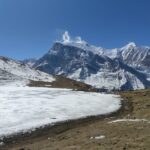
Day 6 takes you from Manang to Yak Kharka (4,050m) in about 6 hours. This is where the trek leans into alpine terrain and grazing pasture vibes. You’ll feel the thinning air more, and the scenery opens up into a quieter, more exposed feeling.
Day 7 then moves you to Thorong Phedi (4,450m), about another 6 hours. Thorong Phedi is the staging point for the pass crossing. That’s not just a label—it’s a psychological moment. This is when you prepare for the next day’s Thorong La challenge.
Why I think Thorong Phedi is such an important stop: your job becomes logistics as much as hiking. You’re likely thinking about how early you’ll start, how your stomach will feel in cold air, and what gear layers you’ll actually use. This is also a good time to eat well, charge what you can, and set yourself up to move fast when the real climb begins.
Also: at these heights, cold can creep in fast even if the daytime sun feels warm. That’s why a warm jacket, hat, and proper gloves (not explicitly listed, but you should assume you’ll need them) are a must. Your flashlight/headlamp becomes more important too if you’re moving early.
One practical tip from real trek logic: if you have extra luggage you don’t need on the trail, use the provider’s luggage storage. Some teams have also coordinated transport of an extra bag from Kathmandu to Pokhara, which is exactly the kind of “small win” that makes packing less stressful.
Thorong La Pass (5,416m) to Muktinath: The Pass Day and the Sacred After-Feeling
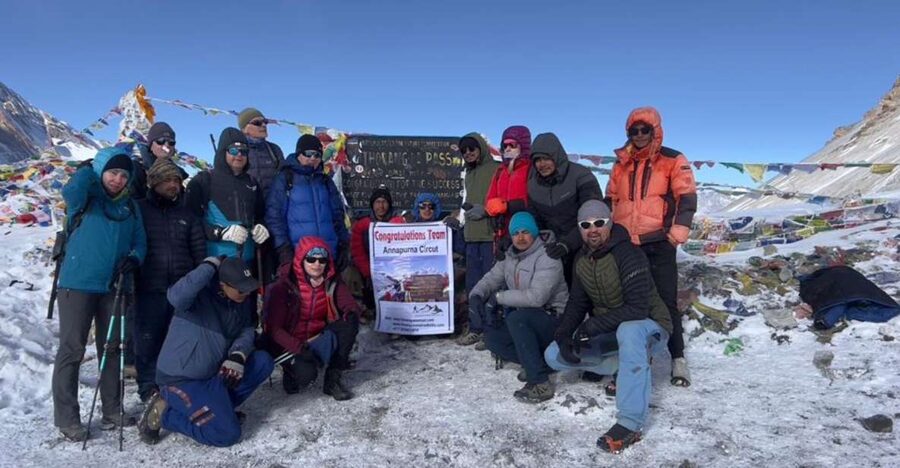
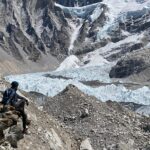
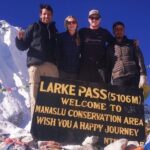
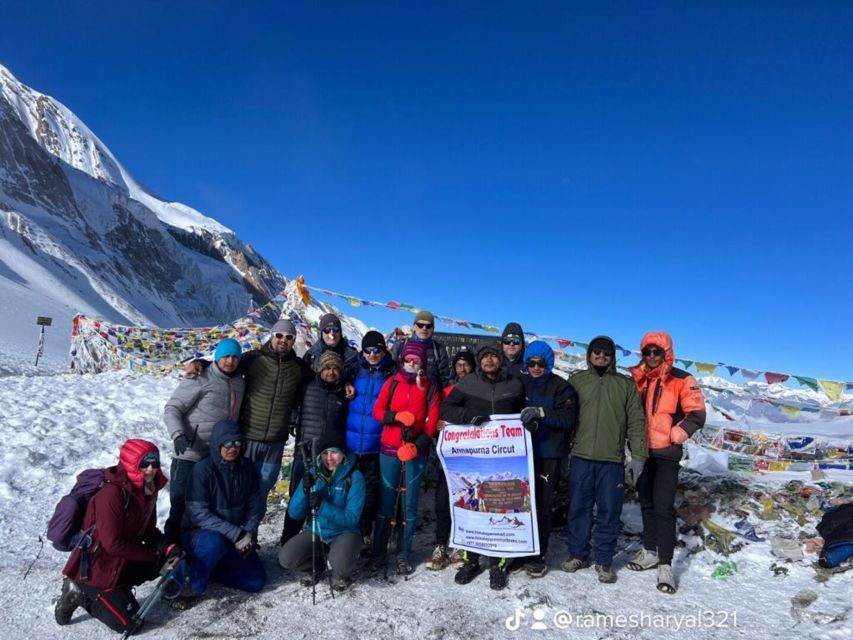
Day 8 is your big one: Thorong Phedi to Muktinath (3,800m) via Thorong La Pass (5,416m). The trek time is listed at about 12 hours, and it’s early start territory. You’ll climb to 5,416m, cross the pass, then descend a long way to Muktinath, a sacred temple area for Hindus and Buddhists.
This day has two moods: effort, then relief.
On the climb, you’ll want to stay controlled. High altitude punishes fast starts. Your best technique is slow and steady, with small breathing corrections and consistent steps. Your guide’s role here isn’t just “leading”—it’s pacing you so you don’t spike your exertion and end up paying for it later.
Then you hit the pass and the views do what they’re supposed to do: they stop time for a second. After that, the descent changes your body temperature, your stride, and your mind. You’ll be tired, and your legs may feel heavy, but the altitude drops enough to make it feel like you’re finally exhaling again.
Arriving at Muktinath adds a different flavor to the trek. It’s not only a scenic reward; it’s a spiritual stop with real cultural meaning. Exploring the village here is a nice break from the purely physical focus of the high route. It’s also where you’ll appreciate the trek isn’t just about a summit number. It’s about community and place.
What to watch: descents can be rough on knees and ankles, especially after a long high climb. Trekking poles are listed for a reason. Use them, and keep your step short when the trail gets loose or steep.
Jomsom to Pokhara: Arid Mustang Air and the Comfort of a Soft Landing
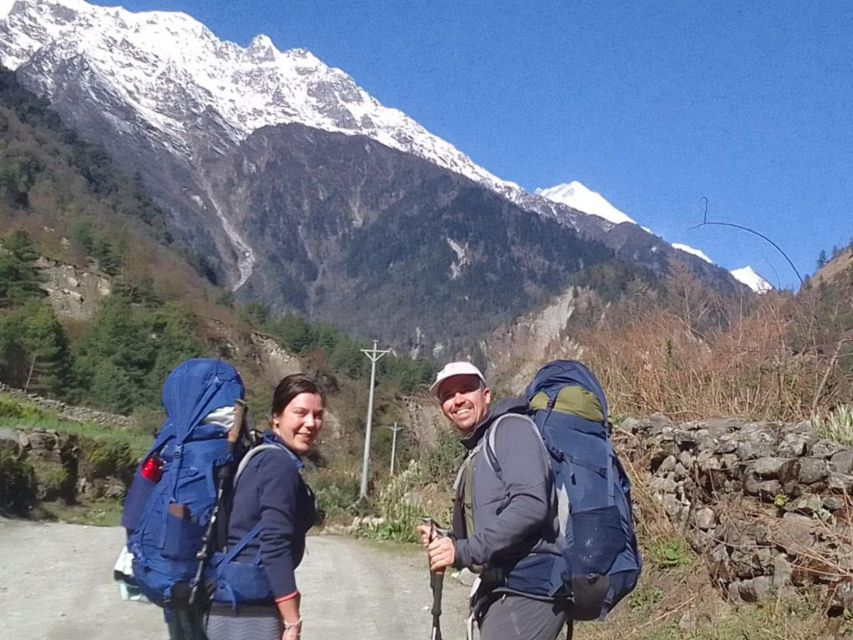
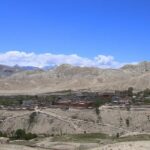
Day 9 brings you from Muktinath to Jomsom (2,720m) in about 5 hours. This is a big visual shift. You’ll descend into windy Jomsom and enter more arid, desert-like terrain associated with Mustang. It’s not the lush valley feel you got earlier. It’s more open, more stark, and often more about air and light than greenery.
Jomsom is also where you see how the trekking route connects to wider mountain travel networks. It’s a town where people come through with different goals, and that adds energy compared with the quieter pass villages.
Day 10 is an 8-hour drive from Jomsom to Pokhara. This is your recovery day—mountain views if the weather is cooperative, then a proper reset in a city setting. The experience includes one night at a tourist-standard luxury hotel in Pokhara, listed as Hotel Orchid, plus a farewell meal in Lakeside Pokhara with Nepalese typical dinner.
This final stretch matters because it turns your trek into a full story, not just a sequence of hikes. After Thorong La, your body is ready for comfort. Pokhara gives you that: warm showers if you choose to pay the cost in water and time, a real bed, and a chance to reflect without worrying about sunrise or trail pace.
Price and Value: What Your $467 Includes (and What You’ll Pay Extra)
At $467 per person for a 10-day guided Annapurna Circuit trek, the value comes down to what’s handled for you versus what you must still manage yourself.
Here’s what’s included in the package:
- Hotel pickup/drop-off
- Transportation pieces: bus Kathmandu to Besisahar, shared jeep to Dharapani, bus Jomsom to Pokhara, plus an AC tourist bus from Pokhara to Kathmandu
- Trekking permits and required paperwork, plus TIMS fees
- Accommodations during the trek (9 nights in tea houses/trek stops) and 1 night in Pokhara at Hotel Orchid
- A farewell Nepalese dinner in Lakeside Pokhara
- Guide and their insurance, and staff expenses (meals, accommodation, salary, equipment, insurance, transportation)
- Luggage storage facility
- Meals during the trek for the full package option (breakfast, lunch, dinner)
What you should expect to pay extra for:
- Soft and hard drinks
- Travel and rescue insurance (high-altitude coverage is strongly implied by the trekking reality)
- International flights and the Nepal visa fee
- Personal expenses: phone calls, laundry, bar bills, battery recharge, extra porters, water/shower costs, and other daily extras
So is $467 fair? For this kind of guided, permit-covered, multi-transport trek—including accommodations and a pass crossing—yes, it often comes out as good value. The key is to choose your package level (especially around meals) and budget for the obvious add-ons (insurance, drinks, and personal gear). If you already own most equipment and you travel light, you’ll feel the savings more.
Gear That Actually Helps on Thorong La (Not Just Looks Serious)
The trek data lists essentials, and you’ll want to treat it as your baseline. At minimum bring:
- Passport or ID card
- Sleeping bag
- Hiking shoes and trekking gear
- Warm jacket, hat, sunglasses, sunscreen
- Socks, daypack, camera, flashlight
- First aid kit and trekking poles
- A water bottle and water plan
- Cash
If you’re traveling with bulky items, remember you’ll have luggage storage. That means you don’t need to carry everything up and down. One practical lesson from a real trek setup: some people rent sleeping bags in Kathmandu and have the rental company return the bags after the trek. The team handled those logistics before the trip ended, which saved hassle.
Also, pack for change. Mountains can swing from clear sunny to cold and snowy conditions. Even if your trek is mostly clear, night temperatures at high elevation can feel sharp. Layering is what keeps you moving without getting stuck shivering.
Finally, plan your personal water and comfort costs. Extra bottled or boiled water, showers, and charging electronics all add up. Bring a realistic budget so the trek stays pleasant, not stressful.
Who This Trek Fits Best (And Who Should Skip It)
This Annapurna Circuit trek suits you if you:
- Want a guided route with real high-altitude achievement (Thorong La at 5,416m)
- Like village life and cultural stops, not only scenery
- Prefer a structured plan with acclimatization built in
- Are comfortable walking 5–6 hours most days, with one big long pass day
It’s not for everyone. The activity data says it is not suitable for pregnant women. Also, if you have health conditions affected by altitude, you should talk to a medical professional before booking (and make sure your insurance covers high altitude).
Should You Book This Annapurna Circuit Trek Over Everything Else?
If you want the Annapurna Circuit experience with solid structure, this is a strong choice—especially because the plan includes a dedicated Manang acclimatization day and a full support setup (permits, transportation, guide, and overnight accommodations). Guides such as Keshab, Bipin, Suresh, Prakash, and Mahesh show up in the style of service that people consistently praise: good pacing, clear route info, and careful altitude attention.
Book it if:
- You’re aiming for Thorong La as the highlight
- You want a guide who focuses on safety and steady progress
- You prefer having the logistics handled, so you can focus on walking and experiencing the villages
Skip or reconsider if:
- You aren’t physically ready for a long high pass day
- You need a low-effort, comfort-only mountain trip
- You can’t or won’t plan properly for cold, altitude, and daily stamina
If your dream is Annapurna with a real pass crossing and cultural stops that feel part of the journey, this trek has the ingredients.
FAQ
How high is the highest point on this trek?
The highest point is Thorong La Pass at 5,416m / 17,769 ft.
What’s the hardest day of the itinerary?
Day 8 is the most demanding: Thorong Phedi to Muktinath via Thorong La Pass, with a long trek time (about 12 hours) and the pass crossing.
Is this a guided trek?
Yes. You’ll have an authorized English-speaking guide. Porter charges are listed as extra if you want one.
What meals are included?
All meals (breakfast, lunch, dinner) during the trek are included for the Full Package option. Soft and hard drinks are not included.
Do I need a sleeping bag?
Yes, the packing list includes a sleeping bag. Some travelers rent one in Kathmandu, and the team has helped with rental logistics in at least one case.
Is this trek suitable for pregnant women?
No. The activity notes it is not suitable for pregnant women.