REVIEW · CALI COLOMBIA
Cali: Pico de Loro Trekking Adventure – Farallones de Cali
Book on GetYourGuide →Operated by Valley Adventours · Bookable on GetYourGuide
Pico de Loro is a workout with a reward. This trek is one of the most respected hikes in the Farallones de Cali area, and it delivers two things I really value: a beautiful nature trail with real environmental talks, plus a serious physical challenge to reach Cali’s most famous peak. The main catch is that the route is steep and demanding, with restrictions for people with certain health issues or mobility needs.
What makes it special is the setting and the way the day is run. You hike inside a protected park with 540 bird species and multiple ecosystems, then you also stop at the environmental education center called El Topacio for context before and during the trek. It’s a small group capped at 7, run in Spanish, Monday through Friday. If you’re not in solid shape, the final approach can be brutally hard.
In This Review
- Key highlights to know before you go
- Why Pico de Loro Feels Like a Real Cali Challenge
- Farallones de Cali National Natural Park: What Makes It Worth the Sweat
- Hitting the Trail: Distance, Timing, and the Steep Reality
- My practical pacing advice
- El Topacio Environmental Center: Learning Without Making It Boring
- The Climb: 45° to 75° Sections and How to Not Blow Up
- What to wear (so you’re comfortable, not sweaty and miserable)
- Summit Moment at 2,860 MASL: Views Are the Point
- The Descent: Your Knees, Your Rhythm, Your Last Chance to Save the Day
- Weather and Packing: Don’t Trust the Sky, Prepare for It
- Price and Value: What $49 Covers (and What It Doesn’t)
- Small Group Dynamics: Why a Cap of 7 Helps
- Who Should Book This Trek (and Who Should Skip It)
- Should You Book Cali: Pico de Loro Trekking Adventure?
- FAQ
- How long is the Pico de Loro trekking adventure?
- What distance and elevation change should I expect?
- What days is the tour available?
- Is transport included from my accommodation?
- What language will the guides speak?
- What should I bring for the hike?
- Is the tour canceled for bad weather?
Key highlights to know before you go
- Farallones de Cali National Natural Park: protected area with 540 bird species
- Pico de Loro ascent: 4.5K up, then 4.5K down on a steep, serious route
- El Topacio education stop: learning moments built into the day
- Steep grades (45° to 75° in some sectors): expect real climbing effort, not a stroll
- Small group of 7: more attention from Spanish guides when the trail gets tough
Why Pico de Loro Feels Like a Real Cali Challenge
This trek is called prestigious for a reason. Pico de Loro sits inside Los Farallones de Cali National Natural Park, which is known for long-standing protection and a strong mix of habitats. That means the hike isn’t just about getting to a viewpoint. You’re walking through changing terrain and learning what’s living there as you go.
I also like that the day is built around a clear goal: reach the summit and enjoy the payoff. You start around 1,600 MASL and go up to about 2,860 MASL. That altitude change isn’t extreme compared to high mountains, but it’s enough to make your body feel the work—especially when the trail tilts steeply.
One more thing I appreciate: the guides plan for short stops. You’re not expected to sprint nonstop. There are breaks during the hike for environmental interpretation and acclimatization, which helps you keep a steadier pace on the hardest sections.
Farallones de Cali National Natural Park: What Makes It Worth the Sweat
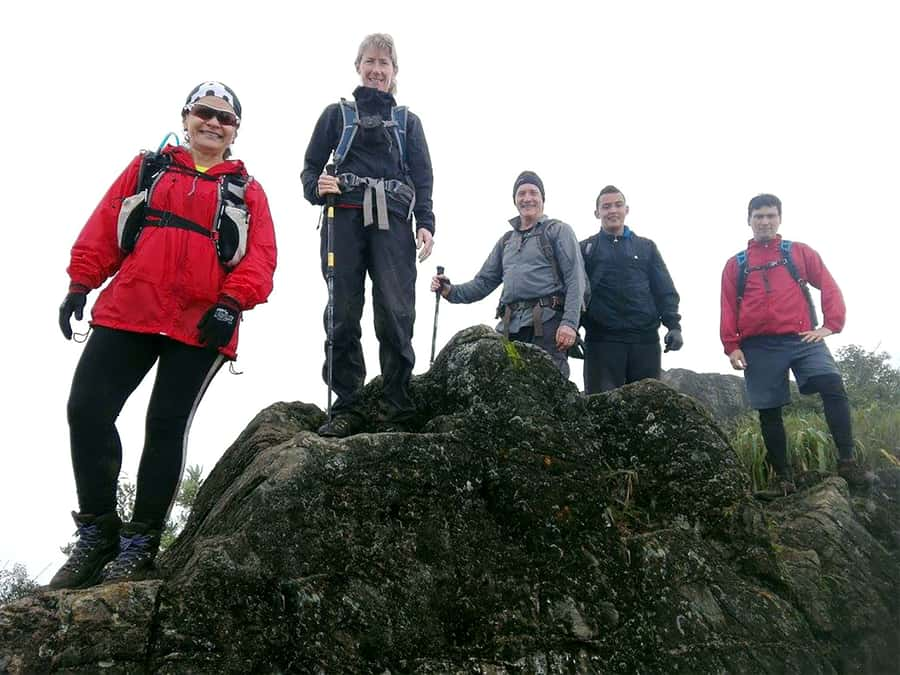
You’re not hiking in some vague green area. You’re in one of Colombia’s protected areas, and this one is described as one of the oldest and most diverse. The park’s big selling point is the variety: 4 ecosystems and 4 thermal floors. Translation for your boots: the terrain and the atmosphere can shift in ways you’ll notice as the trail climbs.
Birdlife is a big part of the park’s identity. The area is associated with 540 bird species, which is impressive enough that you should pay attention with your eyes, not just your phone. Even if you’re not a bird expert, the environmental stops are meant to connect what you’re seeing—plus what you might miss—to why the park matters.
There’s also an indigenous influence in the region. You don’t need to know the details to enjoy that angle. What matters is that the tour includes explanation, not just walking. You’ll get a better sense of how the trail fits into the wider natural and cultural landscape.
Hitting the Trail: Distance, Timing, and the Steep Reality
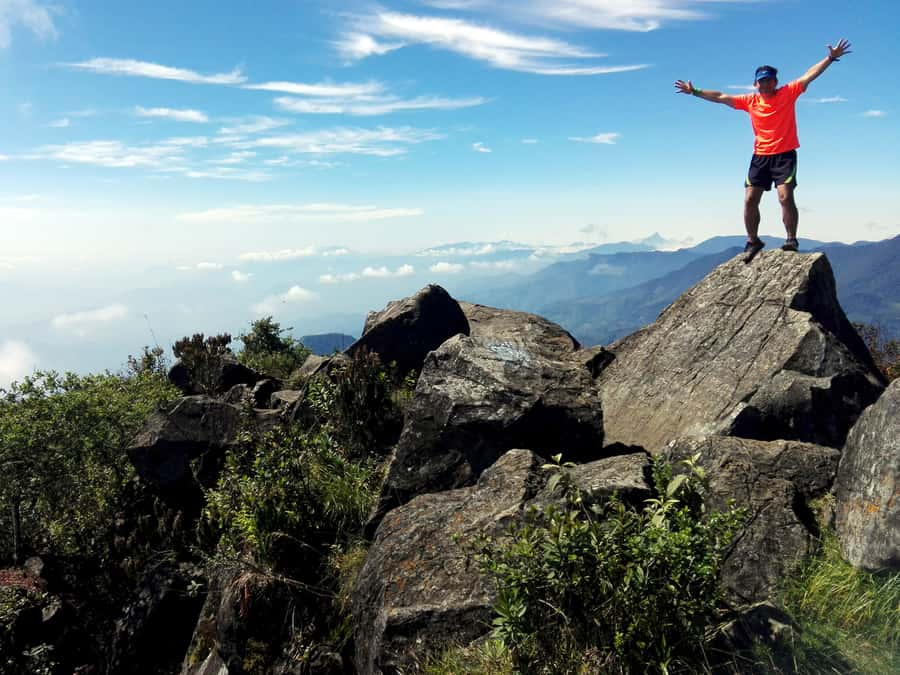
This is a 10-hour hike, priced at $49 per person. The distance is listed as 9K total, split into about 4.5K ascent and 4.5K descent. For a 9K day, that sounds reasonable on paper. On the ground, it’s a different story because the gradient can hit 45° to 75° in some sectors.
So here’s what you should plan for: you’ll be working continuously, with limited chances to coast. The day also includes short breaks and stops for interpretation and acclimatization. That helps, but it won’t turn the day into an easy hike.
The tour runs Monday to Friday, and it’s offered in Spanish, with both a local guide and an expert hiking guide. For me, that combo is a good sign: you usually get local context plus proper trail pacing and safety thinking.
My practical pacing advice
- Start slower than you think you need to. The first part often feels manageable.
- Save your effort for the harder late sections, especially the final push. One of the toughest segments is the last 1.5K, which many people find challenging but also motivating once you keep moving.
El Topacio Environmental Center: Learning Without Making It Boring
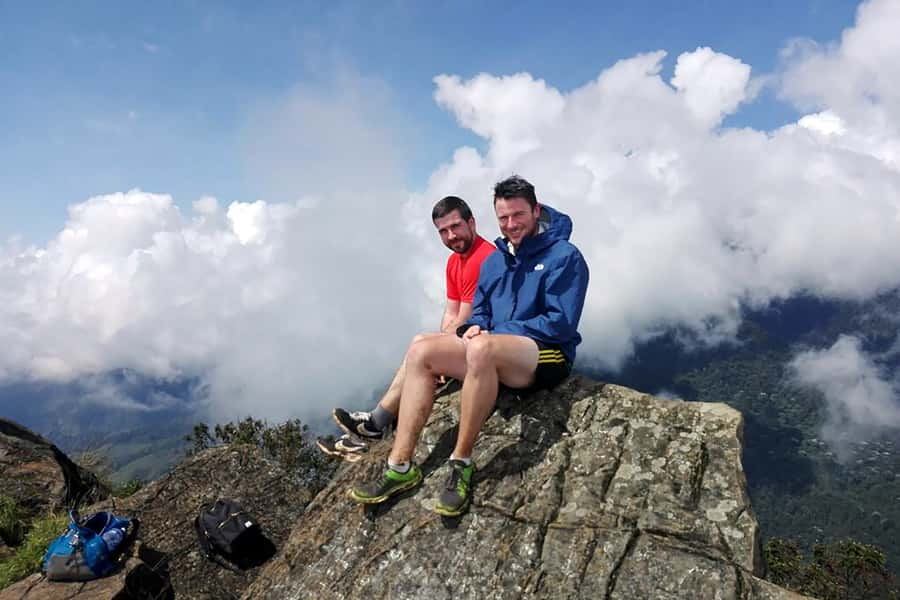
One of the included stops is the environmental education center called El Topacio. That matters because it changes the vibe of the day. Instead of hiking in silence, you get moments where the guide ties the scenery to the park’s bigger picture.
Even if you’re not a “nature lecture” person, these stops can make the trek feel less like punishment and more like understanding. When a guide explains what the park protects and what you might be seeing, you start noticing more. The result is usually better momentum on steep stretches because you’re engaged.
And the tour doesn’t rely only on that center. There are also environmental interpretation stops along the trek. So you’re not stuck in one long session early and then left alone on the trail.
The Climb: 45° to 75° Sections and How to Not Blow Up
Let’s talk about the part that decides whether you enjoy this trek: the climb. The route can include 45° to 75° angles in some sectors. That’s not just “steep.” It’s the kind of slope that forces careful foot placement and steady breathing.
You’ll want footwear with real grip. The packing list calls for hiking shoes, and the advice is to use sports shoes with good grip or hiking boots. This is one of those hikes where a slippery sole turns a bad day into a safety issue.
What I also like in the tour setup is that the plan accounts for acclimatization with short breaks. That doesn’t remove the difficulty, but it helps your body adjust instead of just grinding until you’re exhausted.
What to wear (so you’re comfortable, not sweaty and miserable)
They recommend cool sportswear with long sleeves and pants. I get the logic: in a warm climate, long sleeves can protect you from sun and insects while staying more comfortable than heavy layers. Bring a hat and sunglasses. Sunscreen is also on the list, because you’ll be exposed during the day.
If you’re the type who likes extra support, walking poles are optional. They can help on downhills more than uphills, but either way they reduce the strain on knees when the slope gets angry.
Summit Moment at 2,860 MASL: Views Are the Point
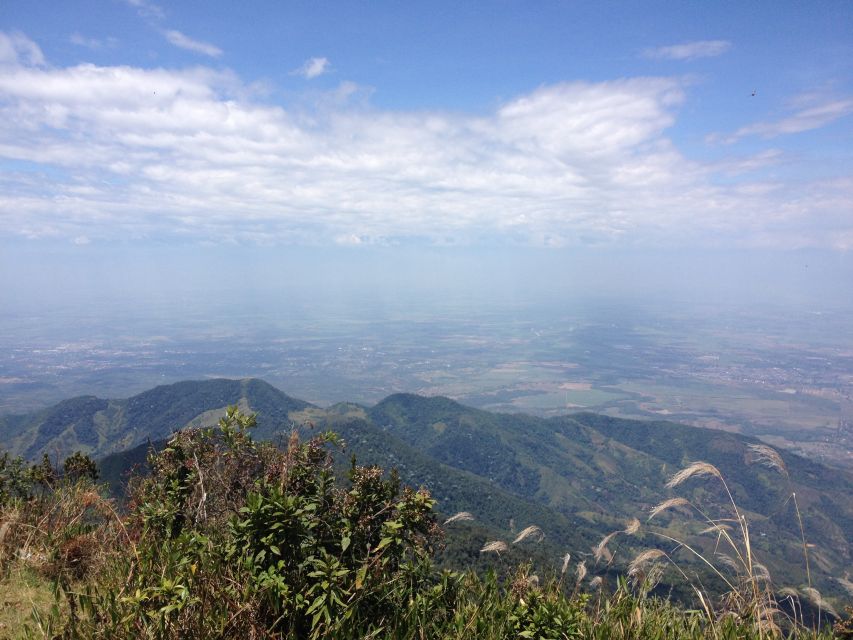
Reaching Pico de Loro isn’t just about checking a box. The tour is described as having rewarding views from the mountain, and the climb’s whole structure is built around that payoff.
The summit altitude is listed at 2,860 MASL. Even if you don’t feel major altitude effects, you will feel the cumulative effort by the time you’re near the top. That’s why the last section gets attention: once you push through it, you’re ready to enjoy the view instead of just surviving to the end.
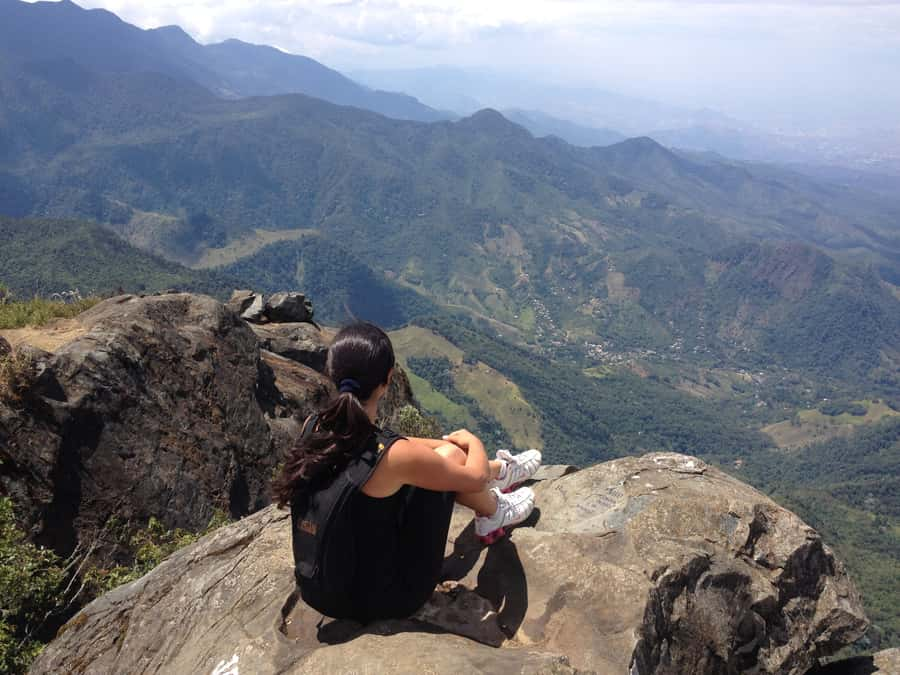
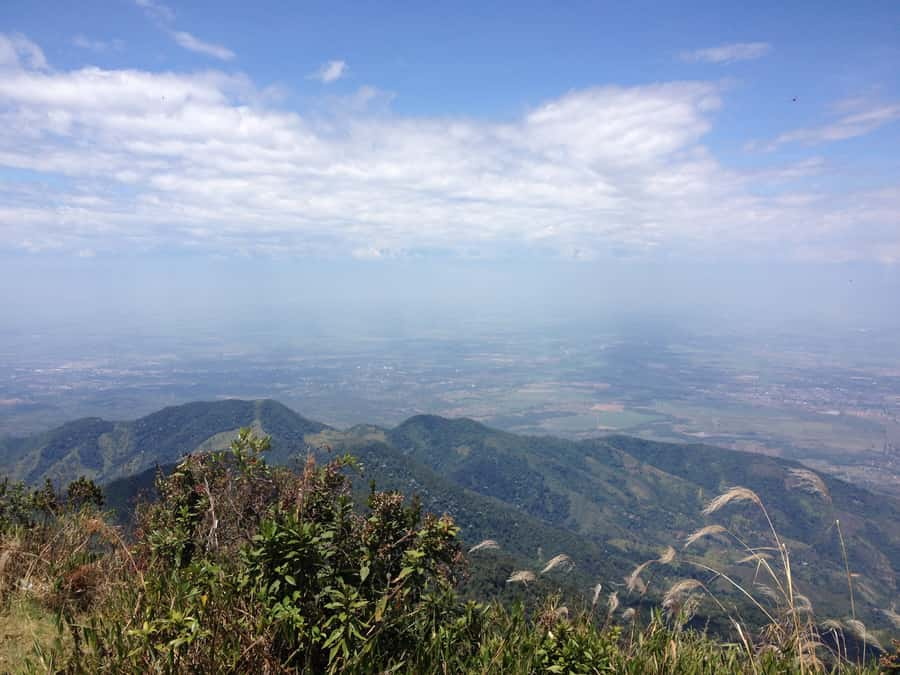
When you pause at the top or near the end of the hardest segment, use that time to steady your breathing and take in the sightlines. The park’s multiple ecosystems and thermal floors can mean you see different textures and layers of green from above. This is one of those hikes where “look around” matters more than staring at one point.
The Descent: Your Knees, Your Rhythm, Your Last Chance to Save the Day
The trek includes about 4.5K descent, and that’s where good habits pay off. Even if the climb is the most intense part mentally, the descent can be rough physically because your knees and ankles are absorbing gravity the whole way.
Keep your steps short. Plant your foot fully before shifting your weight. If you brought poles, this is where they often feel like the smartest choice. The guide will likely pace you through the descent and control the stops, since there are still interpretation breaks along the way.
Also, don’t forget the weather reality. One provided detail is that the tour is not canceled just because conditions look bad. That means the descent could be wet, and slippery rocks would be your least fun scenario. You’ll handle that by wearing grippy shoes and keeping your gear protected.
Weather and Packing: Don’t Trust the Sky, Prepare for It
Bad weather doesn’t automatically stop the tour. Instead, you’re expected to bring waterproof items and store gear properly. The advice is straightforward: what you take to the trail must be waterproof, and you should consider bringing a waterproof or plastic bag to keep items dry.
That matters because the packing list is specific. You’ll want:
- Rain gear
- A way to protect snacks and extra layers
- Sunscreen and insect repellent
- Sun hat and sunglasses
- A towel and swimwear, since the tour pack list includes them
- Sandals for after or for optional comfort moments
One smart move is the “small briefcase” approach described in the info: keep extra clothes, rain poncho or waterproof jacket, hat, sunscreen, and mosquito repellent together. When you need something, you shouldn’t have to unpack your whole bag on a steep trail.
And since the tour is long, snacks matter. Bring enough for the day, plus your water. The use of a camelback is listed as optional, which is usually a good choice for steady hydration without stopping too often.
Price and Value: What $49 Covers (and What It Doesn’t)
At $49 per person for 10 hours, this can feel like good value if you compare what’s included versus what you’d normally pay separately on your own.
Included in the price:
- Local guide in Spanish
- Expert hiking guide in Spanish
- Entrance fee to the natural reserve
- Medical insurance and assistance
- Visit to El Topacio environmental education center
- Ascent to Pico de Loro
Not included:
- Transport
- Pick-up and drop-off at your accommodation
So the value equation is simple. You pay for guides, entry, and safety coverage. You’re not paying for a ride. If you’re already in the Cali area and you can reach the meeting point easily, the cost makes more sense. If you’d need to pay extra for transport, plan that into your budget.
For me, the “medical insurance and assistance” piece is a practical plus, especially on a steep hike where falls or medical issues are more serious than on a flat walk.
Small Group Dynamics: Why a Cap of 7 Helps
This tour is a small group with a max of 7 participants. That’s not just a comfort upgrade. On a steep route, small groups can mean:
- easier communication in Spanish
- more flexible pacing for different fitness levels
- better help when someone struggles on a steep or slippery section
The guidance also includes environmental interpretation and acclimatization stops. In a small group, those stops feel more like you’re part of the hike rather than standing in a line.
And because the tour is limited to Monday through Friday, you’re more likely to get the full guided experience without the “weekend crowd energy.”
Who Should Book This Trek (and Who Should Skip It)
This is only for experienced hikers in good physical condition. The tour explicitly says you won’t be able to do it if you suffer from certain issues, including:
- respiratory problems
- heart problems
- recent fractures
…and it’s also not suitable for:
- pregnant women
- people with back problems
- people with mobility impairments
- wheelchair users
If you’re unsure about your fitness level, be honest with yourself. The steep grades and demanding route mean you need endurance and sure footing. If you sometimes struggle on hills at home, this is not the time to “see how it goes.”
On the other hand, if you love challenging hikes, want a famous Cali summit, and enjoy learning about nature while you move, you’ll likely feel good about the decision. The day is structured for people who want effort and reward in the same package.
Should You Book Cali: Pico de Loro Trekking Adventure?
Book it if:
- you’re a strong hiker and enjoy steep terrain
- you want a real goal-focused trek, not a casual walk
- you like guided environmental context, including a stop at El Topacio
- you can handle a 10-hour commitment and bring the right gear for wet weather
Skip it if:
- you have any of the listed health restrictions (especially heart or respiratory concerns)
- you need mobility-friendly terrain
- you’re not ready for the late-stage difficulty, including the hard final stretch
If you do book, give yourself respect time for recovery afterward. This is one of those hikes where your body will remember the slope, even if the views are fantastic.
FAQ
How long is the Pico de Loro trekking adventure?
The tour lasts 10 hours.
What distance and elevation change should I expect?
It’s listed as 9K total, with about 4.5K ascent and 4.5K descent. You start around 1,600 MASL and reach a final altitude of 2,860 MASL.
What days is the tour available?
This activity is available Monday to Friday.
Is transport included from my accommodation?
No. Transport is not included, and there is no pick-up or drop-off. You need to arrive at the designated meeting point.
What language will the guides speak?
The tour is conducted in Spanish, with both a local guide and an expert hiking guide.
What should I bring for the hike?
Bring your passport or ID, hiking shoes, comfortable clothes, sun hat, sunglasses, sunscreen, insect repellent, snacks, rain gear, and consider items like walking poles and a camelback (optional). The list also includes towel and swimwear, plus sandals.
Is the tour canceled for bad weather?
No. The tour is not canceled in case of bad weather, so you should bring waterproof gear and protect your items. A waterproof or plastic bag is recommended.