REVIEW · ALASKA
Matanuska Glacier Adventure Trek
Book on Viator →Operated by NOVA Alaska Guides, Whitewater Rafting & Glacier Tours · Bookable on Viator
Repelling a glacier is no ordinary hike. The Matanuska Glacier Adventure Trek pairs a wild place you can actually access with small-group attention, safety gear included, and a guide who helps you feel steady from start to finish.
You’ll like the hands-on 1:4 guide-to-client feel, and you’ll also like the extra effort that takes you beyond the most crowded zone into less-visited glacier ground. One possible drawback: this is one of the more challenging glacier options, with 6+ miles of uneven, steep hiking.
I like how NOVA Alaska Guides keeps the experience human-sized. For example, guide Ben has a geology background and calls ahead to talk through your abilities, then checks in again at the start so you know what’s coming. If you want easy glacier sightseeing, this won’t be your trip; if you’re game for work and cold-weather focus, it can be a highlight.
In This Review
- Key things I’d bet on before you book
- Alaska’s most accessible glacier, but not a casual hike
- Getting there from Glacier View: the flow of the day
- Stop 1 and Stop 2: the scenic drive and the State Recreational Site setup
- Stop 3: Matanuska Valley and why context makes glacier time better
- Stop 4 and Stop 5: finishing back on the highway world
- Going beyond Ice Falls: what the Adventure Trek actually changes
- The technical glacier moments: crampons, repelling, and rope help
- Gear and clothing checklist that actually matters
- Price and value: what you pay $225 for, and what to budget extra
- Who should book the Matanuska Glacier Adventure Trek?
- Should you book it? My straight answer
- FAQ
- What’s the duration of the Matanuska Glacier Adventure Trek?
- How much does the tour cost, and what’s included?
- What entrance fees should I expect to pay?
- Do I need prior glacier experience?
- What’s the minimum age and maximum age recommendation?
- Where is the meeting point?
Key things I’d bet on before you book
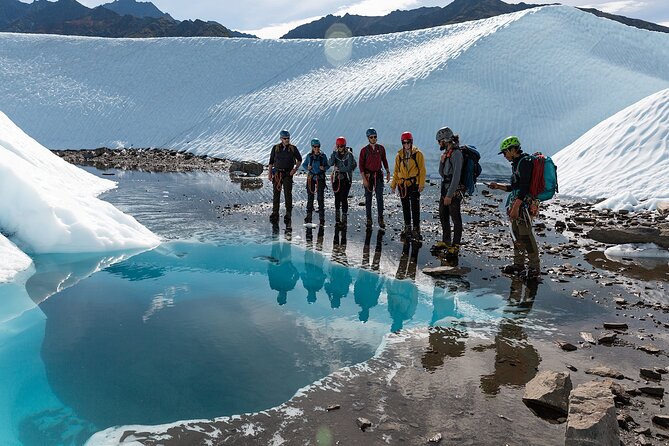
- 1:4 guide ratio means less waiting and more real coaching at your pace
- All the glacier gear is included (helmet, boots, crampons, harness)
- You go beyond the main terminus area for more glacier time off the busiest route
- Technical moments are part of the adventure with repelling and rope work (when conditions allow)
- Short drive from Glacier View keeps your day efficient without losing the glacier experience
- Max 16 travelers helps keep the day from feeling like a moving crowd
Alaska’s most accessible glacier, but not a casual hike
The Matanuska Glacier sits about 100 miles north of Anchorage in the Chugach Mountains, and that matters. Because it’s reachable, you get the real glacier experience without needing weeks of planning or advanced mountaineering logistics.
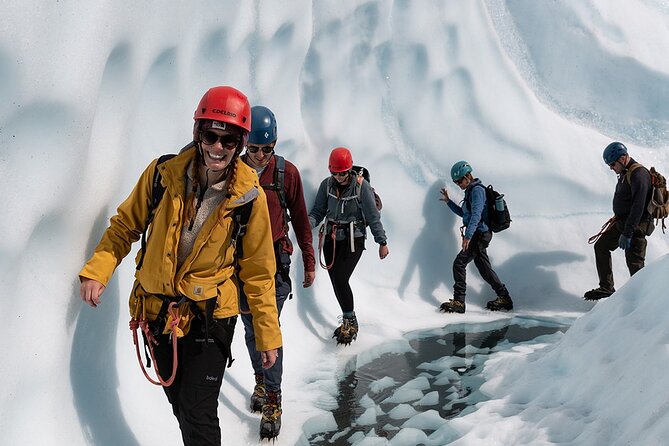
This trek is built for people who want more than a look-and-take-photos stop. You’re not just walking on ice; you’re moving through uneven glacier terrain and learning how to do it safely with proper equipment. The day runs about 6 hours, which is long enough to feel like an actual adventure, but short enough that you can still enjoy the rest of your day in Glacier View.
Also: you do not need prior experience. But you do need physical readiness. The Adventure Trek is described as one of the more challenging glacier trips. Plan for hiking 6+ miles over uneven ground with steep inclines, and be honest with yourself about what that means for your legs.
Getting there from Glacier View: the flow of the day
Your start is at NOVA Alaska Guides, 38100 Glenn Hwy, Glacier View, AK 99674. Then you’ll take shuttle transport to and from the activity. That matters more than it sounds, because glacier days hinge on timing, weather, and equipment fit.
The pace usually follows a simple rhythm:
- travel to the glacier area
- short approach walking
- equipment up (crampons and safety gear)
- the guided glacier hike plus the more technical parts
- return to the meeting point
Because the tour language is English and the group size is controlled, you’re likely to get clearer safety instruction and fewer awkward delays when you’re suiting up. And since you receive a confirmation at booking plus a mobile ticket, you can keep things simple the day of.
If you’re the type who likes a plan, the itinerary is also structured around familiar points along the way, including a scenic drive and then time spent at the Matanuska Glacier State Recreational Site. That structure helps you feel like you’re building toward the glacier instead of arriving and instantly scrambling.
Stop 1 and Stop 2: the scenic drive and the State Recreational Site setup
Stop 1: Matanuska Glacier Scenic Drive
This is your transition moment. You’re moving from the road world into a glacier day mindset. Even though it’s not the “main event,” I find this part helpful because it gives you time to get your layers right and watch how the day is trending (cloud cover, visibility, wind). Glacier conditions can change fast, so having that early buffer helps.
Stop 2: Matanuska Glacier State Recreational Site
This is where you anchor the experience. You’ll spend time at the site before heading into the glacier portion. Importantly, this trek includes the core safety equipment: helmet, boots, crampons, and harness. So part of what you do here is gear prep and fitting—stuff that can make or break how confident you feel once you start moving over ice.
One money detail to plan for: the tour price is $225 per person, but the Matanuska Glacier Park entrance fee is not included. Entrance pricing depends on age and residency status (Adults 17+: $55; Teens 13–16: $25; Alaska residents, military, and seniors 65+: $30). Keep that extra cost in your budget so you don’t get surprised at the last step.
Stop 3: Matanuska Valley and why context makes glacier time better
Stop 3: Matanuska Valley is where the day starts to feel more “Alaska” and less “destination photo.” Even without turning this into a classroom, a glacier trip is easier to enjoy when you understand the terrain you’re walking on and why this place exists.
The Matanuska Glacier is a 26-mile-long advancing valley glacier. That “advancing” detail matters because it hints at movement and change—ice that isn’t frozen in time. When your guide knows the geology (Ben has a geology degree), the conversation can connect what you see to how glaciers shape the valley.
For you, this is more than trivia. It helps you look at features with better instincts—like noticing where the ice might be fractured, where footing could be trickier, and why the day’s route makes sense. You’ll spend less time guessing and more time enjoying.
Also, I like that this kind of context tends to make photos better. When you’re not just snapping at the prettiest angle, you know what the angle is telling you.
Stop 4 and Stop 5: finishing back on the highway world
Stop 4: Alaska and Stop 5: Glenn Highway sound broad, but in practice these are the wrap-up beats. They signal you’re still on a guided schedule with real logistics, not a self-guided wander. You’re likely to see the broader region on either side of the glacier time, and then the day ends back at the meeting point.
A practical note: because weather can affect glacier conditions, your day can feel like it has a steady backbone but still responds to the sky. If you’re traveling with a tight itinerary, don’t schedule anything immediately before or after with no buffer. Build in travel margin so you’re not stressed.
Going beyond Ice Falls: what the Adventure Trek actually changes
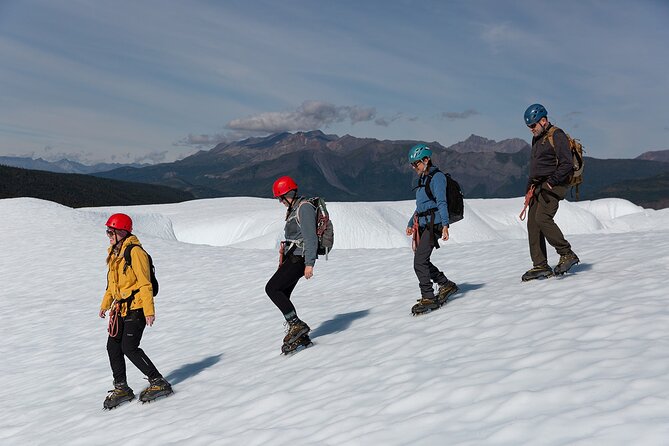
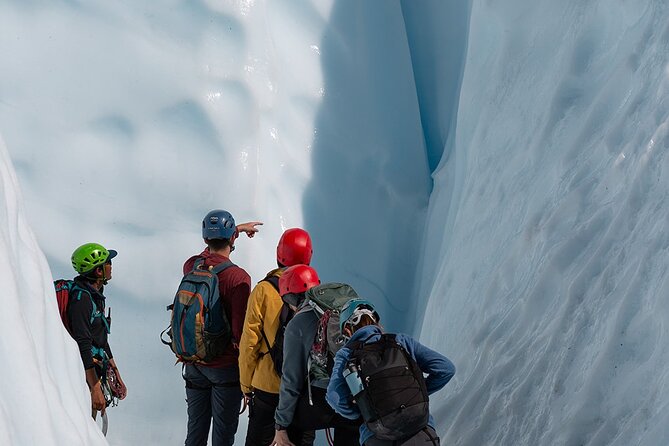
This trek is designed for people who want a more extensive journey. You’ll venture beyond the main terminus area called Ice Falls and explore deeper into the heart of the Matanuska Glacier and less-visited regions.
That’s the value of the Adventure Trek name. The glacier is accessible, yes—but doing the “more” part makes your day feel like you really earned it. The route you take is likely to be more challenging, too, because less-visited glacier areas often mean more uneven surfaces and more route decision-making by the guide.
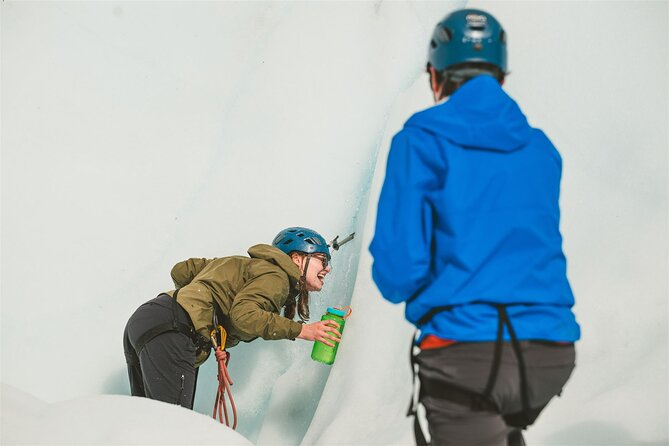
The trip also sets you up for glacier features that are harder to access in easier options. Think “ancient frozen ground” energy—ice with texture, cracks, and formations that you don’t always get when you stop near the easiest viewing areas.
And because you’re not with a huge group, the day feels less like a conveyor belt. The guide-to-client ratio of 1:4 helps you move at a pace that fits your hiking comfort level and photo goals, instead of trying to keep up with a packed line.
The technical glacier moments: crampons, repelling, and rope help
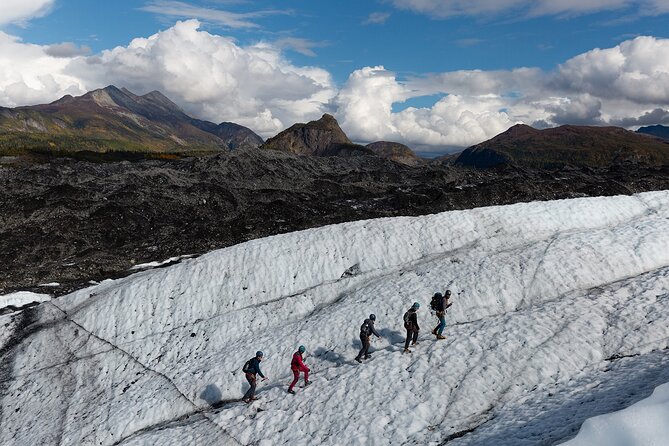
The most adrenaline-friendly parts of this experience come from the glacier being a glacier. You’re not just stepping on ice; you’re doing glacier movement with equipment.
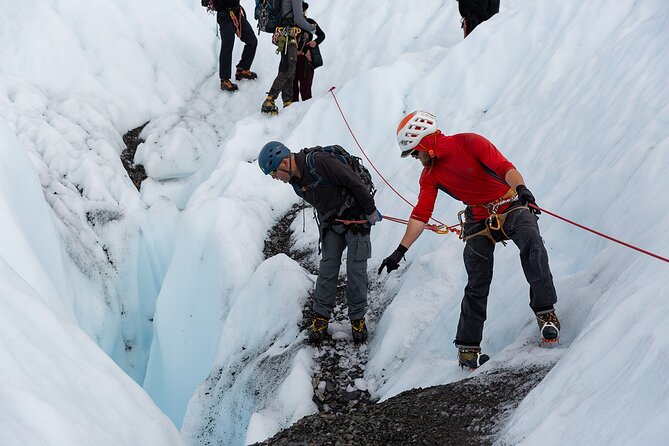
You’ll start with crampons and proper footing. That alone changes how you experience the glacier. I’ve found that once crampons are on and everyone is calibrated, confidence rises quickly—because you stop thinking about slipping every second.
The Adventure Trek style also includes technical elements. One standout example from an Adventure Trek experience was hiking and repelling. The same person also mentioned using hand ropes to climb out of a crevasse. That gives you a good sense of the day’s intensity: you may face moments where the guide teaches a specific technique and expects you to follow instructions closely.
Here’s the realistic mindset to bring: this is guided adventure. Safety instruction isn’t optional talk—it’s part of the adventure. If you can listen, move carefully, and communicate when something feels off, you’ll get more out of it.
Gear and clothing checklist that actually matters
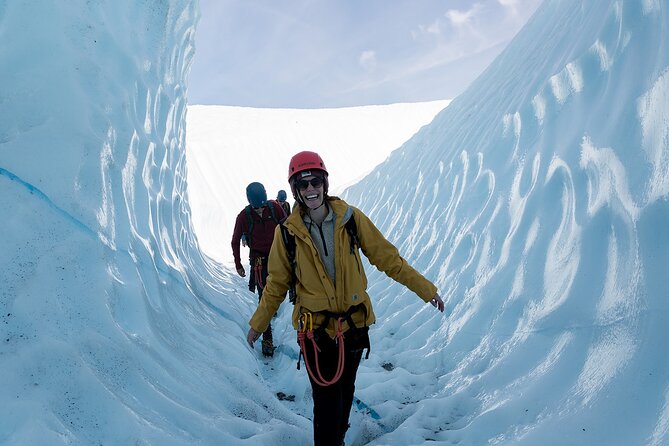
Good glacier days are built on the basics. The tour includes critical gear: helmet, boots, crampons, and harness. That’s a big value because it eliminates the headache of finding the right equipment in advance.
Your job is clothes and planning:
- wear layers (temperature changes during the day, especially during technical segments like repelling)
- plan for cold hands and feet, even when the sun shows up
- bring sturdy footwear only for sizing—since boots are provided, your shoe size range matters
There’s also a specific sizing note: shoe size minimum US 5M / 4.5W and maximum US 14M. If you’re outside that range, confirm fit before you show up.
Glacier trips reward preparation. If you underdress, you’ll still go—but you’ll enjoy less. If you dress right, you can focus on the fun and not on fighting the cold.
Price and value: what you pay $225 for, and what to budget extra
At $225 per person for about 6 hours, this trek sits in the “not cheap, but not random” category. What makes the price make sense is what’s included:
- helmet
- boots
- crampons
- harness
- shuttle transportation to and from the activity
- professional trek guide
That’s real overhead. Equipment fit and safety staffing matter here, and the tour is capped at 16 travelers with a 1:4 guide-to-client ratio, which is part of why the experience feels controlled.
Then there’s the add-on cost: the Matanuska Glacier Park entrance fee. Adults 17+ pay $55, teens 13–16 pay $25, and Alaska residents, military, and seniors 65+ pay $30. On an adult day, you’re looking at roughly $225 + $55 before gratuity, so budget a little cushion.
And yes, gratuity for the guide is not included. If you’ve ever been impressed by safety coaching and technique teaching, you’ll understand why that matters.
One more practical booking insight: this trip is booked about 85 days in advance on average. If you want specific dates, don’t wait for inspiration. Pick your week and secure your spot.
Who should book the Matanuska Glacier Adventure Trek?
This trek is a strong fit if you:
- want a glacier experience with real instruction, not just a view
- can hike 6+ miles over uneven ground and handle steep inclines
- want small-group attention (max 16 travelers, plus 1:4 guidance feel)
- are interested in the “why” of glaciers, not only the “wow”
It’s less suitable if you want an easy outing. This trek is not for sleepy legs.
Age guidance is also clear: it’s not recommended for travelers under 12 or over 67. And if mobility is a concern, you should talk directly with the provider before booking. In one example, the guide Ben took time ahead of the trip to discuss specific ability questions to set expectations for the technical parts.
Weather can affect how the day feels, too. When conditions are good, the glacier time can be bright and energetic. When weather turns, your guide will likely adjust what you do and how you do it.
Should you book it? My straight answer
Book the Matanuska Glacier Adventure Trek if you’re ready for a challenging hike and you want the glacier to feel hands-on. The mix of included equipment, small-group attention, and technical glacier time is what separates this from a simpler glacier stop.
Skip it if you want easy terrain, minimal instruction, or an experience that stays mostly at the viewing-zone level. This is adventure with a job to do.
If you’re on the fence, decide based on one question: can you comfortably hike 6+ miles over uneven ground with steep sections? If yes, you’re probably in the right place.
FAQ
What’s the duration of the Matanuska Glacier Adventure Trek?
It’s approximately 6 hours.
How much does the tour cost, and what’s included?
The tour costs $225.00 per person. Included items are helmet, boots, crampons, harness, shuttle transportation to and from the activity, and a professional trek guide.
What entrance fees should I expect to pay?
The Matanuska Glacier Park entrance fee is not included. Pricing listed is Adults (17+): $55, Teens (13–16): $25, and Alaska residents, military, and seniors (65+): $30.
Do I need prior glacier experience?
No prior experience is necessary. That said, this trek is described as one of the most challenging glacier trips and requires physical fitness for hiking 6+ miles over uneven ground with steep inclines.
What’s the minimum age and maximum age recommendation?
It’s not recommended for travelers under 12 years or over 67 years.
Where is the meeting point?
Meet at NOVA Alaska Guides, 38100 Glenn Hwy, Glacier View, AK 99674, USA. The activity ends back at the meeting point.