REVIEW · ISLAMABAD
Nangma Valley Trek- The New Trending Place for Adventure lovers
Book on Viator →Operated by Skardu Expedition · Bookable on Viator
Some treks change your posture. The Nangma Valley Trek does it fast, with high Karakoram drama: glaciers, crystal-clear streams, alpine meadows, and big peaks like K6 (7,282m) plus rock stages including Amin Brak and Kolpin Peak, all in Pakistan’s Gilgit-Baltistan region.
I especially like the way the trek builds from long jeep time into walking days, so you’re not thrown straight into the deep end. I also like the human side of Skardu Expedition: in past trips, the guide support has been praised for being friendly, well informed, and practical about where the views and photos will actually be best, not just where the map says.
A fair caution: this is weather-dependent and involves flights and mountain travel connections. If conditions or flights don’t cooperate, the plan shifts with road routes like a drive to Chilas, and the overall trip still needs good conditions to keep the trekking days on track.
In This Review
- Key things to know before you go
- Northern Pakistan Peak Country: Where Nangma Valley Fits in the Karakoram
- Your First Day in Pakistan: Islamabad Arrival and the Skardu Jump
- Skardu City Day: Not Just Waiting Around
- Jeep to Kanday: 5–6 Hours That Sets the Tone
- Kanday to Mingulo Broq: Your First Proper Trek Day
- Amin Brak and the Rock Factor: When Effort Shows Up
- K6 at 7,282m: The Short Push With Big Energy
- Nangma Rest Day: Pictures, Videos, and Stillness
- Trek Back to Kanday and the Return Drive to Skardu
- Islamabad Sightseeing: Pakistan Monument, Faisal Masjid, and Daman-e-Koh
- Price and Logistics: Is $2,500 Worth It Here?
- Who Should Book This Trek (and Who Might Rethink It)
- Should You Book Nangma Valley Trek With Skardu Expedition?
- FAQ
- How long is the Nangma Valley Trek?
- Where does the tour start and how do transfers work?
- What are the main highlights on the trek?
- Is there a day to rest in Nangma Valley?
- What happens if a flight is cancelled during the trip?
- What does the price include?
- What if the trek can’t run due to weather or low number of travelers?
Key things to know before you go
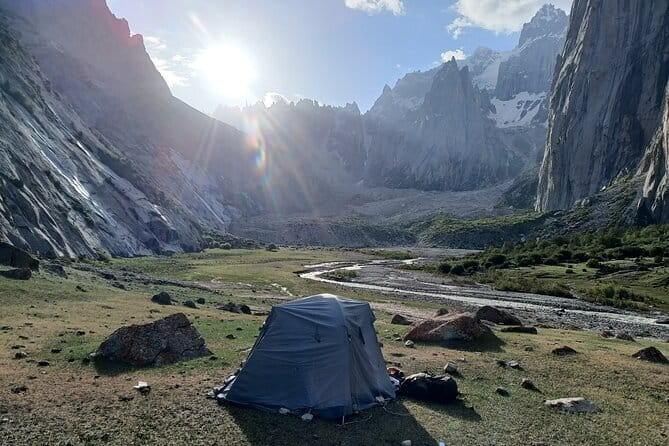
- K6 at 7,282m gives the trek its headline altitude moment
- Amin Brak is a hard rock stage, so take fitness seriously
- Jeep-to-trek rhythm: 5–6 hour drive days turn into 2–5 hour hiking pushes
- Flight-cancel backups include drives to Chilas at key points
- Private group setup means it’s just your party, not a crowded bus vibe
- Skardu Expedition’s support team (guides plus cooks and porters) is a big part of the value
Northern Pakistan Peak Country: Where Nangma Valley Fits in the Karakoram
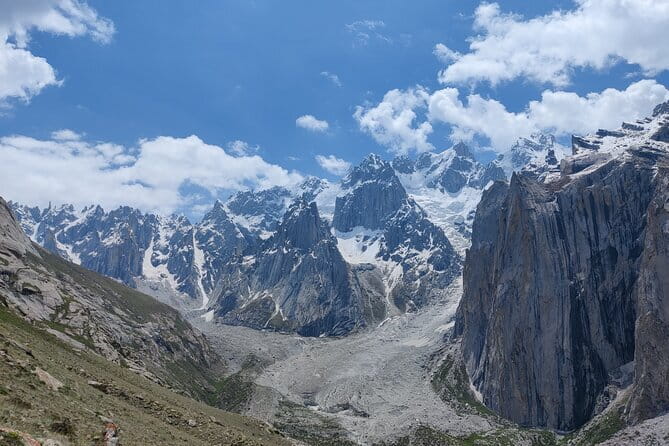
The Karakoram Range has a way of making your brain quiet. You stop thinking about schedules and start tracking light on ridges, the color of distant snow, and the way valleys open up around you. That’s what makes the Nangma Valley Trek so compelling: it’s not a short viewpoint walk, it’s a multi-day route through remote terrain that feels far from everything.
This trek is also getting wider attention in 2025, including being named by The New York Times in its list of 52 Places to Visit. That kind of recognition isn’t just publicity. It usually happens when a destination has enough scale and authenticity that it actually works for visitors who want something real, not staged.
One more reason people get hooked: the route mixes very different mountain textures. You’re not only dealing with elevation; you’re also dealing with changing surfaces and scenery. You’ll see alpine meadows and streams, and you’ll deal with glacier country in the broader environment of the trek, with big peaks towering over the valleys.
For you, the key is figuring out whether you want a trekking experience that feels like it has weight. If you’re after a relaxed nature stroll, this probably isn’t the right fit. If you want mountains that demand effort, this is the sort of trip that sticks.
You can also read our reviews of more tours and experiences in Islamabad.
Your First Day in Pakistan: Islamabad Arrival and the Skardu Jump
The trek starts with an easy landing: you’re picked up at Islamabad International Airport and transferred to a hotel. This matters more than it sounds, because on day one you want calm, not chaos. By the time you’re sleeping, you want your head in the right place for the long days ahead.
Then comes the next connection: you’re received at Skardu Airport and transferred again to your base. If a flight gets cancelled, the plan shifts and you go by road from Islamabad to Chilas instead. That kind of backup is valuable because northern Pakistan travel can be weather-sensitive, and the mountains don’t care about your calendar.
What I like about this approach is that it’s not a hand-wavy promise. The trek doesn’t pretend travel is guaranteed; it builds in a practical alternative. You should still be mentally ready for schedule changes, but you won’t be left guessing what happens next.
Skardu City Day: Not Just Waiting Around
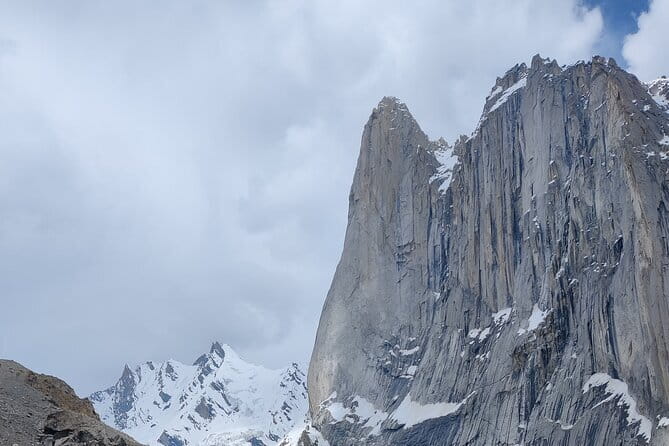
Skardu gets a full day. That’s a smart choice for two reasons.
First, it helps you adjust to the region before you start moving toward the trekking trail. You’re in mountain country, but you’re not yet living on a schedule of climbs, descents, and camp-style days.
Second, you can use the time to get your bearings: local sights, a walk around the city feel, and getting comfortable with the idea that logistics here are part of the adventure. It’s also a good moment to handle small needs like snacks, basics, or getting your gear checked with your team.
In past experiences with Skardu Expedition, guides have been praised for being well aware of where the best viewpoints are for pictures. That kind of guidance tends to work because the team understands the terrain and timing, not just the route. A city day gives them room to set you up for what the mountains will look like as the days unfold.
Jeep to Kanday: 5–6 Hours That Sets the Tone
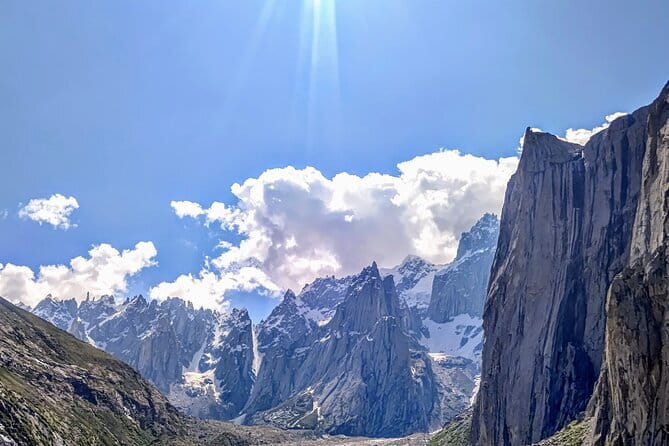
After Skardu, the trip moves into real terrain movement: a 5 to 6 hour jeep journey from Skardu to Kanday.
This is one of those travel segments that can feel long, but it’s also part of the payoff. Jeep days are where the scenery starts to sharpen. You trade urban routines for mountain reality, and you see how the valley system works as you travel.
For your planning, think of this as a transition day. If you’re the type who likes “start easy,” you’ll probably appreciate it. If you’re the type who hates long transfers, you might want to mentally prepare for a slower morning-to-evening rhythm.
Packing-wise, treat the jeep day like part of the trek: keep water and a light layer accessible, and make sure you’ve got essentials within reach. Once you leave this comfort zone, you won’t want to scramble for items every time you stop.
Kanday to Mingulo Broq: Your First Proper Trek Day
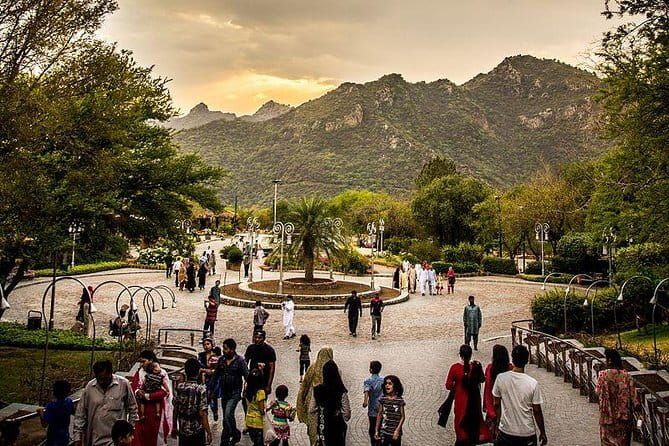
Your first walking day goes from Kanday village to Mingulo Broq, roughly 4 to 5 hours of trekking.
This portion matters because it sets your body’s tempo for the rest of the trek. It’s not the hardest stage on paper, but it’s still a real hike. Expect your pace to feel more demanding as the day continues. If you start too fast, you’ll pay later.
I like that the structure builds. After the jeep, you get a day that tests stamina without turning into a full-on grinder immediately. It’s a good ramp into the bigger challenges ahead.
This stage is also where you start noticing how the environment changes. Even without having every exact detail of the trail described, you can trust the region’s character: valleys, open views at turns, and mountain texture that makes each hour feel different.
If you care about photos, this is often where you get the best momentum. You’re warmed up enough to walk steadily, and the light can work well while you’re still fresh.
Amin Brak and the Rock Factor: When Effort Shows Up
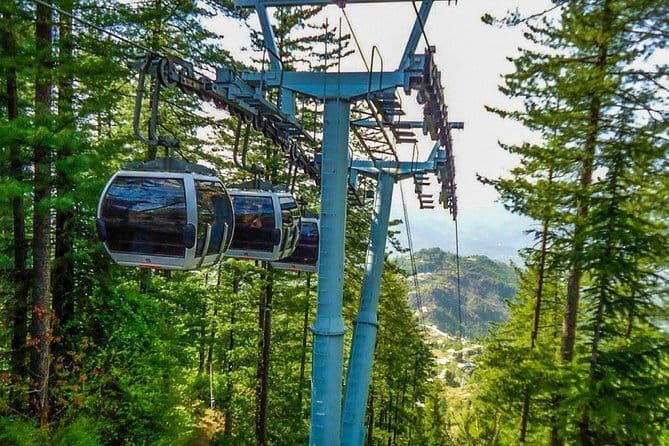
Next comes a 3 to 4 hour trek, and the highlight is the Amin Brak rock stage described as hard and mighty.
This is where you should be honest with yourself. Rock stages typically mean uneven footing and a need for concentration, not just leg strength. Even if the time on paper looks manageable, the difficulty can feel bigger because you’re working harder per step.
From a value perspective, this is one of the trek’s strengths. The route isn’t just about walking through scenery; it includes the kinds of mountain features that make the trek feel like a true expedition rather than a scenic stroll.
For you, the practical takeaway is simple:
- Keep your pace controlled.
- Don’t fight the terrain.
- Use your support team’s guidance when foot placement matters.
Also, if you’re tempted to treat the rock stage like a quick photo stop, don’t. The safest and most enjoyable approach is steady movement first, pictures second.
K6 at 7,282m: The Short Push With Big Energy
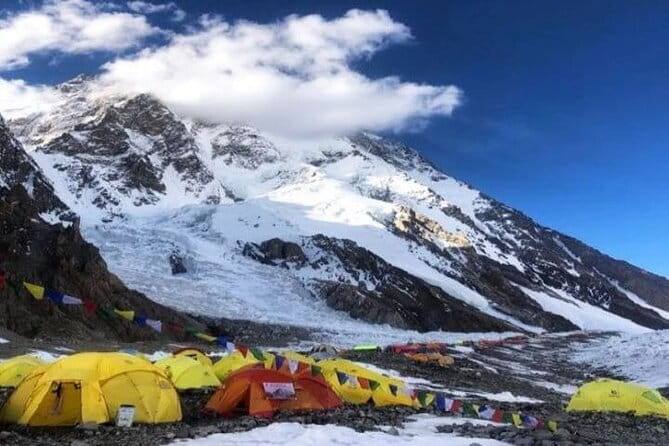
Then you move into the around 2 hour trek to K6 (7,282m).
Two hours sounds short, and that’s exactly why it can be so intense. The time isn’t always the measure of difficulty; height, exposure, and the body’s ability to function matter. K6 is the trek’s anchor peak, and even a shorter push at altitude can feel like a different kind of workout.
This is also the day where your planning should be most disciplined. If you tend to push through discomfort, this is the day to slow down and listen to your body. Even if you’ve hiked before, altitude has its own rules.
I like that the trek gives you a clear peak moment without making it a week-long summit slog. That keeps the schedule human. You get the payoff, you keep moving, and you still have time for recovery later.
And because K6 is part of the story, it also acts as a mental anchor for the whole trip. You’ll understand why the earlier days matter once you’re facing that summit energy.
Nangma Rest Day: Pictures, Videos, and Stillness
After the peak moment, you get a rest day in Nangma Valley. This is the time to capture pictures and videos, and to enjoy the nature without the pressure of moving to the next camp every day.
This rest day isn’t filler. It’s your chance to process what you just did. You’ll often find that once the big physical push is over, you suddenly notice details you missed while hurrying through climbs—cloud behavior, the way valleys breathe in the morning, and the feel of quieter mountain hours.
If you’re the kind of traveler who enjoys content, this is also where you’ll actually get usable shots. You’re not constantly timing your photo with the pace of your body. You can step back, watch light shift, and take a breath.
Just keep one rule in mind: rest doesn’t mean do nothing. It means move gently. Stretch. Hydrate. Keep your body loose so the return journey feels manageable.
Trek Back to Kanday and the Return Drive to Skardu
When it’s time to head back, you trek from Nangma Valley to Kanday village, then drive back to Skardu.
A return day is always psychologically different. Your legs are tired, even if the terrain feels familiar. The good news is that you already did the hard work of getting into the rhythm.
The trick on the way back is to avoid shortcuts in your thinking. You still need careful foot placement. Long days can make you careless if you’re thinking only about getting done.
Once you reach Skardu again, the goal is to recover, not to overplan. Treat it like a recharge day so you have energy for the final transition back toward Islamabad.
Islamabad Sightseeing: Pakistan Monument, Faisal Masjid, and Daman-e-Koh
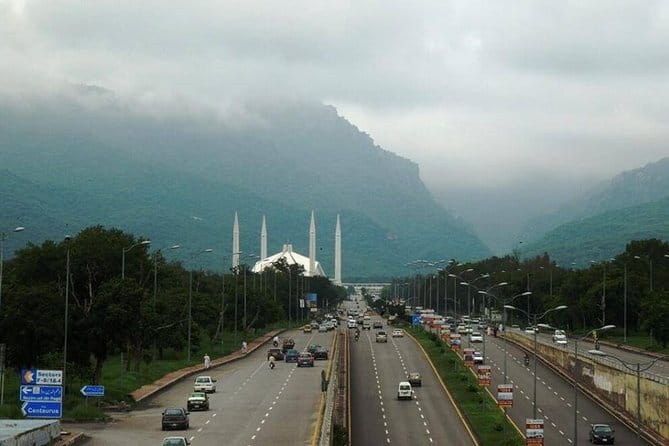
Near the end, if flight timing allows, you fly back to Islamabad (and again, if flights are cancelled the backup includes a drive to Chilas). After that, you get a sightseeing day in Islamabad with stops including the Pakistan Monument, Faisel Masjid, and Damn E Koh.
This is a nice way to land your adventure. The mountains take over your attention for days. Then the city brings you back to real-life scale: big architecture, open sightlines, and a totally different kind of photos.
It also helps you close the loop emotionally. The trek feels like an entire world. Islamabad at the end feels like the reset button.
If you’re short on energy, don’t worry about trying to do everything at the same pace. Prioritize the sights that matter most to you, then give the rest to rest and slow wandering.
Price and Logistics: Is $2,500 Worth It Here?
At $2,500 per person for about 12 days, you’re paying for more than days in a valley. You’re paying for a mountain operation: the movement between Islamabad and Skardu, the jeep transfer to Kanday, trekking stages, and the wrap-up back to Islamabad, plus support on the ground.
The value is easiest to see in three areas:
1) Private group setup
You’re not sharing the experience with a random crowd. That typically makes coordination easier and keeps the pace more suited to your party.
2) Support team strength
Past trips with Skardu Expedition highlight guides, cooks, and porters, with praise for organized planning and a guide who knows where to aim for better views and photos. That kind of on-the-ground competence is exactly what keeps a mountain trek smooth.
3) Practical travel backups
A plan that includes road transfers like Chilas if flights cancel is more than a detail. It reduces the chance that your trip collapses under real-world disruptions.
What’s the biggest “gotcha” with the price? It’s not the number itself. It’s your willingness to deal with weather and timing. This trek requires good weather. If conditions are bad, you may be offered another date or a refund. So the real question is whether your schedule has flexibility.
Who Should Book This Trek (and Who Might Rethink It)
I’d steer you toward the Nangma Valley Trek if you want:
- big Karakoram peaks like K6 as a real goal
- a route that mixes trekking hours with high-effort rock terrain like Amin Brak
- a tour that feels structured and supported on the ground
- scenery that comes in different forms, from valley calm to mountain intensity
I’d pause if:
- you have limited trekking experience and want only easy days
- you can’t handle schedule changes tied to weather or flight disruptions
- you’re sensitive to altitude challenges, since K6 at 7,282m is part of the trek’s focus
The good news is that the trip is described as something most travelers can participate in. That doesn’t remove the need for fitness. It just means it’s not described as impossible for the general active traveler—especially if you prepare sensibly.
Should You Book Nangma Valley Trek With Skardu Expedition?
I think you should book if your priority is an authentic mountain trek with real peak energy, not just scenery from a vehicle. The combination of K6 height, the Amin Brak rock stage, and the careful day-by-day rhythm from jeep to trail makes the route feel like a true Karakoram experience.
Book if you like the idea of traveling with an operator that’s been praised for warm, friendly guide support and for being practical about where the views and photos will be best. That kind of experience value is hard to fake, and it shows up in the way a trek runs.
I’d wait if your schedule is tight or your body isn’t ready for uneven rock terrain and altitude pressure. In that case, consider a different trek with lower altitude goals.
If you are flexible and reasonably fit, this is the sort of trip that turns northern Pakistan into a memory you keep revisiting.
FAQ
How long is the Nangma Valley Trek?
The trek lasts about 12 days.
Where does the tour start and how do transfers work?
You’re picked up at Islamabad International Airport, transferred to a hotel, then received at Skardu Airport. From there, the route includes jeep travel and trekking stages.
What are the main highlights on the trek?
Key highlights include the K6 (7,282m) mountain and rock terrain such as Amin Brak and Kolpin Peak, along with time in Nangma Valley.
Is there a day to rest in Nangma Valley?
Yes. There is a rest day in Nangma Valley focused on enjoying nature and taking pictures and videos.
What happens if a flight is cancelled during the trip?
If a flight gets cancelled, the plan includes road travel to Chilas. This backup is mentioned both early in the trip and on the return toward Islamabad.
What does the price include?
The tour notes include pickup offered and a mobile ticket. It is also described as a private tour/activity for only your group.
What if the trek can’t run due to weather or low number of travelers?
The experience requires good weather. If it’s cancelled due to poor weather, you’ll be offered a different date or a full refund. It can also be cancelled if a minimum number of travelers isn’t met, with a different date or a full refund offered.