REVIEW · ISLAMABAD
11 Days Trek Nanga Parbat Base Camp & Hunza Gojal Valley
Book on Viator →Bookable on Viator
Nanga Parbat starts with a city zoo. This 11-day private route mixes big-mountain goals with classic northern Pakistan sights—especially the Nanga Parbat base camp visit and the Hunza Valley day(s) with forts and lakes. One heads-up: accommodation and meals aren’t included, so you’ll need to budget those separately (or confirm what’s covered for your specific booking).
You’ll also appreciate the pacing and support. It’s set up as a private experience, with staff and a guide focused on keeping you safe and well looked after, and it starts at 8:00 am from Islamabad Intl Airport with the trip finishing back near your meeting point.
In This Review
- Key things to know before you go
- Nanga Parbat and Hunza in one trip: why this route works
- Day 1 in Islamabad Zoo: a low-pressure start
- Kaghan Valley approach: Naran, Lulusar Lake, Babusar Top, and Chilas
- Nanga Parbat days: first impressions and base camp time
- Fairy Meadows option: not just a photo stop
- Hunza Valley: forts, Attabad, and the feel of old routes
- Altit Fort and Baltit Fort: why these stops matter
- Gojal Valley and the drive to Sost: roads, elevation, and anticipation
- Khunjerab Pass and Khunjerab National Park: the big-altitude finale
- Returning to Chilas and back to Islamabad Zoo: how to end well
- Price and value: what $2,516 buys, and what you must budget
- Who this trip suits best (and who should think twice)
- Guide support and safety: the part you feel most later
- Practical packing tips for this kind of route
- Should you book 11 Days Nanga Parbat Base Camp & Hunza Gojal Valley?
- FAQ
- FAQ
- How long is the trek and tour?
- Where does the experience start and end?
- What is the meeting point and start time?
- Is this a private tour?
- Are accommodation and meals included?
- What major stops are included?
- Is Fairy Meadows included?
- Is pickup offered?
- What happens if weather is poor?
- What is the cancellation policy?
Key things to know before you go
- Nanga Parbat base camp goal plus time in the Fairy Meadows area, with an option to take it easy
- Hunza and Gojal Valley touring built around iconic viewpoints and cultural stops
- Khunjerab Pass and Khunjerab National Park as the high-mountain highlight near Sost
- Altit and Baltit Forts stop, which adds depth beyond photos and scenic drives
- Private group experience so the schedule can stay focused on your party
Nanga Parbat and Hunza in one trip: why this route works
This isn’t just a mountain checkbox trip. It’s a mix of two things people usually have to choose between: time getting to know northern Pakistan, and the big, emotional payoff of reaching Nanga Parbat base camp. The best part is how the itinerary threads them together. You start with travel days that aren’t wasted, then you shift into higher-altitude focus, then you round it out with the Hunza/Gojal area—famously scenic and deeply cultural.
If you care about value, this structure helps. You’re not paying once for transportation to one hard destination and then getting stuck with “only road days” after. Instead, you get meaningful stops along the way—lakes, viewpoints, historic forts, and the Khunjerab region—so your time in-country feels dense.
The tradeoff is simple: because accommodation and meals aren’t included, your total trip cost can rise if you’re not planning your stays and food budget ahead of time.
You can also read our reviews of more tours and experiences in Islamabad.
Day 1 in Islamabad Zoo: a low-pressure start
Most mountain trips start with stress: early flights, transfers, and trying to get organized. This one gives you a gentle landing. You begin from Islamabad Intl Airport around 8:00 am, then spend Day 1 at Islamabad Zoo.
Is it the reason you booked? Probably not. But it’s useful. It gives you a chance to adjust to the city rhythm, keep your travel day from vanishing into logistics, and get a baseline feel for Islamabad before you head out toward the mountains.
If you’re someone who likes structure, you’ll also appreciate that the trip is arranged to start and finish in Islamabad, with the end tied back to your meeting point.
Kaghan Valley approach: Naran, Lulusar Lake, Babusar Top, and Chilas
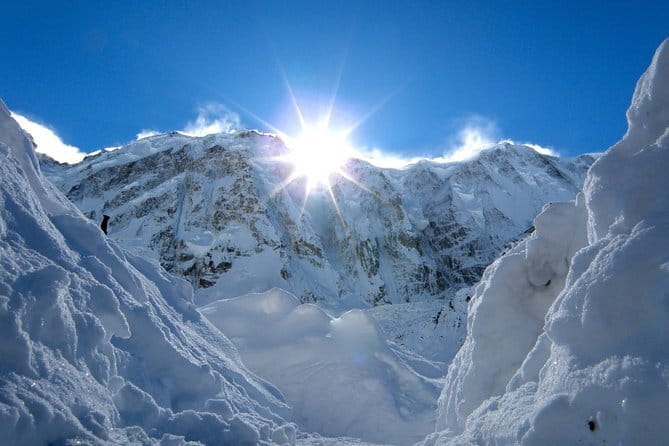
Day 2 shifts the mood. You move into the Kaghan Valley area, starting with breakfast in Naran, then continuing toward Lulusar Lake and Babusar Top, before reaching Chilas.
What I like about this stretch is that it works like a visual warm-up for what comes later. Lakes and high passes help you understand the scale of the terrain without jumping straight into the hardest days. Lulusar Lake is the kind of stop where you can pause without feeling rushed. And Babusar Top gives you that classic “this is really the mountains” feeling—big altitude views and a road that tells you you’re moving into a different world.
Practical note: this part involves longer travel blocks and time on the road. If you’re sensitive to motion, pack what you need for comfort.
Nanga Parbat days: first impressions and base camp time
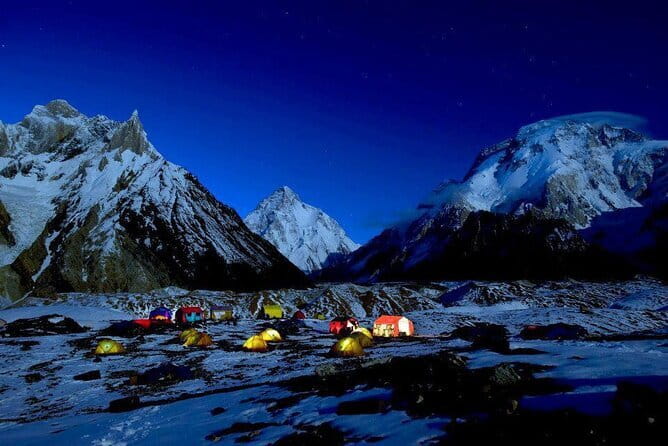
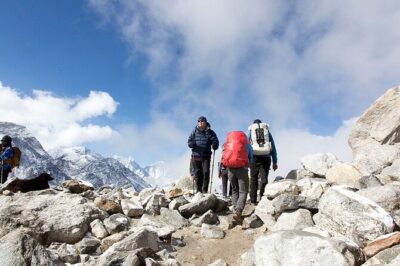
By Day 3 and Day 4, the trip becomes about Nanga Parbat. You spend time in the Nanga Parbat area, moving from an early stage visit into Nanga Parbat Base Camp time.
This is the core reason many people book. Even if you’re not a hardcore mountaineer, base camp has a special energy: it’s the point where the mountain turns from distant concept into something physically real. You’re surrounded by the logic of the trek—routes, weather changes, and the sense that altitude isn’t just a number.
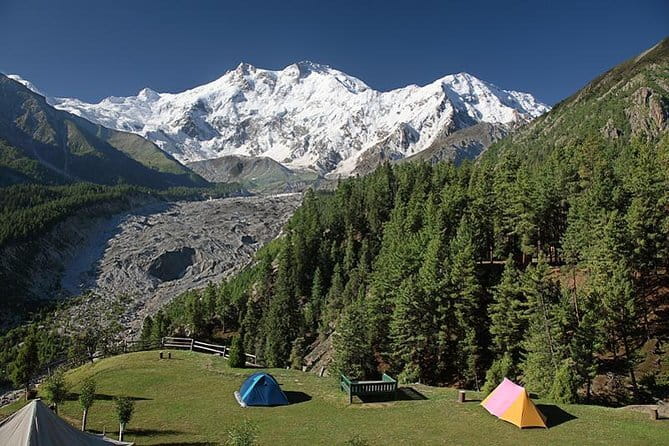
A key detail to plan around: the itinerary also includes Fairy Meadows time, with an option to take it easy and spend more time there. That flexibility matters. If you want the maximum scenic payoff, you can linger. If you want to keep energy for base camp focus, you can pace yourself.
Because the listing says the experience needs good weather, don’t be surprised if timing or the emphasis of certain mountain days shifts. In the mountains, weather makes decisions for you.
Fairy Meadows option: not just a photo stop
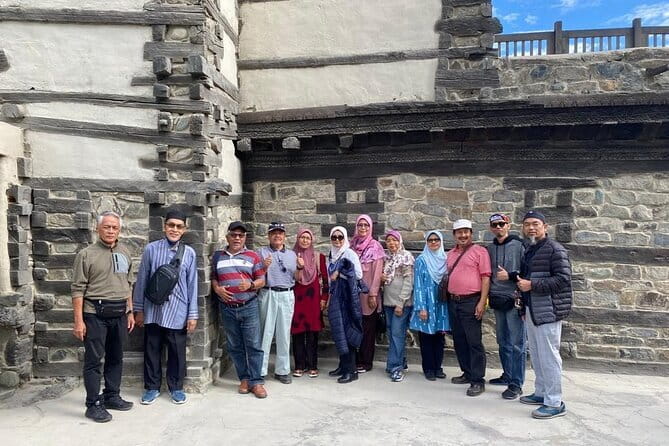
Fairy Meadows is one of those places where “time there” is the point. You’re not only going for a view; you’re going for the feeling of being in a meadow setting near serious peaks. The option to take it easy and spend more time is a smart inclusion for this kind of trip.
This is also where your mindset matters. If you treat the area like a quick sightseeing stop, you’ll miss what it offers. If you slow down—sit, breathe, look at how the light moves across slopes and ridgelines—you’ll get more from it.
For practical planning: in mountain areas, you’ll want layers even when the sun is out, because conditions can change quickly.
Hunza Valley: forts, Attabad, and the feel of old routes
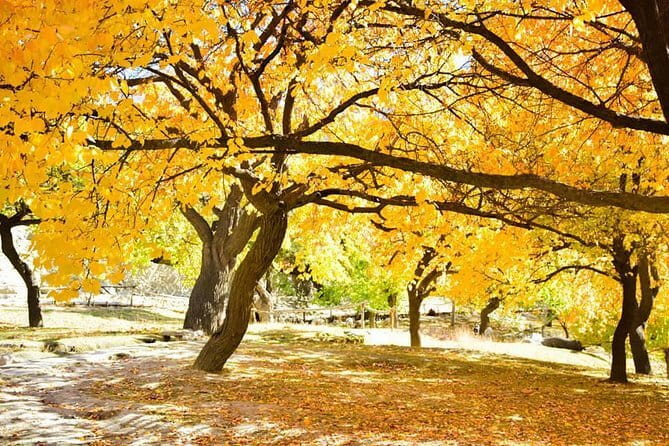
After the Nanga Parbat focus, the trip turns toward Hunza Valley and its surrounding highlights. Day 5 brings a Hunza Valley visit, followed by cultural stops and lake views later in the trip.
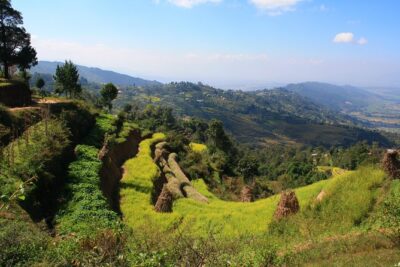
Hunza is famous for scenery, but what makes it worth your attention is the way it blends nature with history. The itinerary supports that. You don’t just stop at one viewpoint and drive on—you get time built around places that explain why people settled here and what they built.
Then comes Altit and Baltit Forts (Day 6). These are more than viewpoints. Forts like this are like built-in time machines. Even without deep historical background, you can read the logic: defensive placement, control over movement, and a community that shaped itself around the valleys.
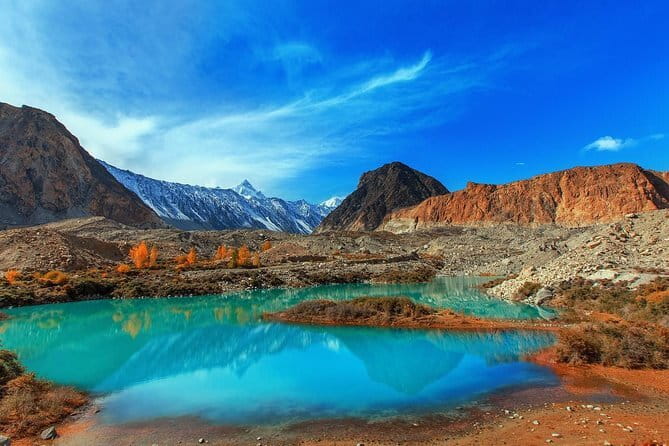
On Day 7, you visit Attabad Lake. This stop adds another kind of beauty—water where you might not expect it, and a reminder of how geography keeps writing the local story. It’s also a good breather day, giving your legs a break from the more demanding parts of the route.
Altit Fort and Baltit Fort: why these stops matter
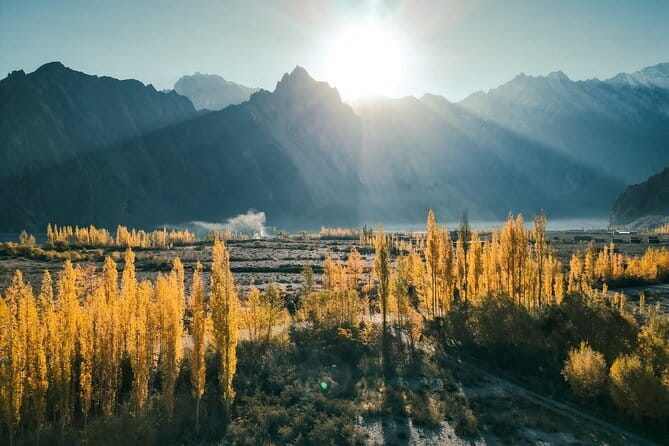
If you’ve ever wondered why some trips feel “all scenic roads,” fort stops can fix that. Altit and Baltit give you context. You’ll likely walk around structures that still hold the shape of the region’s older power systems, and you’ll understand why these valleys mattered to trade and regional movement.
The forts also help you travel smarter. When you’re traveling through a place as visually stunning as Hunza, it’s easy to collect only images. Forts push you to collect meaning.
Tip for enjoying them: go in with a relaxed pace. You don’t need to rush for the best photo angle. Take a few minutes at each section, then step back and let the view do the rest.
Gojal Valley and the drive to Sost: roads, elevation, and anticipation
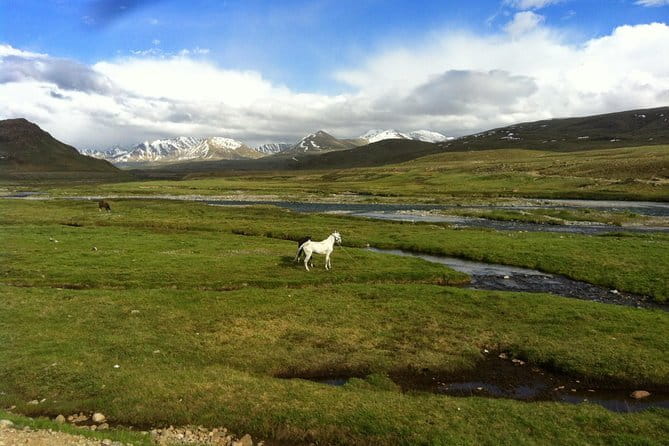
Days 8 and 9 turn toward Gojal Valley, then on to Sost, with access to Khunjerab Pass and Khunjerab National Park.
This is where many people feel the trip shift into “serious travel.” You’re on roads that climb and twist more than typical valley driving. The reward is the sense of space—mountains close enough to feel real, but far enough to show you scale.
Gojal Valley adds another layer: it’s a different “face” of the region compared to central Hunza. If you like variety, you’ll enjoy seeing how the same general area can look and feel distinct from one valley system to another.
Then you reach the Sost area as the gateway to the high pass zone. When you get there, your anticipation naturally rises: the trip has been building toward this.
Khunjerab Pass and Khunjerab National Park: the big-altitude finale
On Day 9, you visit Khunjerab National Park and go through Khunjerab Pass (with Sost stop included).
This is the kind of day that can feel like two trips in one: the road trip experience and the “standing in thin air” experience. Even if you’re not chasing altitude records, passes change your breathing and your senses. You’ll notice it in your pace and how quickly you feel warm or cool.
Also, park days have their own rhythm. You’ll want to stay flexible and follow your guide’s cues. In mountainous protected areas, conditions can change fast, and the goal is to enjoy without forcing it.
The smart move on days like this: bring patience. You’re moving through a high-elevation corridor, not just hopping between scenic spots.
Returning to Chilas and back to Islamabad Zoo: how to end well
Day 10 brings the return to Chilas, and Day 11 returns to Islamabad, again with the itinerary tied to Islamabad Zoo.
This ending matters because it lets you close the loop without a chaotic final scramble. After days focused on Nanga Parbat, forts, and pass country, a structured return helps you avoid “we’re back, now what?” stress.
One thing to plan for: your body might not love the long travel days after the pass experience. Build in extra rest on the last night if you can.
Price and value: what $2,516 buys, and what you must budget
The listed price is $2,516 per person, for an 11-day private experience starting and ending in Islamabad. That price is best understood as paying for coordinated trekking/touring support, private logistics, and the backbone of the route planning.
At the same time, the key value caveat is clear: accommodation is not included and meals are also not included. That means your real total will depend on how your operator handles lodging and how you plan day-to-day food.
Some past guests have specifically praised the overall organization—vehicle, hotels for stay, and well-planned coordination—plus guides who were described as friendly and cooperative. That lines up with the idea that the trip includes real human support. Just don’t assume every meal or hotel is automatically folded into the listed rate; treat it like an estimate until you confirm your exact inclusions.
If you want the best value, do this before you commit:
- Ask what your package includes for lodging each night
- Ask what’s included for meals versus what you pay on your own
- Confirm what the pickup covers and whether it’s from your arrival location in Islamabad
Who this trip suits best (and who should think twice)
This works well if you want:
- A private itinerary built around Nanga Parbat base camp plus Hunza/Gojal highlights
- A mix of trekking-area days and cultural/sight stops like Altit and Baltit Forts
- A route that includes Khunjerab Pass and Khunjerab National Park, not just valley sightseeing
It may not be ideal if:
- You strongly prefer packages where meals and accommodation are included in the price
- You don’t like road-heavy days. You’ll spend meaningful time moving between regions, including Kaghan Valley segments and pass-country driving
The listing also notes most travelers can participate, but the real deciding factor is your comfort with longer travel days and the mountain-weather reality.
Guide support and safety: the part you feel most later
One reason this trip earns such strong feedback is the human layer. Guests praised the service as excellent and highlighted guide support as helpful and trustworthy. People also described the guides as young and energetic, and the planning as well coordinated with explanations that make you feel confident.
That matters because in a place like northern Pakistan, your experience isn’t only about scenery. It’s about feeling like someone has your back when weather changes, timing shifts, and you’re moving between remote areas.
If you’ve ever had a trip where the plan existed but you still felt uncertain, you know why this matters. A good guide helps you understand what’s happening, not just where to go.
Practical packing tips for this kind of route
You don’t need to overpack, but you do need to pack smart. For a trip mixing base camp access with valleys and a high pass day, think in layers:
- Warm layers for cooler mountain mornings and evenings
- A rain layer or shell, because weather can shift fast
- Comfortable shoes for walking around forts and viewpoint areas
- Basic motion comfort items for long driving days
Also keep your expectations realistic about mountain days. Even when weather is good, the air can feel different. You’ll get more out of the day if you pace yourself instead of racing the clock.
Should you book 11 Days Nanga Parbat Base Camp & Hunza Gojal Valley?
If your dream trip includes Nanga Parbat base camp and you also want Hunza and Gojal Valley highlights rather than a single-purpose trek, this route is a strong match. The combination of base camp focus, Fairy Meadows flexibility, and a Khunjerab Pass finale makes your 11 days feel like a complete northern Pakistan story.
I’d book it if you’re the type who likes both meaning and views: forts that add context, lake stops that break up the intensity, and a pass day that gives you the mountain finale.
I’d pause and re-check inclusions if you hate planning your own lodging and food. Since accommodation and meals aren’t included in the listing, your total cost can change depending on what you arrange.
FAQ
FAQ
How long is the trek and tour?
It’s listed as 11 days (approx.).
Where does the experience start and end?
It starts in Islamabad and ends back at the meeting point in Islamabad.
What is the meeting point and start time?
The start is Islamabad Intl Airport, Islamabad Pakistan, with a start time of 8:00 am.
Is this a private tour?
Yes. It’s private, so only your group participates.
Are accommodation and meals included?
No. The tour notes that accommodation is not included and meals are also not included.
What major stops are included?
You’ll visit stops such as Kaghan Valley (including Lulusar Lake and Babusar Top), Nanga Parbat (including base camp), Hunza Valley (including Altit and Baltit forts and Attabad Lake), Gojal Valley, Sost, Khunjerab Pass, Khunjerab National Park, and return to Islamabad.
Is Fairy Meadows included?
Yes. The tour includes time in Fairy Meadows, with an option to take it easy and spend more time there.
Is pickup offered?
Pickup is offered.
What happens if weather is poor?
The experience requires good weather. If it’s canceled due to poor weather, you’ll be offered a different date or a full refund.
What is the cancellation policy?
Free cancellation is available. You can cancel up to 24 hours in advance for a full refund; changes within 24 hours aren’t accepted, and cancellation less than 24 hours before the start time won’t be refunded.