REVIEW · RISHIKESH
9 Days Bali Pass Trek
Book on Viator →Operated by Himalaya Shelter · Bookable on Viator
A pass hike that earns its altitude. Bali Pass delivers big mountain drama—Swargarohini and Bandarpunch range views nearly the whole way—plus a 4,900 m high point that feels more like a summit than a simple saddle crossing. I love that the scenery isn’t just pretty; it’s stacked with real landmarks like Ruinsara Lake, Devsu Thatch, Thanga meadows, and the Bandarpunch Glacier approach.
I also love the way small-team guidance shows up in the details: professional guides, a dedicated cook, and a full camp setup with clean sleeping bags, mats, tents, and steady tea & snacks during the trekking days. In past batches, leads have included Rana, Suresh Chauhan, Subodh, Surendra, and Sumit, with Ustad Vijay handling the kitchen—exact names vary by group, but the standard of organization is clearly a focus.
One possible drawback: the numbers are no joke. The pass tops out at 16,080 ft / 4,900 m, and you climb a net 9,250 ft / 2,820 m over about 5 days, so you’ll want at least a month of solid prep. If your cardio and altitude tolerance aren’t ready, this can feel punishing fast.
In This Review
- Quick takeaways before you commit
- Bali Pass at 4,900 m: what the altitude numbers mean
- From Dehradun to the trail: timing, group size, and expectations
- Camping comfort and food rhythm: what’s included, what you’ll still plan
- The mountains you’ll hike under: Swargarohini, Bandarpunch, and Black Peak views
- Ruinsara Lake: the day that breaks the climb rhythm
- Devsu Thatch and Thanga meadows: open ground, big feelings
- Bali Pass itself: why this crossing feels summit-level
- Bandarpunch Glacier and Saptrishi Kund: the approach that lingers
- Yamunotri temple finish: a spiritual ending with real logistics
- Price and value: $374 plus the extras that matter
- Who should book this Bali Pass trek (and who should think twice)
- Should you book Bali Pass with Himalaya Shelter?
- FAQ
- How difficult is the Bali Pass trek?
- What’s the highest altitude on this trek?
- How long is the trek on foot?
- What trek gear is included?
- Do porters carry your personal luggage?
- Which meals are not included?
Quick takeaways before you commit
- Difficult trek category: altitude gain, distance (66 km), and a technical-feeling pass crossing.
- Pass day feels summit-like: Bali Pass rises like a peak, not a flat saddle.
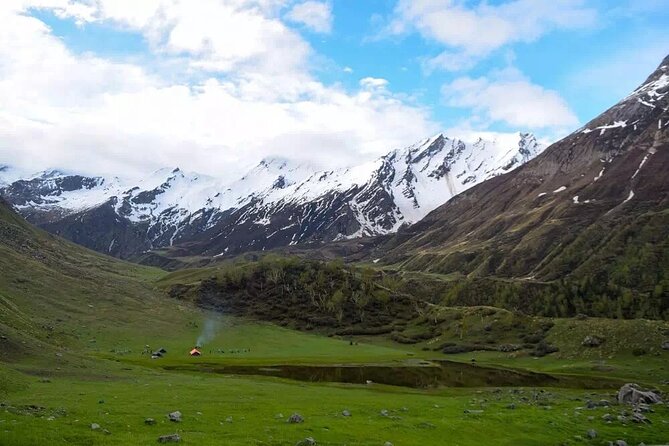
- Classic stops: Ruinsara Lake, Devsu Thatch and Thanga meadows, plus Yamunotri temple near the end.
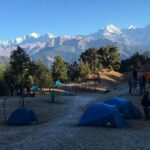
- Camping support is real: dome or A-frame tents, dining and kitchen tents, and gear like gaiters and microspikes included.
- Carry your personal load: porters and mule support handle camping equipment, not your personal luggage.
- Operator team strength: guides and kitchen staff have strong performance notes for planning and care.
Bali Pass at 4,900 m: what the altitude numbers mean
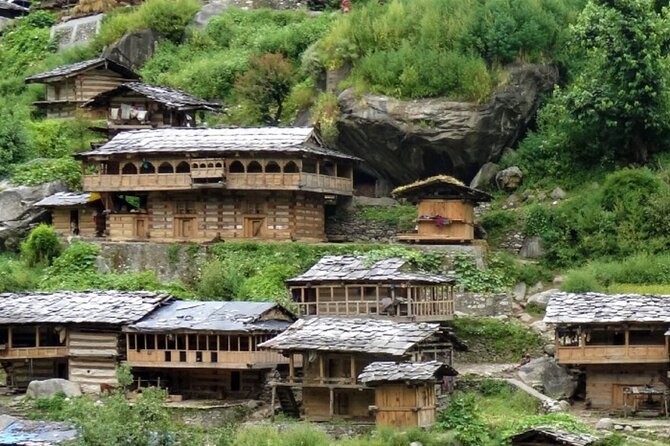
This trek’s difficulty isn’t just marketing. Bali Pass is capped at 16,080 ft / 4,900 m, and the climb profile is steep enough that you should plan for slower walking and a real breathing tax.
Here are the key numbers to take seriously:
- Total trekking distance: 66 km
- On-foot time: 6–7 days
- Average daily walking: about 10 km/day
- Start point altitude (Taluka): 6,825 ft / 2,080 m
- Net altitude gain: 9,250 ft / 2,820 m
- Average climb rate over about 5 days: 550 m/day / 1,800 ft/day
That combination—height plus pace—means your day-to-day effort won’t look huge on a map, but it will feel heavy in your lungs. The pass crossing itself adds a technical edge: Bali Pass doesn’t behave like a gentle notch between ridges. It rises like a peak and gives you a summit-like push when you reach the top.
Practical takeaway: if you can only hike by “distance,” you may get surprised. Train for climbing ability and endurance, not just walking.
You can also read our reviews of more tours and experiences in Rishikesh.
From Dehradun to the trail: timing, group size, and expectations
Your start is set for 7:00 am at Dehradun Train Station, Lakkhi Bagh, Dehradun, Uttarakhand 248001. The activity ends back at the same meeting point. The trek runs about 9 days (approx.), which includes the transfer and trek rhythm rather than only the “mountain days.”
Group size is capped at 11 travelers. That matters more than it sounds. Smaller groups can move with fewer bottlenecks and you’re more likely to get quick course corrections from the guide when conditions change.
Also, you get mobile ticket access. That’s the modern kind of convenience: less paperwork, fewer last-minute headaches.
Camping comfort and food rhythm: what’s included, what you’ll still plan
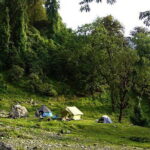
This trek is built around camp life. The operator includes:
- Clean sleeping bags and mats
- Good quality A-shaped or dome tents
- Kitchen tent + dining tent
- Camping stools
- Gaiters and microspikes
- Porter/mule support for camping equipment (not personal luggage)
- Professional guide, cook, and support staff
The food schedule is also structured:
- Included: 8 breakfasts, 7 lunches, 8 dinners, and 8 tea & snacks
- Not included: breakfast + lunch on Day 1, and lunch + dinner on Day 9
So plan your budgeting and energy for those two meal gaps. For Day 1 and Day 9, you’ll want to have a simple plan for what you’ll eat on the ground before the trekking rhythm fully kicks in or before it ends.
What this means in real life: you won’t be “camping light.” You’re paying for a functioning system that keeps you fed, warm enough, and equipped for snow/ice friction when the trail demands it.
The mountains you’ll hike under: Swargarohini, Bandarpunch, and Black Peak views
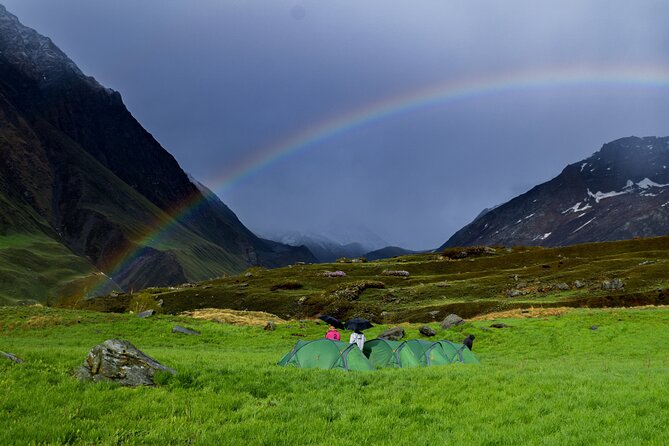
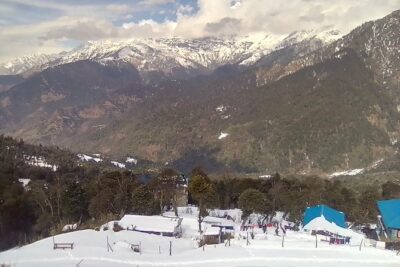
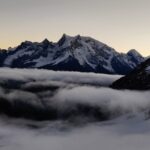
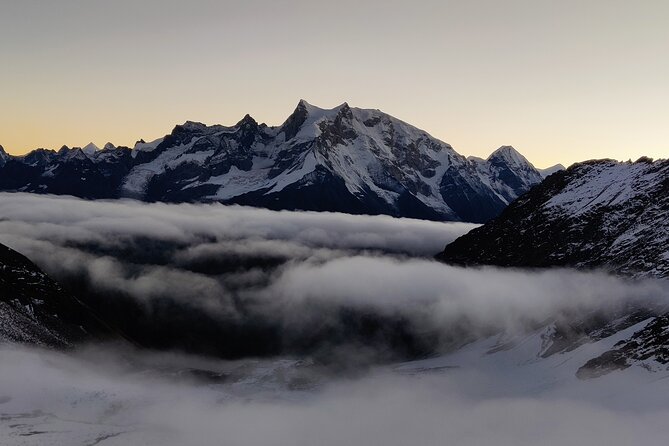
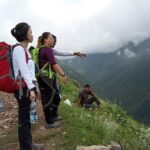
One of the best parts of this trek is the constant framing. You’ll hike with either the Swargarohini or Bandarpunch ranges around you for much of the route. It’s the kind of detail that changes your whole mood on the trail: you’re never just walking through “generic mountains.”
Specific highlights called out in this route:
- Kalanag (Black Peak) and Swargarohini Peak viewed up close
- Kalanag sits at 6,387 meters in this region
- You’ll also see Bandarpunch Glacier and Saptrishi Kund toward the end
If you like mountain geography, this trek gives you more than one “hero view.” You’re repeatedly hiking with a different angle on major peaks, so the scenery doesn’t blur together.
Ruinsara Lake: the day that breaks the climb rhythm
A standout stop here is a full day beside Ruinsara Lake. That matters because a high-altitude trek can start to feel like a one-note grind: walk, hike, recover, repeat. A lake day gives you a more human rhythm—time to slow down, breathe, and let your body catch up.
From a trekking perspective, this pause has a bonus. After days of altitude stress, a calmer day can help you manage pace and sleep quality before the harder transition toward the pass.
If you tend to push too fast on early days, this is also the point where you should reset. Use the lake day to:
- adjust your hydration routine
- keep your snacks handy
- take short walks if you feel stiff, but don’t treat it like a workout day
Devsu Thatch and Thanga meadows: open ground, big feelings
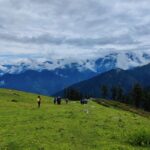
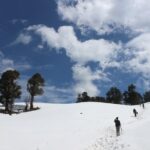
Later, you’ll cross the two meadows of Devsu Thatch and Thanga. Meadows in the Himalaya can be deceiving: they look gentle, but they often come with stronger winds and sharper light because you’re more exposed.
The benefit is that these meadows tend to feel like a breath of space after tighter trail segments. The walk across them is described as breathtaking, and that tracks with what you’ll actually want out of a tough trek: moments where the effort produces visible payoff.
This is also where you’ll likely feel the contrast between “walking hard” and “walking well.” If you manage your pace here, your legs will thank you for the days ahead.
Bali Pass itself: why this crossing feels summit-level
Bali Pass is a special kind of challenge. Unlike a conventional pass that functions like a saddle between ridges, Bali Pass “rises like a peak.” So when you reach the top stretch, it’s closer to a summit adventure than a quick dip and go.
Add the altitude—4,900 m—and you get a crossing that’s both physical and mental:
- your heart rate rises fast
- you walk slower without losing time you can’t spare
- your footing and confidence become your pace-setters
The route context also adds drama. The trek sits in a corridor of major ranges—so even when the trail narrows and the climb steepens, your surroundings keep giving you cues on direction and progress.
Practical advice for pass day: go “boring” with technique. Short steps, steady breathing, and no hero-speed. You’re not trying to win a race. You’re trying to get to the top with control.
Bandarpunch Glacier and Saptrishi Kund: the approach that lingers
As you move toward the end, you’ll encounter the Bandarpunch Glacier area and Saptrishi Kund. Even when you’re not staring at the ice the entire time, glacier country tends to change how you feel on the trail—cooler air, harsher light, and terrain that can feel more “serious.”
This section is valuable for two reasons:
- It’s your visual confirmation that the trek has been building toward something.
- It’s a transition zone where you’ll be grateful for the included equipment like microspikes and gaiters.
Yamunotri temple finish: a spiritual ending with real logistics
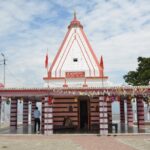
Near the end, you get an opportunity to visit the holy temple of Yamunotri. This is one of those “culture + effort” endings that makes sense here. You’ve climbed hard to reach high altitude, and the temple stop gives the journey a grounded close.
Two things to keep in mind:
- Temple time can mean slower movement than your trekking pace, so plan to breathe and reset.
- Since Day 9 has meal gaps (lunch + dinner not included), you’ll want to make sure you’re not running on empty after a moving, meaningful day.
Price and value: $374 plus the extras that matter
The listed price is $374.00 per person for an approx. 9-day trek. On paper, that sounds like a lot or a little depending on what you compare it to. Here’s the value story that helps you decide:
What you’re paying for:
- Guide + cook + support staff
- Camp infrastructure (kitchen + dining tents, tents, sleeping bags, mats)
- Included trekking gear support (including microspikes and gaiters)
- Porter/mule support for camping equipment
- Structured meals (8 breakfasts, 7 lunches, 8 dinners, and tea & snacks)
What you’ll need to budget for (and plan around):
- Insurance INR 1,050 per person (compulsory)
- Possible buffer day if used: INR 2,000 per person
- Personal baggage offload charges: INR 450 per bag per day for bags up to 12 kg
- Any weather/road disruption costs (not included)
- Forest entry charges for non-Indian nationals: INR 1,000
So is it good value? For a difficult, high-altitude, camp-based trek with gear and full staffing, it’s competitive—especially because you’re not also paying separately for core logistics like tents, bedding, and a functioning kitchen team.
But don’t ignore the “extras layer.” The offload charges and insurance can meaningfully change your total, depending on how you pack and whether you need any buffer time.
Who should book this Bali Pass trek (and who should think twice)
This trek fits best if you:
- already exercise regularly and can handle climbing steadily
- can commit to starting training at least 1 month before trekking
- want a tough trek with real mountain objectives, not just scenery walks
- feel comfortable with camp living and carrying your personal essentials
You should think twice if:
- you’re new to high-altitude hiking and haven’t trained for long uphill days
- you’re sensitive to altitude and can’t slow your pace when needed
- you rely on your gear and staff to fix everything—because altitude still runs the show
The good news: the trek is only “10 km/day” on average. The bad news: altitude gain and pass day turn that into a serious workout.
Should you book Bali Pass with Himalaya Shelter?
If you want a hard Himalayan trek that checks the classic boxes—big peaks, lake day, meadows, a true high pass experience, and Yamunotri to close—you’ll likely be happy here. I like that the trek includes the camp system and key footwear/traction supports (gaiters and microspikes), and that the staffing has strong mentions for planning and care, including leaders like Rana and Suresh Chauhan and chef Ustad Vijay.
My “book it” advice is simple: if you train for climbing and take altitude seriously, this is the kind of trek that rewards you with more than views—it gives you a real sense of accomplishment. If you’re not ready for 4,900 m or the 9,250 ft net gain, pick a gentler route first and come back stronger.
FAQ
How difficult is the Bali Pass trek?
It’s considered a difficult trek because the pass reaches 16,080 ft / 4,900 m, the total distance is 66 km, and you gain about 9,250 ft / 2,820 m over roughly 5 days. It takes around 6–7 days on foot with an average of about 10 km/day.
What’s the highest altitude on this trek?
The highest point is Bali Pass at 16,080 ft / 4,900 m.
How long is the trek on foot?
The trek takes about 6 to 7 days on foot, within an overall duration of about 9 days.
What trek gear is included?
You get clean sleeping bags and mats, tents (A-shaped or dome), a kitchen and dining tent setup, and trekking supports like gaiters and microspikes.
Do porters carry your personal luggage?
No. Porter and mule support carries camping equipment, but it is noted that it does not include your personal luggage.
Which meals are not included?
Breakfast and lunch on Day 1 are not included, and on Day 9 the lunch and dinner are not included. The overall included meals are 8 breakfasts, 7 lunches, 8 dinners, and tea & snacks.