REVIEW · RISHIKESH
Dodital Himalayan Trek and Camping
Book on Viator →Operated by Yeti Outdoors · Bookable on Viator
Dodital is the reset button for hikers. I love how this 5-day easy Himalayan trek near Rishikesh brings you from forest paths to the crystal-clear Dodital lake around 3024m, with a camp setup that keeps the experience practical, not punishing. The only real consideration is the max altitude near 4200m, and that monsoons can make conditions a bit trickier.
If you like a smooth start, the activity meets at Yeti Outdoors at 9:00 am (pickup is offered on request), and it ends back at the same meeting point. I also like that the leadership is hands-on—names like Manish and Rishabh come up in the way the trek is guided and run day to day.
In This Review
- Key Highlights You’ll Actually Feel
- Dodital and Darwa: Why This Trek Feels Special
- The “Easy Trek” Label: What It Means for You
- Starting in Rishikesh: The 9:00 am Plan
- What You’ll Do on the Trek: Lake to Darwa Top (Day by Day in Spirit)
- 1) Getting into the rhythm on the forest trails
- 2) Approaching Dodital and soaking in the lake moment
- 3) Camp life built around food, rest, and going again
- 4) The Darwa Top push for views
- 5) Returning from the top to wind down the trip
- Camp Comfort, Tasty Meals, and the Real Value of Included Gear
- Guides and Crew: How the Team Changes Your Experience
- Price and Logistics: Is $191.70 Worth It?
- Weather, Altitude, and What to Pack for a Smooth Trip
- Who This Trek Suits Best (and Who Might Want Something Different)
- Should You Book the Dodital Himalayan Trek with Yeti Outdoors?
- FAQ
- Where does the Dodital Himalayan Trek start?
- How long is the trek?
- What’s the highest altitude reached?
- Is this trek suitable for beginners?
- What’s included in the price?
- What is not included?
- What happens if weather is bad?
Key Highlights You’ll Actually Feel
- Dodital lake at ~3024m: clear water, a sacred setting, and prime nature time
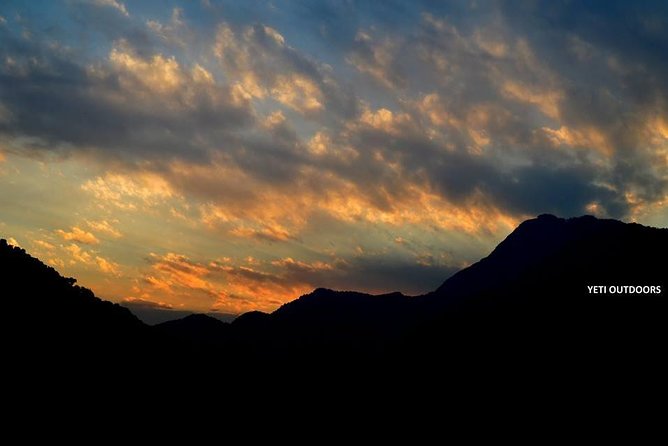
- Darwa Top views up near 4200m: a real reward for the effort
- Oak, pine, and deodar forest trails: an actual forest walk, not just a line on a map
- Himalayan Golden trout in the lake: a rare detail that adds meaning to the stop
- Camping gear and meals handled: tents, sleeping bags, and on-trek food are included
- Local guidance with crew support: guides, cooks, helpers, plus porters/mules
Dodital and Darwa: Why This Trek Feels Special
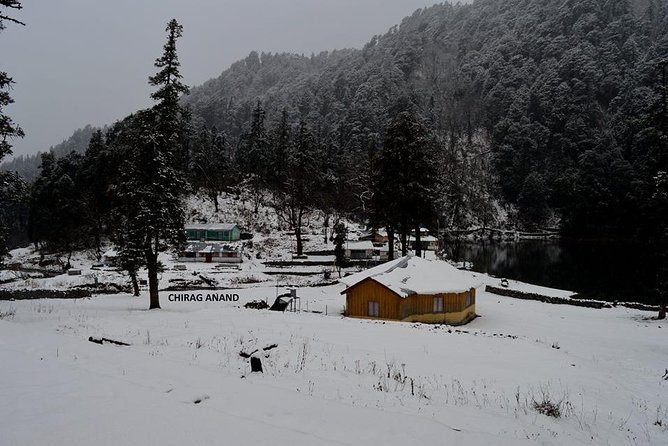
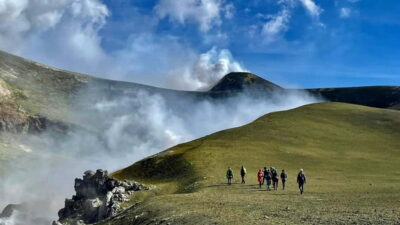
The draw here is simple: you’re walking through Uttarakhand forest, reaching a high-altitude lake that looks clear enough to test your vision, and then pushing up toward Darwa Top for big panoramic payoffs.
Dodital sits north of Uttarkashi, and the surroundings matter. You’re surrounded by oak, pine, and deodar forests, and the peaks in view are the kind you remember after the trip. The trek area is also tied to the tradition of the holy towns route between Yamunotri and Gangotri, which is a cool context as you hike rather than just a random detour.
And yes, there’s the wildlife detail: the lake has an abundance of Himalayan Golden trout. Even if you’re not fishing (and you probably won’t be doing anything like that), it gives the place a distinct identity and a stronger reason to slow down at the water.
You can also read our reviews of more tours and experiences in Rishikesh.
The “Easy Trek” Label: What It Means for You
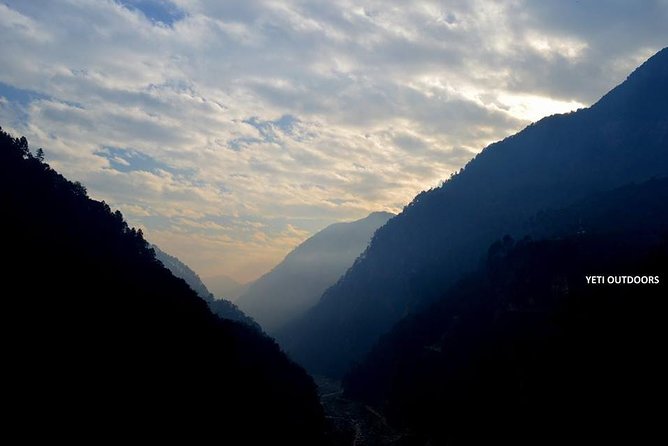
This is listed as an easy trek, and the altitude plan supports that idea—still, you should respect the climb. The lake is around 3024m, and you’ll go as high as about 4200m.
For a first-timer, the good news is that “easy” usually means a manageable pace and a trail that doesn’t require technical skills. For you, that translates to: you can focus on rhythm—steady walking, breaks, hydration—rather than scrambling or complicated route finding.
Here’s the practical consideration: 4200m is real altitude. Even on an easy trek, you may feel it in the form of shortness of breath, slower legs, or mild headaches. The best approach is to go conservative. Let your guide set the pace, and don’t treat the hike like a race.
Starting in Rishikesh: The 9:00 am Plan
This experience starts at Yeti Outdoors at 9:00 am, and it ends back at the same meeting point. Pickup is available on request, which can be a big deal if you’re staying in Rishikesh and don’t want to figure out local transport before trekking.
You’ll also see a few planning notes that matter for peace of mind:
- Confirmation is sent within 48 hours of booking (subject to availability).
- Your ticket is mobile, which usually keeps the process simple.
- It’s a private tour/activity, meaning only your group participates, not a mixed crowd.
Small tip from experience-travel logic: because the start time is fixed at 9:00 am, plan your morning around it. You don’t want to be sprinting for a meeting point after breakfast.
What You’ll Do on the Trek: Lake to Darwa Top (Day by Day in Spirit)
You don’t get an ultra-detailed day-by-day schedule here, so it’s best to think of the trek as a 5-day progression with a clear purpose: reach Dodital, then summit Darwa Top, then make your way back down with camping life in between.
Here’s how the trek’s shape makes sense for your body and your enjoyment:
1) Getting into the rhythm on the forest trails
You start on trails used traditionally by herdsmen and holy men traveling between major pilgrimage towns. That matters because it often means a route that’s walked regularly and designed for long days on foot, not for modern trail challenges.
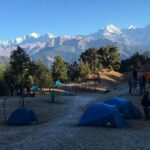
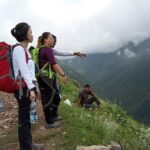
Expect a lot of time moving through oak, pine, and deodar forest. This is where the trek earns its “nature lover” reputation, because the trail feels like you’re in a living landscape rather than walking between viewpoints.
2) Approaching Dodital and soaking in the lake moment
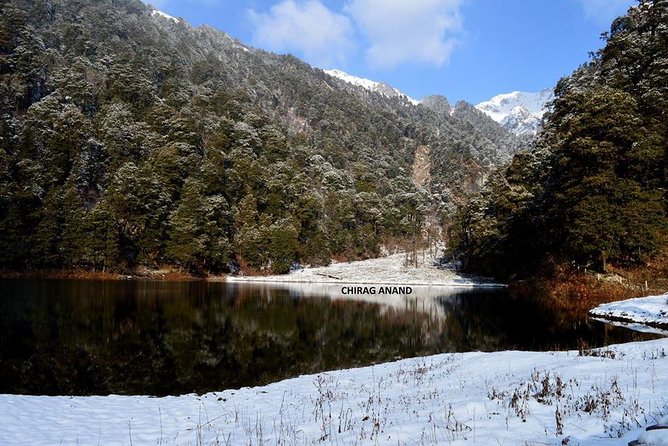
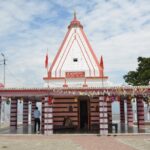
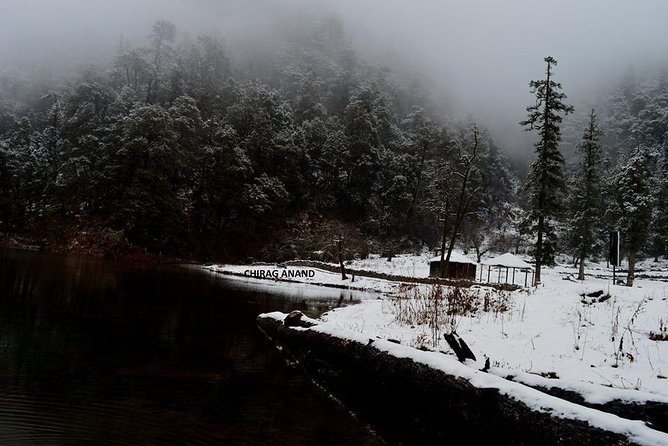
The lake is the centerpiece: crystal clear waters around 3024m. This is also where the spiritual meaning lands—Dodital is described as the place of birth of Lord Ganesha.
Even if you’re not traveling for religious reasons, the setting can slow you down. When the water is that clear, it changes the way you look at everything around it: the reflections, the air, the quiet.
3) Camp life built around food, rest, and going again
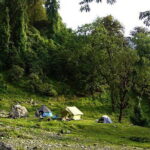
The trek is camping-based, but it’s not “survive the wild” style. You get technical and kitchen equipment, plus tents and sleeping bags. Meals on trek are included, which removes a whole layer of guesswork.
This matters for beginners. When food and shelter are handled, your energy goes into walking and recovering, not negotiating with logistics.
4) The Darwa Top push for views
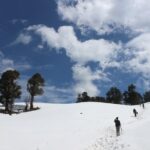
One of the reasons to do this trek is the chance to summit Darwa Top. The maximum altitude you reach is listed as about 4200m, so this is the part where your pace and comfort matter most.
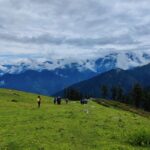
Don’t treat it like a sprint. Treat it like a climb with a viewpoint at the end. When you get there, the reward is that wider Himalayan feeling—peaks like Banderpunch and Kala Naag are mentioned as part of what you can see in the region.
5) Returning from the top to wind down the trip
On the way back, the goal is less about conquering and more about finishing well. The forest trails bring you back through the same kind of scenery that made you happy earlier—only now you’re moving with a bit more confidence.
That’s why this trek works well for first-timers: it gives you a summit moment, but it doesn’t wreck you with technical obstacles.
Camp Comfort, Tasty Meals, and the Real Value of Included Gear
This is one of the best parts of the deal: your trek includes a long list of gear and camp support.
Included in your cost:
- Tents and sleeping bags
- Technical/kitchen/central equipment
- All meals on trek
- Guides, cooks, helpers, and porters/mules
- Entry fees and permits
- Fees and taxes
When you compare it to doing something similar on your own, the price starts to look less like a “guided tax” and more like you’re paying for the stuff that’s hard to source and coordinate quickly.
From the on-the-ground feel people describe, camp food tends to be a highlight. If you’re a first-timer, this matters more than you’d think. After a day of hiking, a satisfying meal turns rest into real recovery.
Guides and Crew: How the Team Changes Your Experience
The trek’s success isn’t just about views. It’s about how the trek runs when things are tired, wet, or slow.
For this route, Manish and Rishabh are repeatedly associated with leading the trek. Based on the way they’re described—friendly, strong local knowledge, and extra effort when clients have requests—it’s clear the team’s role goes beyond waving you forward.
You’ll want that kind of guidance on an easy trek for one main reason: it lets you focus on walking and breathing instead of worrying about route logic, timing, or camp readiness.
And because there are cooks, helpers, and porters/mules, it’s not a “everyone carries everything” scenario. Your load stays human, which is what you want for a 5-day experience.
Price and Logistics: Is $191.70 Worth It?
At $191.70 per person, the price can look surprisingly low—especially when you see what’s included: meals, permits, tents, sleeping bags, and full on-trek support.
What you’re not getting (so plan around it):
- Insurance and claims related to natural events (like landslides or road blockage)
- Personal expenses
- Stay and food in Mussoorie (if relevant) and food during transit
- Transportation to/from the area is not automatically included, though it can be arranged on request for an additional charge
So here’s how I’d frame value for you:
- If you need equipment, permits, and meals organized, this is good value.
- If you already have gear, you only want a simple hike with no camp support, and you’re confident handling logistics solo, you might find alternatives—but they won’t be as all-in.
Also, because monsoons can be tricky, your real cost is sometimes mental: you’ll want to be flexible with weather. The good news is that the experience requires good weather, and you’ll be offered a different date or a full refund if it’s canceled due to poor weather.
Weather, Altitude, and What to Pack for a Smooth Trip
Best time is listed as all year round, but monsoons are “a little tricky.” That’s not a warning to panic—it’s a heads-up to pack like you expect changing conditions.
Practical altitude advice (no drama, just smart):
- Go slower than you think you need to.
- Take hydration seriously.
- Don’t ignore early warning signs of altitude discomfort. If you feel worse, tell your guide.
Packing advice that fits the info you do have:
- Bring a rain layer. Monsoon conditions can be unstable.
- Wear trekking shoes you trust on uneven forest trails.
- Bring warm layers for higher elevations and nighttime camp air.
- Bring basics for personal comfort (since personal expenses aren’t covered).
The good part: you’re getting tents and sleeping bags, so you’re not stuck sourcing cold-weather sleeping gear at the last minute.
Who This Trek Suits Best (and Who Might Want Something Different)
This Dodital Himalayan Trek and Camping is aimed at people who want a Himalayan experience without making it technical.
You’ll love it if:
- You’re a first-timer to Himalayan trekking
- You want a clear, doable plan over about 5 days
- You care about nature (forests, birds) and scenic rewards (Darwa Top)
- You prefer a guided camp setup with meals and equipment handled
You might think twice if:
- You’re highly altitude-sensitive and want zero chance of 4200m
- You’re traveling during peak monsoon weeks and can’t be flexible about changing conditions or dates
The trail also fits people who enjoy “meaning” in places—because the route has links to the Yamunotri and Gangotri travel tradition and Dodital’s Ganesha association.
Should You Book the Dodital Himalayan Trek with Yeti Outdoors?
If you want a beginner-friendly Himalayan camping trek with real organization behind the scenes, I’d say yes—this one makes a strong case.
Book it if you like the idea of a forest-to-lake trek at around 3024m, then a summit moment at Darwa Top near 4200m, without having to manage permits, tents, sleeping bags, or camp meals yourself. The inclusion of guides, cooks, helpers, and porters/mules also means you can put your energy into enjoying the hike rather than carrying everything.
Skip or switch plans if weather flexibility is impossible for you, or if altitude is a hard no. And if you do book, plan for a steady pace, pack for rain changes, and trust the crew to help you keep the trip comfortable.
FAQ
Where does the Dodital Himalayan Trek start?
The trek starts at Yeti Outdoors at 9:00 am.
How long is the trek?
It’s about 5 days.
What’s the highest altitude reached?
The maximum altitude reached is listed as about 4200m.
Is this trek suitable for beginners?
It’s labeled an easy trek, and it’s described as a good way to introduce yourself to longer Himalayan getaways.
What’s included in the price?
Included items are tents and sleeping bags, all technical/kitchen/central equipment, entry fees and permits, all meals on trek, and the services of guides, cooks, helpers, and porters/mules. Fees and taxes are included too.
What is not included?
Insurance and related claims due to natural calamity aren’t included. Personal expenses are not included, and stay/food in Mussoorie and food during transit are also not included. Transportation can be arranged on request for an extra charge.
What happens if weather is bad?
The experience requires good weather. If it’s canceled due to poor weather, you’ll be offered a different date or a full refund.