REVIEW · KATHMANDU
Manaslu Trekking
Book on Viator →Operated by World Himalaya Treks & Expeditions · Bookable on Viator
The Manaslu trek stays quietly impressive. You circle Mount Manaslu with mountain views, river valleys, and a calmer vibe than Nepal’s most famous treks, and I like how the trip mixes real trekking days with guided Kathmandu culture. I also like the full-board meal plan during the trek, because it helps you keep energy up without constantly budgeting for food at tea houses. The one drawback to plan for is that this is a challenging, high-effort trek, with long walking days and a high-pass-style route.
In this 17-day private trip run by World Himalaya Treks & Expeditions, you get airport transfers, a Kathmandu sightseeing day with a professional guide, and then steady progress through villages and camp-style nights. You’ll walk with an experienced guide and porters (1 porter for every 2 people), and the trek includes permits plus TIMS and park fees. If you like remote trails, honest accommodations, and big mountain scenery that feels earned, this is a solid pick.
In This Review
- Key things to know before you go
- Why the Manaslu Circuit feels different around Mount Manaslu
- Price and value: what you’re really paying for
- Kathmandu prep days: temples, UNESCO sites, and a real briefing
- Trek day-by-day through river gorges and village life
- Days toward Machha Khola and Jagat: forests, rapids, and stone stairs
- Days toward Deng: a mix of fields, bamboo, and gorge walking
- Namrung and toward Manaslu Base Camp: forests to high-country mood
- Samagaun to Samdo: monasteries, village views, and the peak framing
- The Larkya Bhanjyang challenge and the cold-weather rhythm
- Returning to Kathmandu: countryside drive, Thamel time, and a softer landing
- What’s included on the trail that makes life easier
- Who this trek fits best (and who might want a different plan)
- Should you book this Manaslu Circuit Trek?
- FAQ
- How long is the Manaslu Circuit trek?
- Where does the trek start and end?
- What’s included in the price besides guides and porters?
- How do the porter arrangements work?
- Is the trek suitable for beginners?
- What is the cancellation policy?
Key things to know before you go
- Manaslu instead of the big crowd circuits: the route is designed to be less commercial than Annapurna and Everest areas.
- Permits and TIMS are included: trekking permits, national park entry fees, and the TIMS card are covered.
- Food is handled on the trail: breakfast, lunch, and dinner are included while trekking, so you’re not meal-scavenging.
- Porters are built into the deal: you get an experienced guide plus porters, with insurance and expenses included, and a ratio of 1 porter for 2 people.
- Kathmandu culture is not an afterthought: you visit major UNESCO sites with a guide before the trek.
- The route includes tundra and a high pass day: plan on colder conditions as you ascend toward Larkya Bhanjyang.
Why the Manaslu Circuit feels different around Mount Manaslu
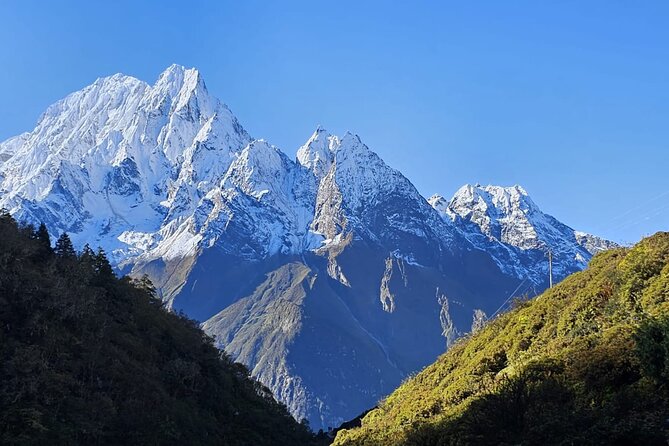
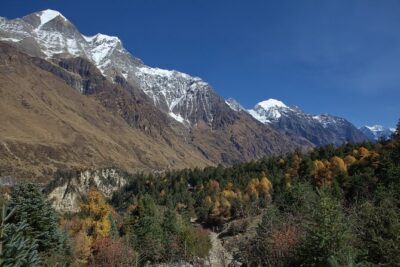
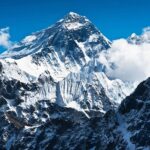
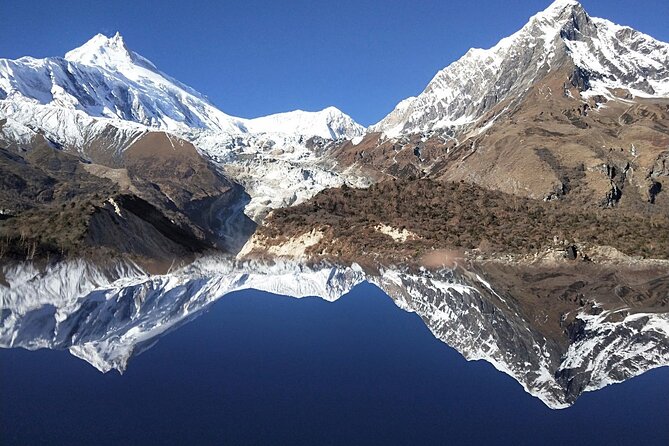
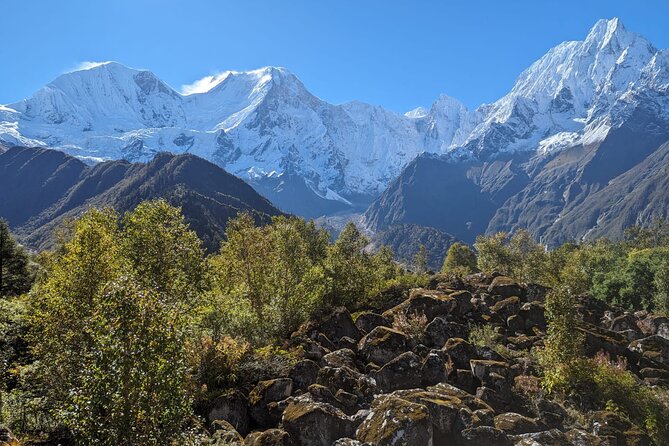
If you’re chasing that big Nepal trekking feeling without the constant crowd flow, the Manaslu Circuit is built for you. You’re circling the world’s eighth-highest peak, and the geography does a lot of the work: river valleys, side ridges, and high viewpoints gradually change the air and the scenery as you gain altitude.
What really makes this trek compelling is that you don’t just get dramatic peaks. You also move through working villages and different cultural zones—some areas feel more Buddhist-influenced as the route shifts—so your days aren’t only about summit fantasies. The trekking is challenging, but it’s the kind of challenge that comes with variety: waterfalls, hot spring detours, monastery stops, and stretches of tundra on the way toward the pass area.
And since the circuit is described as less crowded than the Annapurna and Everest regions, you should expect a quieter rhythm. That means fewer interruptions to your pacing and more time to enjoy the view when the trail finally opens up.
You can also read our reviews of more tours and experiences in Kathmandu.
Price and value: what you’re really paying for
At $1,900 per person for about 17 days, this isn’t a budget walk-up. But if you look at what’s included, the price starts to make sense.
Here’s what the package covers (key value points):
- Kathmandu logistics and transfers: airport pickup and drop, plus sightseeing with a professional guide.
- Kathmandu hotel stays: three-star deluxe twin-share accommodation with breakfast.
- Full-board trekking meals: breakfast, lunch, and dinner included during the trek.
- Lodge/teahouse nights: “comfortable, neat and clean” teahouses or mountain lodges are included for trekking days.
- Permits and cards: trekking permit, national park entry fees, and TIMS card.
- Human support: an experienced guide plus porters (1 porter for 2 people), including porter expenses and insurance.
- Basic trek extras: a duffel bag and a T-shirt, plus a first aid medical kit box during the trip.
What’s not included is mostly what you’d expect: beverages, personal expenses, tips for guides and porters (accepted in Nepal), and your travel insurance. In other words, the core moving parts of the trip are handled, which usually makes the experience smoother and less stressful—especially on a remote route where improvising can be harder.
For me, the biggest “value” signal is the combination of meals + permits + porter coverage. Those are the costs that often surprise people when they plan a trek on their own. Here, that friction is reduced.
Kathmandu prep days: temples, UNESCO sites, and a real briefing
This trek starts in Kathmandu, and the first days are there to get your head right before you start climbing.
You land at Tribhuvan International Airport, then meet a representative who helps with the transfer to your hotel. That’s followed by a welcome dinner in a typical Nepalese restaurant in the heart of Kathmandu and a trip briefing. It’s a small thing, but it matters: you’ll get a clearer sense of how your days will flow and who’s responsible for what.
For sightseeing, you’ll go with a professional guide to key cultural stops:
- Pashupatinath Temple: a major spiritual site, with admission ticket included.
- Boudhanath Stupa: one of the largest stupas in Nepal and a UNESCO World Heritage Site, also included.
- Swayambhunath (Monkey Temple): another UNESCO site with famous white stupa architecture and painted eyes on all sides.
Then you meet your trekking staff, which is where things get practical. This is when you can confirm details like how your gear will be handled and how the porter arrangement works for your group.
If you’re someone who gets cranky after a long travel day, I’d still recommend using Kathmandu time well. The sightseeing here isn’t just sightseeing; it’s also a low-stress way to understand Nepal’s religious landscape before you reach the quieter mountain communities later.
Trek day-by-day through river gorges and village life
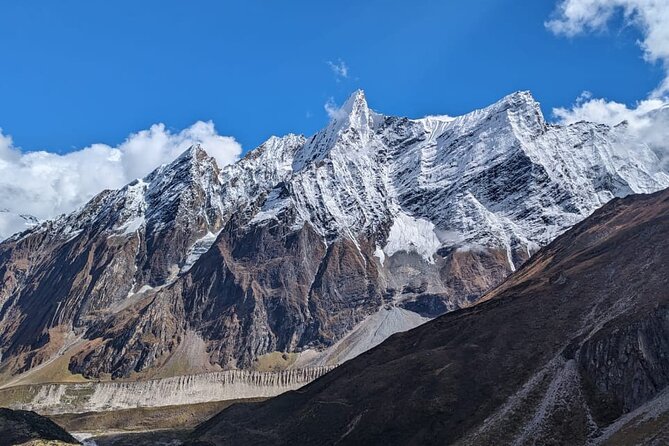
The Manaslu Circuit is paced like a real journey, not a rush. Many days are about walking through valleys, gaining or losing elevation gradually, and watching the scenery shift.
Days toward Machha Khola and Jagat: forests, rapids, and stone stairs
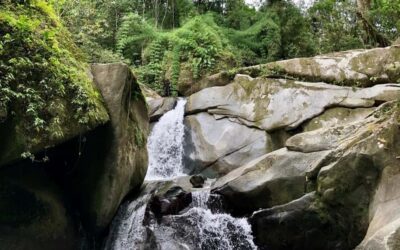
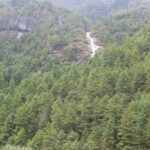
One of the early highlights is the section that moves through Sal forests and along dramatic river terrain. You cross ridges above huge rapids, then the trail weaves up and down past two tropical waterfalls on a steep, rocky cliff-hugging path. That kind of variety is exactly why I enjoy circuit treks: the trail keeps you alert.
You’ll reach Labubesi (a Gurung village), then continue toward Machha Khola. From there, the route keeps working: narrow trails with minor ups and downs, crossings over rivers, and occasional village-to-village transitions.
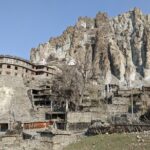
By the time you reach places like Jagat, the details change. You pass a small hot spring in Tatopani, then climb over ridges and cross suspension bridges. There’s also a section with a wide, well-crafted staircase and a landslide crossing, so expect some uneven trail character even when things look structured.
Practical takeaway for you: start each day planning for steady movement. The route includes bridges and steep sections, and “minor” ups and downs add up when you’re trekking for hours.
Days toward Deng: a mix of fields, bamboo, and gorge walking
As you push onward, you walk through millet fields, cross suspension bridges, and pass through bamboo forests. The trail also turns into a steep, uninhabited gorge stretch. That contrast matters: it breaks up the monotony and gives your body different kinds of effort.
You’ll cross the Budhi Gandaki multiple times in this stretch, and the valley widens at points, which helps psychologically when you’re tired. You end up in tiny village areas like Deng, where the scale feels small and the day’s work feels clear.
Namrung and toward Manaslu Base Camp: forests to high-country mood
The route transitions into areas with Buddhist influence, and you move into higher zones with bamboo and rhododendron forests. From there, you head toward Namrung and continue into the Nupri region, with nights in camp settings.
The “Manaslu Base Camp” day is a key psychological moment. Even without needing to chase a peak, base-camp-style areas tend to give you that expanded, open-feeling of high terrain. You’ll sleep at camp, and the rhythm shifts from village life to more weather-driven trekking.
Samagaun to Samdo: monasteries, village views, and the peak framing
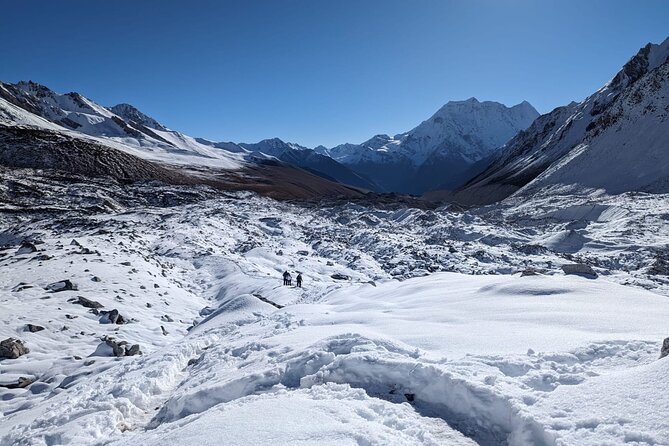
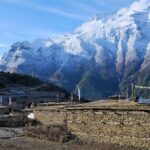
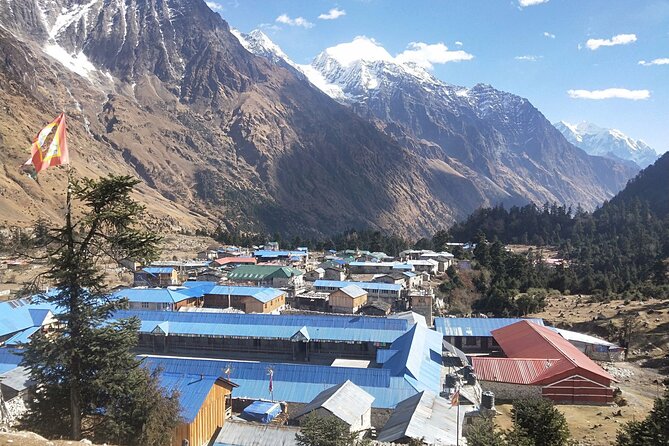
When you reach Samagaun, the trail starts to feel like you’re moving into the view window. You follow the river with views of Peak 29 and then arrive in Samagaun with views of Manaslu.
This is where your camera (and your brain) will start working differently. Instead of scanning for the next village or bridge, you’ll likely spend more time looking up at ridgelines and mountain faces. That’s the pay-off for earlier days.
You also get a more relaxed step here: a day to explore the monastery and village with big views. That stop is important because it makes your trek feel connected to people and place, not just terrain. Even if you don’t read every sign or story, it’s a chance to slow down and absorb the setting.
Then you continue by following the Budhi Gandaki toward Samdo. This part of the trek keeps the mountain-facing mood alive as the route heads toward the pass region.
The Larkya Bhanjyang challenge and the cold-weather rhythm
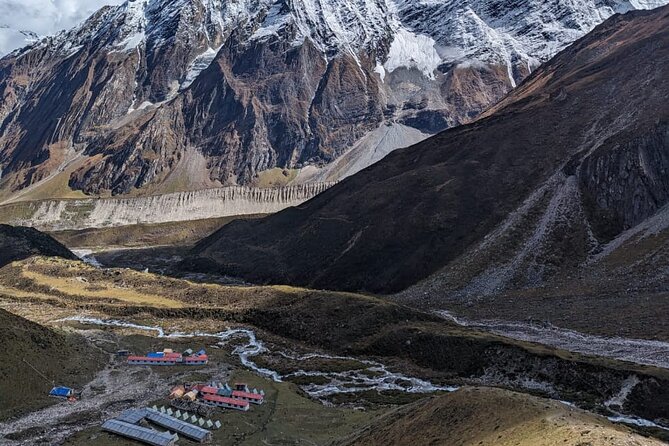
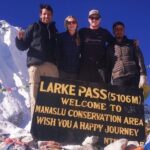
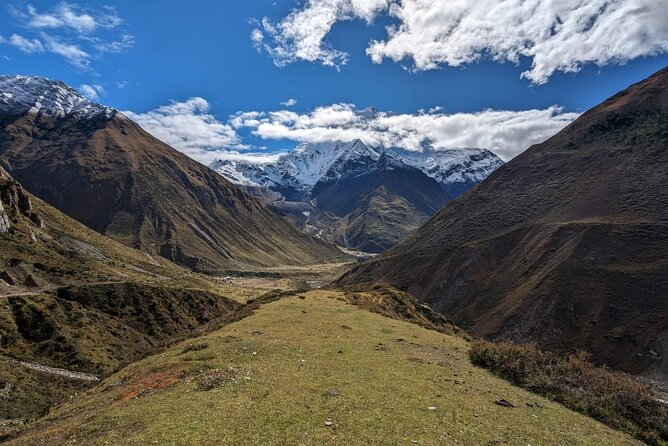
The hardest part of this type of circuit is usually the high-pass day, and this trek includes a defined ascent to Larkya Bhanjyang. The plan notes tundra and juniper along the way, which is a useful clue for how conditions can change. Tundra isn’t about comfort—it’s about exposure. Even if the daytime sun is strong, nights can feel colder.
On the day after the pass area, you descend toward Bimtang. Then you reach a Bhimtang Lake viewpoint stop and continue down toward Tilje. The pattern here is classic: climb through colder terrain, then regain comfort through descent, then keep moving as the scenery shifts again.
Chamje is the next major stop, reached after walking through scrub forests. By then, you’re moving into the final stretch of the trekking loop. These final days often feel emotional, because you know you’re closing the circuit and heading back to a more normal daily routine.
Practical consideration: altitude fatigue and cold exposure can sneak up on you even when you feel strong. The plan’s mention of tundra gives you a hint: pack and dress for layers that work in wind and lower temperatures, not just for sunny hours.
Returning to Kathmandu: countryside drive, Thamel time, and a softer landing
Once you finish the trekking days, you don’t drop straight into airport-mode. On Day 15, you drive back to Kathmandu through the countryside, rest at the hotel, and then you get a full day for leisure.
That leisure time matters more than you’d think. Trekking compresses your world into a few tasks: walk, eat, sleep, repeat. A day to reset lets your body recover and lets your brain stop counting kilometers.
You can also use the Kathmandu free time to explore Thamel, which is referenced as part of your schedule. Then on your final day, you have time for last-minute shopping or activities and transfer to the airport for departure.
What’s included on the trail that makes life easier
Beyond the obvious “you walk and you see mountains” basics, the package gives you several practical supports that can genuinely change your trekking experience.
- Full-board meals (breakfast, lunch, dinner) on trekking days
This reduces decision fatigue. You can focus on walking and hydration without constantly checking what’s available.
- Teahouse or mountain lodge stays described as neat and clean
Expect basic comfort. The plan doesn’t promise luxury, but it does promise that sleeping arrangements are part of the package.
- Permits and TIMS included
Paperwork delays can ruin trekking morale. Having permits handled reduces that risk.
- Guide and porter system (1 porter for 2 people)
When porters are covered with expenses and insurance included, the whole trek feels more stable. You also get your own trekking staff support, which helps on route navigation and timing.
- Duffel bag and T-shirt
Small, but it’s part of the package extras that can reduce what you need to pack.
And there is a medical kit box during the trip. That’s not the same as medical care, but it’s a sign the operator is thinking about basic first aid needs on remote trails.
Who this trek fits best (and who might want a different plan)
This Manaslu Circuit trek is built for people with moderate physical fitness who want a challenging walk with real scenery and fewer crowd vibes. If you like the idea of river gorges, waterfalls, monasteries, suspension bridges, and high-pass terrain, you’ll likely enjoy the variety built into the route.
It may not be your best match if:
- you’re looking for an easy hike with lots of flat comfort,
- you hate cold exposure and long walking days,
- you prefer fully independent travel where you control every decision.
On the flip side, if you want structure and support—meals covered, permits handled, porters arranged—this is a strong way to do a demanding trek without drowning in logistics.
Should you book this Manaslu Circuit Trek?
I’d consider booking if you want a remote, less commercial circuit around Mount Manaslu and you value a package that covers the heavy lifts: permits, food, trekking accommodations, and the guide/porter setup. The best reasons are practical, not romantic—this plan keeps you fed, organized, and moving through a route that isn’t built for last-minute self-planning.
Before you commit, check two things:
- Are you comfortable with long walking days and high-altitude style conditions, including tundra near the pass?
- Are you okay with the fact that beverages and personal extras are on you, plus you’ll want travel insurance of your own?
If you can answer yes, this trek is a smart way to experience the Manaslu region with enough support to focus on the trail—and enough quiet to actually hear your own steps.
FAQ
How long is the Manaslu Circuit trek?
The overall program is about 17 days. It’s a Manaslu Circuit style trek that typically takes around 14 to 16 days to complete, with extra days included for Kathmandu travel and rest.
Where does the trek start and end?
The activity is based in Kathmandu. The Manaslu Circuit trek is described as starting in Arughat and ending in Besisahar, and this 17-day program includes driving back to Kathmandu and ending back at the meeting point.
What’s included in the price besides guides and porters?
The price includes airport pickup and drop, Kathmandu hotel accommodation with breakfast, Kathmandu sightseeing with a professional city guide, and full-board trekking meals (breakfast, lunch, dinner). It also includes trekking permits, national park entry fees, TIMS card, and teahouse/mountain lodge stays during the trek.
How do the porter arrangements work?
You’ll have an experienced guide and porters, with a ratio of 1 porter for 2 people. Porter expenses and insurance are included, and porter equipment support like trekking boots and a jacket as required is mentioned.
Is the trek suitable for beginners?
The tour info says travelers should have moderate physical fitness level. It’s also described as challenging, so it’s better suited for people who are ready for sustained trekking rather than casual walking.
What is the cancellation policy?
You can cancel up to 6 days in advance of the experience for a full refund.