REVIEW · PHU QUOC
Phu Quoc: Tien Son Dinh 6-Hour Jungle Trekking Adventure
Book on GetYourGuide →Operated by HORNBILL ADVENTURES · Bookable on GetYourGuide
A trek up Tien Son Dinh is a full-day mix of sweat, shade, and big views. What makes this one stand out is the jungle guide time (plants, animals, and local stories) plus a real finish in Ham Ninh with traditional Banh Xeo.
I also love how the pacing makes sense: climb, rest in hammocks, then cool off in either Suoi Tranh or a cave option.
One thing to think about first: this is not a stroll. The trail gets steep, there are thorny bits and tricky footing, and rain can make sections slippery.
In This Review
- Key things you’ll love on this Phu Quoc jungle trek
- Tien Son Dinh trek: the kind of workout with real payback
- Pickup in Duong Dong and what you’re actually given
- The rainforest climb: steep sections, thorny edges, and rattan dodging
- What you learn while you climb
- Summit views: mountains, forest, and that airport angle
- Hammocks and a pause before the cool-off
- Suoi Tranh waterfall swim vs. cave time (season matters)
- Option A: Suoi Tranh stream swim
- Option B: Cave exploration in the dry season
- Ham Ninh finish: traditional Banh Xeo with local energy
- Price and value: why $65 makes sense for an active day
- Who this trek is best for (and who should skip it)
- What to pack: shoes and water gear decide your day
- Rules that keep the forest protected (and your group safe)
- Should you book the Tien Son Dinh trek with HORNBILL ADVENTURES?
- FAQ
- How long is the Tien Son Dinh jungle trekking adventure?
- How high do you hike to on this tour?
- What’s the pickup and drop-off like?
- Is lunch included, and what do you eat?
- What are the two options after the trek, and does season affect them?
- What gear is provided for the hike?
- What should I bring for comfort and safety?
- What is not allowed during the tour?
- Is this tour suitable for kids or people with mobility issues?
- What’s included in the price, and are there extra pickup fees?
Key things you’ll love on this Phu Quoc jungle trek
- Mr Si’s plant and animal explanations make the rainforest feel personal, not random
- Steep climb to 280 meters with a rewarding summit viewpoint over Phu Quoc, including a unique airport angle
- Hammocks included for a proper midday reset before the fun part
- Suoi Tranh stream swimming with waterfalls and pools, if conditions match
- Dry-season cave exploration as the alternative if you’d rather not get in the water
- Banh Xeo lunch in Ham Ninh so you eat local food at the end of the adventure
Tien Son Dinh trek: the kind of workout with real payback
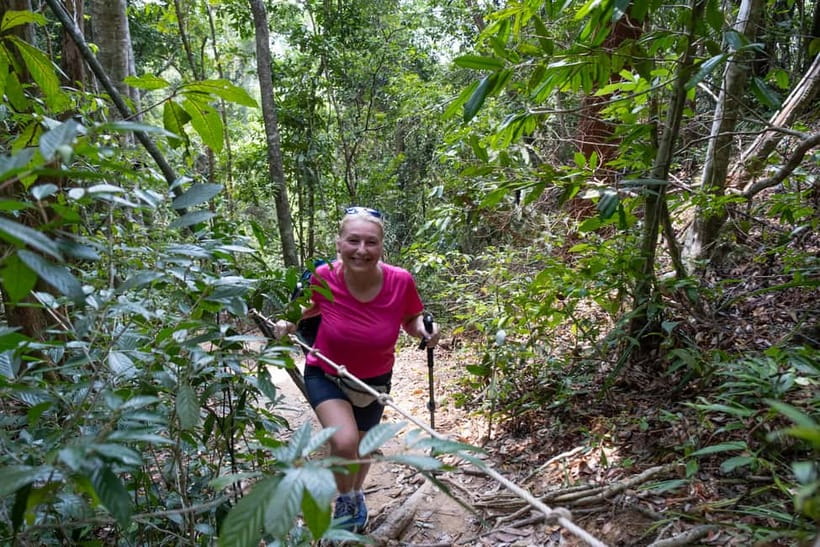
This is the trail you take when you want more than a photo stop. You’ll hike up toward Tien Son Dinh, gain elevation steadily, and spend your day moving through tropical forest instead of sitting in a vehicle. The “6-hour” promise feels accurate because the trek itself is the center of the day, with time for a break and the afternoon activity.
The payoff isn’t just the summit. It’s the way the hike is guided. You don’t just shuffle uphill and hope your legs forgive you later. Your guide points out plant species, shares how locals have used them, and ties it to the mountain’s stories. If you like nature walks, you’ll feel the difference when someone can explain what you’re actually stepping past.
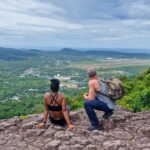
The view is the grand finish. From the top, you can see mountains and forest down below—and you even get a perspective of Phu Quoc International Airport that most people don’t see from a beach.
You can also read our reviews of more tours and experiences in Phu Quoc.
Pickup in Duong Dong and what you’re actually given
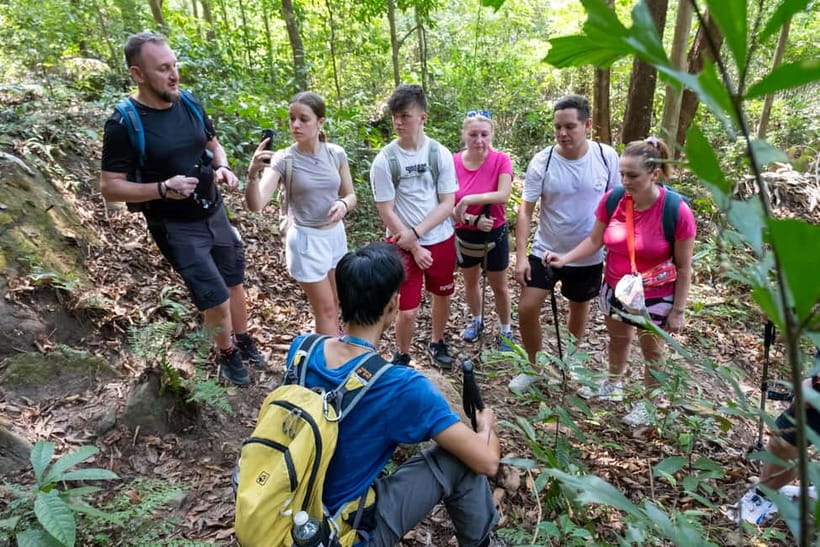
Most days start with pickup within Duong Dong city center, then you’re shuttled to the trail area. If you’re staying outside the easiest pickup zone, there can be extra fees based on where you are. And if your travel date has only one person, a 200,000 VNĐ surcharge may apply for motorbike transfer.
Here’s what matters: the tour doesn’t just hand you a phone and wish you luck. You get trekking supports and visibility gear:
- Trekking poles
- Headlamp
- Backpack
- Drinks and seasonal fruit
- Raincoat
- Hammock + first aid kit
- Plus a local lunch (Banh Xeo)
That’s solid value because trekking poles and a headlamp aren’t “nice to have” on a jungle path. They’re often the difference between steady and sloppy, especially in wet weather.
The rainforest climb: steep sections, thorny edges, and rattan dodging
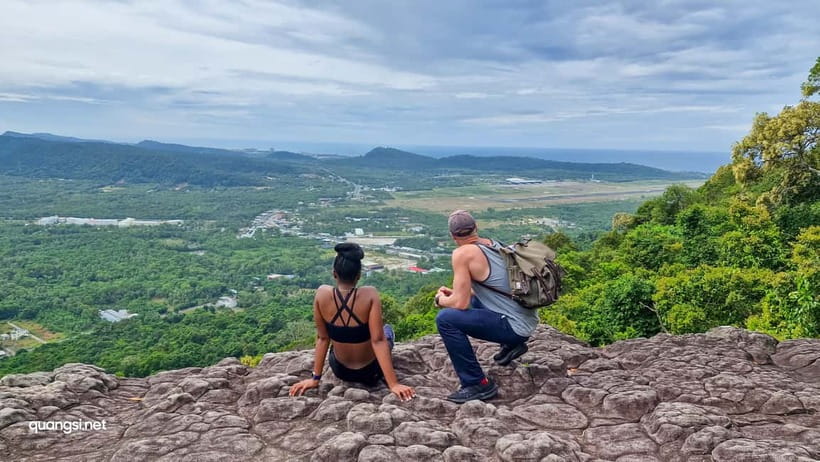
The trek climbs about 280 meters over a route that runs 6+ kilometers uphill. Expect a lot of time where your legs are doing the thinking. The guide keeps the group moving at a pace that still lets you absorb the forest.
This is also where you’ll notice the “jungle” part isn’t decorative. There are thorny bushes and sections that can feel uneven. In rainy conditions, you may wade through areas with slippery ground, and you’ll want footwear with real tread. If you hate getting your shoes dirty, this tour might test your patience.
You’ll also get safety guidance along the way. One key detail I’d trust: your guide will help you avoid things like rattan and steer you past the messier parts without making a big production out of it. That calm guidance is a huge part of why this trek works for most active travelers.
What you learn while you climb
Forest walks are only interesting when someone tells you what you’re seeing. On this trek, your guide shares:
- Indigenous plant species and how they’re used
- Local myths and stories tied to the mountain
- Practical observations about the terrain and how to move safely
Guides you may meet include Mr Si and Hac, both known for strong English skills and a detailed approach to plants and safety.
Summit views: mountains, forest, and that airport angle
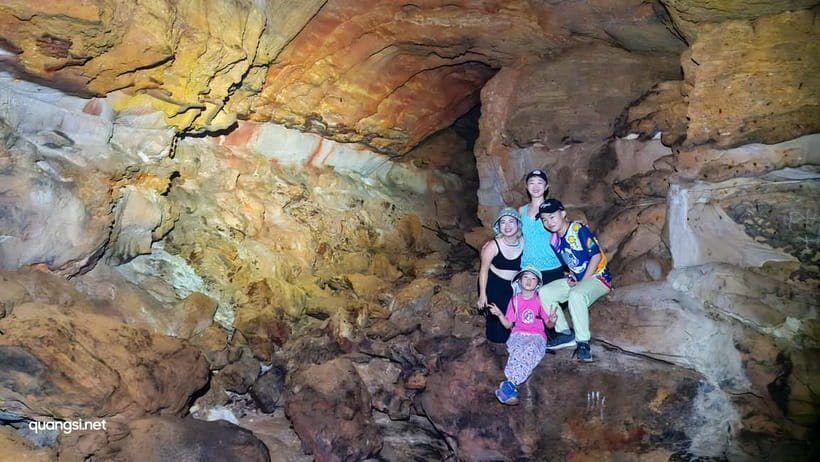
When you reach the summit, you’re not just tired—you’re ready to look around. The views cover the island’s mix of forest and inland terrain, and you get that unusual perspective of Phu Quoc International Airport. It’s the kind of contrast that makes the day feel complete: nature and infrastructure in the same frame.
Bring your eyes, not just your phone. The best photos here usually come after you’ve paused long enough to watch the details—how the forest textures change with elevation, how the ridgelines cut the view, and how far the sightline actually goes on a clear day.
Your guide helps with timing too, so you don’t feel rushed at the top. That matters because the climb itself is the challenge; the summit should feel like your reward, not another sprint.
Hammocks and a pause before the cool-off
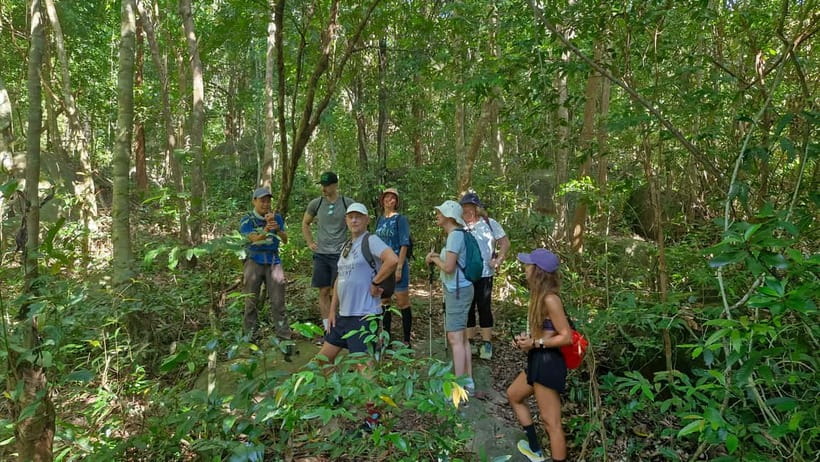
After descending begins—or after a rest at/near the peak depending on conditions—you’ll get time to slow down. Hammocks are provided, which sounds small until you’ve been climbing for hours. Then you realize it’s the smartest thing the tour does.
This rest also helps your decision later in the afternoon. Once your body has cooled off a bit, you’ll be in a better mood for one of the two options:
- Swim in the stream at Suoi Tranh, or
- Explore a cave system (season-dependent)
If you’re someone who gets cranky when your schedule flips, this reset keeps the day from turning into a continuous grind.
Suoi Tranh waterfall swim vs. cave time (season matters)
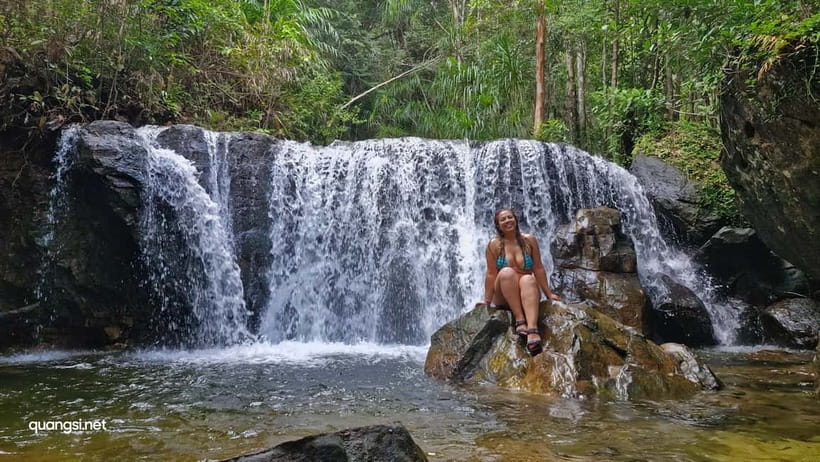
Your afternoon choice is the cool-down and it comes with two different vibes.
Option A: Suoi Tranh stream swim
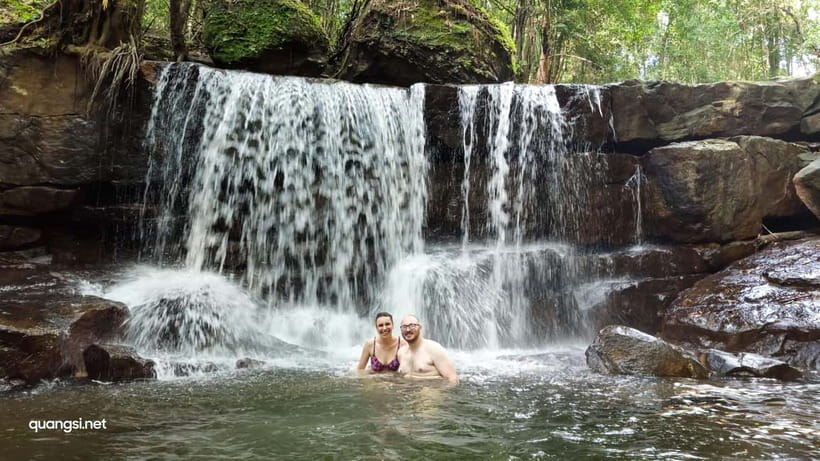
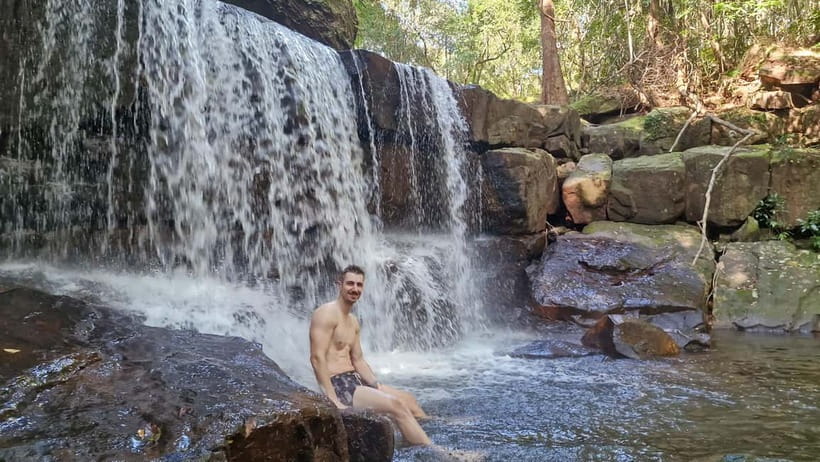
Suoi Tranh is known for cascading waterfalls and pools. The water can be refreshing after the climb, and it’s one of the most memorable “active” parts of the tour.
That said, plan to be careful. Thorny plants and uneven footing can be part of the approach, and in wet weather you may deal with slick sections. Also, you might find the waterfall area can feel busy depending on what’s happening that day. If you prefer solitude and quiet, this may not be your ideal poolside moment.
Option B: Cave exploration in the dry season
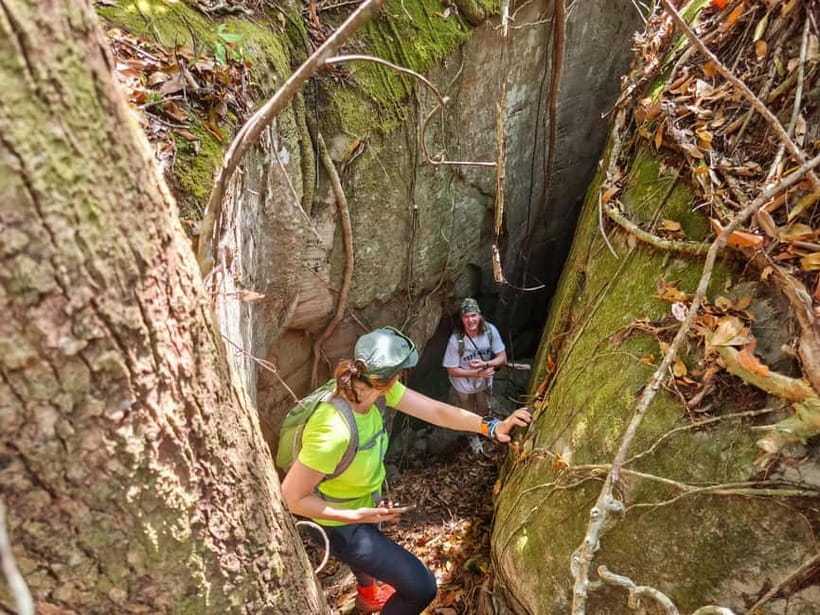
During the dry season, you may explore Phu Quoc’s largest cave system instead of swimming. Having a headlamp makes total sense here, and you’ll likely appreciate the gear you already have rather than improvising.
If you’re the type who likes dramatic scenery and don’t mind going a bit slower inside rock spaces, the cave option can be the more interesting second act.
Ham Ninh finish: traditional Banh Xeo with local energy
The day ends in Ham Ninh fishing village, where you’ll eat a traditional Banh Xeo meal. This is more than a random lunch stop. It ties your hike to how people live on the island—then you get fuel for the ride back.
Banh Xeo is a classic choice because it’s hearty and easy to love: crispy pancake texture, savory filling, and the kind of meal that feels like you’re eating what locals actually eat, not something built for tourists.
A small reality check: the exact lunch setting can vary. What stays consistent is that you’ll get the Banh Xeo meal as the cultural finish point.
Price and value: why $65 makes sense for an active day
At about $65 per person, the price doesn’t just buy a hike. It buys guided rainforest time, safety gear, and transportation support.
You’re getting:
- A qualified local guide
- Pickup/drop-off within Duong Dong city center
- Trekking poles, headlamp, backpack
- Drinks and seasonal fruit
- Raincoat plus a first aid kit setup
- Lunch (Banh Xeo)
If you were to piece this together yourself—transport, equipment rental, and a knowledgeable guide—the cost would likely climb. The biggest value is the guide: someone who can explain plants and stories while keeping you safe on a steep, sometimes slippery trail.
So yes, $65 isn’t “cheap.” But for a day that combines a climb, nature interpretation, and a real food finish, it’s fair.
Who this trek is best for (and who should skip it)
This is best for travelers who want an active day and don’t mind steep terrain. It’s rated as not suitable for:
- Children under 10
- Pregnant women
- People with mobility impairments
- People with heart problems
- People with low level of fitness
If you’re the type who can handle a steep hike and take it seriously when footing is uneven, you’ll likely have a great time.
It’s also a smart pick if you care about getting more than scenery. The guide-led plant and myth explanations are a major part of the experience, and you’ll feel that payoff most if you enjoy learning while walking.
What to pack: shoes and water gear decide your day
This tour gives you key gear, but you still need to show up ready.
Bring:
- Hat
- Swimwear (if you’re doing Suoi Tranh)
- Hiking shoes
- Sunscreen
- Insect repellent
- Long pants
And because “no plastic bottles” is part of the rules, bring a reusable water bottle instead of single-use plastic.
Practical tip: in rainy season, treat this as a wet hike. Waterproof shoes or sandals with good tread are a smart move, because you may wade and step on slippery ground.
Also, don’t ignore the headlamp logic. Even if you’re not doing anything extreme, you’ll appreciate having proper lighting if your schedule shifts or you end up in shaded stretches.
Rules that keep the forest protected (and your group safe)
A few clear rules make this experience more respectful and safer:
- No smoking
- No plastic bottles
- No littering
- No making fire
- No touching plants
That last one matters. In a jungle, “just touching” can damage plants and also make you part of the trail problem. Follow your guide’s lead.
Should you book the Tien Son Dinh trek with HORNBILL ADVENTURES?
Book this if you want a real jungle hike on Phu Quoc, with a guide who explains the forest and a day that ends in local food. You’ll like it if you’re comfortable with steep uphill walking and you’re excited about either swimming at Suoi Tranh or going into caves (dry season).
Skip it if you’re dealing with heart concerns, mobility limits, or you know you don’t handle steep trails well. This one asks for effort, and the reward comes from earning it.
If you do book, lean into preparation: good footwear, insect repellent, and long pants. Then trust the guide—especially on wet days. With the right mindset, this trek turns Phu Quoc from beach-only into a place with a story you can hike through.
FAQ
How long is the Tien Son Dinh jungle trekking adventure?
The tour is described as a 6-hour trekking adventure, with the hike running 6+ kilometers and climbing up to about 280 meters.
How high do you hike to on this tour?
The trek ascends to around 280 meters at the summit.
What’s the pickup and drop-off like?
Pickup and drop-off are included within Duong Dong city center.
Is lunch included, and what do you eat?
Lunch is included, and it features traditional Banh Xeo.
What are the two options after the trek, and does season affect them?
After the descent, you can choose to swim at Suoi Tranh, or explore a cave system in the dry season.
What gear is provided for the hike?
The tour provides trekking poles, a headlamp, a backpack, drinks and seasonal fruit, plus a raincoat and a hammock/first aid kit setup.
What should I bring for comfort and safety?
Bring a hat, hiking shoes, sunscreen, insect repellent, long pants, and swimwear if you plan to swim.
What is not allowed during the tour?
Smoking is not allowed, and you should not bring plastic bottles, litter, make fire, or touch plants.
Is this tour suitable for kids or people with mobility issues?
It is not suitable for children under 10, pregnant women, people with mobility impairments, or people with heart problems. It is also not suitable for people with low fitness.
What’s included in the price, and are there extra pickup fees?
The price includes the guide, trekking gear, drinks and fruit, lunch, and pickup/drop-off within Duong Dong city center. Extra pickup fees apply outside Duong Dong, and a 200,000 VNĐ surcharge and motorbike transfer can apply if only one person is traveling on the date.