REVIEW · KATHMANDU
Manaslu Circuit Trek
Book on Viator →Operated by Outshine Adventure Pvt Ltd · Bookable on Viator
Manaslu’s quiet high road feels like a secret. This trek puts you on the Budhi Gandaki corridor for big Himalayan moments, plus a warmer start in Kathmandu with private driving and guide help. You’ll pass hot springs, waterfalls, suspension bridges, and prayer-flag villages, all while your trip runs with a group and support team behind it.
I love how much is taken care of for you: permits, an English-speaking local guide, porters for luggage, and standard meals throughout the trek. I also like the built-in acclimatization rhythm, especially the rest time around Sama Gaon where you can hike options like Manaslu Base Camp or Punggen Gompa.
One possible drawback: this route asks for steady effort. You’ll have several long trekking days and a rugged big pass day at Larkya La, so if you’re hoping for a casual stroll, you’ll want to rethink.
In This Review
- Key things that make this Manaslu Circuit special
- Why Manaslu feels different from other Nepal treks
- Kathmandu warm-up: Swoyambhu to Pashupatinath (and time to shop)
- First trekking days from Arughat to Machha Khola: bridges, forests, and rhythm
- Tatopani to Jagat: the hot spring break and serious river crossings
- Jagat to Deng: Salleri, Philim, and the waterfall corridor
- Deng to Namrung and Lho Gaon: prayer flags, forest variety, and peak views
- Sama Gaon: the acclimatization pause that makes the whole trek work
- Samdo and Dharapani approach: short days, mani walls, and staging for the pass
- Larkya La Pass to Bimthang: the long day you plan for, not the day you rush
- Down to Gho and Dharapani, then back to Kathmandu
- Price and value: what $1,575 buys you in real terms
- Service style: small group, real support, and guide leadership
- Fitness and packing tips that match this trek
- Should you book this Manaslu Circuit trek?
- FAQ
- What is the duration of the Manaslu Circuit trek?
- Where does the tour start and end?
- What is included for Kathmandu after I arrive?
- Are meals included during the trek?
- Are permits included for the Manaslu area?
- Is there a guide and porter support?
- Do they provide trekking gear like a sleeping bag and down jacket?
Key things that make this Manaslu Circuit special
- Private Kathmandu time that helps you get oriented with expert guidance and a dedicated driver
- Permits handled (Manaslu Special Permit, Trekking Permit, and Manaslu conservation park permits)
- Meals and lodge stays are included so you’re not constantly budgeting day to day
- Proper acclimatization built in with extra nights around Sama Gaon
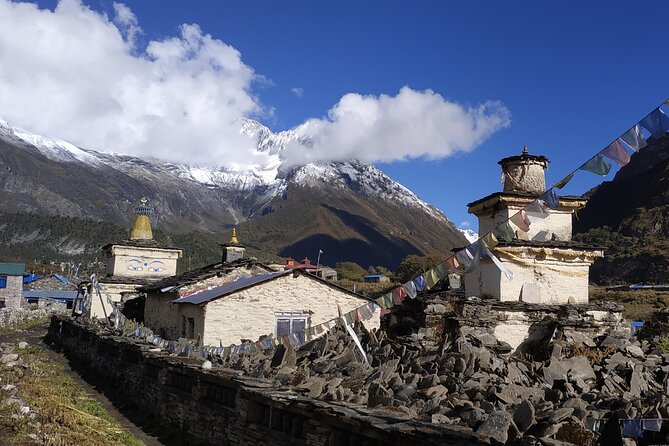
- Big cultural signals on the trail like mani walls, chortens, prayer flags, and channeled river valleys
- Support that shows up in real ways, with guides and porters credited for keeping groups safe and moving
Why Manaslu feels different from other Nepal treks
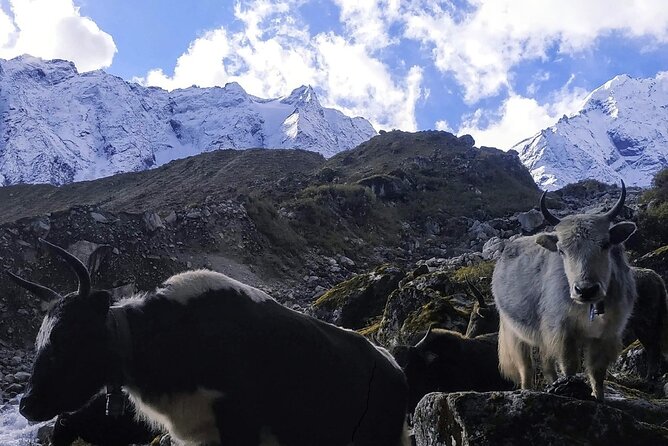
Manaslu Circuit is one of those routes where the scenery keeps changing, but the tone stays calm. You’re not just chasing peaks. You’re walking through river valleys, crossing suspension bridges, and gradually trading lowland forest for higher, windier terrain where the villages feel smaller and the views feel closer.
The route is built around the Budhi Gandaki river system. That matters because it gives you that steady “keep going” feeling: the valley guides your progress, but the side streams and ridges keep throwing surprises at you—waterfalls, terraces, hot springs, and those prayer-flag checkpoints that make the trail feel like a lived corridor, not just a hiking path.
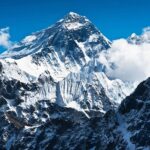
The altitude context is real here. The route sits in high country, with Manaslu as the star at around 8156m in the wider region. Your body will notice that. The good news is the trek schedule includes a planned pause to help you adjust rather than forcing you uphill every single day.
You can also read our reviews of more tours and experiences in Kathmandu.
Kathmandu warm-up: Swoyambhu to Pashupatinath (and time to shop)
Your trip begins in Kathmandu with straightforward support: you’re met at Tribhuvan International Airport by a representative holding an Outshine Aventure name plate. Then it’s hotel transfer, check-in, and a short meet-up for documentation and key trip info.
The next morning is your culture gear-up. You start early for Swoyambhunath (Swo yambhu Mahachaitya), then the program continues through the Kathmandu classics by private car and an expert guide. Expect stops at Kathmandu Durbar Square, Syambhunath, Boudhanath, and Pashupatinath. Admission fees for monuments are not included, so if you like to photograph a lot or enter multiple sites, you’ll want to set aside some cash.
The practical bonus is the afternoon window afterward. You can use it to prep for the trek: equipment shopping, replacement items, or just getting your packing list under control before you head out of town. If you’ve ever forgotten a basic piece of trekking gear and then had to overpay in a rush, you’ll appreciate this buffer.
First trekking days from Arughat to Machha Khola: bridges, forests, and rhythm
After Kathmandu, you drive out toward the trailhead area through the Kathmandu outskirts. You reach the Arughat region and then head toward Soti Khola for your first overnight in a guesthouse. This day is about transition—longer travel time, changing scenery, and getting your legs used to the idea that tomorrow is walking.
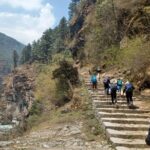
Then comes the more “feel it in your calves” portion. You cross a bridge, trek through sal forests, and work your way toward a ridge. You’ll also cross waterfalls and walk on a rugged trail. Rice terraces enter the picture, and you’ll keep moving up and down before reaching areas like Labubesi and eventually Machha Khola.
A heads-up: the first days are not peak-chasing. They’re about building stride and learning how your pack feels on suspension bridges and uneven ground. If you go out fast, you’ll pay for it. If you go steady, you’ll settle into the rhythm quickly.
Tatopani to Jagat: the hot spring break and serious river crossings
From Machha Khola, the trail keeps climbing in sections. Today’s character includes a hot spring stop at Tatopani. Even if you don’t linger for long, it’s a nice reminder that this trek isn’t only about glaciers and passes—it has small comforts along the way.
The walk takes you through narrow trail segments and crosses the Tharo Khola before reaching Khorla Besi. Then it’s more ascent toward a ridge, plus a suspension bridge crossing over the Budhi Gandaki River. Eventually you continue upward to Jagat, where the altitude shift becomes more noticeable.
You’ll want to treat Tatopani as a pacing tool, not a rescue stop. If you spend too long there, you risk arriving late and tired. The better approach is a quick reset: water, a snack, and a short break before you keep moving.
Jagat to Deng: Salleri, Philim, and the waterfall corridor
After your permits get checked, the trek starts to feel more rugged in texture. You climb on a rocky ridge to Salleri and then descend toward Sirdibas. Another long hanging bridge crossing follows, and then you head toward Philim.
Today also brings waterfalls on both sides of the valley. That sounds scenic—and it is—but it can also mean slippery footing and more water in the trail environment. Keep your steps short and your attention on your footing.
Later in the day, the route includes crossing suspension bridges and moving along camps and valley paths until you reach Deng. This stretch is where the “valley-to-ridge-to-bridge” pattern becomes your daily routine.
Deng to Namrung and Lho Gaon: prayer flags, forest variety, and peak views
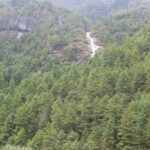
The route continues to rise as you cross the Budhi Gandaki River and ascend toward Rana. Then you work your way up through lush green forests and small villages. Expect a narrow gorge feel in places, with streams and side crossings along the way.
Namrung Village is your big stop for the day. It’s a place where the village life starts to feel more Himalayan and less Kathmandu. From there, you move into the inner Himalayan range and the views begin to stack up.
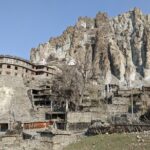
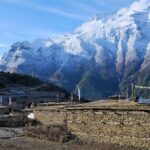
Around this time you get sightlines to multiple peaks in the Manaslu neighborhood—Manaslu itself, plus options like Gorkha Himal, Saula Himal, Dwijen Himal, Lajing Peak, and Rupina La Pass (as described along the route). You’ll also walk past chortens, prayer flags, and mani walls. These aren’t just decoration. They mark passages and reinforce that the trail is part of local movement and belief.
You end up at Lho Gaon. The key value of this day is that the scenery feels closer and more layered—less “big view from afar,” more “you can read the mountains from the trail.”
Sama Gaon: the acclimatization pause that makes the whole trek work
This part is important enough that the schedule builds extra time. After trekking following the right bank of a river, you reach Sama Gaon. Peak views continue, but what matters most here is the pause.
Instead of pushing immediately toward higher country, you spend time in Sama Gaon for acclimatization. You can enjoy the village pace and choose a short trip to Manaslu Base Camp or Punggen Gompa depending on how you feel.
This is the kind of plan that helps you avoid the classic mistake of treating acclimatization like a checkbox. If you feel good, you can hike a bit. If you feel run down, you rest. Either way, the schedule supports smart decisions.
Samdo and Dharapani approach: short days, mani walls, and staging for the pass
The next segment shifts to shorter, easier trekking days. From Sama Gaon, you can head toward Samdo. The trail includes mani walls and juniper bushes, and there’s a crossing over Buri Gandaki on an old wooden bridge before you reach Samdo Village.
Then you move toward the Dharamsala area. You descend toward a bridge, cross the Budhi Gandaki River, and slowly ascend. This creates a “set up your body” feel before the major pass day. You’re still walking, but the route design gives you time to keep your legs from going numb with fatigue.
If you’re the type who wants to maximize every minute, you’ll still appreciate these days. You can take them slower. You’ll likely sleep better. And sleep in high country is not a luxury—it’s part of the plan.
Larkya La Pass to Bimthang: the long day you plan for, not the day you rush
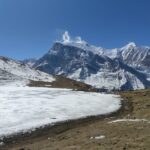
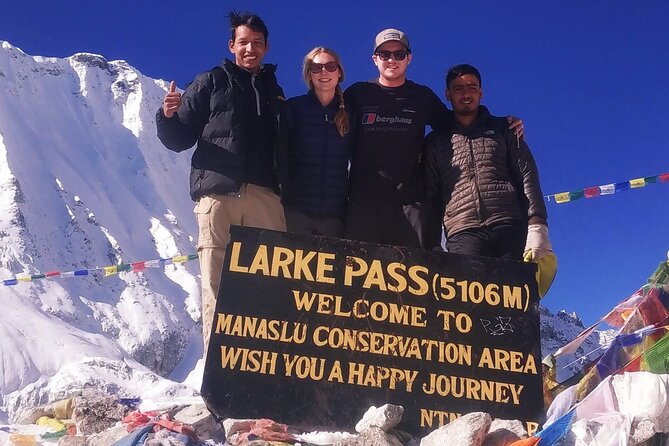
This is the day with the big test: ascending on a ridge toward Larkya La Pass through a rugged path. The effort is real, but the reward is the kind of mountain scenery that makes you stop caring how sweaty your jacket is.
After the pass area, you continue toward Bimthang with a descent on a loose rocky trail. Loose rock means you go slower, even when you feel strong. Trip success here depends on technique: short steps, steady rhythm, and not fighting the ground.
You finish in Bimthang after all that altitude work. It’s a classic “tough day” end. The upside is you now have momentum downhill, and the next days shift toward recovery.
Down to Gho and Dharapani, then back to Kathmandu
After Bimthang, the trekking continues downhill. You descend all the way down to Gho, with the trail descent lasting around six hours. Gho becomes your overnight.
Then there’s another descent day: you go down toward Dharapani for about four hours. These lower-altitude days can feel like relief, but don’t treat them like a vacation walk. Long downhill can still beat up knees and ankles. Take it slow, and keep your weight controlled.
From Dharapani, you start your journey back toward Kathmandu. The drive takes you through Besishahar and eventually back to Kathmandu for hotel time and rest. Your day ends with a farewell dinner, which is a nice way to decompress after days of simple, practical meals.
Finally, on the last day you transfer to the international airport based on your flight time. If you added extra days for activities, this is usually where that flexibility shows up—your schedule says it can be adjusted if you have more time.
Price and value: what $1,575 buys you in real terms
At $1,575 per person, this isn’t a bargain trek. It is also not a “bare bones” one. The value comes from what’s bundled.
Included value highlights:
- Permits and conservation fees for the Manaslu area: Manaslu Special Permit, Trekking Permit, and Manaslu conservation park permits
- A local licensed English-speaking guide
- Porters and local staff to carry your luggage
- Best available lodges/guesthouses during the trek
- All standard meals on trek (breakfast, lunch, dinner counts are included through the trek days)
- Down jacket and sleeping bag provided if you need them
- Kathmandu hotel accommodation for 3 nights plus airport/hotel transfers by private car
- A guided Kathmandu city tour by private car (monument entry fees not included)
What you should budget separately:
- Travel insurance (not included)
- Personal expenses like alcoholic/cold drinks, laundry, and trekking equipment you buy or bring
- Tips for staff and driver-tipping expectations
- Kathmandu monument entrance fees for sightseeing stops
So here’s the math in plain language: you’re paying for coordination, legal access to the Manaslu area, food, guiding, and logistical muscle. For many people, that’s the difference between a stressful trip and one where you can focus on the walking and the views.
Service style: small group, real support, and guide leadership
This is a group trek with a maximum of 15 travelers. That size is big enough for good energy, small enough for the pace to feel manageable. You’re not stuck waiting forever for a bottleneck of hikers.
You’ll also have a guided experience led by a local licensed English-speaking guide, and you’ll get porter help for luggage. In the feedback this company has received, names like Gokul show up as part of the leadership, with guides such as Nabu and Bikash praised for looking after groups and making sensible calls when conditions or personal fitness levels come into play.
That matters because Manaslu isn’t a theme park trail. The “smart” choice might be resting, adjusting pace, or deciding what’s wise on the day. Having a team that can manage that flexibility is a real quality signal.
Fitness and packing tips that match this trek
The trip calls for moderate physical fitness, and that’s accurate. You’re dealing with multiple trekking days that can run around 4 to 9 hours, plus a tough pass day. You’ll also have bridge crossings and rugged trail sections.
Packing wisely:
- If you need it, take advantage of the included down jacket and sleeping bag. It can save you money and weight.
- Bring your own personal items (the tour lists personal expenses and trekking equipment as personal), and plan for small additional purchases in Kathmandu during your afternoon prep window.
- Expect weather variation in high country. Even if you’re not told exact temperatures, the fact that the schedule includes chilly-pass terrain means layering makes sense.
And a small but crucial strategy: use the acclimatization time at Sama Gaon like a gift. Don’t fill it with an aggressive checklist. If you feel tired, rest. If you feel good, do a hike. That’s the goal of the extra time.
Should you book this Manaslu Circuit trek?
You should consider booking if you want:
- A structured trek where permits, guide, and staff support are part of the package
- Built-in acclimatization time instead of a nonstop grind
- A mix of Kathmandu culture time and real high-country walking through river valleys, forests, terraces, bridges, and prayer-flag villages
- A small group size (up to 15) with private transfers and a guided city start
You might skip—or at least talk with the operator first—if:
- You’re looking for an easy walk with minimal effort. The pass day at Larkya La and several long descents are serious.
- You have very tight timing and want zero room for changes. This trek runs on planned pacing and high-altitude decisions, so flexibility is part of the deal.
If your idea of a great trip is steady days, mountains that keep revealing new angles, and a team that handles the logistics so you can focus on the trail, this one has a lot going for it.
FAQ
What is the duration of the Manaslu Circuit trek?
The experience runs about 17 days, including time in Kathmandu and the trekking portions.
Where does the tour start and end?
It starts at Paknajol, Kathmandu 44600, Nepal and ends back at the same meeting point.
What is included for Kathmandu after I arrive?
You get airport pickup, hotel transfer, and three nights of standard hotel accommodation in Kathmandu, followed by a guided Kathmandu city tour by private car.
Are meals included during the trek?
Yes. Standard meals are included throughout the trek, with breakfast, lunch, and dinner provided on the trek days listed.
Are permits included for the Manaslu area?
Yes. The Manaslu Special Permit, Trekking Permit, and Manaslu conservation park permits are included.
Is there a guide and porter support?
Yes. You’ll have a local licensed English-speaking guide and porters/local staff to carry luggage during the trek.
Do they provide trekking gear like a sleeping bag and down jacket?
They provide a down jacket and sleeping bag by Outshine Adventure if needed.