REVIEW · SAPA
Sapa 2 Day Trekking with 1 Night Homestay
Book on Viator →Operated by Asia Travel Legend · Bookable on Viator
A two-day trek in Sapa can change your whole trip. You get out of Sapa town fast, walk with a guide, then sleep in a real homestay while eating homemade meals in small villages. The big win is how much of the day is on foot, with enough structure that you’re not guessing routes or timing.
I also like that the guides tend to be both friendly and skilled. People have had stand-out days with guides such as Chi and May (and others like Chai, Khu, Ker, Lily, and Little Zo), with real explanations of local life along the trail. One possible drawback: this route can feel a bit touristy in the sense that you may share similar paths with other groups, and village kids may walk along to sell small souvenirs.
In This Review
- Key things that make this trek worth your time
- Why a Sapa homestay trek beats a day-trip shuffle
- Morning logistics: pickup, start time, and getting out of Sapa
- Day 1: Ta Van Village, plus the valley walk that connects everything
- Day 1 lunch and the homestay reset: why it feels like more than a stop
- Day 2: Giang Ta Chai, Su Pan, and back to Sapa with your legs still intact
- Homemade food on the trail: the quiet MVP of this package
- Guides make or break the experience: names to look for, and why communication matters
- Homestay basics: what to expect and how to pack smart
- Price and value: what $119.88 really buys you
- Pacing and difficulty: what most people can handle, and what to watch
- Who should book this trek (and who might prefer something else)
- Should you book Sapa 2 Day Trekking with 1 Night Homestay?
- FAQ
- What’s included in the price?
- How long is the trek?
- Where does the tour start and end?
- Do you get picked up from town?
- Is there an overnight homestay?
- Is the tour private?
Key things that make this trek worth your time
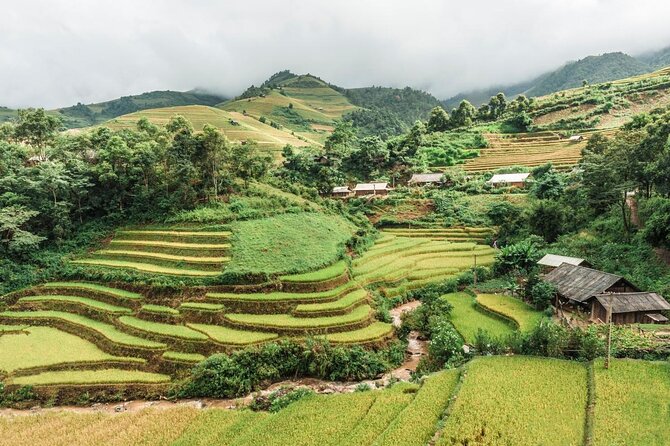
- Real homestay night in a village setting, not a hotel detour
- Homemade meals included across the two days, so you’re not budgeting every stop
- Valley entrance and local transport included, which keeps the logistics simple
- Guides who teach as they walk, with multiple named guides earning strong praise
- A route that’s active but doable for most travelers, with tough sections and lots of village views
- You’re back in town afterward, with transportation built into the plan
Why a Sapa homestay trek beats a day-trip shuffle
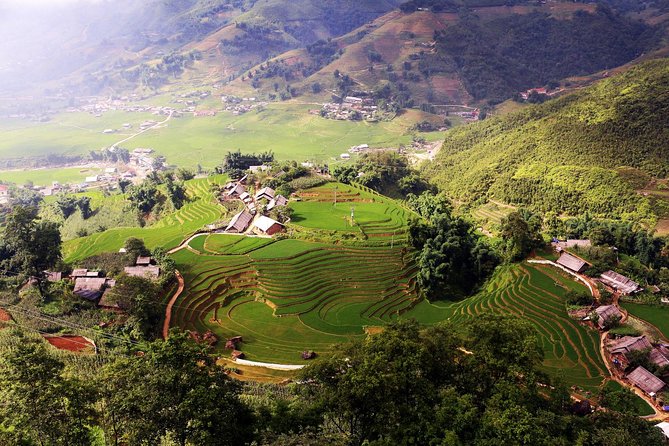
Sapa is easy to see from town—shops, viewpoints, and quick photos. This experience aims for the other side of the valley story: the walking life between villages, then the overnight slow pace of a homestay.
For me, the best part is the rhythm. You trade the comfort of staying in one place for the satisfaction of moving through the hills, guided and timed, with meals handled for you. And when you sleep in someone’s home, you’re not just passing through a photo spot.
If you like your travel with fewer unknowns, this kind of package trek helps. Pickup is offered, there’s a mobile ticket, and the plan includes transport to and from town so you don’t have to negotiate at the end of a long walk.
You can also read our reviews of more tours and experiences in Sapa.
Morning logistics: pickup, start time, and getting out of Sapa
The trek starts at 9:00 am in Sapa (Lao Cai). You’re set up with pickup offered and a guide, and you’ll have a clear start so the day doesn’t start with a hunt for your group.
Depending on where you’re coming from, there may be a short pickup segment in Hanoi Old Quarter for some travelers, but the trek itself is centered around Sapa. Either way, it’s built to get you moving without you feeling lost before the trail even begins.
One detail worth planning for: this is a real walking day. Even if the overall pace is managed by the guide, you should treat it as a hike, not a stroll.
Day 1: Ta Van Village, plus the valley walk that connects everything
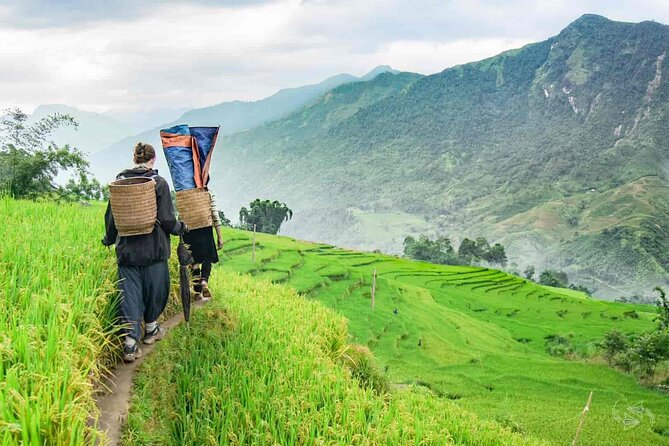
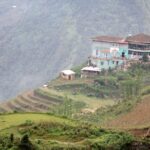
Day 1 is structured around a classic Sapa valley flow. You start with time heading through the village valleys and countryside, including stops such as Y Linh Ho and Lao Chai before reaching Ta Van for the homestay night.
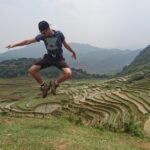
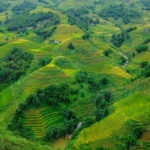
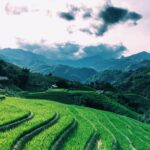
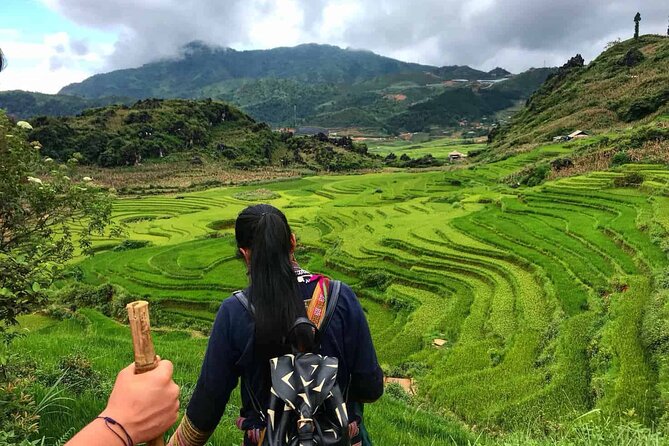
A big reason people love this kind of route is variety. You’re not stuck doing one straight-viewpoint circuit. You’ll pass through rice-field areas, small settlements, and stretches where farming is part of what you’re seeing.
Timing matters here. The walk segment on Day 1 runs roughly from 9:00 am to around 3:00 pm, and it’s planned so you arrive at Ta Van without feeling like you’re trekking in the dark. Along the way, guides explain what you’re seeing, from how people farm to how village life works.
And yes, you may run into real village moments on the trail—one guide experience included passing events like a funeral and a wedding. That’s the kind of thing you can’t replicate from a viewpoint bus window.
Day 1 lunch and the homestay reset: why it feels like more than a stop
At least one lunch is built into the plan, and it’s part of what makes this trek good value. Instead of paying for every meal while you’re tired, you get food that keeps you going during the walking hours.
When you reach Ta Van, the homestay part becomes the contrast. You’re shifting from outdoor effort to inside village calm. People have also pointed out practical comforts like the ability to store luggage and rinse afterward at the end of the trek, which matters more than it sounds when you’ve been walking all day.
Your guide’s role is also huge here. The best days come when the guide doesn’t just lead you from A to B, but talks through what you’re seeing—local farming patterns, everyday village work, and how each area fits into the valley.
Day 2: Giang Ta Chai, Su Pan, and back to Sapa with your legs still intact

Day 2 continues the village-to-village theme with stops such as Giang Ta Chai and Su Pan. The walking window on Day 2 is shorter on the schedule—about 4 hours total for the main walk segment—so it feels like a second act rather than a repeat grind.
Lunch on Day 2 is also included (served during the route), so you’re not scrambling for food mid-hike. Then you head back toward Sapa, finishing in the afternoon and returning to the starting meeting point.
This is one of those experiences where the second day feels like it’s showing you what you missed on Day 1: more villages, more everyday life, and fewer big interruptions. If you’ve got energy after Day 1, Day 2 rewards you with a sense of completion.
Homemade food on the trail: the quiet MVP of this package
Food is where many “budget” treks cut corners. Here, the plan includes two lunches, one dinner, and one breakfast, plus the homestay night. You’re not just buying a bed and a guide—you’re buying the ability to eat without planning.
What I like about this setup is that it reduces friction. When meals are handled, you can focus on walking, photos, and conversation, instead of constantly tracking costs.
One more practical note: drinks aren’t included. That means you’ll want to bring or buy water during the day, or plan to handle hydration separately (especially in rain, when sweat doesn’t always feel obvious).
Guides make or break the experience: names to look for, and why communication matters
This trek has a strong record for guides who are both informative and human. People have given top praise to guides such as Chi and May, and also to Khu, Ker, Chai, Lily, and Little Zo. The overlap across names is that the guides are attentive and good at explaining what you’re seeing.
Communication matters too. One experience stood out for how the main office and the guide handled a last-minute medical issue, and another praised the guide for adjusting the route when a child wasn’t well at the start. That tells you the operator has a flexible mindset, not just a rigid checklist.
If you’re traveling with kids, this matters a lot. A shorter pace, planned breaks, and an ability to adjust can be the difference between a fun day and a stressful one.
Homestay basics: what to expect and how to pack smart
A homestay night is the heart of this experience. The exact setup can vary by village home, but the overall idea is consistent: you sleep close to local life and share the rhythm of the household for the evening.
Think of it as an experience that values simplicity. You’re there for the culture and conversation, not for luxury amenities. Still, people have specifically mentioned practical value like being able to handle luggage and shower afterward, so you’re not walking all day and then going completely unreset.
For packing, I’d keep it simple and practical:
- Wear shoes you can trust on uneven trail
- Bring a rain layer since this trekking plan is meant to work in wet weather
- Pack a small day bag for water, a snack, and anything you need within the walk segments
Because drinks aren’t included, hydration planning is part of your job. If you tend to get headaches or feel sluggish when you walk, bring extra water rather than hoping you’ll find a perfect stop.
Price and value: what $119.88 really buys you
At $119.88 per person, this trek can look high or low depending on what you’re comparing it to. The key is what’s included: guide, homestay night, meals for two days, valley entrance, and transport to and from town.
If you tried to piece together a guide plus meals plus homestay on your own, you’d likely spend time negotiating and still risk gaps in logistics. This package reduces that stress. It’s especially valuable on a two-day schedule, where small planning mistakes can ruin the flow.
The hidden value is the meals. Two lunches, one dinner, and breakfast aren’t just convenient; they’re also a big chunk of your day-by-day costs and decisions. And valley entrance inclusion means you don’t have to worry about paying separately when you’re already tired from walking.
Possible trade-off: if you’re very sensitive to tourist crowds along popular trails, you might feel the route is slightly “everyone does this.” The guide can’t erase geography, but a good guide can help you enjoy it for what it is.
Pacing and difficulty: what most people can handle, and what to watch
This trek is listed as suitable for most travelers, and the schedule is designed to keep you moving through the valley over two days rather than attempting one giant hike. Still, the trail itself can be tough in places.
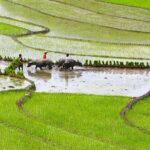
One well-liked account describes walking along tough tracks through villages, rice fields, and areas with buffalo, plus unpredictable real-world moments like funerals and weddings. That’s a reminder that it’s outdoors work, not a theme park route.
If you have knee problems, steep-stair discomfort, or balance issues, you’ll want to consider whether you can handle uneven terrain. The experience can likely be paced by the guide, but the route is still a hill-country walk.
Who should book this trek (and who might prefer something else)
This is a great fit if you want:
- A structured trek with a guide and meals handled
- A real overnight in a village homestay instead of a hotel night
- Time to see multiple village stops, not just one quick viewpoint session
- A chance to learn, especially if your guide is teaching as you walk
It may be less ideal if:
- You strongly dislike sharing routes with many other groups
- You get annoyed by the constant background of small souvenir sellers walking along the path
- You want a totally silent, nature-only trek with no village contact
Also, remember that cancellation changes aren’t allowed and refunds aren’t offered. If you’re not sure you’ll be able to go (especially with rain risk), plan carefully.
Should you book Sapa 2 Day Trekking with 1 Night Homestay?
I think you should book this if you want your Sapa time to feel grounded in daily life—walking between villages, learning from a guide, and sleeping in a homestay rather than just ticking off sights. The meal plan and the transport support make it a good value for a two-day schedule.
I’d recommend it especially to families who appreciate guides that adjust when needed, and to solo travelers who want a guided day with built-in conversations. If you love rice fields, village farming, and the kind of encounters where you’re not just taking photos but understanding what you’re seeing, this is a strong choice.
If you’re the type who gets irritated when a trail feels crowded or when people approach to sell small souvenirs, you can still enjoy it, but go in with eyes open. In Sapa villages, that social side is part of the experience.
FAQ
What’s included in the price?
The price includes a guide, pickup and drop-off, food for two days (two lunches, one dinner, one breakfast), a homestay night, and the entrance fee to the valley. Drinks are not included.
How long is the trek?
It runs for about 2 days (with 1 night). Day 1 is planned roughly from 9:00 am to around 3:00 pm, and Day 2 includes a shorter main walking segment of about 4 hours.
Where does the tour start and end?
It starts in Sa Pa, Lao Cai, Vietnam at 9:00 am, and it ends back at the meeting point.
Do you get picked up from town?
Pickup is offered, and pick-up and drop-off are included in the experience.
Is there an overnight homestay?
Yes. You’ll stay overnight in a local homestay for 1 night.
Is the tour private?
Yes. It’s a private tour/activity, so it’s just your group. A mobile ticket is also provided.