REVIEW · KATHMANDU
3 Days Chisapani Nagarkot Trek
Book on Viator →Operated by himalayan sanctuary adventure private limited · Bookable on Viator
Three days, and you’ll start thinking in mountain time. This trek is interesting because it strings together pine-and-oak forest hikes, village paths, and big Himalayan viewpoints at a pace that still feels adventurous. I especially like that your meals on the trail are handled, so you can focus on walking and taking breaks. One thing to consider: your hiking days are still solid efforts (roughly 4–7 hours of walking), so bring a realistic fitness level, especially on day one’s climb.
The other big reason I’d pick this route is the human support. You’ll go with an English-speaking trekking guide plus a porter (listed as one porter for every two trekkers), and that kind of help matters when you’re carrying less and navigating simpler. From the guide names you’ll hear associated with this trip—Ganesh, and also Bishnu Bhatta—it’s clear the emphasis is on making you feel safe, not rushed, and comfortable with your pace.
In This Review
- Key Things You’ll Want to Know Before You Go
- Why This 3-Day Chisapani to Nagarkot Trek Works
- Your Day 1 Plan: Sundarijal Forest to Chisapani Views
- Your Day 2 Plan: Forest Tracks, Villages, and Nagarkot’s Big Payoff
- Your Day 3 Plan: Sunrise at Nagarkot, Chagunarayan Temple, and Bhaktapur Durbar Square
- Support That Actually Changes Your Trek: Guide, Porter, and Meals
- Price and Value: Is $320 Fair for 3 Days?
- What the Trek Feels Like on the Ground (Not Just on Paper)
- Who Should Book This Trek (and Who Might Rethink It)
- Should You Book This 3-Day Chisapani to Nagarkot Trek?
- FAQ
- What time does the trek start?
- Is pickup and transport included?
- Are meals included during the hike?
- How many hours will I be walking each day?
- Is this trek private or shared?
- What cultural sights do you visit?
- Can I cancel for a full refund?
Key Things You’ll Want to Know Before You Go
- All meals during the hike are included, so you’re not managing food or budgeting snacks hour by hour
- English-speaking guide + porter support helps with comfort and navigation
- Private trek for just your group means less waiting around and more flexibility with breaks
- Day 2 delivers the signature viewpoint from Nagarkot, with both sunset and sunrise built in
- You’ll mix culture stops on day 3 with Chagunarayan Temple and Bhaktapur Durbar Square
Why This 3-Day Chisapani to Nagarkot Trek Works
If you want big Himalayan feelings without a long, exhausting itinerary, this route is built for you. The overall format is simple: day one climbs into the hills, day two pushes for longer walking and the broadest panoramas, and day three adds cultural highlights before you return to Kathmandu.
What I like is how the schedule matches how your body actually behaves. Your first day is longer than a casual stroll but not an all-day suffering contest. By day two, you’re walking more, yes, but you’re also in the sweet spot where a steady rhythm brings rewards: forest sections, terrace farming, and the payoff of wide mountain views. Then day three adds morning light, a temple visit, and a smooth ride back.
This is also one of those treks where the details matter. You’re starting from Sundarijal (a common launching point for Himalayan walks), and you’re moving toward Chisapani and then Nagarkot, which is famous for clear-sky viewing. The itinerary is short enough that you won’t feel like you’re spending your whole vacation hauling yourself uphill.
You can also read our reviews of more tours and experiences in Kathmandu.

Your Day 1 Plan: Sundarijal Forest to Chisapani Views
Day one starts at 7:45 am with breakfast in Kathmandu, then a drive to Sundarijal. After that, you begin walking uphill on a trail through pine and oak forest. The trek time is given as about 4–5 hours, and another note lists it closer to 5–6 hours, so I’d plan for the wider range and aim for steady pacing rather than speed.
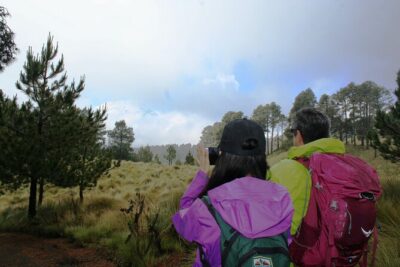
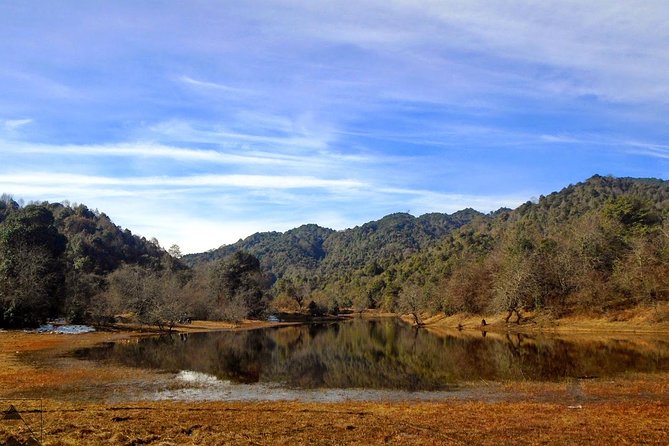
This first day is where you set the tone. Forest walking sounds ordinary until you’re actually in it. You’ll hear birds, and the area is noted as a good spot for bird watching, with a chance of seeing wild animals. You also pass through Shivapuri National Park (listed as included via national park permit), so it’s not just a scenic stroll—it’s also a genuine protected-area experience.
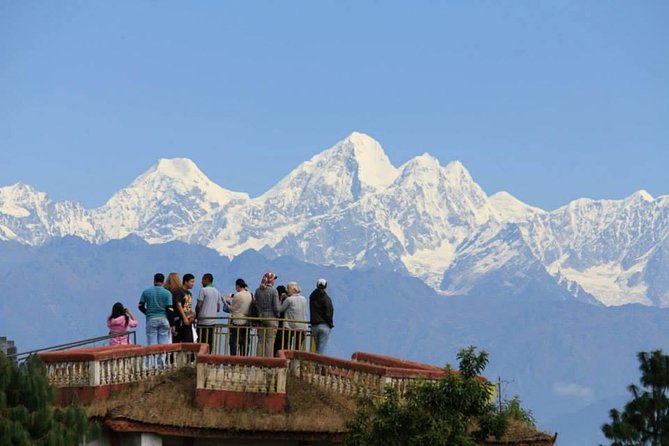
When you reach Chisapani (2115m), you’ll settle in for the night at a lodge. Chisapani is positioned for panoramic views of the Himalayas and the valley, and the area is also tied to the Sherpa ethnic group in the trip notes. Translation: you’re not only walking through nature; you’re also moving through a living region with a long relationship to these hills.
Practical note: day one ends with lunch and dinner provided, since meals during the hike are included. That matters because the first day is often when people underestimate how tiring it is to hike on an empty stomach.
Your Day 2 Plan: Forest Tracks, Villages, and Nagarkot’s Big Payoff
Day two is the workhorse: about 6–7 hours walking. After breakfast at the lodge in Chisapani, the trek begins with a stretch described as an unsealed road for 2–3 hours through the forest. That change in surface can be nice. Roads can be easier on your legs than constant steep trail, and forest cover gives you a break from direct sun.
Then you transition into the more classic hiking segments. The route descends toward Jhule and Chauki Bhanjyang, with a lunch stop at Chauki Bhanjyang (the notes estimate lunch time around a 3-hour segment leading into it). After lunch, you continue, and the trail climbs again from Kattike Bhanjyang up to Nagarkot.
Why day two feels special is that it mixes three different hiking moods:
- Forest calm (birds, shade, softer footing),
- Village life (the notes highlight views of village lifestyle and terraced fields),
- Approach to the viewpoints as Nagarkot draws you upward.
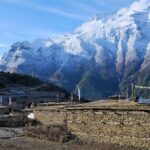
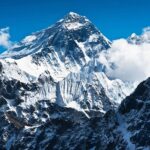
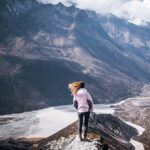
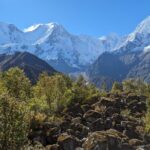
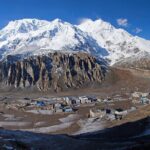
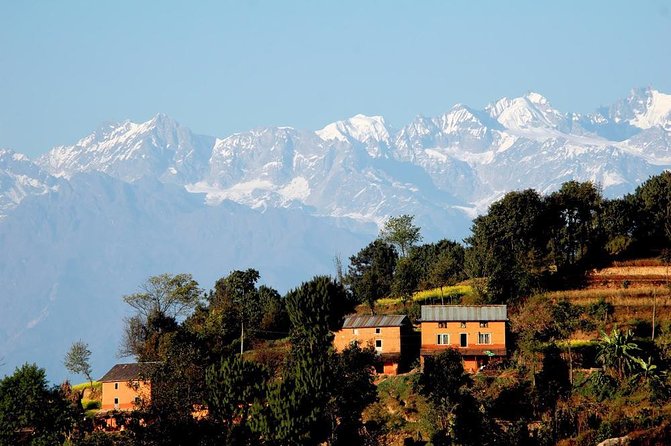
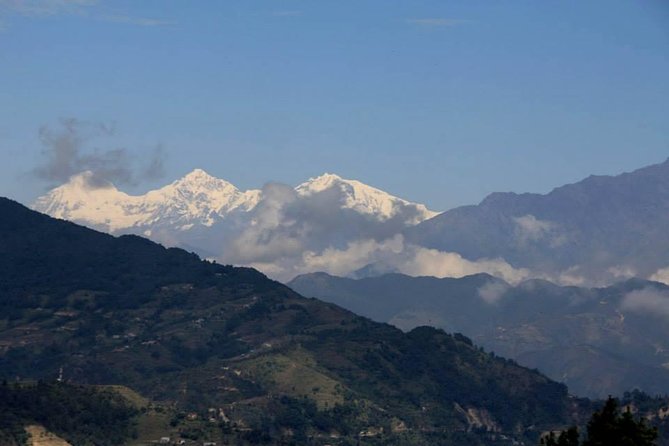
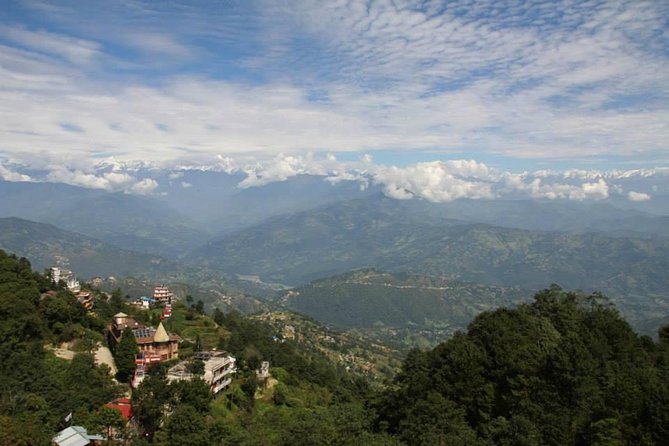
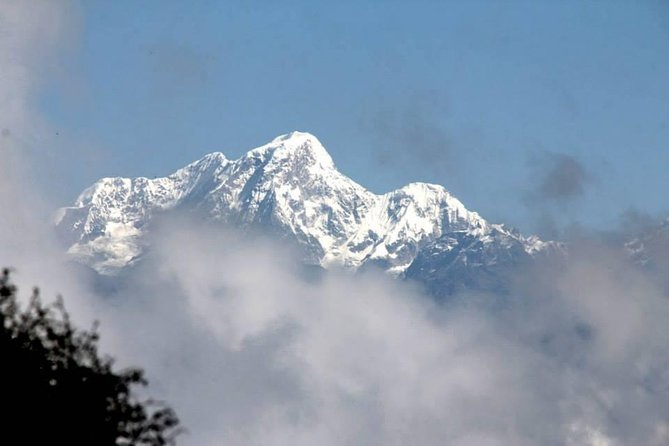
When you reach Nagarkot (2195m), the reward is the Himalayan panorama. The trip notes name major ranges you can hope to see from Nepal, including Annapurna, Langtang, and Everest. You also get what many people come for: the opportunity for sunset views from Nagarkot.
You’ll overnight at a hotel on day two, with breakfast, lunch, and dinner included on the hike portion. This is one of the real value points here. The logistics are handled so you’re not hunting for meals after a long day.
One honest consideration: the views depend on weather. The schedule is built for sunrise and sunset opportunities, but clouds can steal the show. If you’re the type who gets frustrated when the sky doesn’t cooperate, still go—you’ll enjoy the walk either way, and the overall vibe is worth it.
Your Day 3 Plan: Sunrise at Nagarkot, Chagunarayan Temple, and Bhaktapur Durbar Square
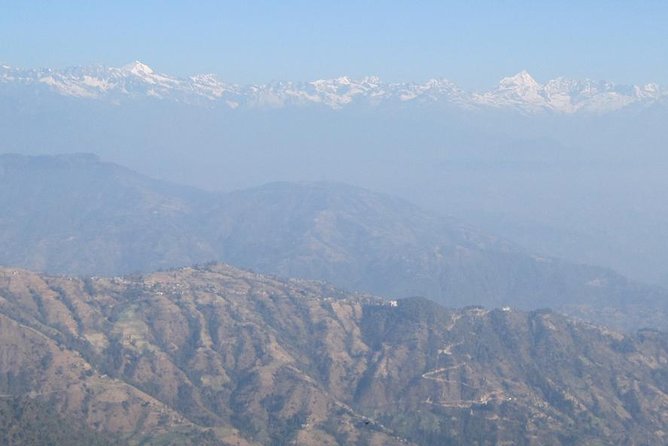
Day three starts early for a reason: Nagarkot is known for sunrise views. The trip notes specifically call out that you’ll view the Himalayas in the early morning, so plan for cooler air and a bit of early-setup time. After breakfast, you begin the walk out.
The route described is a mix of downhill and short uphill. You’ll walk downhill until Telkot, then ascend a small hill to reach Chagunarayan Temple. This section is described as a couple of hours on foot. From there, you visit Chagunarayan Temple, which is noted as an old and artistic temple and listed as a UNESCO world heritage site.
After the temple visit, you add a major cultural stop: Bhaktapur Durbar Square. The notes say sightseeing in Bhaktapur Durbar Square happens on the way back, and you’ll return to Kathmandu by car and be dropped at your hotel.
This day is the “thank you for your legs” section. Day one and day two ask you to hike; day three gives you a change of pace with temples and heritage. Also, it keeps your time efficient. You’re not spending extra days in transition from the mountains to the city.
Practical tip for comfort: keep your temple-day shoes and socks in mind. You’ll be mixing walking with temple visits, and you’ll want to stay comfortable, especially if the morning is cool.
Support That Actually Changes Your Trek: Guide, Porter, and Meals
This tour’s support structure is one of its strongest selling points, and it isn’t just fluff. Here’s what’s spelled out clearly:
- English-speaking trekking guide leads the way
- Porters are on hand to help with luggage (listed as one porter for every two trekkers)
- All meals while hiking are provided
- Guide-related meals and accommodation are included
That means you can travel lighter and think less about logistics. It’s a small difference that adds up when you’re walking for hours. And for solo hikers, this kind of support tends to matter even more because it reduces uncertainty.
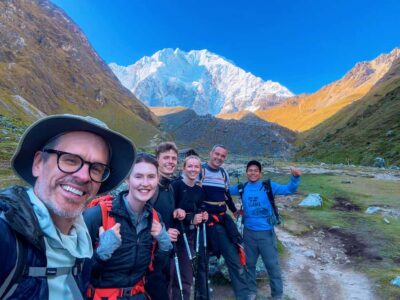
The provided feedback you have on this trip highlights exactly that kind of comfort. One review mentions a solo female traveler who was in the older age bracket (71) and felt the trip was well organized with them being cared for. Another focuses on how the guide Ganesh encouraged taking your time and supported a first-timer who felt nervous. There’s also mention of feeling safe throughout, with the guide and porter described as fantastic.
If you like hiking but don’t want the stress of being self-managed, this format is a good match.
One possible downside to note: the plan is private for your group, but that also means the experience depends on your group pace. If someone in your group wants to move slowly while others want to go fast, you’ll need to communicate early with the guide about what pace feels right.
Price and Value: Is $320 Fair for 3 Days?
At $320 per person for a 3-day trek, the value comes from what’s included, not from the headline price. You’re getting:
- Private transportation from Kathmandu to the starting point and back
- National park permit included
- All meals during the hike (breakfast, lunch, dinner on hiking days)
- English-speaking guide and porter support
- Bhaktapur Durbar Square sightseeing on the return leg
When you compare this to a DIY plan, the big cost saver is time and hassle. Buying guides, permits, transport, and coordinating lodge meals on a short timeline can quickly start adding up. Here, it’s bundled so you can focus on the walking and the viewpoints.
What’s not included (so you’re not surprised later) includes:
- Meals while in Kathmandu
- Entrance for sightseeing
- Travel insurance
- Nepal entry visa fee
- Personal expenses like drinks, laundry, and tips
- Costs caused by unavoidable disruptions (like road issues)
So the best way to think about $320 is: you’re paying for a smoothly-run trek with human support and meals handled. If you’d rather manage all of that yourself to save money, you can find cheaper options—but this one is designed to reduce friction.
What the Trek Feels Like on the Ground (Not Just on Paper)
This trek strikes a practical balance between effort and reward. Day one is a gradual uphill through forest, setting you up for a lodge night in Chisapani. Day two adds longer walking and more transitions—forest road, then descents and villages—before delivering Nagarkot’s panoramic stage.
The biggest “feel-good” element is the pace plus comfort. You’re not stuck in a long multi-day grind. You’re also not doing a half-day hike that feels too easy for the time and travel. Three days hits that sweet spot: enough time to feel like you earned the views.
And the views themselves are the headline reason. Nagarkot is treated as the main viewing point, including sunrise and sunset opportunities. Even if the mountains are shy because of clouds, you still get a strong sense of place—hills, valleys, and village terraces—plus the cultural payoff of Chagunarayan and Bhaktapur.
Who Should Book This Trek (and Who Might Rethink It)
I’d recommend this trek if you:
- Want a short Himalayan hiking trip from Kathmandu
- Like the idea of English-speaking guidance and porter support
- Prefer having meals handled during hiking days
- Want both nature and culture in 3 days (temple + Durbar Square)
You might rethink it if you:
- Want a very easy hike with minimal walking time
- Don’t enjoy early mornings (day three sunrise is part of the plan)
- Have tight scheduling where delays from the road would be hard to absorb
Also, if you’re a solo traveler, this trip’s private structure and support system can be reassuring. The feedback you have points to a good fit for people who were nervous at first and wanted a guide who would help them take their time.
Should You Book This 3-Day Chisapani to Nagarkot Trek?
If your goal is maximum Himalayan mood in minimum days, this is a smart booking. The combination of all trail meals, English-speaking guide, porter help, and a focused route to Chisapani and Nagarkot makes it feel efficient and kind to your energy. You also get real cultural stops on day three, so it’s not just walking for the sake of walking.
My “book it” advice is simple:
- Book it if you want structure, comfort, and a clear payoff.
- Don’t overthink it if the hiking time looks intimidating—just go slow with the guide, because the route is designed to work at a hiking pace, not a race pace.
FAQ
What time does the trek start?
The start time is 7:45 am.
Is pickup and transport included?
Yes. You get private transportation from Kathmandu to the trekking starting point, and from the end point back to Kathmandu.
Are meals included during the hike?
Yes. All meals while you are on hiking are provided (breakfast, lunch, and dinner across the hiking days). Meals in Kathmandu are not included.
How many hours will I be walking each day?
Day 1 is about 4–5 hours (and another note says 5–6 hours). Day 2 is about 6–7 hours. Day 3 includes a couple of hours walking to reach Chagunarayan Temple after descending to Telkot.
Is this trek private or shared?
This is a private trek, meaning only your group participates.
What cultural sights do you visit?
On day 3 you visit Chagunarayan Temple and also Bhaktapur Durbar Square on the way back.
Can I cancel for a full refund?
Yes, you can cancel up to 24 hours in advance for a full refund. If you cancel less than 24 hours before the start time, the amount paid is not refunded.