REVIEW · POKHARA
Annapurna: 2 Days 1 Night Poon Hill Trekking
Book on Viator →Operated by Peak to Peak Tours and Treks Pvt Ltd · Bookable on Viator
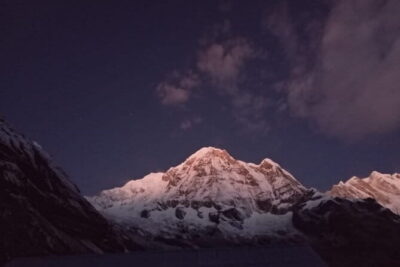
Sunrise over the Annapurnas hits hard. This short Annapurna Poon Hill trek is built for travelers who want big Himalayan views without a multi-day slog. You’ll hike through evergreen forest at the foothills and then head up for panoramic sunrise at Poon Hill.
What I like most is how practical the plan feels for limited time, especially with an overnight stop in Ghorepani (a village at the Himalayan foothills). I also appreciate that the basics are handled for you: TIMS and conservation permits, an included tea house stay, and a guide whose effort shows up in real moments like helping a tired child along the trail.
One consideration: it’s still a trek. You should plan for early walking and moderate effort, and you’ll need to buy your own food and beverages along the way.
In This Review
- Key highlights you’ll care about
- A short trek with big Himalayan payoff from Pokhara
- Day 1: Ghorepani, forest walking, and a tea house night
- What to watch for on Day 1
- Day 2: Poon Hill sunrise and panoramic views
- Why sunrise is worth the early effort
- A helpful human detail that shows up in reviews
- Guides, permits, and the stuff you don’t want to manage
- What’s included versus what costs extra
- Included in the price
- Not included
- So is it good value?
- Weather, timing, and how to be comfortable
- What I’d pack for this kind of trek
- The Ghorepani-to-Poon Hill rhythm: why this works for busy trips
- Who should book this trek (and who might want something longer)
- Price and logistics: what you’re really paying for
- Should you book Annapurna Poon Hill for your next trip?
- FAQ
- FAQ
- How long is the Annapurna Poon Hill trekking experience?
- Where does the trek take place?
- What is the main goal of the trek?
- Is accommodation included?
- Are permits included?
- Does the price include meals?
- Is private transportation included?
- Do I need special fitness for this trek?
- Is this a shared group tour?
- Are service animals allowed?
- What is the cancellation policy?
Key highlights you’ll care about
- Two days, one night: enough time for the Poon Hill sunrise, without taking over your whole trip.
- Ghorepani tea house sleep: included accommodation makes the schedule easier on your first night.
- Permits handled: TIMS and conservation area permits are included in the price.
- Guide support in real situations: guides named Milan, Ravi, and Dadi dai are praised for being helpful and flexible.
- Private setup for your group: only your group participates, with pickup offered.
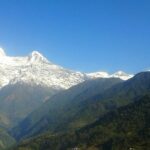
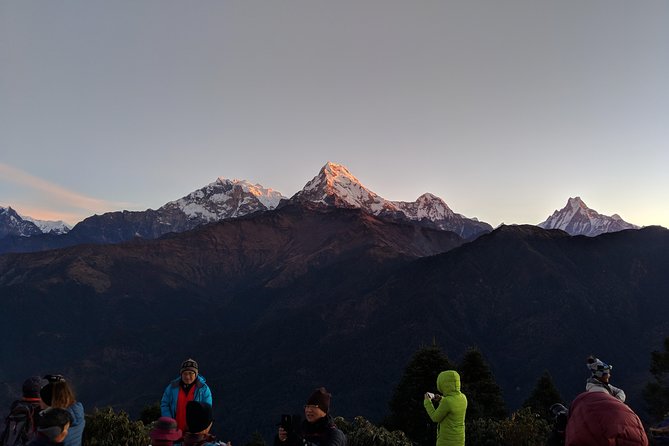
- Sunrise mountain viewing: Poon Hill is the main event, with clear panoramic views at dawn.
A short trek with big Himalayan payoff from Pokhara
This trek starts from the Pokhara area, and that matters. You’re not doing days of transit before you even start walking. The format is simple: Day 1 brings you to Ghorepani, and Day 2 brings you to Poon Hill for the sunrise view.
The whole point is to deliver that classic Himalayan moment—when the mountains catch the light and the range looks like it’s been turned on. If you’ve got limited vacation time, this is one of the most efficient ways to chase that experience.
It’s also pitched as an easy option for people who want something manageable. You still need moderate physical fitness, but the plan is designed to be doable rather than punishing.
You can also read our reviews of more tours and experiences in Pokhara.
Day 1: Ghorepani, forest walking, and a tea house night
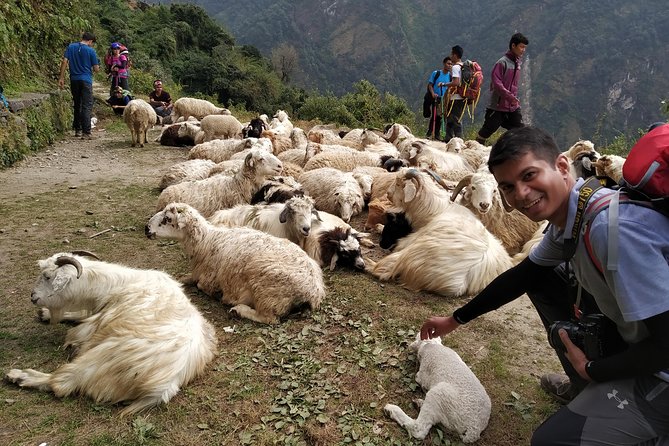
On the first day, your main stop is Ghorepani, with about 8 hours of trekking time. The route is described as passing through beautiful evergreen forest at the Himalayan foothills, which is exactly what you want early in the trek. It keeps the day visually interesting even before sunrise becomes the main storyline.
Ghorepani is also where the schedule becomes comfortable: you’re not trying to do everything in one shot. Overnighting here sets you up for Day 2’s early start for Poon Hill. In practice, it means you’re not scrambling in the dark, and you’re more likely to feel ready for sunrise rather than running on fumes.
What to watch for on Day 1
Since the trek can run through different seasons, your trail conditions can change. One review specifically notes that it was the rainy season, yet the air cleared enough for excellent views. That tells me the weather can swing—and you should be ready for it.
Bring rain protection and plan for cooler temperatures at night if you’re sleeping in a tea house. Tea houses are practical places to recover, but they’re still basic mountain accommodations, so pack with comfort in mind.
Day 2: Poon Hill sunrise and panoramic views
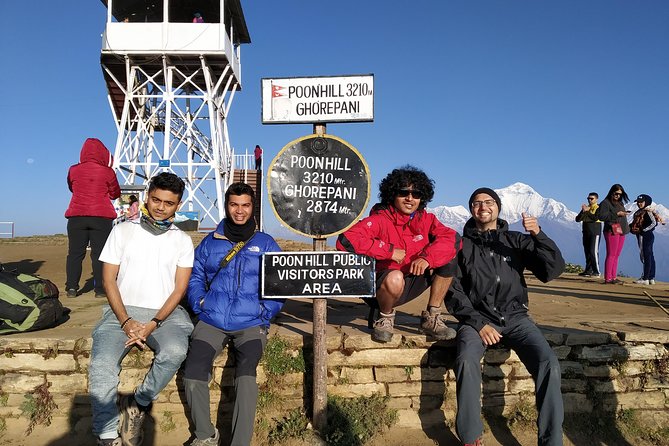
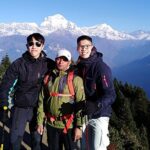
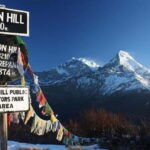
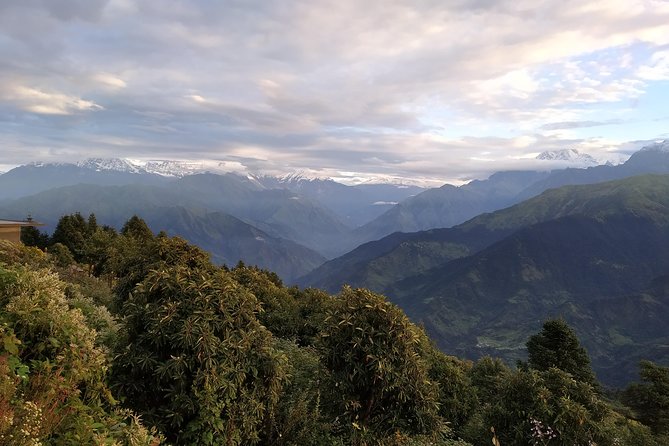
Day 2 is where Poon Hill steals the show. The time at Poon Hill is listed as about 1 hour, focused on sunrise viewing with panoramic Himalayan mountain views.
That hour is short, but it’s also the whole game. Most of what you’ll want is timed around the sunrise window, when the mountain range takes on its glowing look. This is a big reason the trek works so well for people on a tight schedule: you get the signature view without spending extra days hiking.
Why sunrise is worth the early effort
Sunrise viewing in the Himalayas isn’t just pretty. It helps you see depth and shape in the peaks, and it often gives clearer definition than later in the morning when clouds or haze can roll in. Even when the weather is changeable, the early timing gives you the best chance at that wide-open view.
Also, if you’re traveling with family or mixed fitness levels, sunrise treks can be easier to manage because the goal is clear: get up, reach the viewpoint, then enjoy the show.
A helpful human detail that shows up in reviews
There are mentions of guides being genuinely supportive—one guide named Milan is praised for helping carry a 7-year-old when the child got tired. Another guide name that comes up is Dadi dai, and Ravi is thanked for arrangements and a smoothly timed experience. That kind of assistance is a reminder: on a short trek, the guide’s pacing and judgment can make the difference between a stressful climb and a calm one.
Guides, permits, and the stuff you don’t want to manage
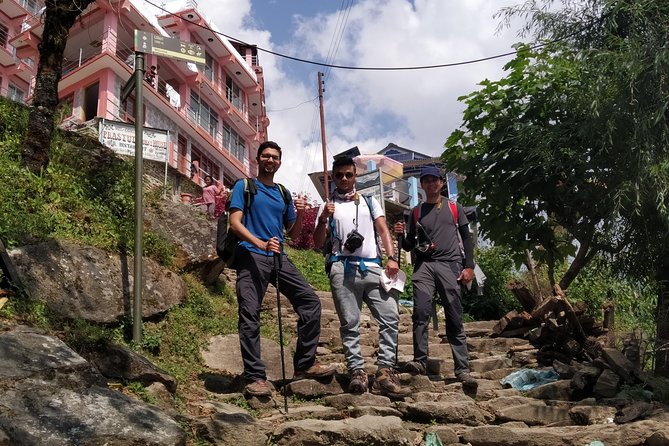
This trip comes with guide expenses included, plus TIMS and conservation area permits. That’s not glamorous, but it matters. Permits and compliance are part of trekking in Nepal, and having them handled means you spend more energy on the trek itself rather than paperwork.
You also get private transportation. That can be a real quality-of-life upgrade in Pokhara, where getting yourself organized can take more time than you expect. The tour also notes pickup offered, and it uses a mobile ticket format—small details that can reduce last-minute stress.
And because this is a private tour/activity, only your group participates. If you prefer a quieter pace or you’re traveling as a small family unit, that privacy can feel like a big deal.
What’s included versus what costs extra
Here’s how the included cost works in real life. At $374.81 per person, the price covers the core logistics so you’re not piecing things together.
Included in the price
- Private transportation
- All fees and taxes
- TIMS and conservation area permits
- All guide expenses
- Accomodation at Tea House (one night)
Not included
- Food and beverages (you purchase on the trail/at tea houses)
- Gratitude (optional)
- Rescue cost in case of emergency
So is it good value?
For a two-day trek, value often comes from what’s packaged. Here, the big-ticket items that can be annoying to sort out—permits, guide, and the tea house night—are included. That usually makes the total experience feel more predictable.
Your main variable becomes food and drinks. Tea house meals are part of the trekking rhythm, but you’ll want to budget for it since it’s not included. If you prefer simple, local meals, you can keep spending controlled.
Weather, timing, and how to be comfortable
This is a short hike, which means comfort planning matters even more. If conditions are wet, everything feels harder: footing, clothing drying, and cold mornings.
One review notes rainy season conditions but still praises clear Himalayan air for views. That’s encouraging, but don’t treat it as a guarantee. Plan as if you might get mixed conditions, then hope for the best.
What I’d pack for this kind of trek
You only get a short window at Poon Hill for sunrise, so you want warm layers you can put on quickly. Also think about:
- Rain protection for trekking hours
- Warm clothing for the early morning start
- Comfortable trekking shoes with good grip
Tea houses are where you’ll recover, so pack things you can layer. The goal is to stay warm enough to enjoy the sunrise without feeling miserable.
The Ghorepani-to-Poon Hill rhythm: why this works for busy trips
A lot of treks fail for time-starved travelers because they feel like two separate trips: travel to the trailhead, then travel again to the real view. This one keeps the chain short and purposeful.
Ghorepani works as a staging point. You get a night in the mountains, then you’re set up for an early morning push to Poon Hill. That rhythm makes the trek feel like a single plan rather than a series of compromises.
Also, because the trek is described as easy and built for people who are on a hurry, the pacing is likely designed to match that goal. Short treks can still be tough, but they can also be surprisingly manageable when the plan is right and the guide keeps things sensible.
Who should book this trek (and who might want something longer)
This experience is a strong match if:
- You’ve only got two days and still want the Poon Hill sunrise view
- You prefer a short, well-managed plan over long multi-day trekking
- You want tea house accommodation included
- You’d like the support of a guide who can help with pacing (names like Milan, Ravi, and Dadi dai come up for a reason)
It may be less ideal if:
- You’re looking for a deep, long trek experience with lots of varied landscapes and longer daily hikes (this one is more focused and shorter)
- You don’t want to handle meals and drinks separately, since food isn’t included
- You expect to have zero early mornings (sunrise means waking up early)
Price and logistics: what you’re really paying for
At $374.81 per person, you’re paying for more than just walking. You’re paying for the structure: pickup and transportation, a guide, included permits, and your tea house night.
In Nepal trekking, permits and guiding aren’t optional details. They’re part of what makes the trek run smoothly and legally. Here, those pieces are already accounted for.
The only major financial gap is meals and beverages. If you can keep meals simple, this stays straightforward. If you tend to spend freely on drinks and extras, you’ll feel that extra cost.
There’s also a note that rescue cost isn’t included. That’s standard for many outdoor activities, but it’s worth thinking about. If you’re risk-averse, you may want to consider travel insurance that specifically covers trekking.
Should you book Annapurna Poon Hill for your next trip?
If you want a classic Himalayan sunrise, but you don’t want a long trek, this is a smart choice. The whole design—Ghorepani overnight, Poon Hill sunrise, and included permits plus tea house lodging—fits people with limited time who still want a real mountain experience.
I’d book it if your priority is the view window and you’re okay managing meals on your own. I’d think twice if you want a longer trekking journey where days feel more expansive and less scheduled around a single big sunrise moment.
FAQ
FAQ
How long is the Annapurna Poon Hill trekking experience?
It runs for about 2 days, with an overnight stop in Ghorepani.
Where does the trek take place?
It’s based in the Pokhara area, with trekking stops including Ghorepani and Poon Hill.
What is the main goal of the trek?
The key highlight is reaching Poon Hill for sunrise, with panoramic views of the Himalayan mountain range.
Is accommodation included?
Yes. Tea house accommodation is included for the overnight stay.
Are permits included?
Yes. TIMS and conservation area permits are included.
Does the price include meals?
No. Food and beverages are not included and are available for purchase.
Is private transportation included?
Yes. Private transportation is included, and pickup is offered.
Do I need special fitness for this trek?
The tour advises travelers to have moderate physical fitness.
Is this a shared group tour?
No. It’s a private tour/activity, so only your group will participate.
Are service animals allowed?
The tour information says service animals are allowed.
What is the cancellation policy?
Cancellation is free up to 24 hours before the experience starts for a full refund. If you cancel less than 24 hours before, the amount paid is not refunded.