REVIEW · SICILY
Etna Trekking Morning or Sunset Known as Ring on the Valley
Book on Viator →Operated by Etna Azimut Excursions · Bookable on Viator
Etna feels like a different planet. This trekking tour takes you from the Sapienza area past crater fields and up into Valle del Bove, then finishes with a guided visit to the Grotta Cassone lava-tube cave. It’s the kind of trip where you keep looking down at the ground, because the ground is the story.
What I like most is the mix of “walk and learn.” You get a steady climb with changes in terrain and plant life at higher altitude, then you land at one of Etna’s biggest caldera depressions for long-range views toward both seas. I also like that the practical stuff is covered: trekking poles, jackets, and backpacks are included, plus the cave visit comes with a helmet and torches.
The main trade-off is cost creep if you’re not planning ahead. Trekking shoes are extra (€5), transfers from Catania/Taormina/nearby towns cost more, and lunch isn’t included—so you’ll want to plan food unless you’re okay grabbing something on your own.
In This Review
- Key things that make this Etna trek worth your time
- A Morning or Sunset Ring on the Valley: why the timing feels different
- Meeting near Nicolosi and getting to Sapienza without stress
- Coffee at Piazzale Rifugio Sapienza: where the trek’s mood is set
- Craters Silvestri: the quick lesson before the real climbing
- The altitude gain on Mount Etna: plants, animals, and steady effort
- Valle del Bove: the caldera depression and the sea on clear days
- The soft-lava challenge: why the ground feels so strange
- Grotta Cassone lava-tube cave: helmets, torches, and underground lava logic
- What’s included (and why the value is more than the price)
- Shoes, shoes, shoes: what you may need to pay extra for
- The guide and the safety vibe on an active volcano
- Who should book this Etna trek, and who should think twice
- Price and logistics: what you’re really paying for
- Should you book this Mount Etna trekking route?
- FAQ
- How long is the trek in this Etna experience?
- Is pickup included?
- Where does the tour start and end?
- What gear is included for the hike?
- Do I need to rent trekking shoes?
- Is lunch included?
- How big is the group?
- What language is the tour offered in?
- Is the Grotta Cassone cave visit included?
- What if the weather is poor?
Key things that make this Etna trek worth your time
- Small group size (max 8 travelers) for a more personal pace on steep volcanic ground
- Coffee + briefing at Sapienza to set your bearings before the hike starts
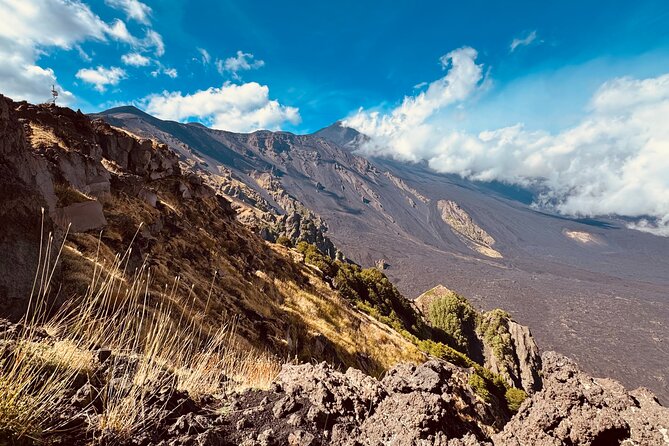
- Valle del Bove panoramas that can stretch from the Ionian Sea toward Calabria and the Strait of Messina on clear days
- Grotta Cassone lava-tube visit with helmet and torches, plus explanations of how lava flows form caves
- Included gear (poles, jackets, backpacks) so you can show up without overpacking
- Two pace options depending on whether you choose the half-day or full-day format
A Morning or Sunset Ring on the Valley: why the timing feels different
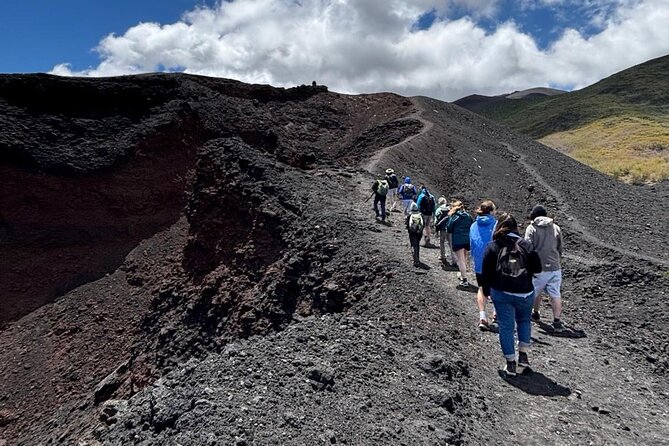
This is sold as a morning or sunset-style trek, described as a Ring on the Valley route. That matters on Etna. The volcanic ground is dramatic at any hour, but morning gives you clearer focus for crater details and a more comfortable start if you’re sensitive to heat. Sunset, on the other hand, can turn the caldera walls and lava fields into darker, more cinematic shapes—especially if the weather cooperates.
Also, Etna’s “active” reputation means the guide may shift the exact path depending on conditions. The day isn’t just a fixed checklist. You’re hiking in a working volcano zone, so you should treat route flexibility as part of the experience, not a disappointment.
If you’re the type who enjoys geology facts but also wants real views, this format fits well: you walk, you stop, you look, and you keep moving.
You can also read our reviews of more tours and experiences in Sicily.
Meeting near Nicolosi and getting to Sapienza without stress
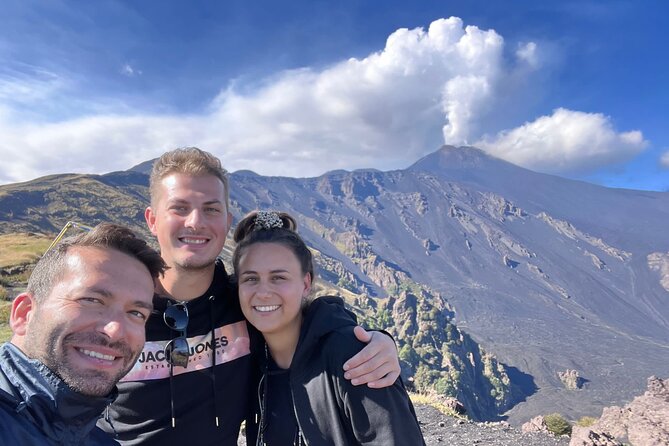
The tour starts at SP92, 19, 95032 Nicolosi, CT, Italy, and you end back at the same meeting point. If you’re coming from Catania or nearby, pickup can be arranged, but it’s not always included in the base price.
Here’s the practical breakdown:
- Air-conditioned vehicle transfer from Catania and province is an extra +25€/person
- Transfer from Taormina and Giardini Naxos is an extra 45€/person
- The pickup point is in Corso Sicilia n°64, about a 5-minute walk from Piazza Stesicoro and via Etnea, in front of the Lidl supermarket next to the Catania bus shelter and AMTS car park
You’ll also see that the group is intentionally small (up to 8). That helps you avoid the feeling of being herded in big batches, and it usually makes the logistics smoother—especially if a route shift is needed.
If you’re planning your day around Etna, build in a little buffer. Even on a well-run tour, you’re dealing with mountainous timing, vehicle flow, and the reality that good visibility affects what you’ll actually get to see.
Coffee at Piazzale Rifugio Sapienza: where the trek’s mood is set
You start at Piazzale Rifugio Sapienza. The first moments are not spent sprinting. There’s a welcome with coffee, then a short briefing, and then you’re walking.
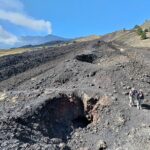
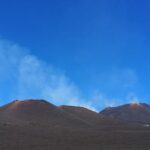
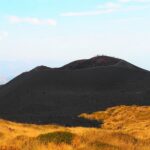
This stop is all about context. You’ll be introduced to the lunar-feeling terrain: lava flows, plus the volcano’s characteristic “buttonhole” craters. Importantly, the guide connects what you’re seeing to real-world history by pointing out craters that played roles in more recent Etna destruction. That turns the scenery from cool visuals into something you can interpret.
You’ll spend about 30 minutes here, with a free admission ticket mentioned for this first segment. Even if you don’t care about tickets, the point is simple: this is your warm-up into the scale and texture of Etna.
Practical note: the first steps can feel odd if you’re expecting normal trails. Volcanic ground doesn’t behave like forest dirt. It can be uneven and gritty. That’s why the included gear matters later.
Craters Silvestri: the quick lesson before the real climbing
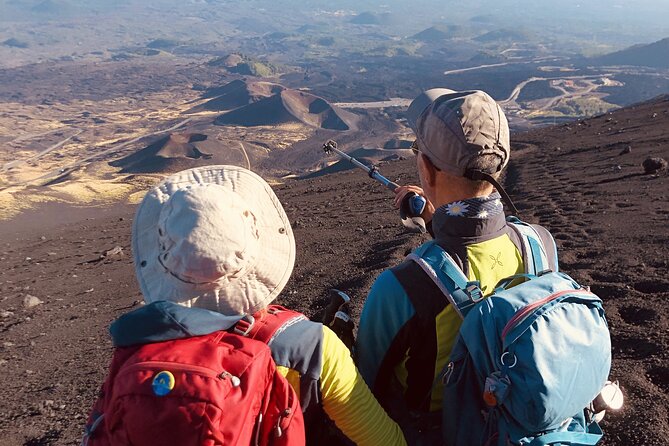
Next up are the Craters Silvestri of Mount Etna, again about 30 minutes. This portion is less about a “big viewpoint” and more about training your eye.
Silvestri craters are part of the broader Etna crater zone, and the guide uses this time to help you understand how the terrain forms—so later stops make more sense. You’ll also have admission included here.
One drawback to know: this is not a “sit on a bench and admire” section. Even though it’s short, you’re preparing for altitude gain and longer walking. If you show up without steady hiking legs, you’ll feel it faster than you expect.
That said, this early segment is a great equalizer. Once you understand what you’re looking at, the rest of the trek becomes easier to follow and more interesting.
The altitude gain on Mount Etna: plants, animals, and steady effort
After the crater introductions, the walk climbs step by step, progressively increasing altitude. About 1 hour is listed here, and it’s the part where Etna starts to feel less like a moonscape and more like a mountain environment.
The guide points out endemic flora and native fauna, including what you can find inside and outside wooded areas of the high-mountain belt. That’s a valuable shift. It keeps the trek from becoming only about rocks.
From a comfort standpoint, the “progressively increasing altitude” line is your friend. It implies a pace that doesn’t jump too hard all at once. Still, you’re on a volcano. Expect uneven ground and real effort.
If you’re a regular hiker, you’ll probably enjoy this segment because it’s a mix of exertion and explanation. If you’re new to hiking, take it slow early. Don’t save your energy for later. Burn steady, not fast.
Valle del Bove: the caldera depression and the sea on clear days
This is where the trek earns its reputation.
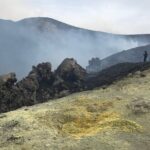
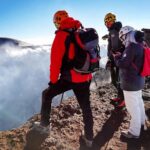
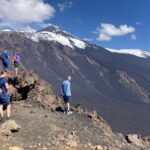
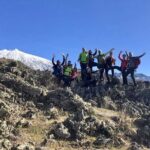
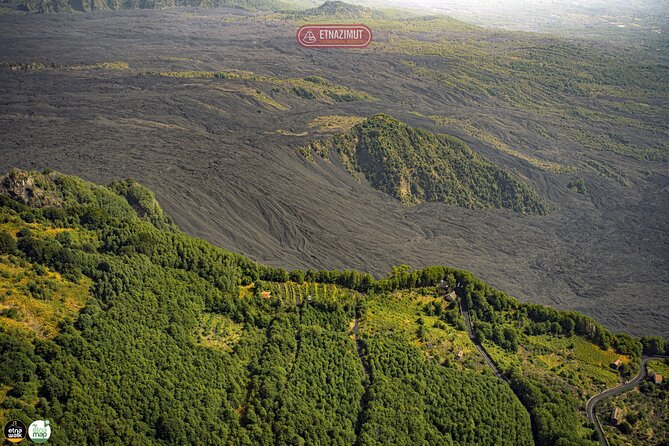
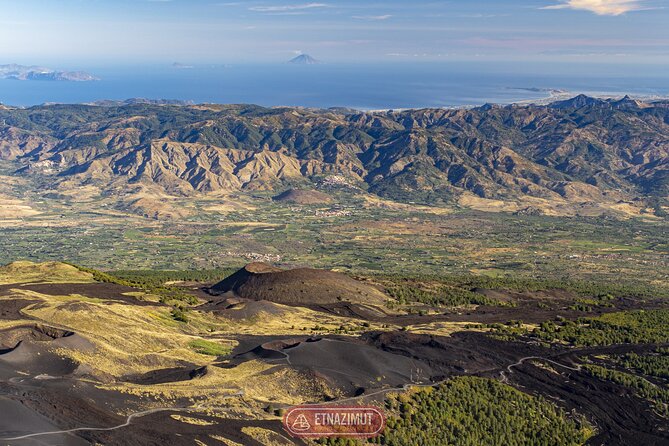
You cross sandy desert-like stretches, small depressions, and patches of vegetation that are typical of lava deserts. The terrain can look fragile, but it’s persistent. And then the route opens into the “most imposing and fascinating caldera depression,” Valle del Bove.
You’ll spend about 2 hours in this area, and the view is the main event:
- From the active crater zone toward the Ionian Sea
- Toward places on the Greek-influenced side of history
- Across toward Calabria and the Strait of Messina
- Toward the Tyrrhenian Sea when visibility is good
A realistic note: this view depends on weather and visibility. If it’s foggy, the “sea horizon” might be reduced to silhouettes. But even then, the caldera scale usually hits you. You see walls, depth, and the sheer way Etna carved space into the ground.
Why this stop is so valuable is simple: it turns “I’m walking on Etna” into “I understand Etna.” That’s what a good guide does. He shows you one big idea at a time, and Valle del Bove is a huge one.
The soft-lava challenge: why the ground feels so strange
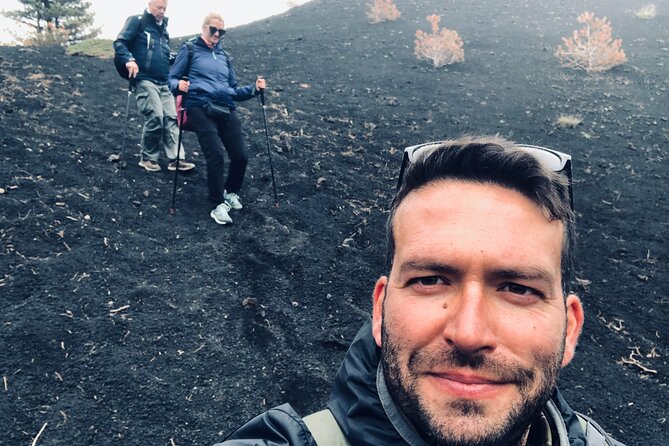
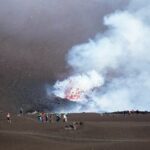
After the caldera, you head back up and into another Mount Etna walking stage, described as a “soft-challenge.” This part is about a very specific sensation: in several passages, you sink your legs and feet into fine and soft lava sand.
That doesn’t sound dramatic on paper, but it’s exactly the kind of detail that makes the hike memorable. It’s not just “rocky.” It’s volcanic material that can compress underfoot and then shift as you move. The guide uses this stage to help you understand how much material Etna produces when it’s in paroxysm.
Expect this to be a mentally annoying part if you hate “getting dirty” or if you’re overly concerned about shoes. It can feel unstable compared to a normal trail. But it also makes you feel connected to what the volcano actually does.
This segment is about 1 hour, and it’s a good time to pay attention to your footing and keep your pace controlled.
Grotta Cassone lava-tube cave: helmets, torches, and underground lava logic
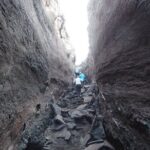
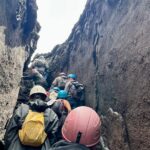
The finale drops you into Grotta Cassone, a lava-flow cave (a lava tube) formed during a volcanic eruption. You descend into the “bowels of the volcano,” and you don’t just walk through the dark.
You’ll be equipped with:
- a speleologist helmet
- torches
That safety setup matters because the cave experience is about visibility and footing. It also makes it easier for you to focus on the explanations without worrying about the gear.
Inside, the guide connects lava-tube structure to real volcanic processes. You’ll also hear about myths, legends, and historical traditions tied to cave uses.
This stop is about 1 hour, and it’s a strong ending because it completes the circle: you started with the volcano’s surface shapes, and now you see how lava behaves after it flows and cools.
If you’re curious about how volcanoes work beyond “eruption photos,” this is the most directly educational part of the day.
What’s included (and why the value is more than the price)
Let’s talk real value, not just numbers. The tour price is listed at $108.14 per person, and the included package is pretty substantial.
Included highlights:
- A qualified and certified nature guide (pursuant to Law 4/2013)
- Trekking equipment: poles, jackets, and backpacks
- For half day: about 5 hours of trekking + lava-flow cave
- For full day: about 7 hours of trekking + lava-flow cave
- Coffee welcome and snacks, including a small surprise sweet tasting
- Booster seat baby seat for the transfer
- Mobile ticket
Notably, the equipment package reduces upfront costs. You only need to consider shoe rental: trekking shoes are €5 per person if you don’t have your own.
Also, the cave portion isn’t a vague “walk in a cave.” It comes with helmet and torches, which you wouldn’t want to DIY on a day with other hiking demands.
One more thing: the group size maximum of 8 travelers changes how the day feels. It’s easier to ask questions, easier to adjust pace, and easier to manage route conditions.
Shoes, shoes, shoes: what you may need to pay extra for
Even though jackets, poles, and backpacks are included, rental trekking shoes cost €5 per person. Baby trekking backpack rental is listed at €20 per person.
Lunch is not included. So if you’re doing the full day (about 7 hours trekking plus the cave), you’ll want a plan for food—either bringing your own if that’s allowed in your format, or deciding where you’ll eat after the tour. You won’t want to discover lunch is on your own tab when you’re already tired on volcanic ground.
If you’re coming from Catania or farther, transfers can also change the effective cost. Catania/province is +25€/person, while Taormina and Giardini Naxos are +45€/person.
This isn’t a deal-breaker, but it is the kind of thing that turns a reasonable base price into something higher. Do the math before you lock in.
The guide and the safety vibe on an active volcano
The guides here are a big part of the experience. In the real world, Etna conditions can change—weather, visibility, and how close you can safely get to certain areas. What makes this tour reassuring is that you’re not treated like a passenger on a bus ride. You’re walking with a guide who explains what you’re seeing and adjusts the route based on conditions.
You’ll also get plenty of time for questions at stops. It’s not a “whisper history facts while you sprint” setup.
Add in the fact that the cave visit includes proper equipment, and you get a day that feels controlled even when the environment is wild.
English is offered, and the tour runs for up to 8 travelers, which generally means you won’t be competing to be heard when you have a question.
Who should book this Etna trek, and who should think twice
This is described as suitable for:
- moderate physical fitness
- regular hikers in good health
- families with children, as long as the kids are used to walking
Service animals are allowed, and it’s near public transportation.
Who should think twice:
- If you struggle with steady climbing and uneven footing, the lava sand segments might be a rough fit.
- If you need guaranteed sea-horizon views no matter what, remember that visibility depends on conditions.
This is not a casual stroll. It’s a guided hike that mixes geology, viewpoint time, and a real cave descent. If you’re okay with that level of effort, it’s a great use of your time in Sicily.
Price and logistics: what you’re really paying for
At $108.14 per person, you’re paying for much more than “a guide and a walk.”
You’re also getting:
- the guide (certified)
- included trekking poles/jackets/backpacks
- the lava-tube cave visit with helmet and torches
- snacks and a small sweet tasting
- a route built around multiple Etna zones, from crater areas into Valle del Bove and down into Grotta Cassone
What costs extra (and should factor into value):
- trekking shoes (€5 rental)
- lunch (not included)
- transfers from certain areas (+25€ or +45€ depending on where you start)
If you already have good hiking shoes and you’re close to the meeting point, the value is stronger. If you need shoe rental and you’re booking a transfer from a farther area, it still can be worth it, but you’ll want to plan your total budget.
Should you book this Mount Etna trekking route?
I think you should book if you want Etna in a way that feels both physical and educational. The combo of crater terrain, Valle del Bove views, lava-sand walking, and the Grotta Cassone lava-tube visit is a strong “all-in-one volcano day” package. The small group size and included gear make it easier to show up prepared without turning the trip into a shopping list.
I’d skip it or choose another option if your hiking comfort zone is very limited or if you’re hoping for an effortless walk with no rough ground. This is a real trek on volcanic terrain, and it earns that title.
If you’re excited by geology, scale, and learning how lava shapes what you see, this is a very smart way to spend time on Etna.
FAQ
How long is the trek in this Etna experience?
The half-day format includes about 5 hours of trekking plus the lava-flow cave visit. The full-day format includes about 7 hours of trekking plus the lava-flow cave visit.
Is pickup included?
Pickup is offered, but transfers by air-conditioned vehicle come with extra fees depending on where you’re starting from (Catania and province, or Taormina and Giardini Naxos).
Where does the tour start and end?
It starts at SP92, 19, 95032 Nicolosi CT, Italy, and ends back at the same meeting point.
What gear is included for the hike?
Trekking equipment is included, including poles, jackets, and backpacks.
Do I need to rent trekking shoes?
Trekking shoes can be rented for €5 per person if you don’t have your own.
Is lunch included?
No. Lunch or anything not included in the program sheet is not provided.
How big is the group?
The maximum group size is 8 travelers.
What language is the tour offered in?
The tour is offered in English.
Is the Grotta Cassone cave visit included?
Yes. The tour includes a visit to Grotta Cassone (a lava flow cave), with speleologist helmet and torches.
What if the weather is poor?
This experience requires good weather. If it’s canceled due to poor weather, you’ll be offered a different date or a full refund.