REVIEW · SICILY
Half day Trekking Tour on Etna
Book on Viator →Operated by Etnavic · Bookable on Viator
One climb, two worlds: forest paths and crater moonscapes. I love how this trek moves from pine-broom undergrowth into unreal-looking volcanic terrain, and I also love the small-group feel (max 8) that keeps the hike from feeling rushed. The main drawback to consider is that you’ll need moderate fitness for a steady climb over rocky ground, plus cave time where you’ll want to stay sure-footed.
You’ll start in the Catania area, ride uphill by air-conditioned vehicle, and then walk your way through big Etna moments: the Del Bove caldera view, the Silvestri craters, a lava flow cave, and a front from the 1991–1993 eruption period. What makes it extra useful is that the tour includes helmets and torches for the cave visit, so you’re not stuck improvising gear at the last minute.
In This Review
- Key Highlights You Should Know Before You Go
- Catania Pickup And The Fast Rise Toward 2000m
- Pine-to-Lava Trek: The Medium-Easy Walk Up to 2300m
- Valle del Bove: A Short Pause With Serious Caldera Views
- Silvestri Craters And The Lava Cave: Where the Tour Gets Physical
- Lava Flow Front From 1991–1993 And The Oro d’Etna Tasting
- Timing, Pace, And How This Really Fits a Half-Day Plan
- What’s Included, What’s Not, And What You Should Pack
- The Guide Factor: Why People Keep Rebooking This Etna Style
- How Much Value Are You Getting for the Price?
- Weather Rules and Small Planning Tips
- Who This Etna Trek Is Best For
- Should You Book This Mount Etna Trekking Tour?
- FAQ
- FAQ
- Where does the tour pick you up?
- How long is the tour?
- What’s the trekking difficulty?
- What altitude do you reach?
- Are the entrance tickets for the stops included?
- Do you visit a lava cave?
- What should I bring?
- Is there a stop for local food or drink?
- How many people are in the group?
- What happens if the weather is bad?
Key Highlights You Should Know Before You Go
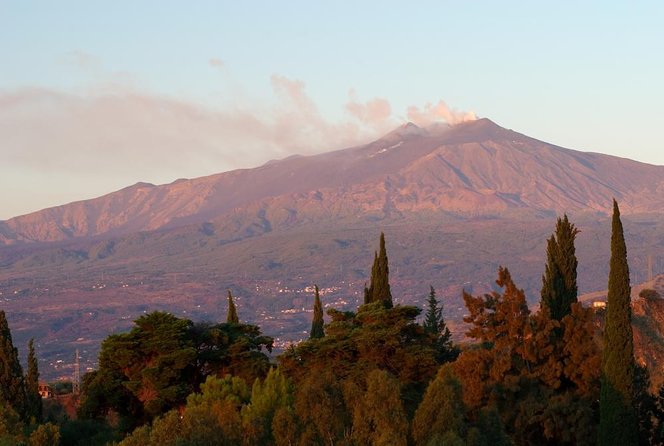
- Up to 2300m views of the Valle del Bove without doing a full summit push
- Ancient Silvestri craters walk plus a visit inside a lava-flow cave
- Helmets and torches included so cave darkness isn’t a surprise
- Free access for multiple stops listed on the itinerary
- Small group cap (8 travelers) for a calmer pace and more attention
- Oro d’Etna tasting of typical Etna products during your route
Catania Pickup And The Fast Rise Toward 2000m
This tour is built around convenience from the start. You can get picked up from your hotel in Catania area, or you’ll meet at an info point, with a meeting point to be agreed. Either way, you’re not spending your whole morning figuring out buses or transfers.
You’ll then head up by air-conditioned vehicle, arriving around 2000 meters. That matters more than it sounds. Starting higher means the hike itself becomes the story, not a long haul of transportation plus a grind from low altitude. You still get the Etna altitude feel, but you’re not turning the morning into a full-day suffer-fest just to reach the good terrain.
One more practical perk: waterproof jackets are available on request. That’s useful because Etna weather can shift fast. Even if the lower city looks calm, higher up you might want a layer you can trust.
You can also read our reviews of more tours and experiences in Sicily.
Pine-to-Lava Trek: The Medium-Easy Walk Up to 2300m
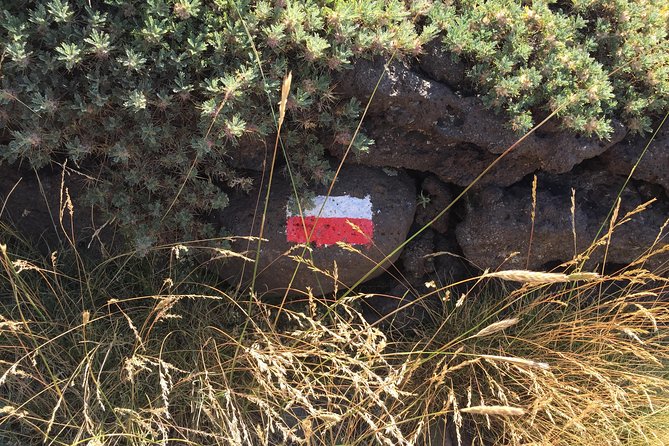
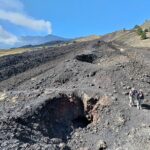
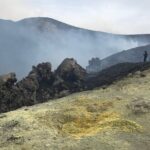
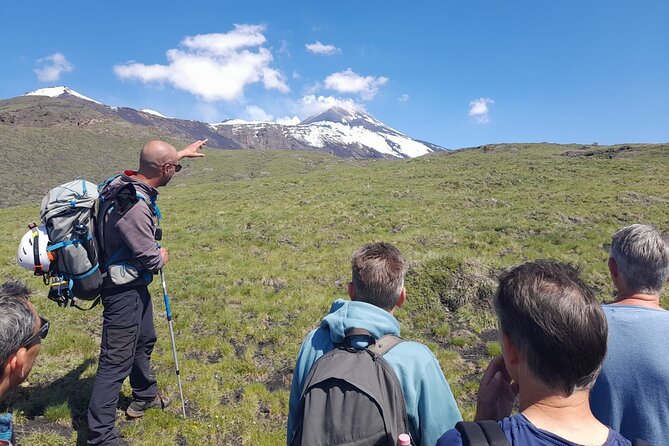
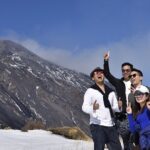
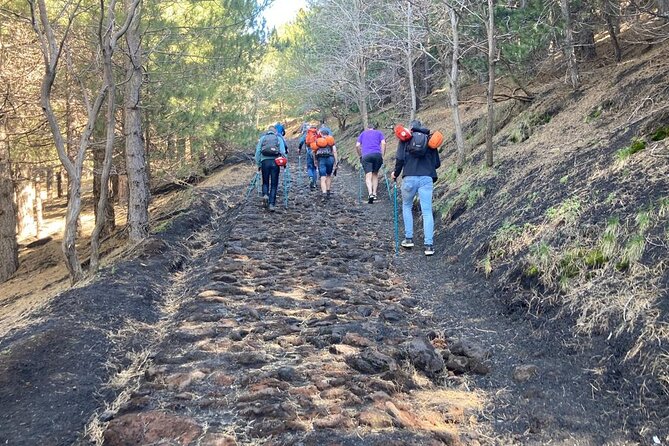
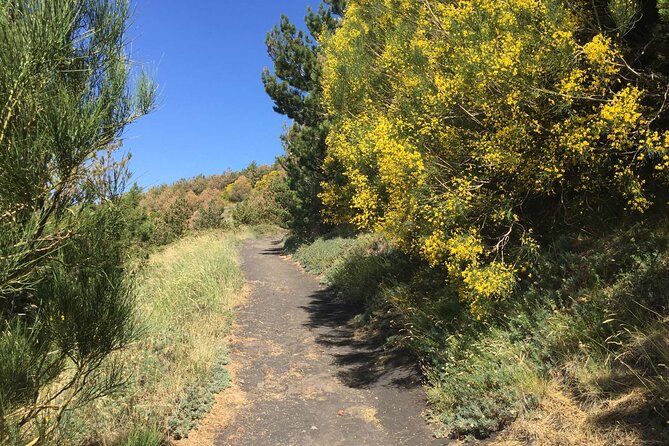
The hike begins along a path that first threads through a mix of pines and broom (native vegetation), then gradually changes into what feels like lunar volcanic ground. This shift is one of the most satisfying parts of Etna trekking because you can actually feel how the environment changes with altitude and volcanic history.
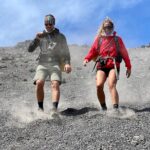
Expect around 300 meters of ascent (medium/easy level) and a climb that brings you up to roughly 2300 meters. Timing-wise, this part is about 2 hours of walking. You’re not trying to conquer the absolute top, which is why so many people book this style of tour when they want Etna without committing to an all-day summit challenge.
A note on “easy” here: it’s “easy for Etna,” not a flat city stroll. The ground you’re walking on can be uneven and volcanic, and you’ll likely be stepping around loose rock. If you have solid walking shoes and you keep a steady pace, this should feel manageable.
If you like tours where your guide tells you what you’re looking at as you go, you’re in good hands. Multiple guides have been praised for explaining what Etna is doing, not just naming places. Monica and Ludovico show up in reviews often for that volcano-and-Sicily context, and guides like Giuseppe, Luigi, Julien, Diego, and Santi also get mentioned as helpful and supportive.
Valle del Bove: A Short Pause With Serious Caldera Views
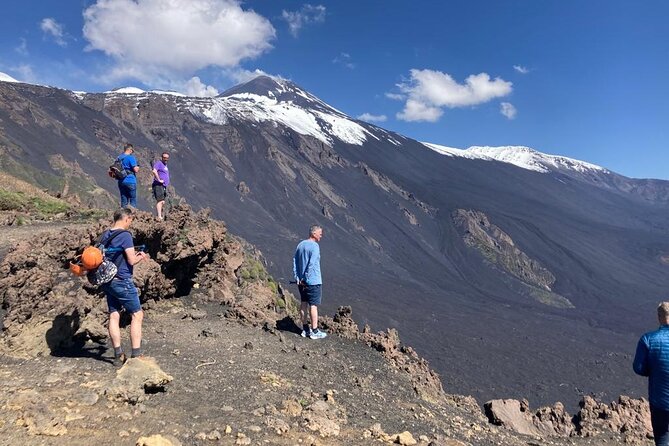
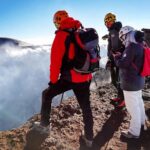
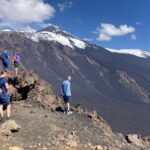
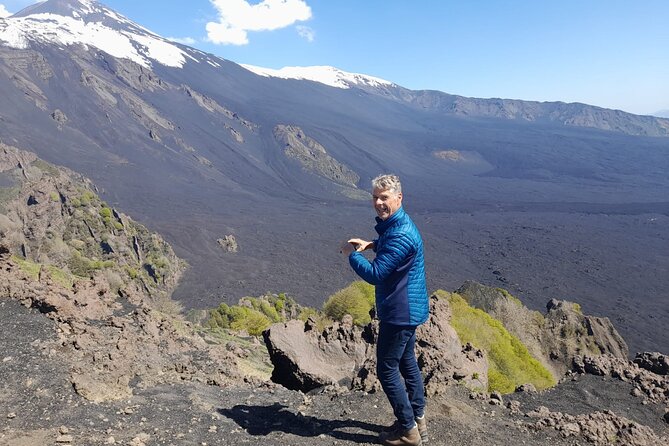
Once you reach about 2300 meters, you get a view stop over the Valle del Bove, an ancient volcanic caldera. This is one of those “step off the path and look around” moments. You’re high enough to see the shape of the valley and how Etna’s eruptions carved and reshaped the region.
The visit here is about 30 minutes. That’s not a lot of time, but it’s also not pointless. It’s enough time to take photos, catch your breath, and really connect the walking you’ve done with what Etna looks like from above.
What I like about this format is that it respects your energy. Instead of pushing you for more climbing right away, you’re given a payoff before moving on. If you’re traveling with mixed energy levels—strong walkers and people who get tired faster—this kind of stop helps keep the group together.
Silvestri Craters And The Lava Cave: Where the Tour Gets Physical
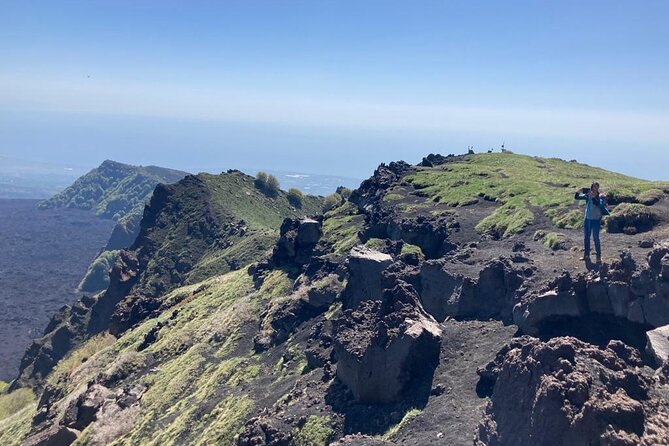
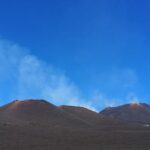
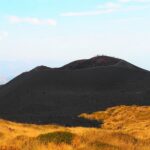
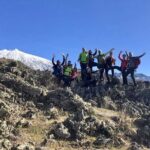
After the Valle del Bove viewpoint, you’ll head to the Craters Silvestri area. This is another walking segment, around 2 hours, and it’s described as walking on one of the ancient craters. That’s a big deal on Etna: walking across old volcanic features gives you a different perspective than looking only from a distance.
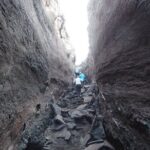
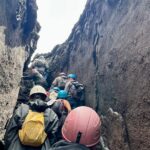
This stop also includes a later visit to a lava flow cave along the route. The tour includes helmets and torches, which you’ll use for the cave. That isn’t just a “nice to have.” Caves are dark, and footing can be tricky—so having the right basic equipment changes the entire experience.
One review made the point very clearly: don’t treat cave visiting like a casual walk unless you have proper light. Here, the light is included. You just need to act like the cave is a cave: keep your head up, watch your steps, and follow the guide’s lead.
From a “value” standpoint, this part is a strong reason to choose this specific trek. Many Etna tours stop after viewpoints. Here, you get both open-air crater walking and a darker, enclosed look at volcanic activity.
Lava Flow Front From 1991–1993 And The Oro d’Etna Tasting
Then comes the Etna present tense. You’ll visit the lava front of the 1991–1993 lava flow, described as reaching the village of Zafferana Etnea. The stop is about 30 minutes—enough time to understand what you’re seeing and take photos without feeling like you’re stuck.
There’s something grounding about standing near where lava traveled. It turns the talk of volcano cycles from abstract to real-world. Even if you’re not a science person, your brain clicks: this isn’t just a mountain view. It’s a living system that has changed the island in recent decades.
After that, you get a free tasting stop at Oro d’Etna. This is about 30 minutes, and it’s a smart change of pace. After the hiking and cave time, tasting local products helps you cool down mentally and physically. You also get a more human side of the mountain: Etna isn’t only about rocks—it’s about how people live around the volcanic soil and make foods tied to the area.
Timing, Pace, And How This Really Fits a Half-Day Plan
The name says half day, but the timing given is around 6 to 7 hours. That can still feel “half-day” if you’re picking up early and ending in time for lunch or a relaxed afternoon in Catania. The hike itself is about a few focused blocks, but the full day includes transport, viewpoints, and the cave visit.
You’ll move through:
- around 2 hours trekking up to ~2300m
- a 30-minute Valle del Bove viewpoint
- about 2 hours in the Silvestri craters/cave route segment
- a couple of 30-minute stops (lava front and tasting)
It’s not a sprint itinerary. The format makes sense if you want Etna to feel like an experience, not a check-list.
Difficulty is listed as medium/easy, but again: pay attention to footing and the reality of volcanic ground. This tour says it suits people with moderate physical fitness. If you can do a sustained walk with some uneven terrain, you’ll likely be happy with the pace.
What’s Included, What’s Not, And What You Should Pack
Included items are practical:
- Air-conditioned vehicle
- Helmets and torches for the lava cave
- Waterproof jackets on request
What’s not included is the stuff you’d typically need for comfort:
- Lunch, snacks, and water are not included, and it’s recommended you bring them
So plan like a hiker, not like a museum visitor. Even if the time is limited, you’ll be outside, moving, and spending time at altitude. I strongly suggest bringing:
- water (at least enough for several hours, plus extra if you run warm)
- a snack or two for the walk
- a light layer even if the forecast looks mild
- sturdy shoes with grip
Also, the tour uses a small group size (max 8 travelers), so you don’t want to arrive unprepared. You’ll feel the pace changes more when your group depends on everyone keeping steady.
The Guide Factor: Why People Keep Rebooking This Etna Style
This is one of those tours where the guide really matters. In the reviews, the most praised quality is how much the guides explain—not just the volcano, but the connection to Catania and Sicilian life.
Monica is repeatedly mentioned for passion and clear explanations about Etna, including how Catanian people call the mountain A muntagna. Ludovico also appears as a leader who helps make the hike feel safe and smooth. You’ll also see praise for guides like Giuseppe and Luigi, described as knowledgeable and supportive, especially for people doing something lighter than a full summit attempt.
I like this pattern because it improves your walking time. When you understand what you’re looking at—crater edges, caldera shapes, lava flow effects—the views feel more meaningful. You’ll still enjoy the scenery if you don’t care about the science, but you’ll get more out of it if you do.
How Much Value Are You Getting for the Price?
The price is $126.76 per person, and the value comes from the mix of included elements. You’re paying for:
- guided trekking that covers multiple Etna features
- transport from Catania area by air-conditioned vehicle
- cave safety gear (at minimum helmets and torches)
- multiple stops with free admission tickets listed for the activity’s portions
- a tasting stop at Oro d’Etna
The cost also makes sense if you compare it to the time and hassle you’d otherwise spend trying to self-organize. Etna isn’t hard to reach once you know what you’re doing, but it can be hard to plan well—especially if you want craters plus a cave in one coherent half-day.
The biggest “value watch” is what you bring yourself. Since lunch/snacks/water are not included, you’ll want to budget for that. But once you plan for that gap, the rest feels thoughtfully covered.
Weather Rules and Small Planning Tips
This tour requires good weather. If weather is poor, you’ll be offered another date or a full refund. That’s pretty standard for Etna, and it’s worth planning around. If you only have one morning in Sicily, you might want to keep that date flexible.
Also keep an eye on the terrain factor: volcanic paths can be slippery in rain. Since the tour includes waterproof jackets on request, you’re partly covered, but you still need the shoe grip to match the conditions.
Who This Etna Trek Is Best For
This works well for you if:
- you want Etna viewpoints plus a cave without aiming for the full summit
- you prefer small-group guiding (max 8)
- you’re okay with a medium/easy hike that still involves real terrain
- you like guides who explain both volcanoes and local context
You might want to skip it if:
- you want mostly flat, easy walking with minimal effort
- caves and uneven paths make you uncomfortable
- you’re traveling with limited flexibility (because weather can affect scheduling)
If you’re in a family group, this type of “not-top, but still real Etna” route is often the kind of compromise that keeps multiple ages happy—reviews describe it as suitable for families when the group is comfortable walking and listening to the guide.
Should You Book This Mount Etna Trekking Tour?
If you’re aiming for Etna that feels personal and well-paced, I’d book it. The combination of Valle del Bove views, a Silvestri craters walk, and a lava cave—with the essential gear included—hits a sweet spot that many tours miss. You also get the human side with the Oro d’Etna tasting, which breaks up the day at exactly the right time.
Before you book, be honest with yourself about one thing: can you handle a steady walk on uneven volcanic terrain for a couple of hours at a time? If yes, you’ll likely love this. If you’re looking for an effortless ride-and-view, then you might find another Etna option more comfortable.
FAQ
FAQ
Where does the tour pick you up?
Pickup is available from your hotel in Catania or from an info point, with a meeting point to be agreed.
How long is the tour?
It runs about 6 to 7 hours.
What’s the trekking difficulty?
The trekking is described as medium / easy level, with about 300 meters of altitude gain during the main hike.
What altitude do you reach?
You arrive around 2000m, and the main trekking leads to about 2300m.
Are the entrance tickets for the stops included?
The itinerary lists admission ticket free for the Mount Etna trekking, Valle del Bove, Craters Silvestri, and the other listed stops.
Do you visit a lava cave?
Yes. The route includes a visit to a lava flow cave, and the tour provides helmets and torches.
What should I bring?
Lunch, snacks, and water are not included, so you should bring them. Also, wear shoes suitable for uneven ground.
Is there a stop for local food or drink?
Yes, there is a free tasting at Oro d’Etna.
How many people are in the group?
The maximum group size is 8 travelers.
What happens if the weather is bad?
The tour requires good weather. If it’s canceled due to poor weather, you’ll be offered a different date or a full refund. Cancellation is free, with full refund if you cancel at least 24 hours in advance.