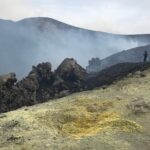
Etna gets close fast. This small-group summit trek takes you up into the crater world with official volcanological guides and a small-group pace that keeps the whole day feeling human. You spend your time where the volcano actually shows its work: scorched ground, crater edges, and sky-wide views over Sicily.
I love how the guides make the mountain make sense. With Arturo and Claudio setting the tone for thoughtful, clear explanations, you get geology and history in plain language, not a lecture you have to translate in your head. And once you reach the summit area, the Aeolian Islands can show up on a good day, which turns the hike into a real panorama.
One consideration: this trek is still a real hike at altitude. You should have strong fitness, and it only runs when conditions are right, since the route back can change with weather and visibility.
In This Review
- Key highlights you’ll actually feel
- Starting in Linguaglossa: how the day begins and why it matters
- 4×4 up to Piano Provenzana and the altitude jump
- Hike to the Central Crater: what 6 km at altitude really means
- Summit Craters with official volcanological guides: learning fast, seeing more
- Choosing the return route: weather changes everything on Etna
- Price and value: what’s included, what costs extra
- Who should book this Etna summit trek
- Should you book the Etna summit trekking for small groups?
- FAQ
- How long is the Mount Etna summit trek?
- Where do I meet for the tour?
- What level of fitness do I need?
- Is the tour suitable for everyone?
- Is the tour offered in English?
- How many people are in each group?
- What is included in the price?
- What costs extra for the 4×4 ride and for meals?
Key highlights you’ll actually feel

- Official volcanological guidance from the people who know the terrain best
- Small group size (max 10) for easier pacing and more questions
- A summit climb to the Central Crater area around 3300 meters with a round-trip route of about 6 km
- 4×4 rides up from Piano Provenzana (up to about 2900 meters) to save your legs
- 360-degree views that can stretch across Sicily and toward the Aeolian Islands
Starting in Linguaglossa: how the day begins and why it matters

Most of your time on this Etna tour is outdoors, so the start location matters. You meet at Via Provenzana, 37 in Linguaglossa (CT). The plan keeps you close to the Etna access area, which helps the whole day run on time instead of turning into a long transfer day.
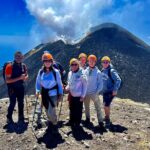
You’re also capped at 10 travelers, which changes the feel right away. You’re not stuck behind a crowd moving at a different rhythm than yours. It’s the kind of group size that lets the guide pause for explanations without the rest of the group getting separated.
The tour is offered in English, and you get a mobile ticket. That may sound minor, but it helps on a day where you’ll be focused on weather, layers, and getting up to altitude.
And yes, it’s about 6 hours total. That’s long enough to feel like a proper outing, but short enough that you’re not exhausted before you even hit the craters.
You can also read our reviews of more tours and experiences in Sicily.
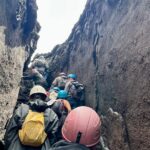
4×4 up to Piano Provenzana and the altitude jump
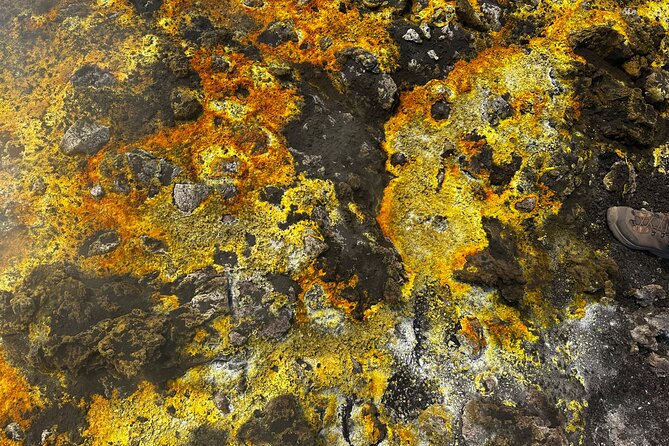
After meeting, you head toward Piano Provenzana, where the 4×4 vehicles take you up to around 2900 meters. This is a smart setup if you want summit time without spending the whole day just climbing dirt roads.
Think of it as a “warm start” for your lungs. You’ll still feel the altitude once you begin the hike, but the big step isn’t wasted on a slow, grinding drive or an all-day trek. It’s also where you’ll settle into the terrain: volcanic ground, wind, and that slightly strange stillness that comes with high altitude.
One more budget note: the 4×4 bus ticket (50 euro per person) is listed as not included. So even though the tour price is $71.01 per person, plan on that added amount if you want the full day as designed. If you’re comparing options, use the all-in cost, not just the headline price.
Hike to the Central Crater: what 6 km at altitude really means

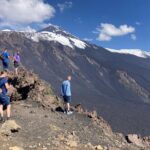
From Piano Provenzana, your walking starts. You’ll follow a round-trip route of about 6 km, climbing up to the Central Crater area at around 3300 meters. The distance looks manageable on paper, but altitude makes everything feel steeper than it measures.
This is why the gear matters. The tour includes trekking poles and trekking shoes, which helps you keep traction on uneven volcanic surfaces. You’ll want your steps to be confident, because loose ground and slope angle can sneak up on you.
Pace is the difference between a fun summit walk and a slog. With a small group and an official guide, you can usually expect a rhythm that keeps you moving without turning it into a race. If you tend to rush, slow down early—you’ll thank yourself when you’re heading back.
You’ll likely notice the ground changing as you climb. At Etna, the surface isn’t uniform, and the route can run over different volcanic textures. That’s part of the fascination, but it’s also why stable footwear matters.
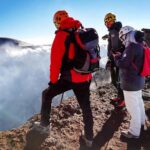
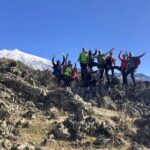
Your big payoff is reaching that summit viewpoint and then standing there long enough to really take it in. You get the feeling of being on the volcano, not just looking at it from a distance.
Summit Craters with official volcanological guides: learning fast, seeing more

This tour’s real magic is the guide narration. You’re accompanied by the volcano’s official guides, and they explain what you’re standing on as you go. That turns the hike into an on-site lesson instead of a checklist of sights.
In the best cases, guides like Arturo focus on how Etna works: how volcanic landscapes form, what you’re seeing in the crater area, and how activity shapes the ground over time. Guides like Claudio are known for staying on top of questions and keeping the explanations practical.
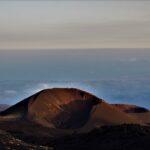
When you reach the summit point, you’ll get breathtaking panoramic views across Sicily. On clear days, the Aeolian Islands may be visible too, which makes Etna feel bigger than an individual mountain. It becomes a whole regional picture.
You may also feel a kind of close-up intensity when you’re up there. It’s not just visual drama. The air, the wind, and that raw volcanic environment give the day a physical feeling that sticks with you.
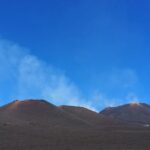
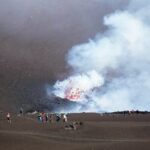
Some days, conditions are even more special. There’s a chance you could see signs like a small eruption if activity is happening at the right time. You don’t control that part, but the timing can be exciting when the volcano is in a talkative mood.
Choosing the return route: weather changes everything on Etna

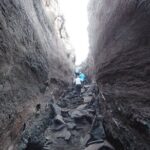
The return isn’t a rigid repeat of the way up. The route back is chosen based on weather conditions, which keeps safety and visibility in mind. That means the guide may route you through different areas, like volcanic channels and deposits.
For you, that’s a big deal because volcanic terrain can be tricky when visibility drops or wind picks up. A route choice can also change what you’re able to see, even if you hit the same summit region.
In clear conditions, you’ll likely enjoy a smoother sense of direction and more time soaking in the crater views. In rougher weather, the emphasis shifts to getting back safely and efficiently, with less time lingering at certain edges.
Either way, you end back at Piano Provenzana. Then comes the 4×4 descent, finishing the day without turning it into a second marathon.
Price and value: what’s included, what costs extra

Let’s talk value without fluff. The tour price is $71.01 per person, and it’s listed as including admission and a lot of practical support. You get:
- Volcanological guide
- Trekking poles
- Trekking shoes
- Insurance
- Admission ticket included
- Mobile ticket and English support
The main extras are:
- 4×4 bus ticket: 50 euro per person (not included)
- Food and beverage (not included)
So your real comparison should be against the total all-in cost, especially because the 4×4 is a core part of reaching the higher starting point. Still, the included gear is a strong value piece. Buying trekking poles and proper shoes just for one day can quickly erase any savings if you travel light.
Also, the small group size is part of the value. With max 10 travelers, you’re paying for time with the guides and the ability to move as a unit on a mountain that changes fast.
Who should book this Etna summit trek

You should seriously consider booking if you want a real summit crater walk and you like learning while you move. This is ideal for people who are comfortable hiking at altitude for a few hours, and who don’t mind volcanic terrain that feels more lunar than lush.
It also suits you if you want a guide-led experience rather than a self-guided scramble. Etna is spectacular, but the crater area makes more sense when someone explains what you’re looking at as you go.
That said, this isn’t for everyone. The tour notes it’s not recommended for people with heart or respiratory problems, and it asks for strong physical fitness. If you have any medical concerns, it’s worth choosing a gentler Etna option or asking your doctor first.
Weather is the other gatekeeper. The experience requires good weather, and the route changes based on conditions. If you’re the type who hates delays, plan your Etna day with some flexibility.
Should you book the Etna summit trekking for small groups?

Book it if you want one day that mixes serious views, official volcanological guidance, and a hike that doesn’t stretch into an all-day grind. The combination of a high starting point via 4×4, a focused crater route around 6 km round trip, and included poles/shoes makes it feel like a thoughtfully designed outing rather than a random hike.
Skip or rethink it if you’re not comfortable with altitude or you’re managing medical limitations. Also, if you know you’ll be miserable in wind or changeable conditions, keep an eye on the weather and be ready for route adjustments.
If you’re willing to put in steady effort for a few hours, this is the kind of Etna experience that leaves you looking at Sicily from a brand-new angle—crater edge to horizon, with the volcano explained in real time.
FAQ
How long is the Mount Etna summit trek?
It runs for about 6 hours.
Where do I meet for the tour?
The meeting point is Via Provenzana, 37, 95015 Linguaglossa CT, Italy.
What level of fitness do I need?
The tour requires strong physical fitness.
Is the tour suitable for everyone?
It is not recommended for people with heart or respiratory problems.
Is the tour offered in English?
Yes, the tour is offered in English.
How many people are in each group?
This experience has a maximum of 10 travelers.
What is included in the price?
Included items are a volcanological guide, trekking poles, trekking shoes, insurance, and admission ticket included.
What costs extra for the 4×4 ride and for meals?
The 4×4 bus ticket is listed as 50 euro per person and food and beverage are not included.