REVIEW · SICILY
Trekking 3000 from Etna Sud with Alpine Guide
Book on Viator →Operated by Gruppo Guide Etna Nord · Bookable on Viator
Etna is best seen on foot. This Etna Sud trek starts at the G. Sapienza area (1900 m), climbs to eruptive cones from 2001/2002, and finishes at viewpoints tied to the 2021 eruptions. I love that the route is planned for real volcanology, not just walking around rocks; and I especially like how the alpine/volcanological guide service translates Etna’s chaos into clear, human-sized explanations, with guides like Michele and Biagio known for keeping mixed groups feeling on track.
I do think there’s one practical catch: conditions and layers. Even in June, you can hit hail, snow, and fog at altitude, so pack warm clothing and accept that the trek can feel colder than you expect, especially since trekking shoes and clothing are not included.
This is a small-group outing (up to 12) running about 5 hours total, with the return by cable car back to the meeting point. If you’re okay with a moderate workout and you want an Etna hike guided by people who actually study volcano terrain, this one makes a lot of sense.
In This Review
- Key highlights you’ll actually notice
- Why Etna Sud trekking feels different from the usual Etna stops
- The pacing and route: what happens after you meet at Sapienza
- The walk begins among the 2001/2002 eruptive cones
- Skirting Valle del Bove: seeing the big structure close up
- A lava flow channel stop that makes the rock feel logical
- Torre del Filosofo / Barbagallo Craters: the viewpoint payoff
- Included gear: poles and helmet are more than extras
- Price and what you’re really paying for
- Who this trek is best for (and who should think twice)
- Timing and logistics that keep the day smooth
- Guides set the tone: clear, friendly, and practical
- What to bring so Etna doesn’t surprise you
- The best photo spots (and how not to rush them)
- Should you book this Etna Sud trek?
- FAQ
- How long is the Etna Sud trekking experience?
- Where do I meet the guide?
- What time does the trek start?
- How do I get to the hiking altitude?
- Are cable car tickets included in the price?
- What is included in the $60.15 per person price?
- Do I need to bring my own trekking shoes and clothing?
- Is the hike suitable for kids?
- What fitness level do I need?
- What happens if the weather is bad?
Key highlights you’ll actually notice
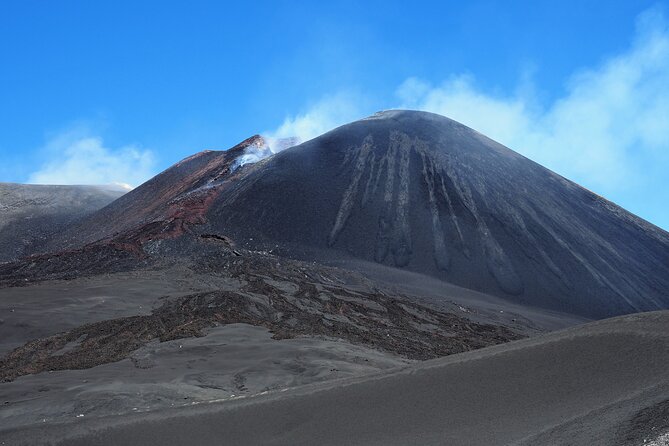
- Cable car to 2500 m first means you start the hiking in the volcanic zone, not on an endless approach road.
- Eruptive cones (2001/2002) and nearby terrain give you a focused story of how Etna has changed in recent decades.
- Valle del Bove wall + lava channel stop puts you close to the big structures Etna builds, with guide explanations along the way.
- Torre del Filosofo / Barbagallo Craters viewpoint is the payoff spot for Summit Craters views and context for the 2021 eruptions.
- Included poles and helmet help on uneven volcanic ground and make the hike feel more secure.
- Small group size (max 12) keeps the pace manageable and the explanations closer to what you need.
Why Etna Sud trekking feels different from the usual Etna stops
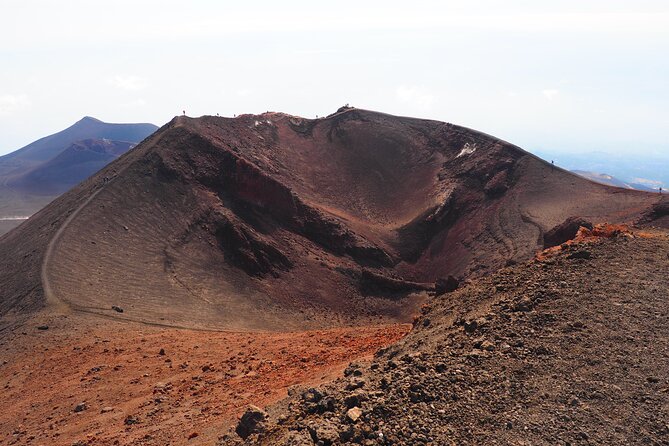
Etna isn’t one single “look at the volcano” moment. It’s a patchwork of lava, time periods, and activity levels, and that’s exactly why this volcanology-focused approach works so well.
From the start, you’re not just touring. You’re walking a planned line through eruptive terrain, with the guide acting like your field translator. The route connects specific features—2001/2002 eruptive cones, the edge of Valle del Bove, a lava-flow channel area—so the views land with meaning instead of just awe.
That matters if you’re visiting for the first time. You’ll still feel that wow factor, but you’ll also understand what you’re seeing and why it looks the way it does.
You can also read our reviews of more tours and experiences in Sicily.
The pacing and route: what happens after you meet at Sapienza
Your morning begins at Piazzale Rifugio Sapienza (Etna Sud) near Nicolosi, with the activity starting at 8:30 am. After booking acceptance and verification steps, you meet the guide team at the car park area at about 1900 m.
Then comes the smart part: you take the Etna cable car up to 2500 m. You’re spending your energy on the terrain that’s meant for this trek, not on a long uphill transfer.
The walk begins among the 2001/2002 eruptive cones
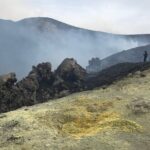
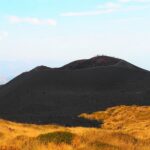
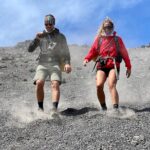
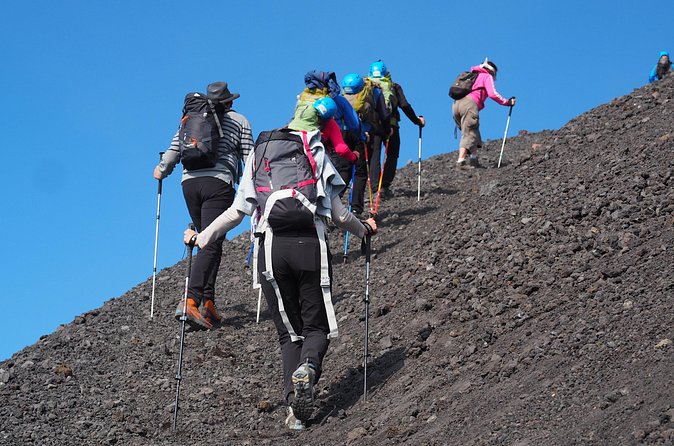
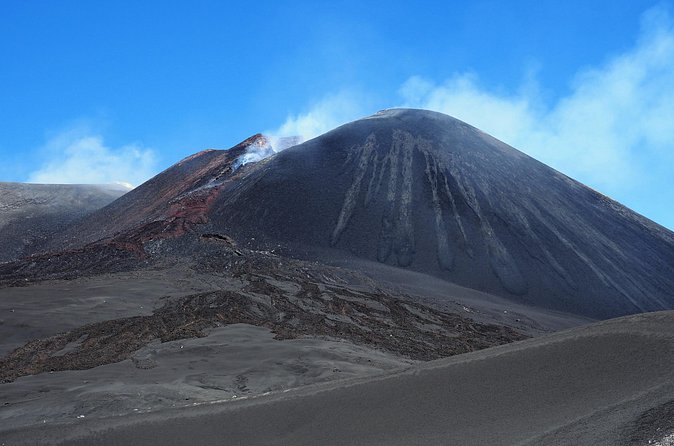
Once you arrive, you start trekking through eruptive cones associated with 2001/2002. This is where the hike becomes more than scenery. Volcanic ground can look random until someone points out what formed it and in what sequence.
You’ll follow a path that keeps you near features connected to Etna’s recent behavior. The guide explanations help you read the terrain like a map.
Skirting Valle del Bove: seeing the big structure close up
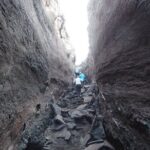
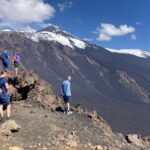
Next you skirt the wall of Valle del Bove. This is a notable change in scale from typical hiking trails—suddenly you’re walking in a place shaped by major volcanic structure.
It’s a good segment for photos, but it’s also a good segment for learning. The guide helps you connect the canyon-like setting to how Etna channels activity and how lava paths relate to the land’s shape.
A lava flow channel stop that makes the rock feel logical
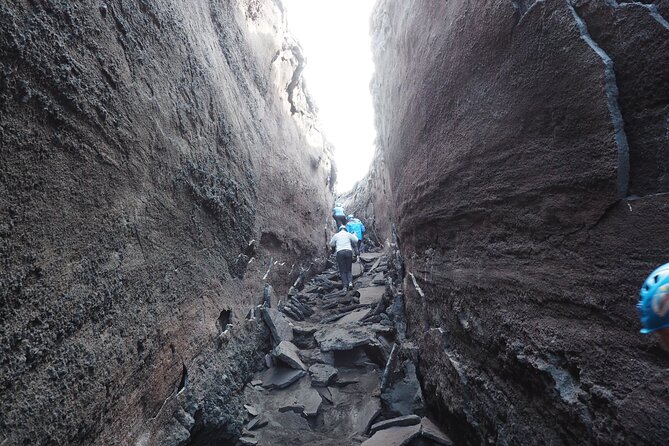
You’ll visit a lava flow channel along the way. Lava channels are one of those things that look simple until you try to picture the heat, movement, and time behind them.
This stop turns the geology into something you can grasp quickly. You’ll be able to look at the rock and think, that used to be a moving system—then it cooled and got locked into shape.
Torre del Filosofo / Barbagallo Craters: the viewpoint payoff
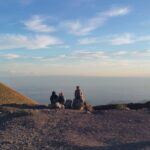
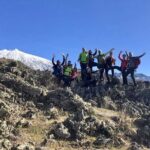
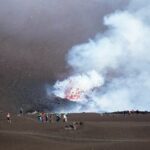
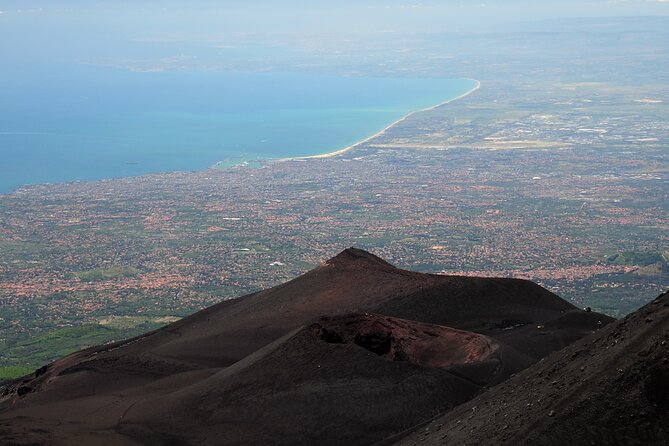
Finally you reach the area around Torre del Filosofo (Barbagallo Craters). This is your main viewpoint moment for admiring the recent eruptions (including context for the 2021 activity) and getting the breathtaking views toward the Summit Craters.
This is also where you’ll appreciate the “guide service included” part of the deal. A good guide doesn’t just point at craters; they explain how that view connects to what you walked through earlier.
Included gear: poles and helmet are more than extras
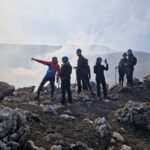
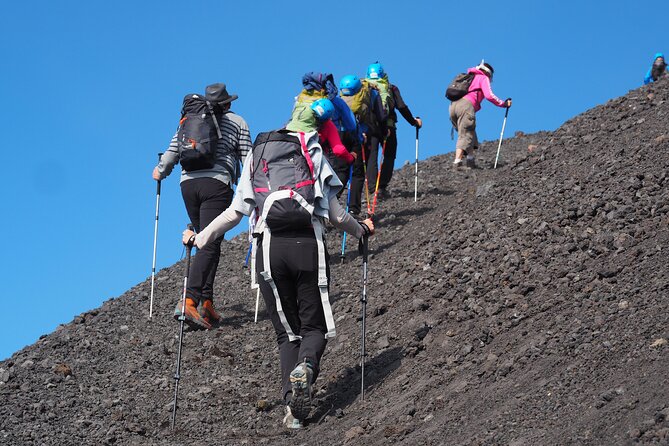
You get trekking poles and a helmet included. That may sound basic, but on volcanic ground it matters.
Poles help with traction and balance on uneven surfaces. A helmet is one of those “better safe than sorry” items, especially when you’re walking in a landscape where rock edges and the ground can be unpredictable.
You still need to bring the rest: trekking clothing and shoes are not included, and there’s no mention of meals being provided. So plan to dress for mountain conditions and bring what you need for comfort during a roughly 5-hour outing.
Price and what you’re really paying for
The price is listed at $60.15 per person, and it’s for the guide service only. That’s important because the cable car tickets are not included and are paid on site (listed at €50 for cable car / round-trip tickets).
So what’s the value?
- You’re paying for real expertise: an alpine/volcanological guide service that connects the terrain to Etna’s recent eruptive history.
- You’re paying for safety and smoother logistics: included poles and helmet, plus a route that’s designed for this specific area and viewpoint.
- You’re paying for time efficiency: the cable car gets you up fast, and the trek is built around the volcanic features that matter.
If you were doing it unguided, you might save on guide costs—but you’d spend energy translating geology yourself and figuring out the safest way to move through active terrain. Here, the guide does that work for you.
Who this trek is best for (and who should think twice)
This excursion is feasible for ages 7 and up, and it asks for a moderate physical fitness level. That usually means you don’t need to be a mountain athlete, but you do need to be comfortable walking on uneven ground and sustaining effort for the duration.
The small group size (max 12) helps make the pace feel human, and it often makes a difference if you’re traveling with kids or if someone in your group needs a steadier tempo. In past experiences, guides like Peppe have adjusted pace and handled support situations with care, including for people who get dizzy at tricky moments.
The main “think twice” category is anyone who dislikes cold-weather surprises. One highlight you’ll want to remember is that even in June, conditions at altitude can turn wintry fast—hail, snow, and fog are possible. If you run cold, pack like you’re going somewhere colder than Sicily’s coast.
Timing and logistics that keep the day smooth
This is a morning start, with the activity scheduled for 8:30 am at Piazzale Rifugio Sapienza. The trek itself runs about 5 hours, and the return is by cable car back to where you started.
It’s the kind of schedule that pairs well with an Etna day plan that doesn’t rely on long, complicated transfers. You’re done in the same general area you began.
Also, you’ll get a mobile ticket, which is one less paper thing to juggle on a busy day.
Guides set the tone: clear, friendly, and practical
The guide experience is a big reason this trek gets such strong recommendations. People consistently describe the team as professional, friendly, and good at explaining things clearly.
You’ll see names like Michele, Biagio, Peppe, and Fabrizio associated with these outings, and the common thread is how they manage groups—keeping the pace steady, making sure you understand what you’re seeing, and offering helpful guidance when conditions shift.
There’s also a practical theme: if access to certain summit viewpoints becomes limited, the organization and guides focus on what’s still safe and visible. That’s exactly what you want on a volcano day—flexibility without chaos.
What to bring so Etna doesn’t surprise you
Because clothing and shoes aren’t included, I’d treat this as a “mountain layers” day, not a casual walk.
At a minimum, bring:
- warm layers for cold winds or fog at altitude
- trekking shoes with good grip for rocky ground
- gloves or something for cold hands, just in case
- a daypack for water and personal snacks (food and beverages aren’t included)
And bring the right expectations. You’re going up to 2500 m and walking through volcanic terrain tied to eruptions. That’s exciting, but it’s also real outdoors, with real weather.
The best photo spots (and how not to rush them)
You’ll naturally want pictures when you see the eruptive cones and the Valle del Bove area. Go ahead—just keep your safety and footing first. Volcanic ground can be slick or uneven depending on conditions.
For photos that feel worth the effort, focus on:
- your viewpoint approach toward Torre del Filosofo / Barbagallo Craters
- the segment tied to the 2021 eruption context and Summit Craters views
Let the guide steer you. A good guide will help you angle for views while keeping the group moving at a pace that works.
Should you book this Etna Sud trek?
Yes, if you want an Etna hike with real volcanology and a route that takes you through the kinds of features that make Etna understandable fast. The included poles and helmet, the small group cap, and the focused terrain stops make it a strong value if you’d otherwise feel lost in the sheer size of the mountain.
I’d think twice if you’re highly sensitive to cold or you’re not comfortable with a moderate physical effort on uneven volcanic ground. Also remember: the €50 cable car ticket is on top of the $60.15 guide price, so budget for the full day.
If you like structured adventure—walking, learning, and seeing viewpoints tied to actual recent activity—this is an excellent way to do Etna without guessing.
FAQ
How long is the Etna Sud trekking experience?
It lasts about 5 hours.
Where do I meet the guide?
You meet at Piazzale Rifugio Sapienza, 95030 Nicolosi CT, Italy.
What time does the trek start?
The start time is 8:30 am.
How do I get to the hiking altitude?
You take the Etna cable car up to about 2500 m, starting from the G. Sapienza–Etna Sud Refuge area at 1900 m.
Are cable car tickets included in the price?
No. Cable car / round-trip tickets are not included and cost €50, paid on site before departure.
What is included in the $60.15 per person price?
The $60.15 covers the alpine/volcanological guide service. Trekking poles and a helmet are included as well.
Do I need to bring my own trekking shoes and clothing?
Yes. Trekking clothing and shoes are not included.
Is the hike suitable for kids?
It’s feasible for ages 7 and up.
What fitness level do I need?
You should have a moderate physical fitness level.
What happens if the weather is bad?
The experience requires good weather. If it’s canceled due to poor weather, you’ll be offered a different date or a full refund. You can cancel for free up to 24 hours in advance for a full refund.