REVIEW · SICILY
Etna: Trekking to the summit craters at 3,340 meters
Book on Viator →Operated by Sicilying SRL · Bookable on Viator
Etna feels reachable on a guided summit hike, because you’re walking high with a trained volcanologist and provided trekking helmet and poles. I like that the tour builds safety and comfort into the experience from minute one, but you should know the cable car/4×4 access costs extra on site.
From about 3,300 to 3,400 meters, you’ll rotate through major Etna zones like Valle del Bove and the summit crater area, with a photo break built around the views. The payoff is real: you’ll climb toward the crater linked to the 2001 eruption and get context for what you’re seeing as the mountain changes with every season.
In This Review
- Key Things That Make This Etna Summit Trek Worth Your Time
- Where You Start: Monte Gebel (Belpasso) and the Catania Morning Pickup
- How the Trek Actually Feels: Altitude, Wind, and a Pace That Won’t Cook You
- First Stop: Valle del Bove (and Why It’s a Highlight, Even for the Short Break)
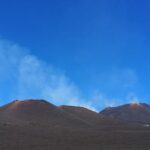
- Cratere Centrale and Crateri Barbagallo: Seeing the Volcano From the Ground Up
- The Summit Photo Break: Your Moment to Look, Not Just Walk
- Climbing Toward the 2001 Eruption Crater: Why This Part Changes the Day
- Included vs. Extra Costs: What You Pay Now and What You Pay On Site
- Meeting Logistics That Actually Help: Pickup Timing and Getting There on Time
- How Difficult Is This Etna Hike for Most People?
- Who Should Book This Summit Crater Trek (and Who Might Prefer Something Else)
- Should You Book the Etna Summit Crater Trek?
- FAQ
- What time do we get picked up from Catania?
- How long is the Etna summit trek?
- What’s included in the price?
- What costs extra on site?
- What’s the maximum group size?
- Does the tour run in bad weather?
Key Things That Make This Etna Summit Trek Worth Your Time
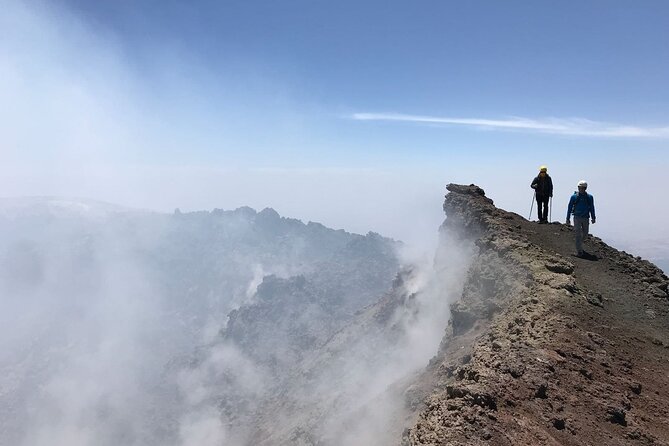
- Volcanologist guidance: you’re not just walking; you’re getting real explanations while you’re above the clouds
- Provided trekking gear: windbreaker jacket, trekking poles, and a protective helmet come with the tour
- A planned photo break at the summit craters: time set aside so you can actually enjoy what you came for
- Major Etna landmarks in one route: Cratere Centrale, Crateri Barbagallo, and Valle del Bove all show up
- Group capped at 20 people: small enough for questions, big enough for energy
- Extra access is expected: you’ll pay on site for cable car and 4×4 transport
Where You Start: Monte Gebel (Belpasso) and the Catania Morning Pickup
This is a morning-first outing, so plan your day around getting up early. The meeting point is Monte Gebel on SP92 in Belpasso (95032), and the tour includes hotel pickup in Catania around 7:30 AM.
You’ll then head out for the trekking portion starting around 9:00 AM, aiming for the summit area and heights around 3,400 meters. The schedule is built for daylight at altitude, which matters on Etna because weather and visibility can change quickly.
The route is offered in English, and the group size is capped at 20 people. That cap matters: you get a more personal experience from the volcanology guide than you would on a huge bus-and-rush style day.
You can also read our reviews of more tours and experiences in Sicily.
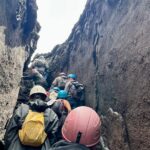
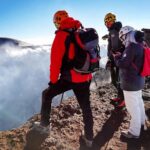
How the Trek Actually Feels: Altitude, Wind, and a Pace That Won’t Cook You
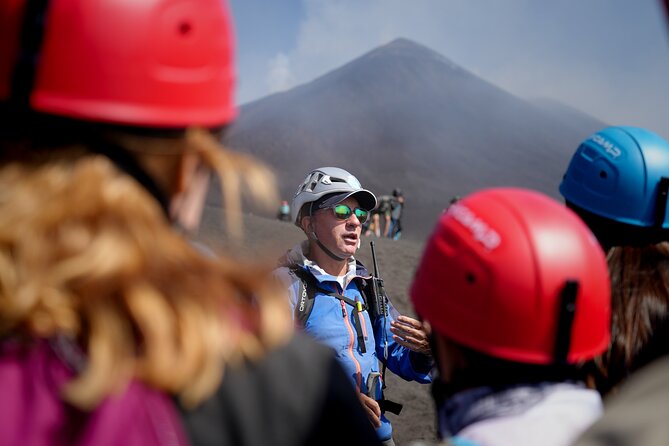
At summit elevations, your pace matters more than your speed. Etna isn’t a steep wall the entire time, but you are still walking at high altitude where breathing feels different and wind can be a factor.
One thing I appreciate about this kind of guided summit hike is that you’re given equipment that helps you stay functional. A windbreaker jacket and protective helmet are included, and trekking poles help on uneven volcanic ground where footing can shift underfoot.
Safety is also part of the experience, not an afterthought. Guides for this route are known for making sure everyone stays safe and for adjusting the pace to the group’s needs, so the hike doesn’t turn into a race against your own legs.
If you’re someone who prefers to keep a steady effort rather than sprint uphill, this suits you. If you’re expecting a casual stroll with zero exertion, you might be disappointed.
First Stop: Valle del Bove (and Why It’s a Highlight, Even for the Short Break)
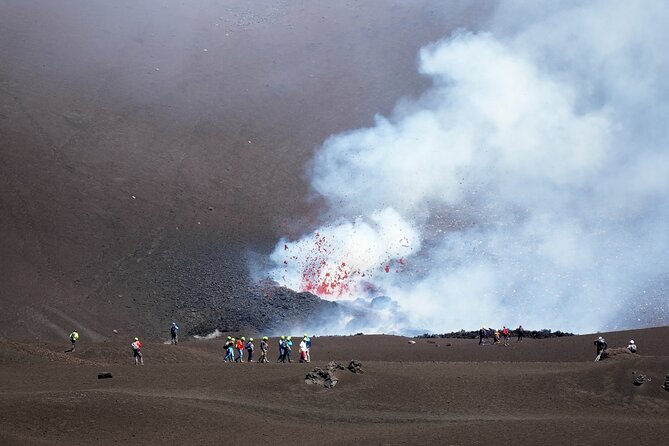
You start your volcano sightseeing by reaching around 3,300 meters and working through Etna’s key zones, including Cratere Centrale and Crateri Barbagallo, before focusing on the Valle del Bove area.
Valle del Bove is a famous part of Etna’s volcanic story, and the tour gives it the right amount of time without turning it into a long detour. Expect about a 30-minute stop there, and you don’t have to buy an admission ticket for that specific stop.
Why I like this structure: it gives you a quick “big picture” moment early on. You get to see the volcanic terrain and scale while you still have energy, so later crater views land harder.
The trade-off is simple: since you’re aiming high, you won’t spend hours just wandering. If you love long, slow sightseeing breaks, you’ll want to plan extra time elsewhere in Etna’s area on a different day.
Cratere Centrale and Crateri Barbagallo: Seeing the Volcano From the Ground Up
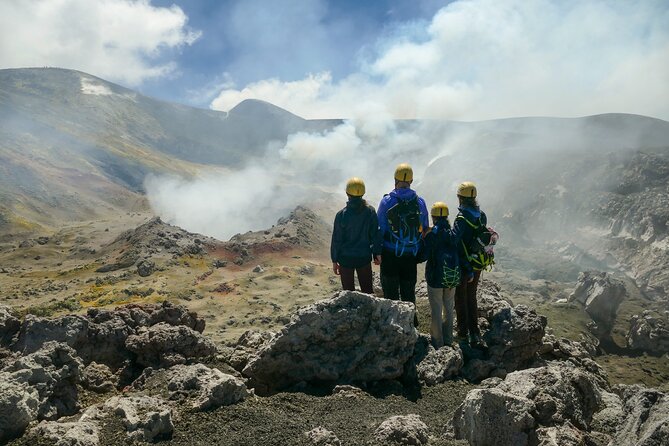
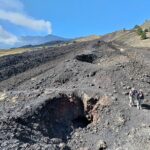
As you move toward the summit area, you’re not only looking out—you’re walking through the kinds of volcanic features people usually only see from far away. Cratere Centrale and Crateri Barbagallo are part of what you’ll experience as the terrain changes under your feet.
This is where a volcanologist guide becomes more than “background information.” The explanations help you connect the dots between the shapes you see and the processes that created them. In practical terms, it makes your photos better too, because you know what you’re capturing instead of just shooting dramatic rock.
Also, provided gear makes a difference in these middle sections. The helmet helps when you’re near volcanic ground conditions where head protection is smart, and trekking poles take pressure off your knees on uneven surfaces.
One consideration: if the wind kicks up, you’ll appreciate having that windbreaker jacket. Etna can feel colder than you expect, especially as you gain altitude.
The Summit Photo Break: Your Moment to Look, Not Just Walk
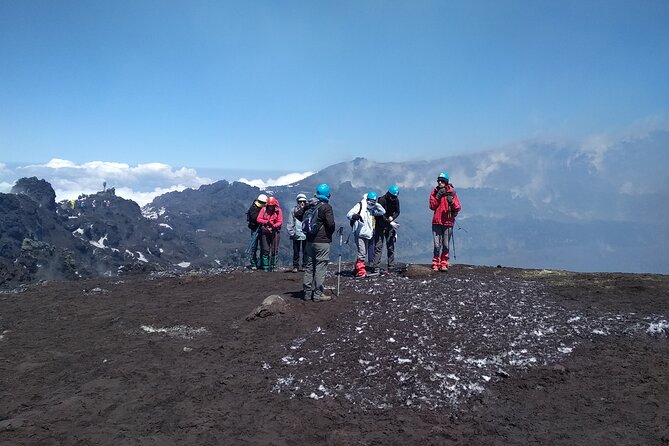
One of the best parts of this trek is that it includes a photo break designed for the summit crater views. You’re not left waiting on the side while the group streams past.
This is a small detail that matters. At altitude, it’s easy to feel like you’re rushing from one “must-see” point to another. Here, you get actual time to stop, look around, and take photos with the summit craters in view.
And since the guide is there, you can also use that pause to ask questions about what you’re seeing. That’s where the educational part turns into something more memorable than a lecture on a bus.
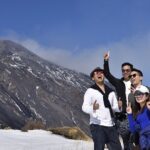
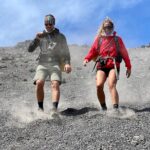
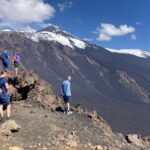
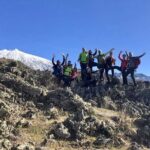
Climbing Toward the 2001 Eruption Crater: Why This Part Changes the Day
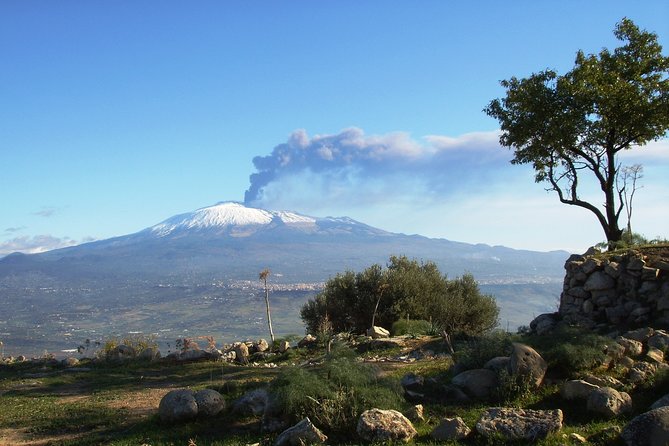
The climb is tied to a specific piece of Etna’s recent activity: the crater that erupted during the 2001 eruption. That connection turns a generic summit hike into something more meaningful.
Instead of just walking toward a viewpoint, you’re walking toward a landscape shaped by a real event that’s still part of Etna’s ongoing story. It makes the terrain feel less abstract and more immediate, because you can place the scene in a timeline.
I also like that the tour frames this as an effort you earn. You’re working upward, then you get a reward that connects visuals with cause-and-effect.
If you’re prone to motion sickness, altitude discomfort, or fatigue at heights, take it slow here. Even if you feel fine earlier, the final push can be where your body asks for more patience.
Included vs. Extra Costs: What You Pay Now and What You Pay On Site
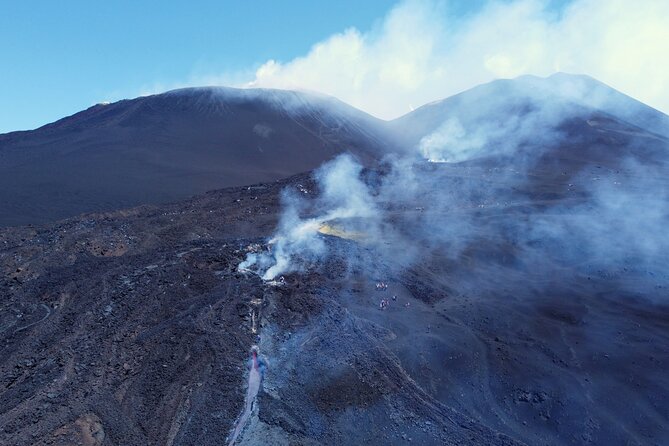
This tour has a listed price of $78.10 per person and runs about 6 hours. Included items are a big part of why it’s good value: you get a volcanological guide, a windbreaker jacket, trekking poles, a protective helmet, and insurance.
What’s not included is where you need to do your math. Lunch isn’t included. Also, round-trip cable car and a 4×4 vehicle access component costs €82.00 per person and is paid on site.
Here’s the value lens I recommend: the published price covers the guide and the core trekking support, but your total day cost will likely be closer to $78 plus the onsite €82 (plus lunch). If you’re already budgeting for transport up the mountain and you want gear handled for you, the included items help balance the extra onsite fee.
If you’re traveling light and comfortable buying gear locally, you might question the onsite costs. But if you want a smoother day—gear ready, safety handled—this format is usually worth it.
Meeting Logistics That Actually Help: Pickup Timing and Getting There on Time
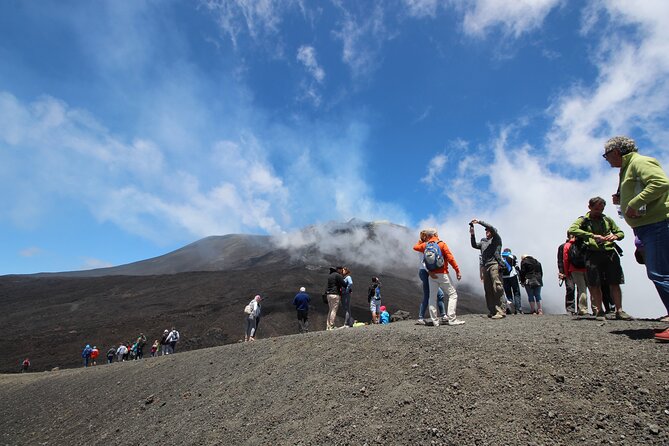
The tour includes pickup from Catania around 7:30 AM, then trekking begins around 9:00 AM. That early timing is not random. It’s built to get you to the higher areas and summit zone while conditions are best.
You’ll end back at the meeting point. That’s convenient because you’re not trying to figure out transport at the end when you’re tired and out of breath.
One practical tip: keep your morning simple. Avoid a heavy breakfast right before the climb, and bring a small snack if you know you burn through energy quickly. Lunch isn’t included, so plan for a gap.
How Difficult Is This Etna Hike for Most People?
The tour states that most people can participate. Still, you should respect the altitude and the walking time.
You’re moving toward 3,300–3,400 meters. Even if the route isn’t described as a technical climb, the combination of elevation, wind, and long walking can feel challenging. If you’re an average hiker who’s used to uneven ground, you’ll likely be fine with the included poles and a steady pace.
If you have knee issues, altitude anxiety, or you struggle with steep climbs even at lower elevations, think carefully. Poles help, but they don’t remove the need for a slow, steady rhythm.
The good news is that guides on this route are known for adjusting the pace to group needs and focusing on safety, so the experience shouldn’t feel out of control.
Who Should Book This Summit Crater Trek (and Who Might Prefer Something Else)
Book this if you want:
- A guided trek with a trained volcanologist who can explain what you see while you’re there
- A small-group hike with gear provided (helmet, poles, windbreaker)
- Summit crater views with a dedicated photo break
- A route that connects to the 2001 eruption and the shape of today’s Etna terrain
Skip it or consider a gentler option if:
- You want a long, slow “wander and chill” day
- You hate early mornings
- You’re budget-sensitive once you factor in the €82 onsite cable car/4×4 and lunch
This is a strong choice for couples, solo travelers, and small groups who want something more active than a bus tour, but still structured.
Should You Book the Etna Summit Crater Trek?
Yes, if you’re ready for a real altitude day and you want guided context, not just sightseeing. I think the value is strongest when you appreciate what’s included: volcanology guidance plus the gear that makes summit walking safer and easier.
Be honest with yourself about the extra costs. The onsite cable car and 4×4 add €82 per person, and lunch isn’t included, so your total spend will be higher than the headline figure.
If you match the hike to your fitness and you come prepared for wind and altitude, this is the kind of day that sticks in your memory for the right reasons: you’re standing in volcanic terrain with a clear explanation of what you’re seeing.
FAQ
What time do we get picked up from Catania?
Pickup is offered from your accommodation in Catania around 7:30 AM. The trekking tour starts around 9:00 AM.
How long is the Etna summit trek?
The experience lasts about 6 hours.
What’s included in the price?
You get a volcanological guide, a windbreaker jacket, trekking poles, a protective helmet, and insurance.
What costs extra on site?
Lunch is not included. You also need to pay on site €82.00 per person for the round-trip cable car and 4×4 vehicle.
What’s the maximum group size?
The group is capped at 20 people.
Does the tour run in bad weather?
The experience requires good weather. If it’s canceled due to poor weather, you’ll be offered a different date or a full refund.