REVIEW · KATHMANDU
Nagarkot Trekking in Kathmandu Nepal (1 Night / 2 Days)
Book on Viator →Operated by Himalayan Advisor Pvt. Ltd. · Bookable on Viator
A private trek with a plan that actually feels doable in 2 days. I especially like the Nagarkot sunrise timing and the way this hike blends village paths, Himalayan viewpoints, and a real temple stop at Changu Narayan—without you needing map skills. One thing to consider: sunrise visibility can depend on the season and weather, so you’re planning for views, not guarantees.
You’ll start with a drive from Kathmandu to Sankhu village, then hike up toward Nagarkot for sunset, stay overnight in a hotel with full board, and get up early for sunrise before heading down toward Changu Narayan. The tradeoff for the short format is that you’ll move at a steady pace on day one, so it’s not the kind of slow, wander-all-afternoon trek.
In This Review
- Key highlights that make this Nagarkot trek worth your time
- From Kathmandu to Sankhu: the easy start that sets the tone
- Sankhu to Nagarkot: 3 hours uphill with real village views
- Nagarkot at sunset: why the timing matters on a short trek
- Hotel night in Nagarkot: simple comfort that keeps the plan smooth
- Sunrise at Nagarkot View Tower: the early wake-up you’ll be glad you did
- Downhill to Changu Narayan: a different kind of scenery
- Guides and safety: why private attention changes the whole experience
- Price and value: is $250 a fair deal for 2 days?
- Who this trek is best for (and who should look elsewhere)
- What to pack and how to prep for Nepal hill weather
- Should you book this Nagarkot trekking package?
- FAQ
- FAQ
- What are the dates and duration?
- Is there a hotel night in Nagarkot included?
- What’s included in the price?
- What’s not included?
- How long is the hiking?
- What are the sunrise plans?
- Do I need to worry about getting lost?
- Is this tour private?
- How does cancellation work?
Key highlights that make this Nagarkot trek worth your time
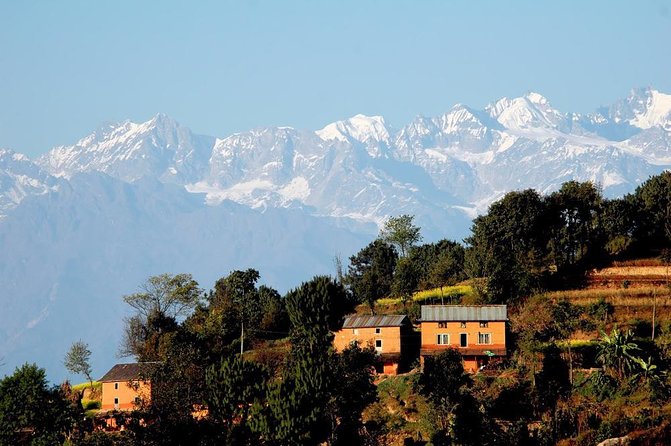
- Sankhu Village start: you begin in a typical village setting before the uphill climb begins
- Sunset + sunrise viewpoints: time is built around Nagarkot’s most popular viewing moments
- Private guide support: your guide keeps you on track and reduces the stress of route finding
- Changu Narayan Temple stop: a UNESCO-listed site, including a chance to see one of the oldest temples in the Kathmandu Valley
- Nagarkot View Tower access: sunrise is planned for an early wake-up window (around 6:00–6:30)
From Kathmandu to Sankhu: the easy start that sets the tone
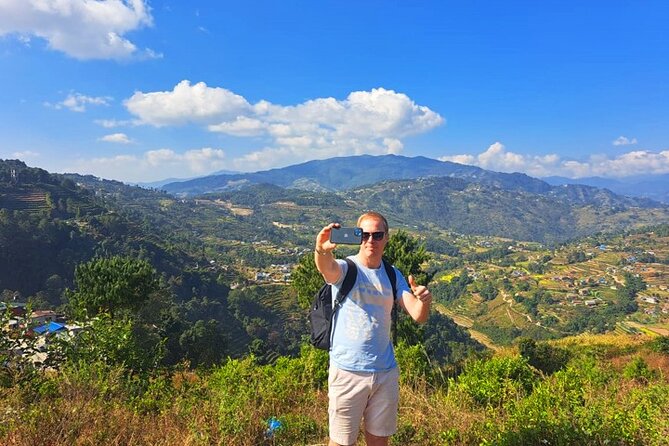
This trip is designed for people who want a taste of Himalayan trekking without committing to a longer multi-day route. You kick things off with a start time of 9:00 am, and you’re met with private vehicle transport from Kathmandu. The plan also includes helpful hotel transfers, including from Boudha—useful if you’re staying outside the city center.
Then you’re driven to Sankhu village, where the day begins with a village walk and a feel for local life before your legs start working. It’s not just a preamble—it matters, because the first stretch helps you ease into the altitude and rhythm. You’re looking at about a 3-hour hiking climb from Sankhu toward Nagarkot, so it’s smart that the tour doesn’t jump straight into a steep grind.
Admission-wise, the stop at Sankhu is listed as free, which is nice because short trips add up fast when small fees show their faces.
You can also read our reviews of more tours and experiences in Kathmandu.

Sankhu to Nagarkot: 3 hours uphill with real village views
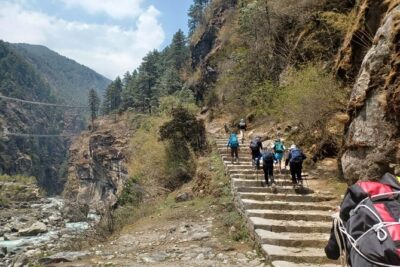
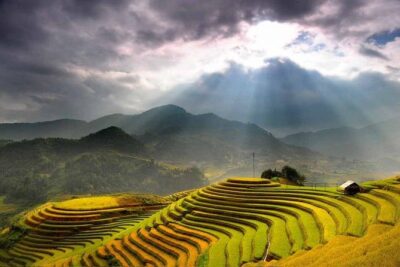
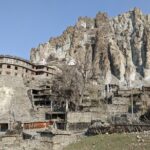
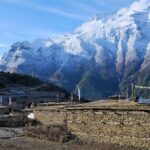
From Sankhu, your hike climbs toward Nagarkot through terrace land, villages, and mountain-view viewpoints along the way. The route is described as easy and panoramic for this stretch, which is exactly what you want on a “2 days only” trekking schedule.
Here’s what “easy and panoramic” usually means in practice: you’ll still be climbing, and you’ll feel it in your calves, but the trail focus is on scenery and manageable movement—not technical footing. If you’re coming from Kathmandu and you’re not used to walking uphill for hours, this kind of day plan is a fair entry point.
Practical tip: wear proper hiking shoes. The trip specifically asks for hiking shoes and a sporty dress. That’s not just fussiness. On Nepal hill paths, the “easy” part can still mean uneven ground and slippery patches after morning dew.
Also pack for changing conditions. In the foggy visibility days, the views can still be good, just different. One guide-supported traveler experience notes that visibility was a little foggy yet the sightseeing stayed enjoyable—so keep expectations flexible and let the guide keep you focused on what you can actually see.
Nagarkot at sunset: why the timing matters on a short trek
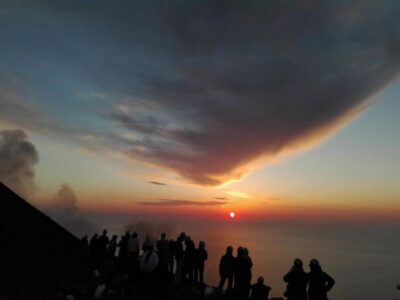
This tour doesn’t treat sunset as an optional extra. It’s built into the plan so you reach Nagarkot with enough time to enjoy the evening atmosphere over the Himalaya.
Why this matters: on a short trek, sunset is one of the few moments you can reliably feel that you left the city. Without it, Nagarkot can feel like just a hotel stop. With it, the day gets a payoff even before you sleep.
You’ll also have a built-in logistical win: a hotel stay in Nagarkot is included. That means you’re not gambling with last-minute rooms after a hike, and you can spend your energy on walking and enjoying—not negotiating.
Hotel night in Nagarkot: simple comfort that keeps the plan smooth
One night in a Nagarkot hotel is included, with twin sharing accommodation in a standard tourist hotel and full board. That’s a big part of the value of this experience. When a trekking schedule is tight, food and rest aren’t side quests—they’re part of the trip quality.
Full board means your meals are handled, so you can focus on the next morning’s early wake-up. Twin sharing is listed, so if you’re traveling as a solo person, you should confirm how room pairing works with your group—this is common on short trekking packages.
The hotel in Nagarkot is also where you get that “I’m in the hills” feeling. One experience included mention of a hotel with a perfect view from the Nagarkot viewpoint area. Even if every room isn’t identical, the location is the point.
Sunrise at Nagarkot View Tower: the early wake-up you’ll be glad you did
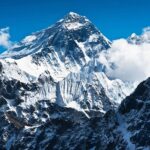
The plan calls for waking around 6:00–6:30 am depending on the season, then heading out to the Nagarkot View Tower. This is described as the most popular sunrise viewpoint of Nepal, and for good reason: it’s part of why Nagarkot exists as a short trek destination.
What I like about this setup is that the itinerary respects the reality of sunrise. You’re not being told to figure it out on your own at dawn. The trip builds the timing around the view, and that removes stress from your morning.
Admission for the View Tower is included in the tour stops, so you’re not layering extra costs right when you’re already up early.
Real talk on expectations: sunrise views can be limited by weather and cloud cover. That’s normal. But that’s also why sunrise mornings are worth scheduling—when you catch a clear window, it’s memorable, and when you don’t, the experience still has a calm, early-morning hill-town feel.
Downhill to Changu Narayan: a different kind of scenery
After the sunrise viewing, you head downhill. The tour then includes a quick stop at the Nagarkot Buddha Peace Park hiking trail, with a short time window (about 15 minutes). This is a brief palate cleanser: you’ll shift from big-view urgency to quieter scenic stops.
Then you continue to Changu Narayan Temple, listed as UNESCO-listed and described as one of the oldest temples in the Kathmandu Valley. The stop is around 30 minutes, which is a very manageable time for a cultural site after a hiking morning.
Why this temple stop works well on this trek: it gives you context for the place you’re seeing from above. Nagarkot can feel like pure viewpoints; Changu Narayan reconnects the hill scenery to long-standing religious and cultural life in the valley.
Also, you’re not doing the route with guesswork. The tour is set up so you don’t risk getting lost, because your guide keeps you on track. That’s especially valuable on the descent, when “getting turned around” is the biggest risk for people who aren’t familiar with local trails.
Guides and safety: why private attention changes the whole experience
This experience is private, so you’re not stuck in a crowded group line. You’re also promised personalized attention, which in hiking terms means two things: pacing and direction.
In actual guide-led experiences connected to this route, guides named Shishir and Anant are singled out for being great companions—one traveler highlighted feeling safe the whole time and appreciated how knowledgeable and supportive the guide was, while another praised the guide after a peaceful trek through villages and farms.
Even without chasing perfection, those kinds of comments are a strong signal. On short treks, the difference between a good walk and a stressful one is often guidance. You’ll want someone who can help you keep steady on uphill footing, answer questions naturally, and keep you aligned with the planned timing.
Price and value: is $250 a fair deal for 2 days?
At $250 per person, this isn’t the cheapest way to see Nagarkot. But you’re paying for a bundle of things that would cost you time and effort on your own: English-speaking guide, required entrance fees and local permits, private vehicle transport, and a full hotel night with full board.
Let’s break down the value logic:
- Guiding + permits/entrance fees included: for a short trip, it’s money you don’t have to hunt down day-of.
- Hotel night in Nagarkot included: that alone makes the trip easier to plan, especially with a sunrise schedule.
- Private transport: helpful because you’re moving between Kathmandu, Sankhu, Nagarkot, and down to Changu Narayan.
There’s also mention of group discounts and that it’s typically booked about 42 days in advance. That suggests demand is steady, and planning ahead can help you secure your slot without last-minute scrambling.
One more point: the biggest risk with a short trek is wasting a day on logistics. This price tries to protect you from that.
Who this trek is best for (and who should look elsewhere)
This one fits you if:
- you have limited time and still want a real trekking day
- you like a clear schedule: hike up, sunset viewing, sleep, sunrise, then temple culture
- you want guided direction so you can enjoy the walk instead of managing routes
It may be less ideal if:
- you want long, slow wandering with lots of free time
- you’re hoping for a low-effort outing where you never feel uphill—because day one is still a 3-hour climb
Based on the “most travelers can participate” note and the description of an easy, panoramic route, it’s accessible for a wide range of fitness levels, as long as you’re comfortable with steady walking.
What to pack and how to prep for Nepal hill weather
The essentials here are simple: hiking shoes and sporty clothing. Past experience on this route also points to fog and variable visibility, so plan layers. A warm top for the early morning matters, since sunrise comes with cooler air.
Bring:
- a light layer system (you can add/remove as the sun changes)
- water and small snacks if you prefer, even though meals are included at the hotel
- a small day bag for personal items
And mentally prep for the day structure: you’ll hike uphill for hours, then catch sunrise early the next day. If you rest well at the hotel and keep pace with your guide, the whole plan feels smooth.
Should you book this Nagarkot trekking package?
I’d book it if you want a straightforward, guided Nagarkot experience with sunrise + temple culture in just 2 days. The included hotel night, entrance fees, and private transport make it feel like a complete product, not a “good luck with the rest” plan.
I’d think twice if you’re chasing a perfect weather-only view. Sunrise can be hazy or foggy depending on conditions, and while you’ll still get a scenic experience, the exact view level isn’t controllable.
For most first-timers to Nepal hill trekking, though, this is a very practical way to get your bearings: village paths, panoramic viewpoints, and one historic UNESCO stop—without spending your vacation in transit.
FAQ
FAQ
What are the dates and duration?
The experience runs for 2 days (about 2 days total), with a start time of 9:00 am.
Is there a hotel night in Nagarkot included?
Yes. One night in a Nagarkot hotel is included, in twin sharing standard tourist hotel accommodation with full board.
What’s included in the price?
Included items are an English-speaking guide, required entrance fees and local permit, twin sharing hotel accommodation with full board, and required transport by private vehicle.
What’s not included?
Bar and beverage bills, plus personal contributions, are not included.
How long is the hiking?
From Sankhu village to the top of the route toward Nagarkot, the trek is about 3 hours. The hike from Sankhu to Nagarkot is also listed as about 3 hours uphill.
What are the sunrise plans?
You’ll wake up around 6:00–6:30 am depending on the season, then visit the Nagarkot View Tower for sunrise.
Do I need to worry about getting lost?
Your guide keeps you on track, including during the descent to Changu Narayan, so you shouldn’t have to handle navigation.
Is this tour private?
Yes. It’s private, and only your group participates.
How does cancellation work?
Cancellation is free up to 24 hours in advance for a full refund. If you cancel less than 24 hours before the experience starts, it won’t be refunded.