REVIEW · KATHMANDU
Everest Base Camp Trekking – 2025/2026
Book on Viator →Operated by Alpine Ramble Treks · Bookable on Viator
Lukla sets the tone right away. This Everest Base Camp trek packs in domestic flights, tea-house stays, and a guide-led plan so you’re not guessing your way through altitude. I like that it’s a private, pace-friendly trek, so you can slow down for acclimatization without feeling bad.
I also like the practical inclusions: most meals, permits (Everest National Park fees + TIMS), and trekking-lodge accommodation are built into the price. You get an English-speaking, government-licensed local guide, plus water purification tablets for safer drinking.
One consideration: this trek still means cold, thin air, and basic mountain lodging. Even with good support, you’re dealing with weather and possible flight delays, especially around Lukla.
In This Review
- Key Things You’ll Feel on This Trek
- Lukla Flights Included: Why the Start Feels Like a Shortcut
- Kathmandu Arrival Day: Getting Your Bearings Before Altitude
- The Route From Lukla to Namche: Sherpa Villages and Big Views Getting Closer
- Namche to Pangboche to Lobuche: Where Altitude Starts Calling the Shots
- Gorakshep and Everest Base Camp: The One Day That Changes Your Photos
- The Return Plan: Same Route, Less Strain, More Perspective
- How a Typical Trek Day Runs (and Why It’s Well Designed)
- Guides, Porters, and the Real Safety Advantage of Not Getting Lost
- Food and Water: Tea Houses, Real Menu Choices, and What to Watch
- Gear List Reality: You’ll Need Warmth, Light, and the Right Shoes
- Price and Value for $1,339.20: What’s Included vs. What You Still Pay
- Who Should Book This EBC Trek, and Who Should Reconsider
- Should You Book This Everest Base Camp Trek?
- FAQ
- What time does the experience start?
- Are domestic flights to Lukla included?
- What’s included in the trek besides the guide?
- What meals are included?
- Do I need permits for this trek?
- How do you handle drinking water at altitude?
- What kind of lodging should I expect?
- Is this trek technical climbing?
Key Things You’ll Feel on This Trek
- Lukla flights included: you save time and hassle getting onto the main trail.
- Permits + TIMS are handled: fewer items to juggle before you even start walking.
- Full-board mountain meals: breakfast, lunch, and dinner are included during the trek days.
- Private guided flexibility: your route is set, but your pace is yours.
- Water purification tablets provided: a real help when tap water is your only option.
- Everest Base Camp is non-technical: no ropes or climbing gear required.
Lukla Flights Included: Why the Start Feels Like a Shortcut
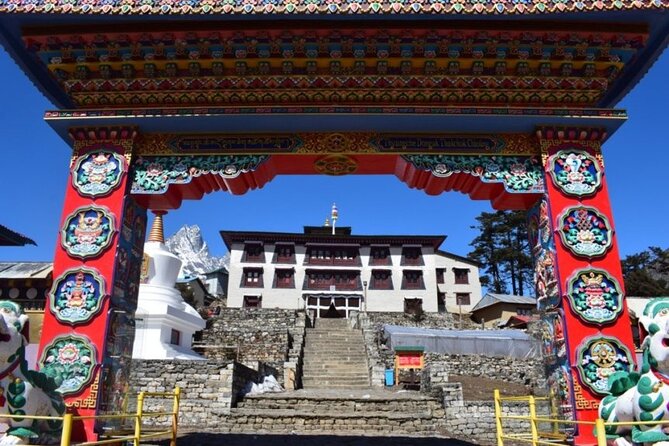
The smartest part of this plan is that you’re not fighting logistics to reach the Everest trail. The package includes a domestic flight to and from Lukla (from Kathmandu/Manthali depending on your schedule), which is often the hardest part for independent travelers to time correctly.
You’ll land in Lukla and then start walking the same day. That first trek leg goes to Phakding, a common warm-up stretch that lets your legs wake up before the bigger altitude days. If you’ve ever tried to piece this together on your own, you’ll appreciate that someone else is managing the sequencing.
The tradeoff? Lukla flights can be weather-sensitive, and the plan notes possible delays in Kathmandu and Lukla. That doesn’t mean it’s a disaster, but it does mean you should keep your mindset flexible and avoid tying the trip to a hard-to-change schedule.
You can also read our reviews of more tours and experiences in Kathmandu.
Kathmandu Arrival Day: Getting Your Bearings Before Altitude
Your first day is straightforward: you arrive in Kathmandu, get welcomed by an airport representative, and transfer to your hotel. In the evening, you’re introduced to the trek team, including the guide, so you understand what’s coming next.
This matters more than it sounds. Kathmandu is where you’ll handle the practical stuff—equipment checks, simple rest, and getting a good night’s sleep before flight day. If you’re staying in Kathmandu longer, the package doesn’t cover extra days or meals before/after the trek, so plan your dates accordingly.
There’s also an option for higher-standard hotels in Kathmandu (4–5 stars) if you request it and pay the extra cost. If you’re the type who wants a little comfort before going cold and basic up high, that’s a nice lever to pull.
The Route From Lukla to Namche: Sherpa Villages and Big Views Getting Closer
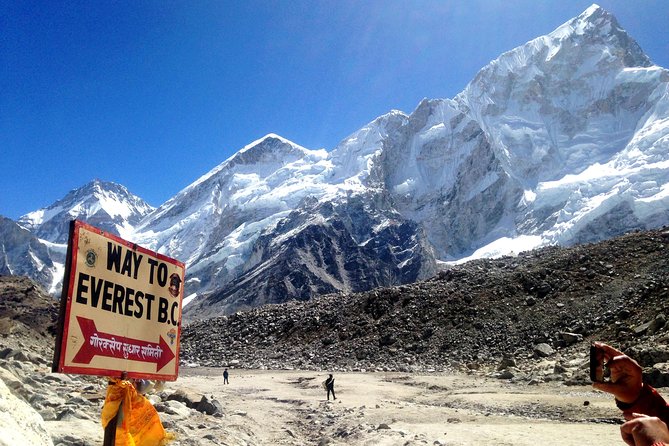
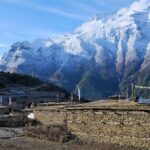
After the Lukla flight, you’ll trek from Lukla to Phakding at about 2,652 m. The listed walking time for that stretch is around 3 hours, which is a good early target. It’s a gentle on-ramp to a trek that later asks more of your lungs.
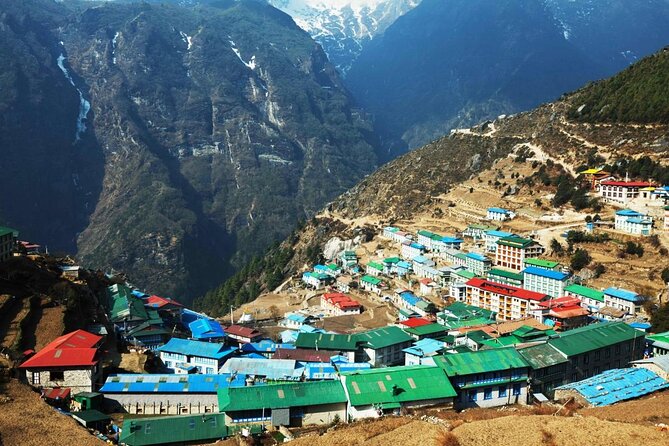
Next comes Phakding to Namche Bazaar. The plan lists 10–12 km and about 5 hours of walking. Namche is where Everest starts to feel real—not just in the distance, but in the number of Sherpa-run lodges, Buddhist monasteries nearby, and the overall sense of being in a working mountain community.
A guide adds value here beyond direction. You’re not just moving from dot to dot; you’re learning what you’re seeing. The trek is designed to teach you about Nepali culture and nature from your guide as you pass through Sherpa villages and monasteries.
Namche to Pangboche to Lobuche: Where Altitude Starts Calling the Shots
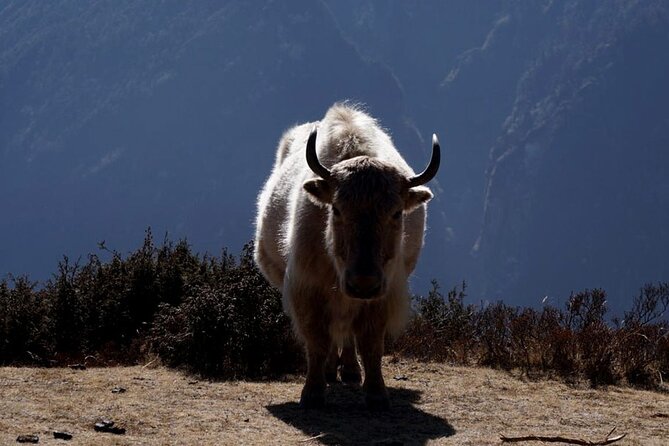
The next leg is Namche to Pangboche, then onward to Lobuche (spelled Labuche/Lobuche in the plan). Each of these segments is listed around 5 hours, which keeps the rhythm consistent: walk, stop, eat, repeat.
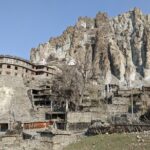
Pangboche is a special kind of stop. It’s known for being a window into Sherpa life and monastery culture while you gradually gain altitude. Even if you don’t memorize every peak name, you’ll feel the shift in air, temperature, and the way the trail seems to narrow into a more Himalayan world.
Then comes the climb toward Lobuche, where the trekking feel changes again. You’ll be going deeper into the Everest National Park zone, and this is where permits and TIMS matter—not as paperwork, but as proof that you’re entering the protected region with proper access.
Practical note: the trek description emphasizes you can go at your own pace without worrying about being too slow or too fast. On these steeper days, that’s not just comfort—it’s a safety habit.
Gorakshep and Everest Base Camp: The One Day That Changes Your Photos
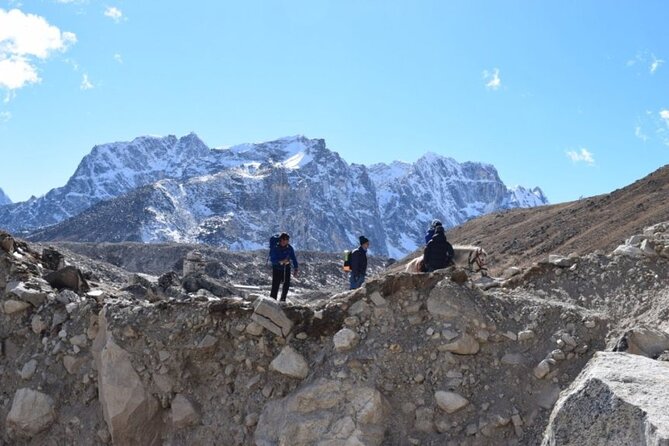
Your next major section is the push toward Gorak Shep and the Everest Base Camp area. The plan lists a day that includes trekking to Gorakshep and the base camp experience, with a typical walking time around 5 hours.
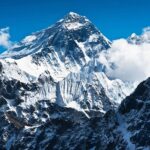
This is usually the day where people talk about Everest in a new way: not as a headline, but as something you stand near. The Base Camp area is a mix of hard-earned achievement and big, stark scenery. You’ll likely feel cold more intensely, even when the daytime sun is doing its job.
The trek’s support matters here. Your guide can help you pace so you don’t burn matches too early. And because you’re not on a technical climb, you’re focusing on steady trekking rather than rope systems, crampons, or complicated gear.
A realistic expectation: the base camp day is emotionally huge, but physically demanding. Your best souvenir won’t be a perfect photo. It’ll be the calm satisfaction of arriving without rushing.
The Return Plan: Same Route, Less Strain, More Perspective
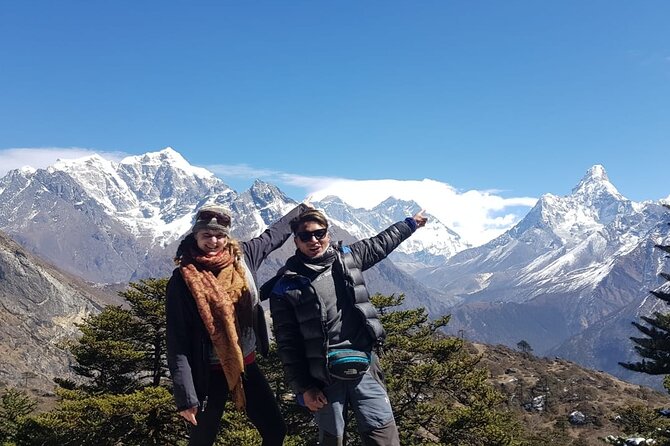
After reaching the base camp area, you’ll trek back through the region. The plan shows a return pattern that brings you toward Pangboche and then back to Namche Bazaar.
When you go downhill, it feels easier, but don’t let it trick you. Descents can be brutal on knees and shins. The guide’s pacing and your own ability to regulate effort—especially on uneven stones—make a big difference.
Later, the plan has you trekking from Namche Bazaar back toward Lukla. Then you’ll fly back to Kathmandu and transfer to the hotel. The listed flight time from Lukla back to Kathmandu is about 35 minutes, which makes the entire week-plus of walking feel unreal.
The best part of the return is mental: you’ve already learned the rhythm of tea-house trekking. You know what a rest stop feels like. You’re not trying to adapt anymore—you’re just letting the mountain world sink in.
How a Typical Trek Day Runs (and Why It’s Well Designed)
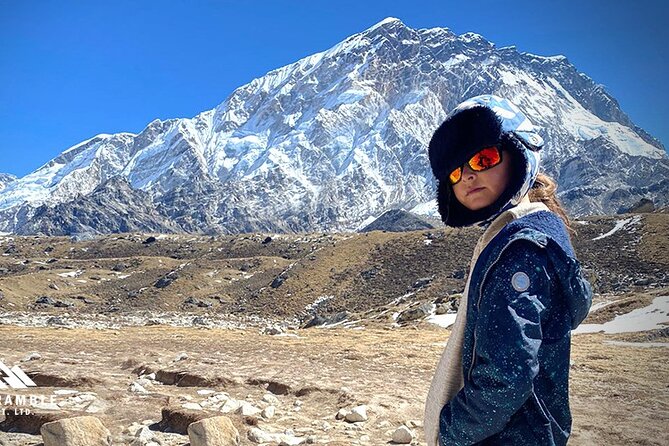
One of the practical strengths here is the routine. Every morning you’ll be greeted around 6 am with wake-up tea. Breakfast is typically around 7 am, then you start walking after a short warm-up.
A typical walking block is described as about 2–3 hours to the lunch camp, with stops and stretching built in. Lunch happens around 12–1 pm for about 40 minutes. Dinner is planned too: you’ll order before 5 pm, and the guide helps set a comfortable group timing.
After dinner, your guide briefs you about what’s next. That kind of clarity reduces stress. When you know what’s coming—how long the day is, what to expect—you spend more energy enjoying the scenery and village life.
There’s also an encouraged cultural touch: your guide may prompt you to visit local Sherpa settlements while you’re around meal prep time. It’s a small shift from just passing through. You start noticing how people live at elevation, not just how they host trekkers.
Guides, Porters, and the Real Safety Advantage of Not Getting Lost
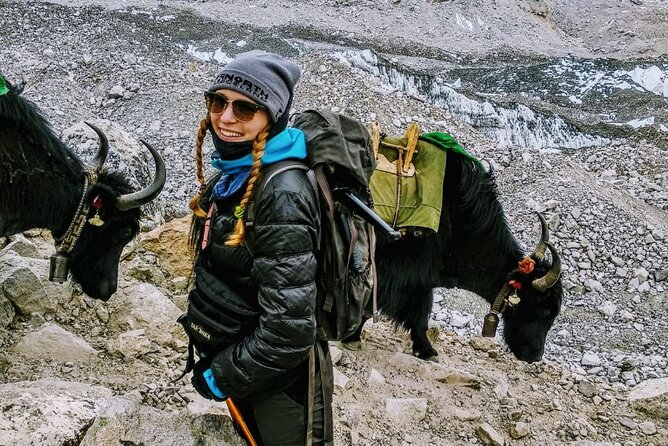
This trek is built around guidance. It’s private, and you’re told it’s designed to trek safely without the risk of getting lost by going with a guide.
You’re also traveling with a government-licensed, English-speaking local guide. If you like learning from people who live the route, you’ll probably enjoy this part. In past experiences with this company’s team, guide names like Sujal, Samir, Krishna, and Hairy come up—each described as helpful, communicative, and supportive.
Porters are part of the plan too. The package includes one porter for luggage, plus one porter for every two trekkers. The luggage limit is stated as not over 18 kg. If you’re traveling solo, porters can be provided depending on your needs (with the company arranging it).
That porter weight rule matters. It’s not about comfort alone; it’s about keeping the trekking load humane for the people carrying your gear.
Food and Water: Tea Houses, Real Menu Choices, and What to Watch
You’ll eat mostly at tea houses during the trek. The plan says meals are included on a full-board basis: breakfast, lunch, and dinner, with the main course included. Lunch is from the tea-house menu along the way, while breakfast and dinner are typically at your lodge.
I like that you’re not stuck with one bland meal option. The menu list includes both Nepali staples like dal bhat and more Western choices like eggs, potatoes, spaghetti, even apple pie and pizza depending on the lodge. You can also choose soups and tea styles: black tea, lemon tea, ginger tea, milk coffee, and more.
Now for the tradeoff. Meat options are mentioned, but you’re discouraged from relying on them in the Everest region for hygiene reasons. That’s common sense in high-altitude trekking where food storage can be tricky. If you want fewer stomach surprises, stick to simpler, freshly prepared meals like soups and vegetable dishes.
On water: water is available everywhere, and the plan notes bottled water costs around $2–3 per liter, or you can use tap water for free with purification pills/tablets. You’ll be given water purification tablets, and the plan suggests bringing a separate proper bottle for hot water because cold water may not be comfortable at altitude.
Gear List Reality: You’ll Need Warmth, Light, and the Right Shoes
This trek isn’t technical, but it’s still cold. Nights can drop to negative temperatures (the plan says normally below freezing at night in season). That means layering isn’t optional.
The gear list you’re given is practical: sunscreen (SPF 40+), sunglasses, warm hat and scarf, a headlamp, and lightweight gloves. For clothing, you’ll want a down or fiber jacket (the company provides rental options if you don’t have your own), plus fleece layers and a rain jacket or poncho.
Footwear matters most on a trekking route like this. The plan emphasizes proper trekking boots and extra socks. Walking poles are optional if you like them, but they can make descents easier on your legs.
One helpful detail: the plan says the company can provide warm down jackets and sleeping bags if you don’t have them. That lowers upfront cost, especially if you’re traveling with limited luggage.
Price and Value for $1,339.20: What’s Included vs. What You Still Pay
At $1,339.20 per person, this trek can feel like a big number until you map what you’re actually getting.
You’re not just paying for a guide. Your price includes:
- Domestic flights to and from Lukla
- Accommodation in trekking lodges
- Most meals during trek days (breakfast, lunch, dinner)
- Everest National Park fees and the TIMS card
- Water purification tablets
Those items add up quickly for people trying to self-book. The value is strongest if you want a private guide and don’t want to spend days coordinating permits, routes, lodge reservations, and flight timing yourself.
What’s not included matters too: visa fee, international flights, travel insurance, and any extra Kathmandu lodging or meals before/after. Also, personal items like hot showers, Wi‑Fi, snacks, alcohol, and drinks are not part of the package.
My take: this price is reasonable if you want less friction and more certainty. If you’re a seasoned organizer who already knows Lukla logistics and wants to handle permits and lodges alone, you might find ways to lower costs. But if you want a smooth path into Everest country, this package is built for that.
Who Should Book This EBC Trek, and Who Should Reconsider
This trek is aimed at moderately fit trekkers. The plan says it’s not a technical trek, so you don’t need crampons, ropes, or oxygen cylinders. You do need stamina for cold weather and rugged terrain with days described around 3–5 hours of hiking.
If you’re the type who likes structure—starting at the same times, eating at planned points, and having someone brief you each night—you’ll probably feel good on this trip.
Consider rethinking if you:
- Are not comfortable with high altitude (the plan notes high-altitude trekking)
- Hate basic lodging conditions in cold mountain regions
- Can’t handle schedule pressure if Lukla flights get delayed
Best time is also a key factor. The plan calls out autumn (mid-September to May) and spring (March to May) as favorable, with clearer mountain views and very cold nights. Go in the right season and the whole experience gets easier to love.
Should You Book This Everest Base Camp Trek?
If you want a private, guide-led Everest Base Camp trek where the heavy logistics are already handled, I’d say yes, with eyes open. The included Lukla flights, permits + TIMS, lodge stays, and full-board meal plan are exactly what reduces stress on a route where altitude already adds enough challenge.
Book it if you value practical support, a team with local expertise, and the freedom to go at your own pace. Skip or reassess if cold nights, possible flight delays, and basic mountain lodging would genuinely ruin the trip for you.
FAQ
What time does the experience start?
The start time is listed as 7:15 am.
Are domestic flights to Lukla included?
Yes. Domestic flights from Kathmandu/Manthali to Lukla and the return are included.
What’s included in the trek besides the guide?
You’ll get trekking lodge accommodation, most meals (breakfast, lunch, dinner main course), Everest National Park fees, the TIMS card, and water purification tablets. Private transportation and an air-conditioned vehicle are also included.
What meals are included?
The package includes breakfast, lunch, and dinner during the trek on a full-board basis. Meals are taken from the tea-house menus along the route.
Do I need permits for this trek?
Yes, Everest National Park fees and the TIMS card are included in the package.
How do you handle drinking water at altitude?
Water purification tablets are provided. Tap water may be available for free, and bottled water is an option but costs extra. The plan also suggests using a separate bottle for hot water.
What kind of lodging should I expect?
You stay in basic trekking lodges during the trek, typically twin-sharing. Bathrooms may be basic, and at higher altitudes you might have to compromise on private attached bathrooms depending on the available facilities.
Is this trek technical climbing?
No. It’s described as a non-technical trek with no climbing skills required, and it should be possible with basic trekking fitness.