REVIEW · MEXICO CITY
Mexico City: Guided Volcano Trek with Lunch
Book on GetYourGuide →Operated by Travesías México · Bookable on GetYourGuide
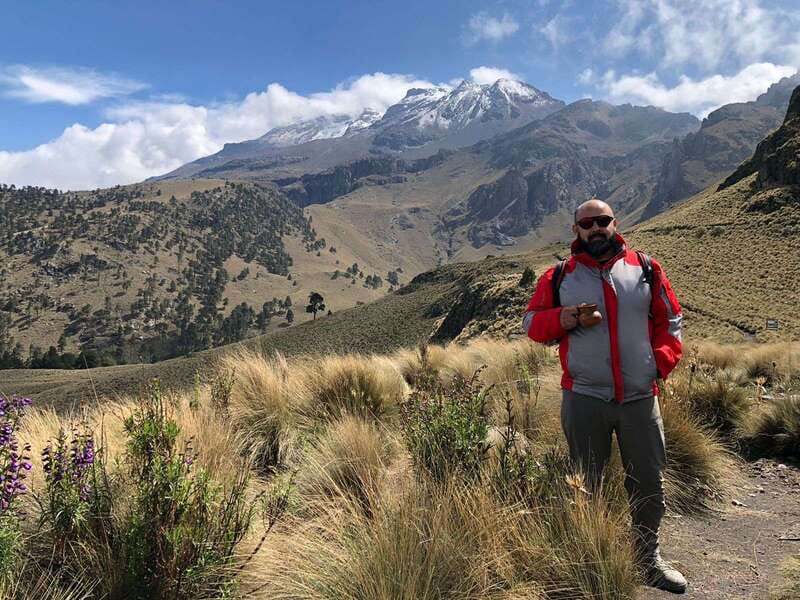
There’s something about volcano air. This guided day hike slips you out of Mexico City and into Iztaccihuatl-Popocatépetl National Park for big views, native plants, and time near active Popocatépetl. I really like that you don’t just stare from afar: you actually walk the paths from Paso de Cortés up toward Cerro Altzomoni, then down through the Amalacaxco Ravine. The only catch is altitude, which can feel tougher than the trail description sounds, especially if you come in straight from sea-level routines.
In practice, this is a 9-hour outing with a small group (up to 13), qualified guides, transport, entrance fees, safety gear, and lunch included. I also like the way the day balances exertion with reward: you earn the views, then you refuel at a traditional market. If you’re thinking of going, plan for a jacket, comfy shoes, and a slower pace than you’d use at home.
In This Review
- Key things that make this trek worth your time
- From Mexico City to Puebla’s Volcano Zone in a Single Day
- The Route You’ll Actually Walk: Paso de Cortés, Altzomoni, and Amalacaxco
- Paso de Cortés: your first big viewpoint
- Cerro Altzomoni: the Popocatépetl moment
- Amalacaxco Ravine: descending through plants and texture
- Back to Paso de Cortés, then toward lunch and the city
- Altitude: Why the Trail Feels Different Than It Looks
- Guides and Small-Group Energy: Names You’ll Hear in the Field
- What You’ll See in the National Park: Volcano Activity and Native Life
- Popocatépetl activity: the “living volcano” factor
- Iztaccíhuatl views: the second half of the day’s story
- Amalacaxco ravine: plants, mushrooms, and “quiet” nature time
- Lunch at the Traditional Market: Why It Feels Like Part of the Experience
- Price and Value: Is $105 a Fair Deal for 9 Hours?
- Timing, Weather, and When You’ll Get the Volcano Views
- What to Pack (and What to Leave at Home)
- Who This Trek Fits Best (and Who Should Skip It)
- Should You Book This Guided Volcano Hike? My Take
- FAQ
- How long is the volcano trek?
- Where do I meet the guide?
- What’s included in the $105 price?
- Is lunch included, and what kind is it?
- What language is the guide available in?
- What should I bring for the hike?
- Is it suitable for everyone?
- Are alcoholic drinks included?
Key things that make this trek worth your time
- Real volcanic viewpoints from Paso de Cortés to Cerro Altzomoni, with a close look at Popocatépetl and fumarole areas
- A route with variety: ascending and descending segments feel different, so the day doesn’t drag
- Nature spotting time in Amalacaxco Ravine, not just a straight line to a single viewpoint
- Small-group pacing with help from guides like Alan, Juan, Bernardo, and Carlos (names show up a lot in the experiences people describe)
- Market lunch after hiking, which feels like the right kind of reward instead of a random stop
From Mexico City to Puebla’s Volcano Zone in a Single Day
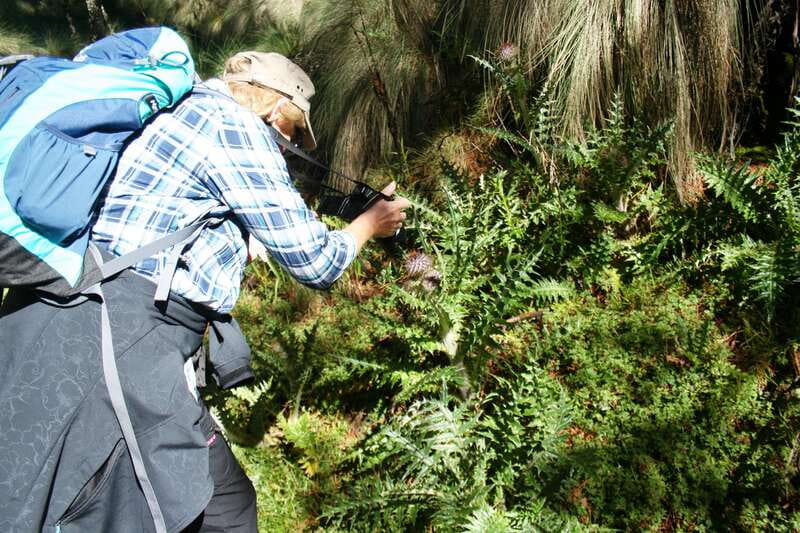
Mexico City can be loud. Even when you love it, after a day or two your brain starts craving quiet. This tour is designed for exactly that feeling: you spend the day in the Iztaccihuatl–Popocatépetl area, where the air changes, the light gets sharper, and you’re surrounded by volcanic terrain instead of traffic.
What makes the day work is the structure. You start from lower viewpoints near Paso de Cortés, then you gradually gain elevation while your guide explains what you’re seeing. You’re not just collecting photos; you’re walking through the park and learning how the landscape connects to volcano activity.
The park name can sound distant and academic, but on the ground it’s simple: you’re seeing two major volcanoes in one region, walking through different zones, and getting a day outdoors that still fits into a Mexico City schedule.
You can also read our reviews of more tours and experiences in Mexico City.
The Route You’ll Actually Walk: Paso de Cortés, Altzomoni, and Amalacaxco
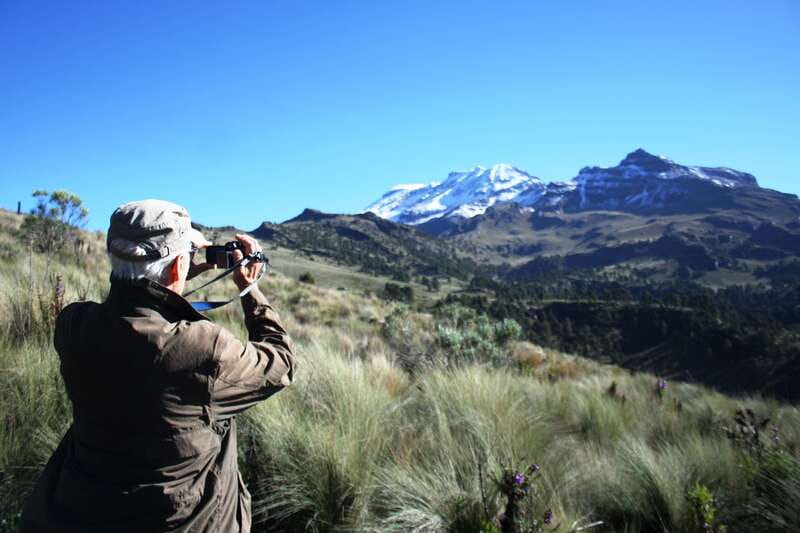
The tour route is built around several distinct “chapters,” and that helps you enjoy the day without feeling like you’re always fighting the next uphill step.
Paso de Cortés: your first big viewpoint
Most days begin with an exploration of the lower parts of the volcano area at Paso de Cortés. This matters because it gives you time to get your bearings and settle in before things get steeper. It’s also where the views start to feel real, since you can see how the volcanoes dominate the horizon.
Cerro Altzomoni: the Popocatépetl moment
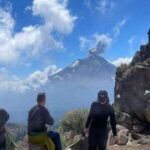
From there, you follow your guide as the trek climbs toward Cerro Altzomoni. This is the section people remember because it’s where you can marvel at Popocatépetl and the fumarole activity. Even when conditions limit visibility, this is the part of the hike that anchors the day’s theme: volcano behavior in a landscape you can reach on foot.
One helpful tip from the way guides describe the day: don’t rush this segment. The altitude isn’t just a number; it changes how your breathing feels. The guides on this tour are used to pacing people so the experience stays enjoyable, not punishing.
Amalacaxco Ravine: descending through plants and texture
After Cerro Altzomoni, you descend toward Amalacaxco Ravine. This is a smart change of pace. Instead of constant skyline staring, you shift your attention to the ground-level details: native flora, the feel of the ravine, and the kind of textures you miss if you only look for peaks.
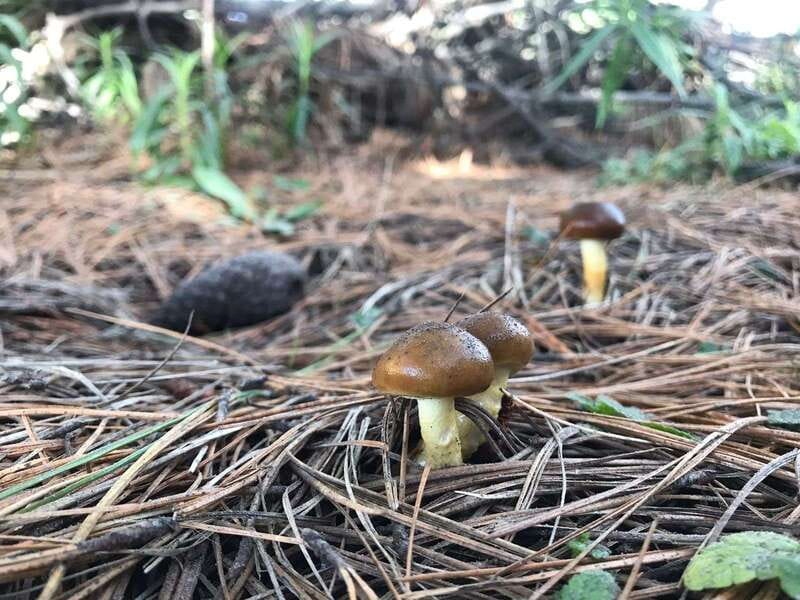
Several descriptions mention spotting plants, mushrooms, and general life around the trail. It’s also where the day starts to feel more like a mountain walk and less like a mission to reach a point.
Back to Paso de Cortés, then toward lunch and the city
Once you return toward Paso de Cortés, you head back on transport. On the way, there’s a stop at a traditional market for lunch—this is where the “hike all day” energy turns into a settled, local-food moment.
Altitude: Why the Trail Feels Different Than It Looks
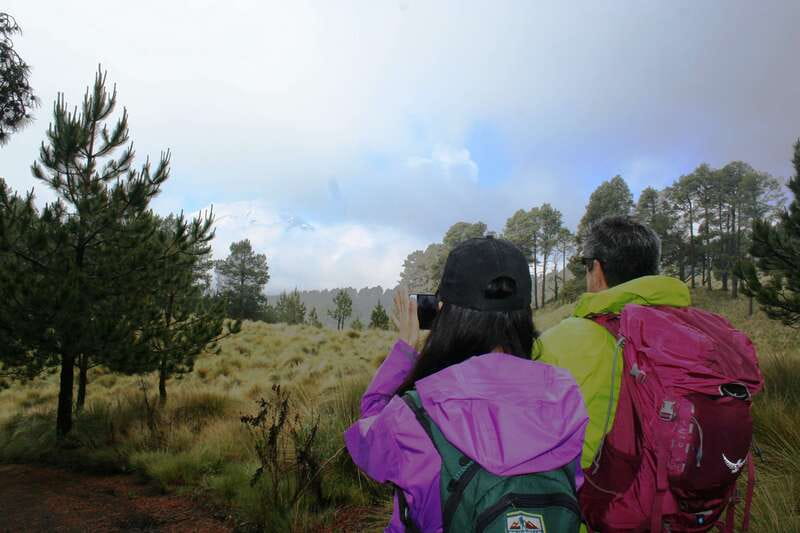
Here’s the honest part: the trek may not be a technical climbing challenge, but the elevation can still make it tough.
Even when the path is straightforward, you’ll likely notice breathiness and slower legs compared with normal hiking at lower altitudes. Several people describe the hike as not overly technical, but still a real workout due to elevation. One participant even called out that it’s doable for average fitness, yet you absolutely feel the altitude.
So what should you do with that information?
- Use a pace that lets you talk in short sentences.
- Plan for breaks without feeling like you’re “behind.”
- If you’re coming straight from sea level, don’t treat the first day of your trip as a guaranteed easy win.
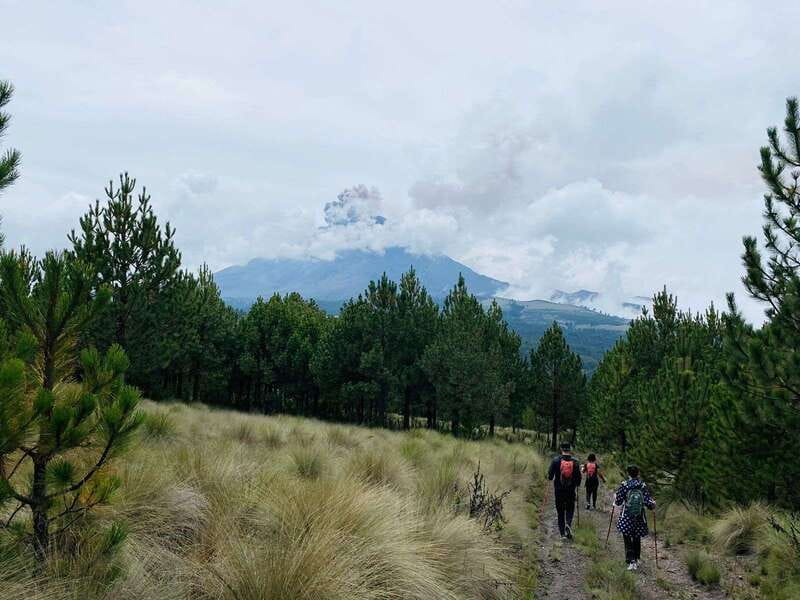
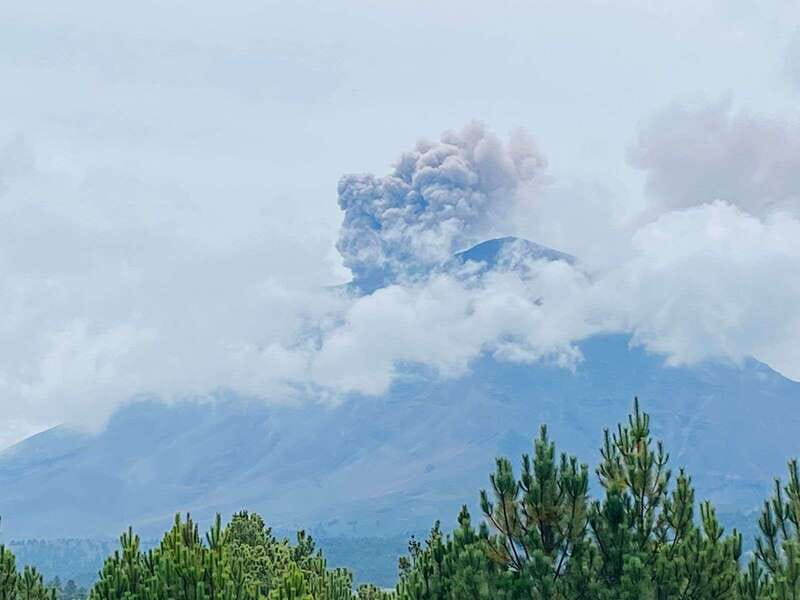
Also, weather plays a role. When clouds roll in, volcano views can disappear. One person described a mystic, cloud-filled landscape even when they couldn’t see the volcanoes clearly. The hike was still worthwhile because the terrain and atmosphere remained impressive.
Guides and Small-Group Energy: Names You’ll Hear in the Field
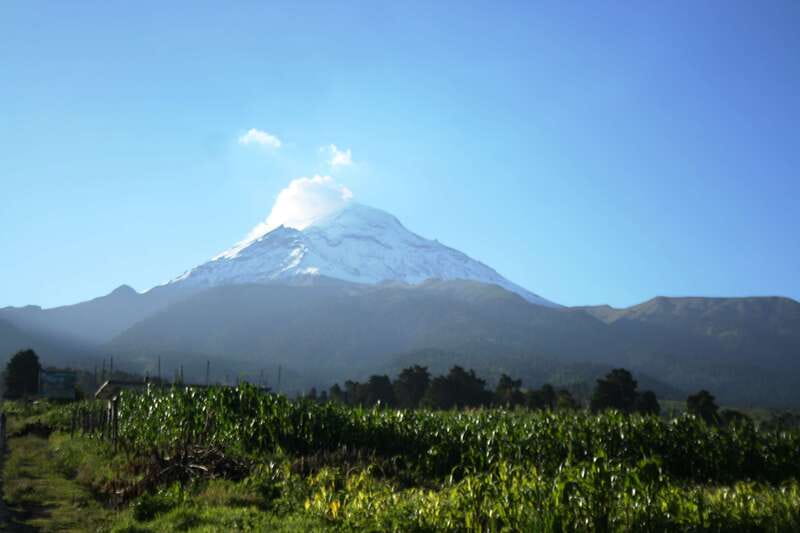
This is a small group experience (up to 13), and that changes how the day feels. You get a real human guide relationship, not a mass-tour shuffle. You’re able to ask questions, slow down when needed, and generally feel looked after.
The names that come up frequently in people’s experiences include Alan, Juan, Bernardo, Carlos, Albert, Cesar, and Marco. Different guides, same vibe: friendly, attentive, and focused on keeping the group comfortable while still getting you to the important viewpoints.
A few examples that help you understand what “good guiding” means here:
- Alan and others often build in snack and drink moments so you’re not running low mid-hike.
- Guides like Bernardo are described as adjusting pace for different fitness levels, including when groups have a mix of abilities.
- Juan is mentioned as knowledgeable and making sure everyone is comfortable.
- Several accounts emphasize safety and confidence in the mountains, not just facts shouted from the sidewalk.
If you’re the type who likes learning while moving, this tour gives you that chance without turning the day into a lecture. You’ll get explanations about what you see at stops, plus guide attention when conditions change.
What You’ll See in the National Park: Volcano Activity and Native Life
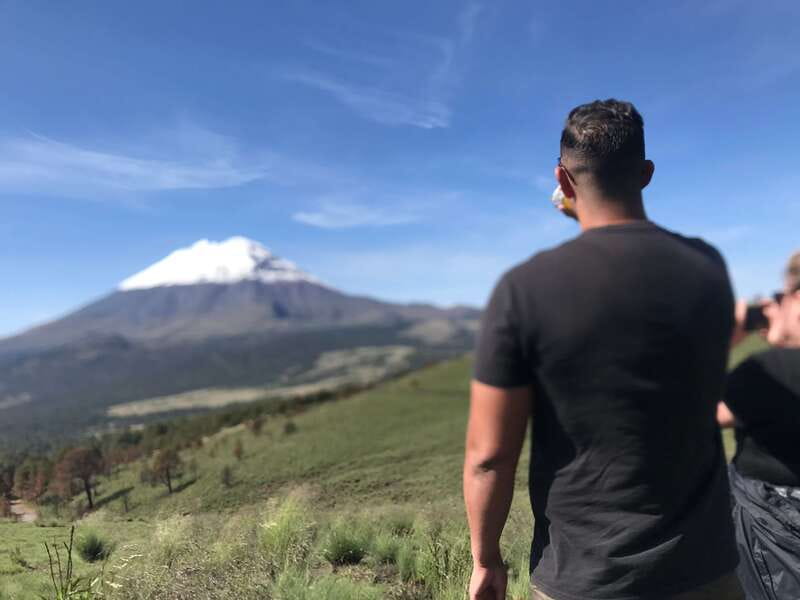
Let’s talk about the two volcanoes, because this is the main reason people choose this day trip.
Popocatépetl activity: the “living volcano” factor
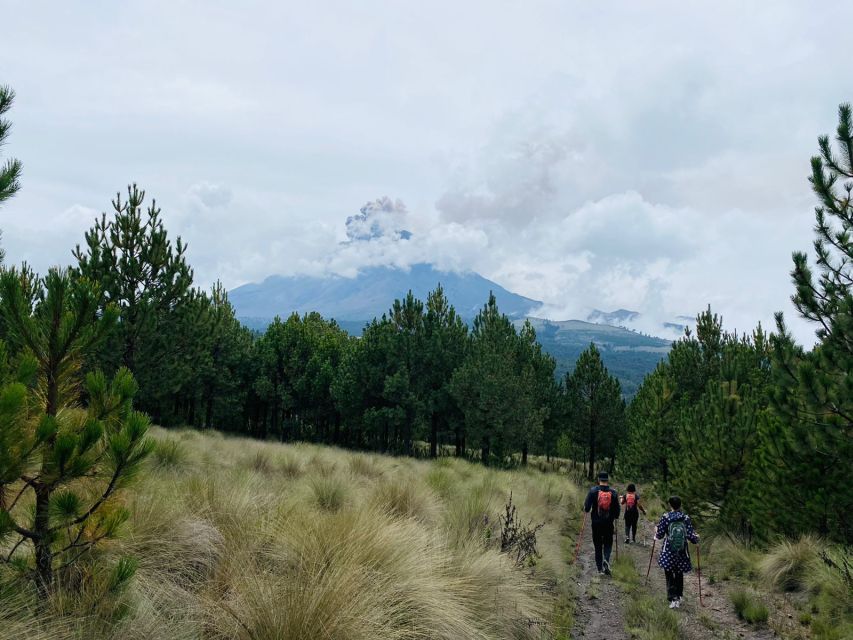
Popocatépetl is active, and that’s part of the draw. Some descriptions mention seeing Popocatépetl release a cloud of ash. Others mention seeing smoke and small eruptions depending on visibility that day. Even when you don’t get dramatic activity, the fumarole area at Cerro Altzomoni is a strong, memorable stop.
I like this aspect because it’s not just a view. You’re learning how activity shows up in real time in a landscape you can walk through.
Iztaccíhuatl views: the second half of the day’s story
You also get views of Iztaccihuatl—often as you move between viewpoints and gain elevation. Some people report walking in a way that gives extra attention to Iztaccíhuatl as the route changes from ascent to descent.
The best advice here is simple: don’t treat the day like a single-photo objective. You want the volcanoes as a background that slowly grows more impressive as you gain elevation and reposition.
Amalacaxco ravine: plants, mushrooms, and “quiet” nature time
One reason this tour feels different from a basic hike is the attention to native life. Guides point out succulents, mushrooms, and general vegetation. If you like small details, you’ll enjoy this more than you might expect.
And yes, wildlife spotting is never guaranteed, but the habitat is real. If you’re the patient type, you’ll likely spend time looking down at what’s around you instead of only looking at the summit line.
Lunch at the Traditional Market: Why It Feels Like Part of the Experience
After hiking, you’ll want food that feels local and satisfying, not just something to fill time. This tour includes a lunch at a traditional market stop along the return route.
What’s great is that lunch isn’t an afterthought. It’s timed after the hiking effort, so you’re hungry in the good way. People describe the market lunch as incredible, with traditional dishes like tacos and quesadillas. One participant also mentioned Cafe de Olla, a classic Mexican coffee drink.
A small practical note: alcoholic drinks are not included. That’s normal for a hiking day, and it keeps the energy safer and more focused.
If you have dietary needs, you should check with the operator ahead of time, but you can also plan to keep lunch flexible since market foods can vary by day and location.
Price and Value: Is $105 a Fair Deal for 9 Hours?
At $105 per person for a 9-hour guided outing, this isn’t a throwaway activity. But the price makes sense when you break down what’s included:
- transportation
- qualified guides
- entrance fees
- rucksack rental
- safety equipment
- lunch
- accident insurance
That’s a lot of overhead baked in, especially rucksack rental and safety gear. For me, the value is strongest if you want a stress-free day: someone else handles timing, route coordination, and the logistics of being out in a high-altitude national park.
Where value gets even better is in the small-group feel. Up to 13 people means less waiting around, more attention, and a better chance of getting help when the group slows down.
The only caution on value is comfort. One person mentioned the van didn’t have air conditioning. That doesn’t erase the overall value, but it’s something to keep in mind if you’re sensitive to heat during transit.
Timing, Weather, and When You’ll Get the Volcano Views
This trek is most rewarding on clear weather. When clouds cooperate, the volcano views get crisp and dramatic. When they don’t, you can still enjoy the hike, but the “show” can be muted.
A few patterns from real experiences:
- Some days have clear views early on, with volcanoes visible from the first viewpoint.
- As the day goes on, clouds can move in and hide portions of the scenery.
- Even with clouds, people describe the landscape as impressive and the hike as worth doing.
So how do you plan smartly?
Bring your expectations down a notch and your enthusiasm up. Treat volcano visibility as a bonus. The hike itself, the native plant areas, and the fumarole stop are still major parts of why this tour exists.
What to Pack (and What to Leave at Home)
The tour provides rucksack rental and safety equipment, but you bring the basics. Based on the stated packing list, I’d treat these as non-negotiables:
- Hiking shoes: traction matters on uneven ground
- Sunscreen: altitude and sun can surprise you
- Jacket: conditions near the park can cool down quickly
- Comfortable clothes you can move in
- Gloves: your hands may feel chilly on higher, wind-exposed sections
I’d also add one practical idea from the way people describe the hike: plan for breaks, and don’t assume you’ll be able to “power through.” Good hiking shoes plus layers are what make the pace feel manageable.
Who This Trek Fits Best (and Who Should Skip It)
This isn’t for everyone. The tour is not suitable for:
- pregnant women
- people with back problems
- people with mobility impairments
- people with heart problems
- people with haemophilia
That’s important because high altitude and long walking distances can strain your body even when the trail looks simple. If any of those apply, it’s worth choosing a different style of day trip with less exertion.
Who this is perfect for:
- you want nature outside the city without committing to a multi-day trek
- you can handle a guided hike with some uphill sections
- you want a chance to see Popocatépetl from a viewpoint near Cerro Altzomoni
- you like learning from a guide while you walk
If you’re nervous about the hike, that’s also common. Multiple accounts mention that guides were patient and helped people keep going at their pace. One description even mentions a certificate after finishing, which can turn nerves into satisfaction.
Should You Book This Guided Volcano Hike? My Take
Book it if you want a real change of scenery, not just a short escape. I like that this tour is structured around three meaningful moments: the viewpoint at Paso de Cortés, the Popocatépetl stop at Cerro Altzomoni, and the plant-focused walk through Amalacaxco Ravine. Add a market lunch after, and it becomes a full-day reset that still fits into your Mexico City plan.
Don’t book it if you’re expecting an easy, flat walk. The biggest challenge is altitude, not technical climbing. If you’re sensitive to elevation or you don’t handle steep changes well, look for a gentler option instead.
If you’re unsure, I’d make one decision rule: arrive with realistic expectations, pack layers and proper shoes, and let your guide set the pace. Do that, and you’ll get a day that feels both active and genuinely different from the city.
FAQ
How long is the volcano trek?
The experience runs for 9 hours total.
Where do I meet the guide?
Meet at México Travesías, in front of the Michoacan Market.
What’s included in the $105 price?
Transportation, qualified guides, entrance fees, rucksack rental, safety equipment, lunch, and accident insurance are included.
Is lunch included, and what kind is it?
Yes. You’ll have lunch at a traditional market during the return trip.
What language is the guide available in?
The live tour guide speaks English and Spanish.
What should I bring for the hike?
You should bring hiking shoes, sunscreen, a jacket, comfortable clothes, and gloves.
Is it suitable for everyone?
It is not suitable for pregnant women, people with back problems, people with mobility impairments, people with heart problems, or people with haemophilia.
Are alcoholic drinks included?
No. Alcoholic drinks are not included.