REVIEW · LANZAROTE
Costa Teguise : Underwater Sea Trek Experience
Book on GetYourGuide →Operated by Native Diving Lanzarote · Bookable on GetYourGuide
Walking on the sea floor feels like zero-g magic. The Underwater Sea Trek in Costa Teguise lets you walk beneath the surface with a helmet and air system, and I love the zero-gravity sensation once you’re properly set.
What really sells it: you’re not just watching fish from a distance—you’re moving with them around you.
I also love the small group size, which makes the guides easy to track and quick to respond if you feel unsure. On the day I looked into, I saw names like Jose Luis, Victor, and Danny tied to the same thing people rave about: clear instruction, a friendly vibe, and constant check-ins.
One possible drawback: no cameras are allowed, and the experience leans into staff photos and videos. If you’re the type who wants quiet, slow staring time, you might feel slightly time-pressed by the photo moments.
In This Review
- Key takeaways before you go
- How the Sea Trek rig works in plain terms
- The moon-walk feeling on Costa Teguise’s seabed
- Guides and safety: why the experience feels easy
- What you’ll see underwater (even when visibility isn’t perfect)
- Photo and video package: camera-free, but not memory-free
- Duration, group size, and pacing (30 minutes with up to 8 people)
- Price and value: is $88 for 30 minutes reasonable?
- Who should book this sea trek (and who should skip it)
- Language support: you can relax if you don’t speak Spanish
- Quick practical tips so you enjoy every minute
- Should you book the Underwater Sea Trek in Costa Teguise?
- FAQ
- How long is the Underwater Sea Trek experience in Costa Teguise?
- How much does it cost?
- Where do I meet, and how early should I arrive?
- What’s the maximum group size?
- Do I get equipment?
- Are cameras allowed during the trek?
- What languages do the instructors speak?
- What are the age requirements?
- Is the trek suitable for pregnant women or people with recent surgeries?
- What’s the cancellation policy?
Key takeaways before you go
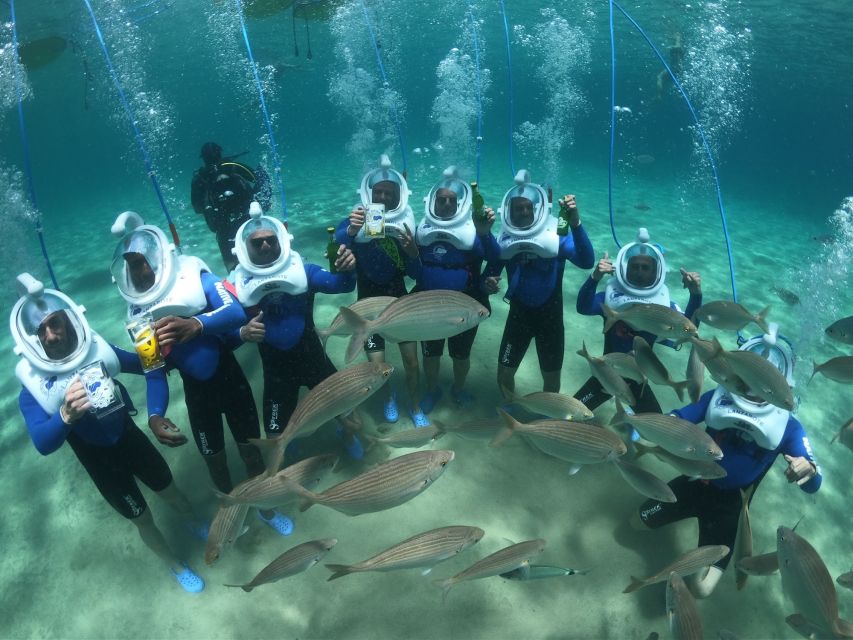
- Zero-gravity style walking under a panoramic helmet, using an air system from the surface
- Guides stay hands-on so beginners feel safe and supported throughout
- Close-up marine life you can see clearly as you step along the seabed
- Small groups (up to 8 participants) make the pacing feel personal
- Photo and video package is a big part of the experience since cameras aren’t allowed
- Not for everyone: limited mobility, recent surgeries, pregnancy, and kids under 8 are excluded
How the Sea Trek rig works in plain terms
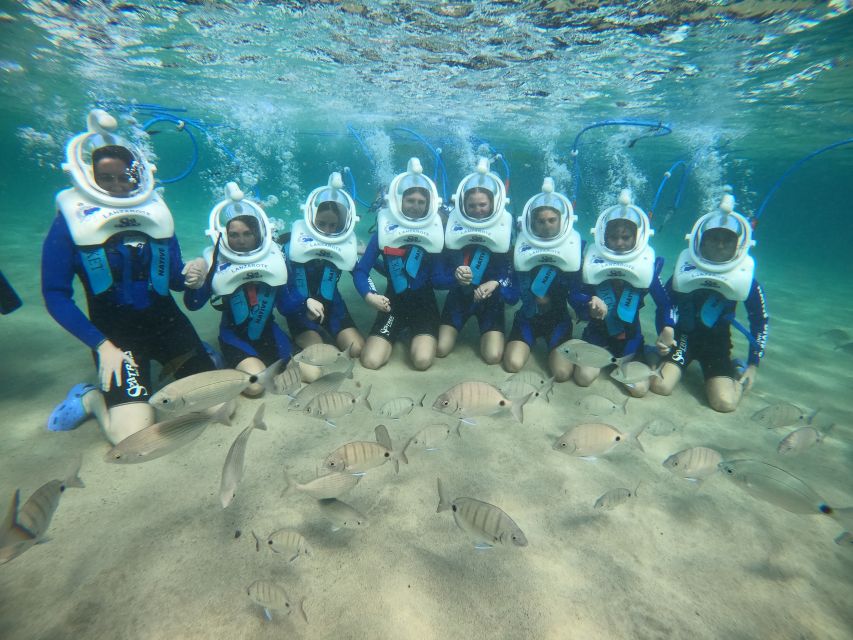
This isn’t snorkeling and it isn’t full scuba. You’ll use a helmet with panoramic vision, plus an air supply that starts on a small boat above you. A hose connects the surface air bottle to your helmet so you can breathe comfortably while you walk on the sea floor.
Here’s the part that makes it feel unreal: the water helps support the weight of the helmet. In practice, that means it doesn’t feel like you’re carrying a heavy helmet on your head all by yourself. It also changes your movement. Instead of fighting buoyancy or gear pressure, you mostly focus on balance, slow steps, and looking around.
The big “wow” is how your body adjusts to the sensation of walking underwater. You’re still on the seabed, but the feeling is more like a controlled, moon-walk float than a hard swim.
You can also read our reviews of more tours and experiences in Lanzarote.
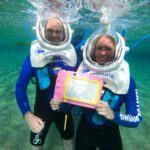
The moon-walk feeling on Costa Teguise’s seabed
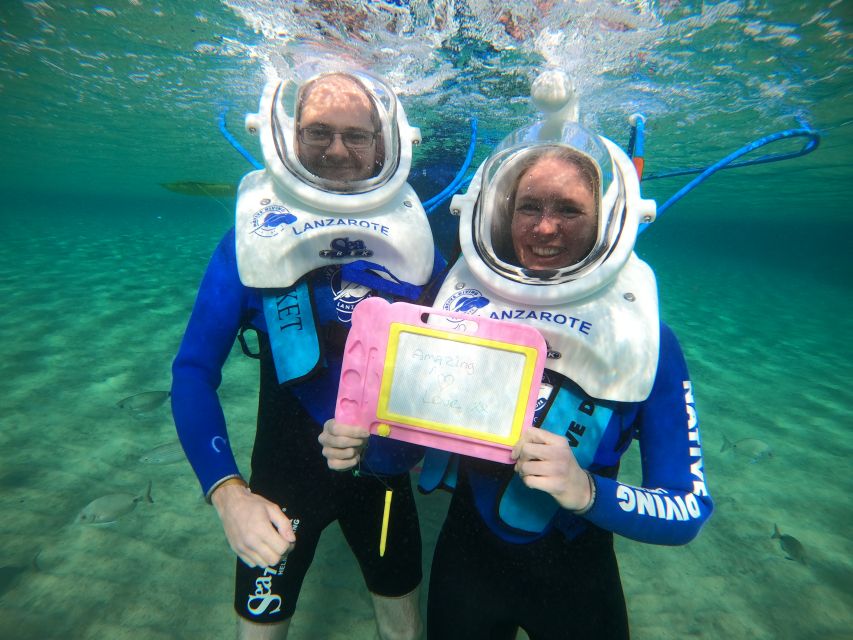
The point of the Underwater Sea Trek experience is simple: you walk. You’re surrounded by marine life while you move step-by-step along the sea floor, and the system is designed to keep you stable so you can actually enjoy what’s around you.
Most people expect “walking underwater” to be awkward. It isn’t marketed that way, and the feedback I reviewed points to the same theme: it’s not scary for beginners. If you’re a non-swimmer, you still have a clear structure to follow and a team watching you closely, which matters more than you’d think.
Timing matters too. The total experience is 30 minutes. That’s long enough to get acclimated and still feel like you really did something—not just a quick dip and out. The tradeoff is you’ll likely spend portions of that time getting set up, then following the route and photo prompts.
Guides and safety: why the experience feels easy
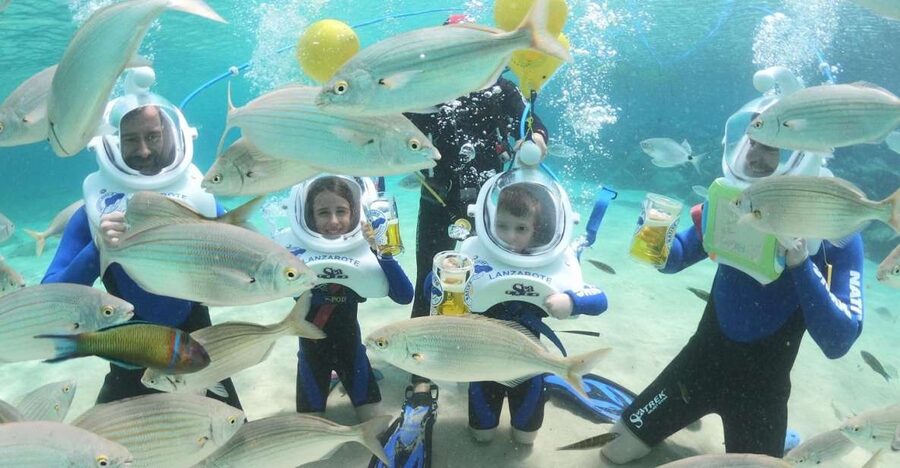
A sea trek works only if instruction is clear and constant. That’s what consistently comes through in the experiences: guides explain what to do before you get in, they keep an eye on each person, and they keep the tone friendly.
Jose Luis and his team come up repeatedly as warm, welcoming, and good at putting people at ease. Other instructors named in feedback include Victor and Danny. Across the stories, the pattern is the same: they’re attentive without hovering, and they use humor to keep the mood light.
If you worry about safety, this is where your decision should get confident. Multiple accounts mention that the helmet setup feels manageable and that the team checks on participants throughout the trek. That’s especially important if you’re bringing kids, anyone anxious about new experiences, or someone who hasn’t done anything like this before.
What you’ll see underwater (even when visibility isn’t perfect)
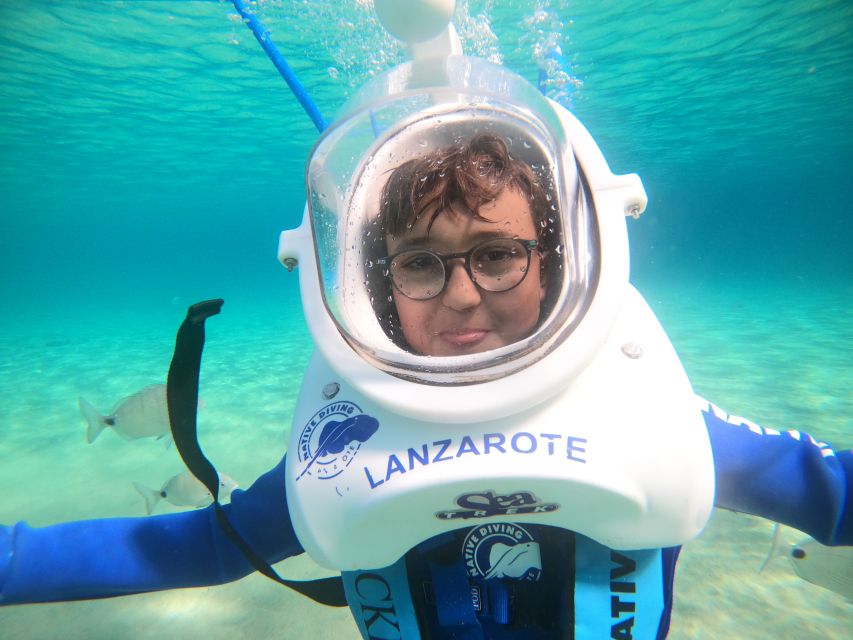
You’re going to be surrounded by fish and underwater creatures as you walk. The whole setup is meant to put you at eye level with marine life, with panoramic viewing so you can look around without constantly turning your body.
One helpful reality check: visibility can change. For example, after storms, some people reported limited visibility, but still lots of fish close by and a great overall experience. That tells you something important: even when the ocean isn’t at its absolute clearest, the trek still delivers the “walking with sea life” feel.
Also, you may get moments to interact with sea life—some feedback mentions holding sea creatures as part of the experience. That doesn’t mean it’s guaranteed for every trek, but it’s clearly part of how the activity sometimes gets described, so plan on the possibility of hands-on encounters (and follow the guide’s instructions instantly if it happens).
Photo and video package: camera-free, but not memory-free
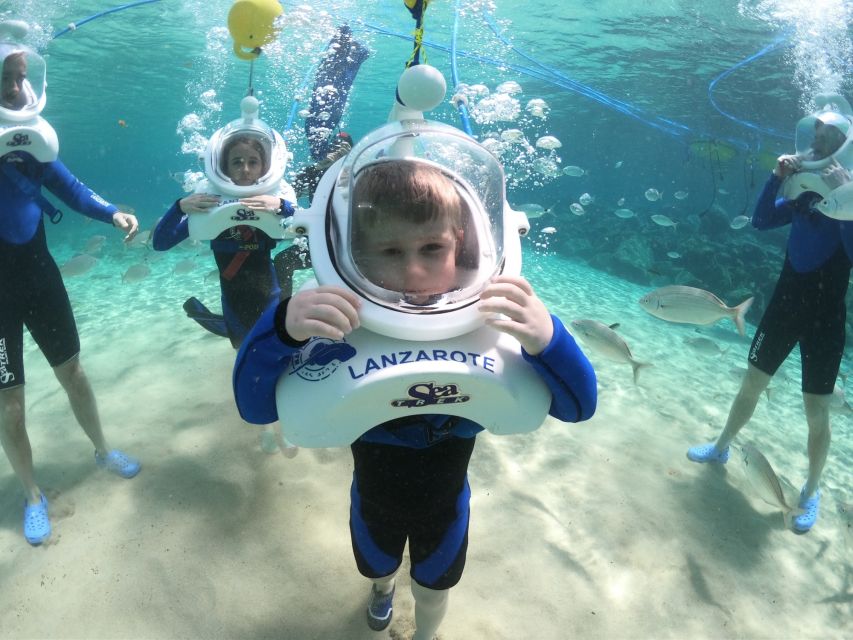
Here’s the key rule: cameras aren’t allowed. So if you want photos or videos, you’ll rely on the staff package offered at the end.
In the accounts I reviewed, the photo moments are a big part of the experience. Many people say the staff photos and videos are excellent and worth the extra cost, with one commonly mentioned price around €25. And several mention that the package includes lots of images, even underwater.
There are two sides to this coin:
- The photo package can be a convenience win. You don’t have to worry about your own underwater camera handling, which is hard to do with this gear.
- Some people feel the trek becomes somewhat photo-focused, and they wanted a bit more time just enjoying the surroundings.
My practical take: if you like having professional underwater shots and don’t mind having a few moments directed, the package can be money well spent. If you prefer “hands off, let me stare at fish in peace,” go into it knowing you’ll likely be photographed more than you expect.

Duration, group size, and pacing (30 minutes with up to 8 people)
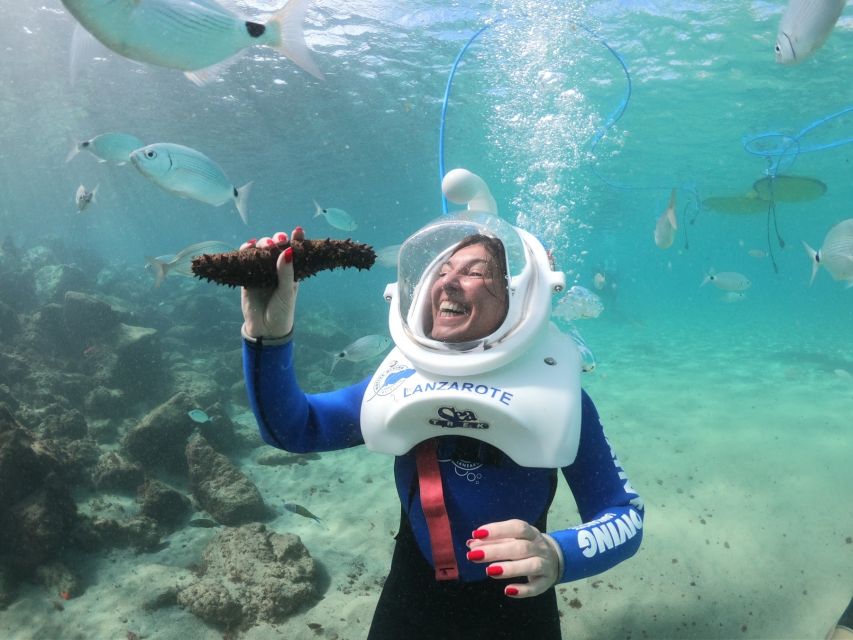
The experience lasts 30 minutes, and the group is limited to 8 participants. Those two details heavily shape the vibe.
With a small group, you’re not stuck behind slower participants, and the guides can pay attention to everyone without turning the trek into a shuffle. For families, this matters a lot because kids move differently and may need extra reassurance. Feedback also mentions guides being patient and attentive—especially helpful when someone in your group is nervous.
The pacing is structured. You’ll get guidance, then you’ll walk, look around, and follow the flow. It’s not a free-roam underwater wander; it’s a guided route designed to keep you safe and keep you seeing marine life efficiently.
Price and value: is $88 for 30 minutes reasonable?
At about $88 per person for a 30-minute sea trek, the best way to judge value is to compare what you’re paying for: a specialized helmet system, staff guidance, safety monitoring, and a unique “walk on the seabed” experience.
You’re not just getting access to water. You’re getting equipment (provided) and trained help guiding you through the steps. That’s a big reason the activity costs more than typical beach time or standard tours. Also, because the experience is short, you’re essentially paying for intensity: a short window where everything is controlled so you can enjoy the effect.
The other factor is the add-on cost for photos and videos. Pictures and videos aren’t included, so you’ll likely decide at the end whether to buy. Reviews suggest the staff package is optional but popular, and one person said it felt worth buying because it captures moments you’d otherwise struggle to recreate.
So is it a fair deal? For many people, yes—especially first-timers, non-swimmers, and families who want a guided, memorable underwater activity without complicated gear or advanced training.
Who should book this sea trek (and who should skip it)
This experience is designed for comfort and confidence, but it has clear boundaries.
It’s not recommended for:
- people with limited mobility
- people with recent surgeries
- pregnant women
And it’s also not suitable for children under 8 (minimum age is 8).
Who it’s especially good for:
- Beginners who’ve never done anything like this underwater
- Families looking for a shared, high-impact activity
- People who want a guided “hands-on” style encounter with marine life without needing swimming skills
If you’re unsure about your comfort level, pay attention to the “not suitable” list. This is one of those activities where being able to follow instructions and move safely matters. If mobility or health concerns apply, don’t gamble—pick something on land where you can enjoy your trip without restrictions.
Language support: you can relax if you don’t speak Spanish
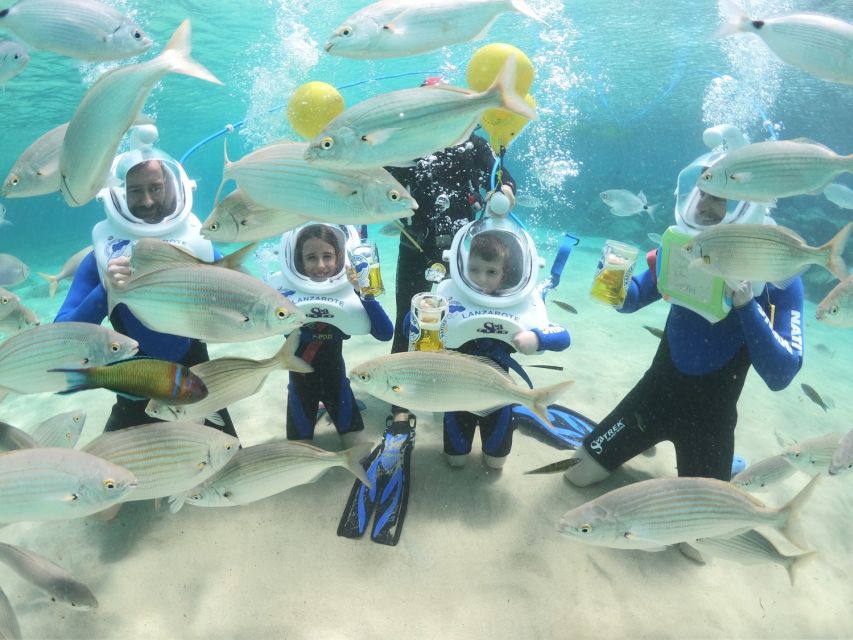
You’re not stuck with one language. The instructor team supports English, Spanish, French, Italian, Portuguese, and German. That matters in a safety-first activity where you want to understand the how-to and the do/don’t quickly.
If you’re traveling with a mixed group, this language coverage helps make the briefing smoother for everyone. It’s also a comfort factor if someone in your group gets anxious with new environments—they can understand what’s happening.
Quick practical tips so you enjoy every minute
Based on what people emphasized in their experiences, here are a few practical points that help you get the most from the trek:
- Show up early enough to settle. The meeting point is 15 minutes before the starting time, and that extra time lets the team get you kitted and ready without stress.
- Don’t assume you’ll be weightless. The helmet weight is supported by the water, but you’ll still need to move slowly and listen for guidance.
- If you want photos, budget mentally. Since cameras aren’t allowed, decide in advance whether you’ll likely buy the photo/video package after.
- If you’re prone to anxiety, treat the briefing as your game plan. Multiple stories mention that the instructions are detailed and confidence-building—especially helpful for kids.
- If visibility is reduced due to weather, your mindset can help. Some accounts mention limited visibility after storms, but the trek still works because you’re right there with the fish.
Should you book the Underwater Sea Trek in Costa Teguise?
Book it if you want a rare, guided underwater experience where you can actually walk on the sea floor and feel the zero-g style sensation. It’s a great choice for first-timers, families, and non-swimmers who want structure, safety, and close-up marine life.
Skip it if any of the listed restrictions apply—limited mobility, recent surgeries, pregnancy, or kids under 8. Also consider the camera tradeoff: if you strongly dislike photo-focused activities and you prefer to document your own trip, you’ll have to accept that this one is staff-photo driven.
If you match the target audience and you’re curious about what the moon-walk feeling is like, this is the kind of Lanzarote activity that tends to turn into a real souvenir memory—especially when the guides keep the vibe friendly and you get to look straight into the marine world around you.
FAQ
How long is the Underwater Sea Trek experience in Costa Teguise?
The experience lasts 30 minutes.
How much does it cost?
The listed price is $88 per person.
Where do I meet, and how early should I arrive?
You should arrive at the meeting point 15 minutes before the starting time.
What’s the maximum group size?
The group is limited to 8 participants.
Do I get equipment?
Yes. Equipment use is included.
Are cameras allowed during the trek?
No. Cameras are not allowed.
What languages do the instructors speak?
Instructors are available in English, Spanish, French, Italian, Portuguese, and German.
What are the age requirements?
The minimum age is 8. Children under 8 are not permitted.
Is the trek suitable for pregnant women or people with recent surgeries?
No. It is not suitable for pregnant women, and it is not recommended for people with recent surgeries.
What’s the cancellation policy?
Free cancellation is available up to 24 hours in advance for a full refund.