REVIEW · SANTA MARTA
Santa Marta: Multi-Day Trek to The Lost City
Book on GetYourGuide →Operated by Baquianos Travel · Bookable on GetYourGuide
Santa Marta to the Lost City is a real workout in the jungle. What makes it special is that you’re not just walking to a viewpoint you’re following the Sierra Nevada trail toward an ancient city complex with terraces and plazas, while your guide explains the living indigenous context behind the Tayrona and other ancestral peoples. I love two things most: the professional guide team (often with Spanish + English support) and the way the route builds in time to meet and understand indigenous communities, not only ruins. The main drawback to consider is simple: this trek is physically tough, in warm, humid weather with steep sections and slippery mud.
Part of the appeal is that it’s run as a small-group experience, capped at 15 people. You’ll sleep in hammocks or beds with mosquito nets, and the camps have electricity plus toilets and showers, which makes the multi-day grind feel more manageable. You also get accident insurance, which matters on a trail with river crossings and lots of humidity.
Finally, the pacing depends on whether you choose a 4-, 5-, or 6-day version. You’ll start with a 3-hour 4WD ride to El Mamey, then you’re on foot for days—so pack smart for heat, rain at sunset, and that daily “my legs are not convinced” feeling.
In This Review
- Key things that make this Lost City trek worth your time
- Why the Lost City feels different in the Sierra Nevada
- Getting to El Mamey: the 4WD start that sets your expectations
- 4, 5, or 6 days: how the pacing actually changes
- Day 1 in practice: Las Tres Cruces, fruit stops, and first-camp reset
- Day 2: Wiwa camp, Buritaca River, and the Mutanyi community walk
- Day 3: the 1,200 steps to the Lost City, and why timing matters
- Day 4 and Day 5: the return that still includes real moments
- Jungle camps you can actually handle: hammocks, nets, and shower time
- Food and hydration: what’s included, and what you should watch
- Price of $713: when it feels fair (and when to question it)
- Safety, weather, and packing: what actually changes your day
- Your guide makes the difference: names to look for
- Who should book this Santa Marta Lost City trek
- Should you book this Lost City trek from Santa Marta?
- FAQ
- How many days is the Santa Marta trek to the Lost City?
- What’s included in the price?
- What kind of accommodation do you get?
- What language will the guide and translator speak?
- What should you bring, and what’s not allowed?
- Is pickup included from Santa Marta hotels?
Key things that make this Lost City trek worth your time
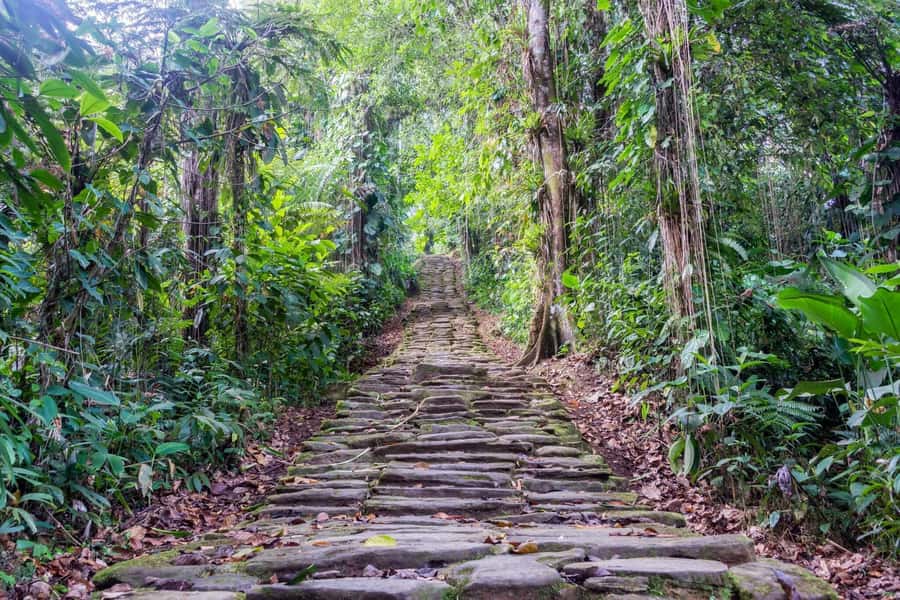
- 1,200 stone steps to the Lost City: the big highlight day is a steep climb built by Tayrona people.
- 169 terraces, tiled roads, and circular plazas: the ruins feel engineered and deliberate, not random rock piles.
- Small group (max 15): you’ll spend more time with your guide and less time waiting around.
- Wiwa and Kogui cultural stops: you’ll learn through interaction around river life and community spaces.
- Camps with electricity, toilets, and showers: jungle camping without the total misery.
- Guide support in Spanish and English: interpreters and guides can make the stories land clearly.
Why the Lost City feels different in the Sierra Nevada
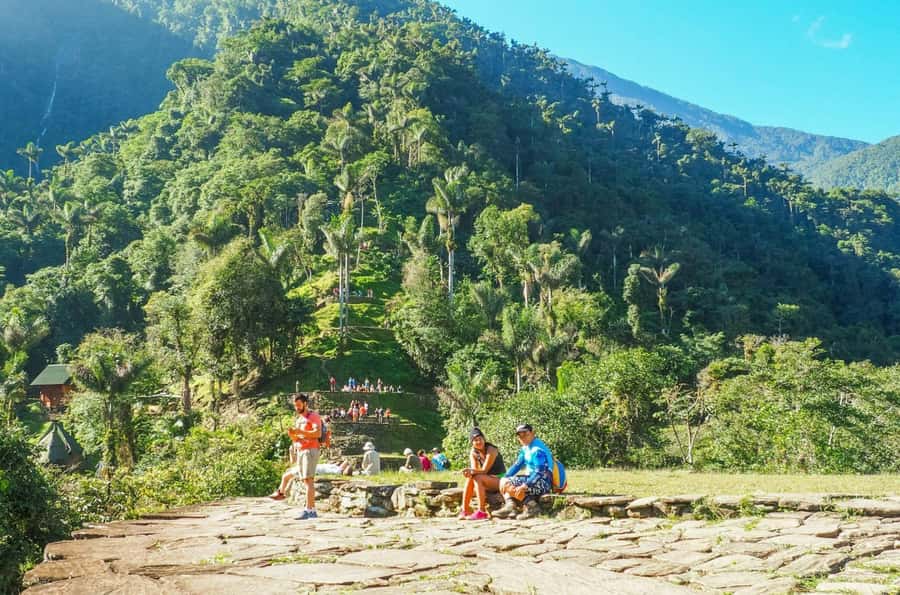
The Lost City trek in Santa Marta isn’t built around one dramatic photo spot. It’s built around a gradual approach to an archaeological site that’s older than many people expect. The city complex is believed to have been founded around 800 CE, about 650 years earlier than Machu Picchu. That time gap changes how you see the place: it feels less like a single era and more like a long, grounded system of mountainside life.
What you’re working toward is a network of 169 terraces carved into the mountainside, plus a system of tiled roads and small circular plazas. When your guide points out these details, it helps you understand that the city wasn’t just “built”—it was shaped to fit water, slope, and movement. On this trek, the experience is as much about reading the route as it is about reaching the top.
And because you’re walking through the Sierra Nevada environment, you’re also moving through the same kinds of natural settings that indigenous groups still relate to today. That context is exactly why the cultural encounters during the trek add real value. You’re not just learning facts you’re learning how people understand place.
You can also read our reviews of more tours and experiences in Santa Marta.
Getting to El Mamey: the 4WD start that sets your expectations
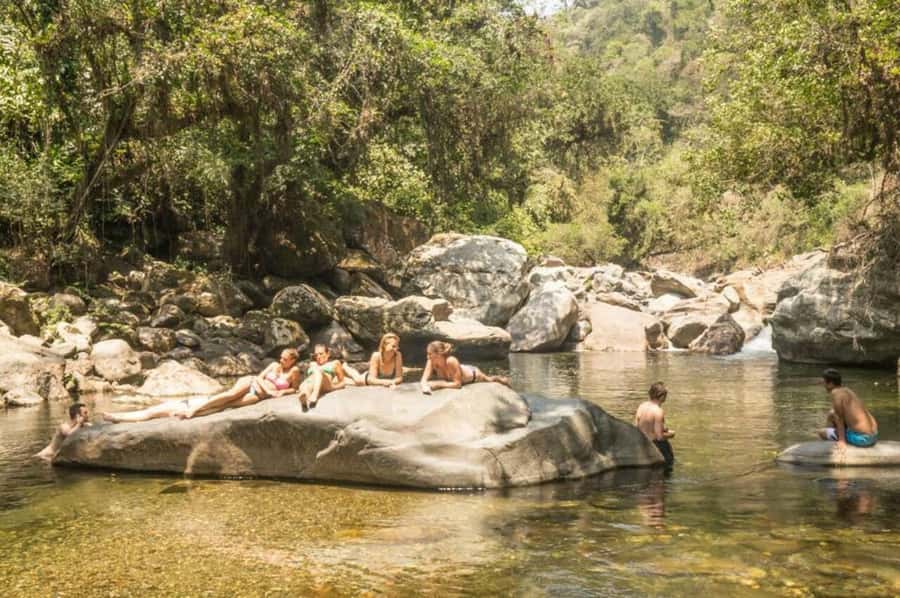
Most days begin around 9:30 AM with a 3-hour drive by 4WD from Santa Marta to El Mamey. This matters more than it sounds. The transfer compresses your travel time so the trek itself starts with momentum instead of a full day lost to logistics.
At El Mamey, you’ll have lunch and then begin walking in search of the sacred spaces associated with the Tayronas. In practical terms, your “first day effort” starts with an intro pace: you’re walking enough to get your body moving, but not so much that you’re wrecked before you’ve even met the rhythm of the trail.
If you’re worried about the first day, pay attention to your footwear and your pacing. The first sections set how you’ll feel later during the longer uphill pushes. Also, this is Colombia’s Caribbean-side jungle climate: warm, humid, and unpredictable. Even before the steep parts, you’ll want sunscreen and insect repellent ready.
4, 5, or 6 days: how the pacing actually changes
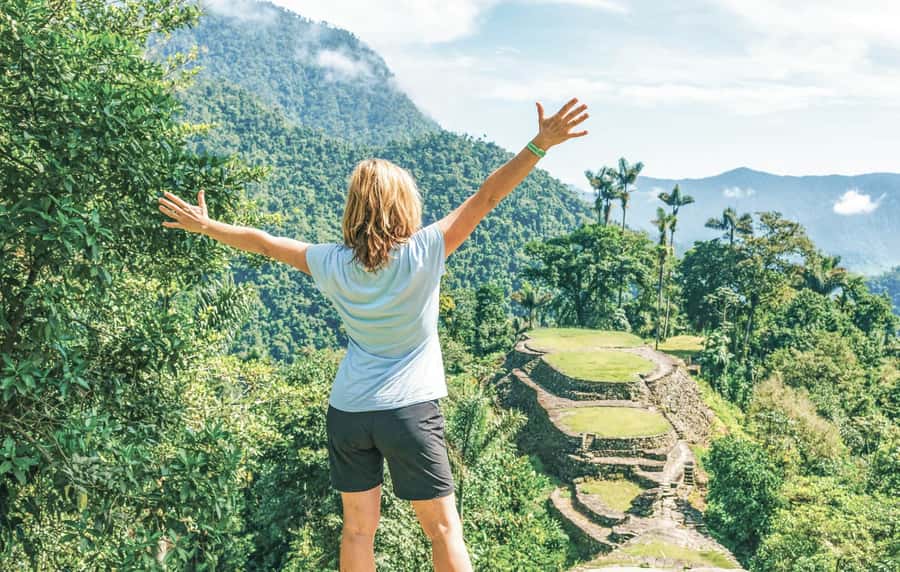
Choosing between the 4-, 5-, or 6-day trek is mostly about how much hiking you want on your plate and how long you want to soak up the trail atmosphere.
- 4-day version: you’ll have a longer highlight setup by Day 3, including the big 1,200 steps climb and a return toward camp. Days 2 and 3 include substantial walking time (about 7 hours each on Day 2 and Day 3), with mostly uphill routes.
- 5-day version: the structure is similar, but the post-steps day is paced differently, including a rest block in the middle of the final return.
- 6-day version: this is the gentler-feeling choice on paper. You spend Day 2 in a relatively shorter, smoother stretch (around 3 hours), then you build up again. It also gives you more “time to be human” in the river valley moments and camp evenings.
One important reality check: no matter which option you pick, you’re dealing with heat, humidity, and muddy slip zones when it rains. A longer trek length can feel easier if it spreads the exertion out. But it also means you live on the trail longer, including more time with mosquito pressure and daily gear routines.
If you’re considering the 4-day option because you’re short on vacation time, do it if you’re fit and comfortable hiking daily. If you’re “active but not training,” the 5- or 6-day versions usually make the stress easier to manage.
Day 1 in practice: Las Tres Cruces, fruit stops, and first-camp reset
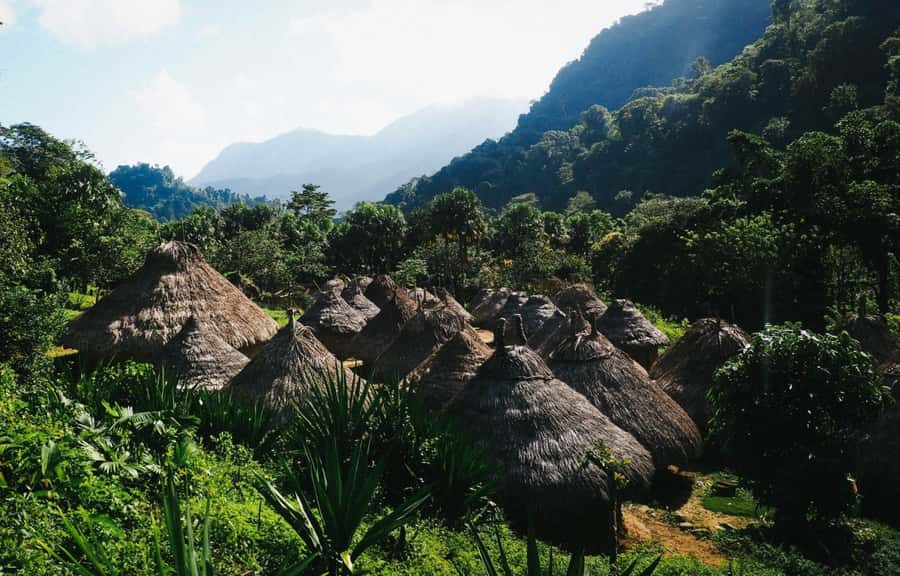
Day 1 starts with that 4WD transfer to El Mamey and lunch, then you begin trekking toward the sacred place associated with the Tayronas. You’ll walk about 4 hours (around 7.6 km) on a smooth route.
Along the way you stop at Lookout Las Tres Cruces for a snack and to taste fruits. That sounds small, but it’s actually smart pacing. It breaks the walking rhythm and gives your guide a chance to regroup the group before the trail continues.
After the lookout, you’ll spend time relaxing at natural pools and waterfalls. This is one of those moments where the trek stops being only “distance” and becomes something closer to a nature day. You’ll arrive at the first camp in the afternoon for dinner and overnight.
Practical tip: for Day 1, your goal isn’t speed. It’s to settle into how often you’ll need water breaks, how your legs feel when you start to sweat, and how your body handles warm humidity even before the big step day.
Day 2: Wiwa camp, Buritaca River, and the Mutanyi community walk
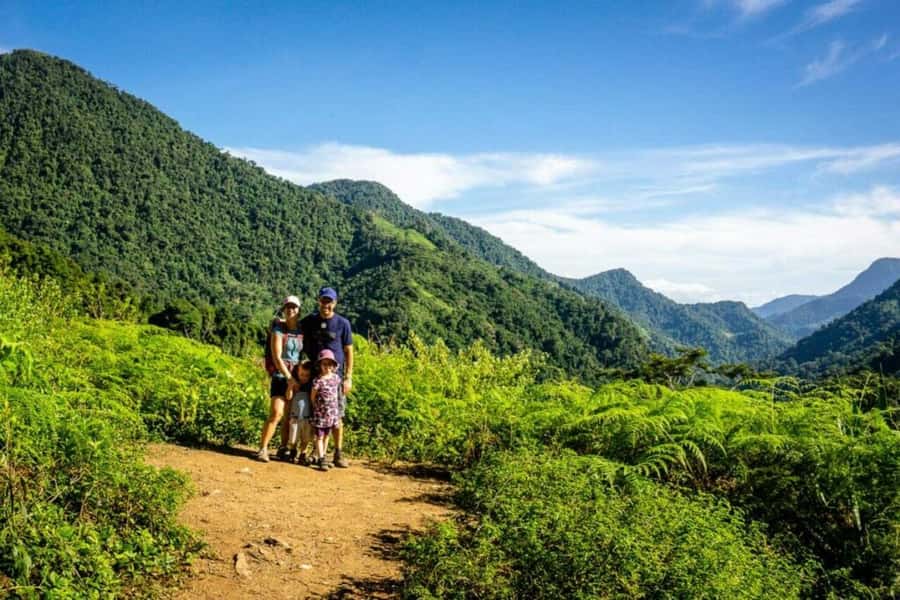
Day 2 is where the trek starts feeling less like a straight hike and more like a moving conversation with the environment and the people who live around it.
You start with breakfast early, then head toward the Wiwa camp located by the Buritaca River. The river is the reset button. You can enjoy a refreshing bath, rest, and have lunch. Even if you don’t swim, the cooling and the pause matter for endurance.
From there, you move deeper into the jungle, including walking past houses that form part of an indigenous village called Mutanyi. Depending on the trek length option, the day looks slightly different, but the core idea stays: you’ll walk through community spaces, not just wilderness.
Expect about 7 hours (around 14.7 km) for the 4-day structure, with mostly uphill hiking and some downhill. The 6-day version keeps Day 2 shorter (about 3 hours in relatively smooth terrain) to reduce pressure and improve the overall pacing.
Either way, this day builds your understanding of why the Lost City isn’t treated as an isolated tourist site. The people you meet live in the same Sierra Nevada world that the route cuts through.
Day 3: the 1,200 steps to the Lost City, and why timing matters
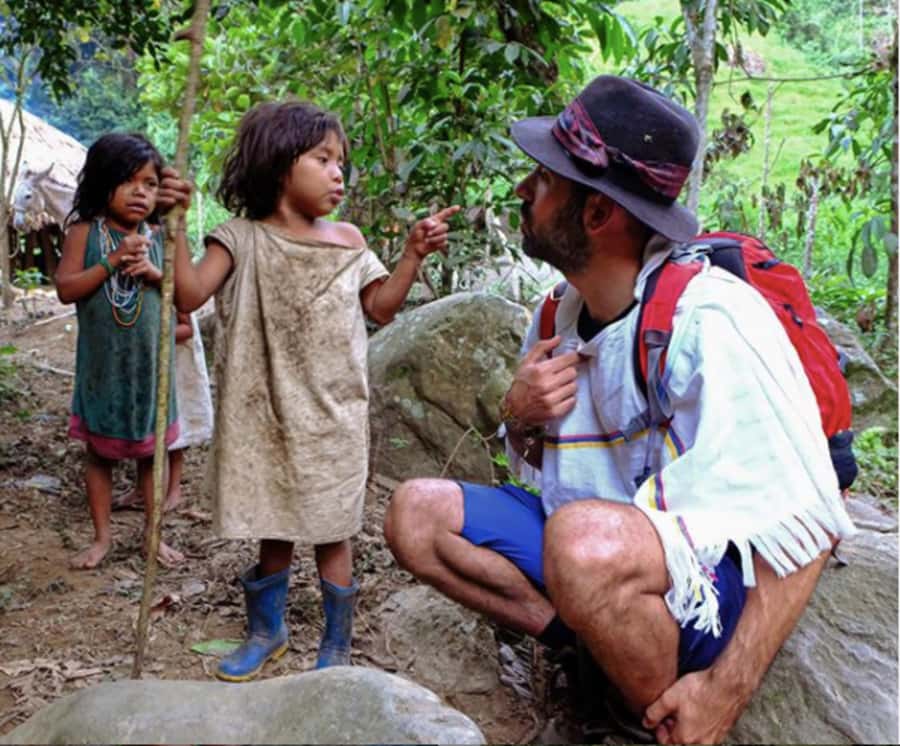
Day 3 is the “you earn it” morning. Very early, breakfast comes first, then you begin the climb toward the Lost City. This climb includes 1,200 stone steps on a trail constructed by Tayrona people.
This is the day the trek stops being casual. Even people who thought they could coast often find that stairs in humidity are a different kind of challenge. The upside is that you’re not climbing blindly. Your guide shows you what to look for and helps connect the ruins with ancestral stories.
Once you reach the Lost City, you spend the morning enjoying the landscapes and taking pictures. The highlight isn’t just the sight itself—it’s how your guide frames what you’re seeing: terraces, roads, plazas, and the way the city fits the mountainside.
After that, you start trekking back toward the camp where you began the morning. You’ll have lunch before continuing toward Wiwa camp for dinner and overnight (in the 4-day structure). The trekking time is about 7 hours, with the uphill/downhill mix described as about 6 km of that effort, depending on the version.
If you’re a nervous hiker, this is the day to mentally prepare your pace. Slow is fast here. Your goal is to stay steady, not to “finish the steps” like a race.
Day 4 and Day 5: the return that still includes real moments
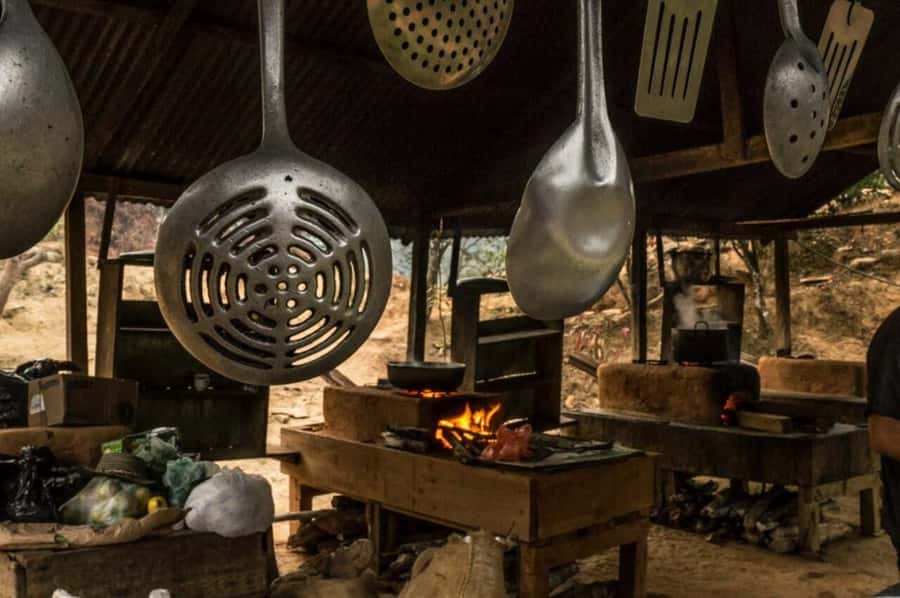
The return days aren’t just transfer days—they still include walking, rest time, and camp routines that make the final hours feel like part of the journey rather than an exit.
On the 4-day trek, Day 4 includes an early breakfast and a roughly 2-hour walk back to the camp where you slept on Day 1. Then the group splits depending on whether you’re on a 4- or 5-day schedule. For the final-day group, you’ll get fruit and water, then continue trekking about 4 hours until El Mamey, then return to Santa Marta by 4WD after lunch.
For the 5-day version, Day 4 includes lunch and then a more relaxed afternoon at camp, including views, social time, and continued cultural interaction before dinner and sleep.
On the 6-day trek, the last two days are spread out in a way that gives you breathing room. Day 5 becomes a loop back toward Santa Marta with lunch at camp, plus time to rest and interact. Day 6 ends the journey with the walk to El Mamey, then the 4WD return.
This matters because the Lost City trek can be exhausting. A rushed final day tends to feel like a paycheck at the end of a long job. These versions usually give you at least some time to come down before the drive back.
Jungle camps you can actually handle: hammocks, nets, and shower time
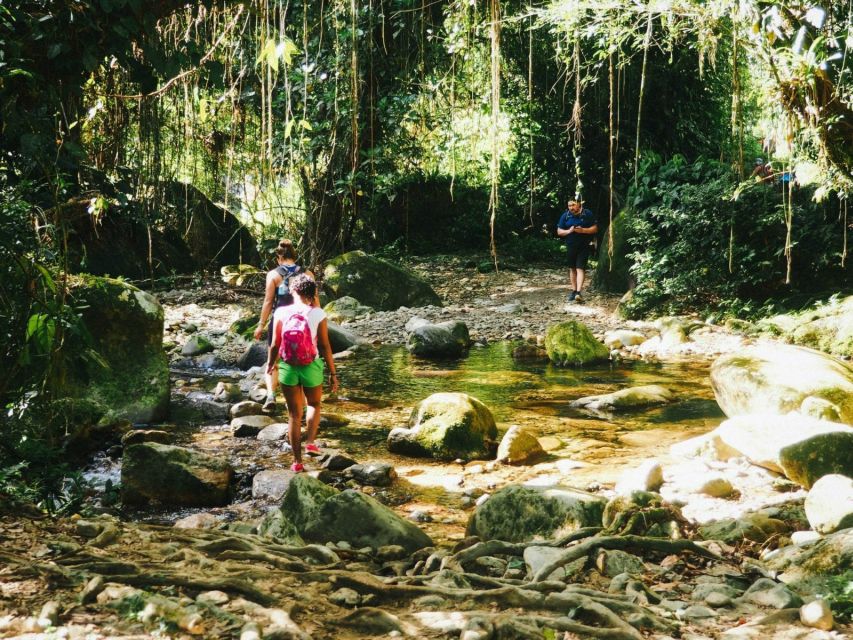
Sleeping in the jungle sounds romantic until you picture cold, wet nights and zero sanitation. Here, the camp setup is far more practical than that.
You’ll sleep in hammocks or beds with mosquito nets. Camps are equipped with electricity, plus toilets and showers. That’s a big deal for morale after a stair-heavy day. Clean up, rest, and recharge your phone while the group is winding down.
You’ll also have access to purified water, plus fruits and snacks on the walk. Drinks besides water aren’t included, so if you like soda or sports drinks, expect that to be an extra cost.
If you sweat a lot (and you will), bring quick-dry clothes and a small towel you’re comfortable using in a humid environment. Your comfort on the camp side affects your energy for the next walking day.
Food and hydration: what’s included, and what you should watch
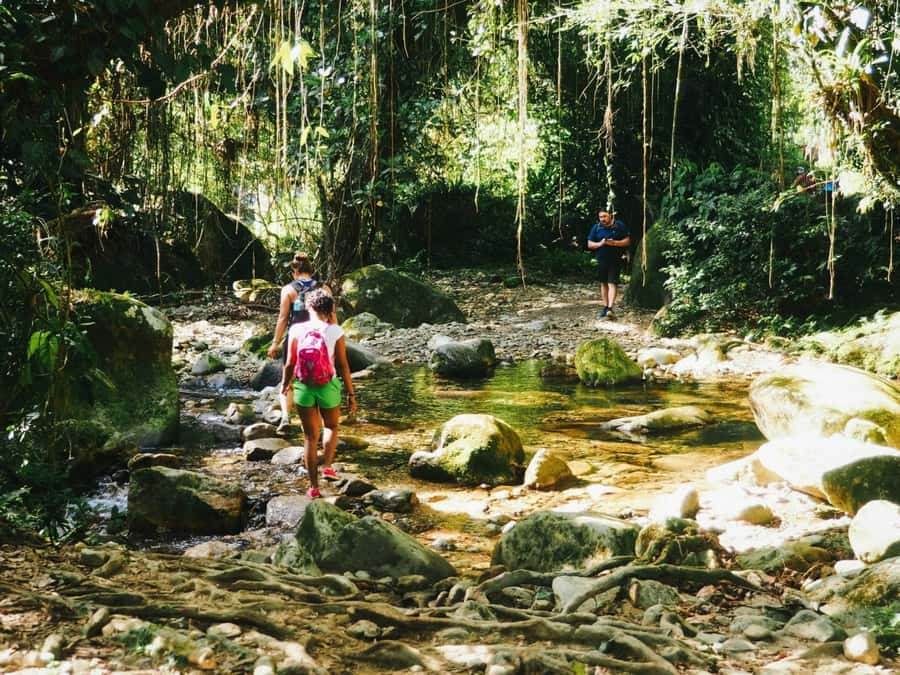
Meals are included: breakfast, lunch, and dinner throughout the trek. That sounds straightforward, and it is. Still, a long, humid trek can do weird things to your stomach, especially if you’re sensitive to changes in routine.
One account included a negative note about food quality on the final day, with some people feeling unwell. I can’t diagnose or explain what happened, but I can tell you what to do: protect your hydration and don’t overload on unfamiliar extras if you have a sensitive stomach. Stick to what’s offered in your included meals and water plan, and tell your guide if anything feels off.
Also, pack for hydration. The trek includes purified water, but your own habits still matter—especially during the warmest walk segments.
Price of $713: when it feels fair (and when to question it)
At $713 per person for a multi-day Lost City trek, you’re paying for more than a guided walk. You’re paying for:
- entrance ticket to the Lost City archaeological site
- accommodation in the jungle (hammocks or beds with mosquito nets)
- 4WD transport between Santa Marta and Mamey/El Mamey
- purified water plus fruits and snacks during the walks
- a guide service in Spanish and English
- accident insurance
- contributions for the development of indigenous communities
- suitcase storage during trek days
- small-group management (max 15 people)
That’s the value equation. In practice, the “extra cost” is what covers planning, safety, cultural stewardship, and the overhead of running camps in a remote environment.
That said, one negative review raised two concerns: uncomfortable transport timing/space and a question about value given food portion/quality. Another mentioned a possible mismatch in how much different people paid. You can’t control other people’s pricing, but you can control your own confidence: before you go, confirm what’s included in your exact package and ask what’s extra (especially drinks beyond water). At this price point, you should feel clear about every cost line.
If you’re expecting a bargain, you’ll probably be disappointed. If you’re prioritizing a guided route, cultural interaction, and a tough-day logistics plan that runs smoothly, the price can make sense.
Safety, weather, and packing: what actually changes your day
This trek lives in a warm, humid climate—around 26°C to 32°C, with night temperatures cooler around 18°C. Rain can usually occur at sunset, and the trail can become slippery with mud.
Mosquitos are part of the jungle reality, and you may cross some rivers or streams. The route is managed with a professional guide, and the listing includes accident insurance for peace of mind.
Your packing list should reflect the real problems you’ll face:
- hiking shoes (not just sneakers)
- rain gear and quick-dry layers
- sunscreen plus insect repellent
- swimwear and a towel for pool and bath moments
- flashlight for camp routines (if you need it)
- flip-flops for camp time
- charged smartphone and a daypack
- cash for personal expenses
- personal medication and socks
- warm clothing for night temperature changes
Drones aren’t allowed, so don’t rely on aerial footage.
Also note: this trek isn’t suitable for pregnant women or wheelchair users. The steps and uneven trail matter.
Your guide makes the difference: names to look for
The best days on this trek usually come from how your guide connects dots: between terraces, indigenous stories, and what you’re seeing right now in the jungle.
In past groups, people have praised guides and team members such as Arghenith (guide), Francisco (indigenous guide), and Miguel and Coco as guides. Translation support has been highlighted too: Victor as a translator, plus Emilie as an encouraging, supportive interpreter who helped people push through when tired. A chef named Bridgette also earned strong praise.
Even without knowing your exact team in advance, aim for guides who explain with clarity and pace. If you’re serious about cultural understanding, don’t treat the guide as background narration. Ask questions when the moment fits, especially on cultural stops and around camp.
Who should book this Santa Marta Lost City trek
Book it if you:
- like guided walking with clear cultural context
- are comfortable hiking daily in warm humidity
- want a challenging trek that ends at a major archaeological site (not a short nature walk)
- appreciate small-group control (max 15) and structured camp logistics
Consider a different option if you:
- hate steep stairs and mud with zero flexibility
- need fully accessible terrain
- aren’t ready for sweaty, humid physical effort
A note from a common theme: people who aren’t used to hard trekking often find it mentally demanding as well as physically demanding. This isn’t a “casual weekend stroll.” It’s a serious expedition day after day, with the big pay-off on the steps to the Lost City.
Should you book this Lost City trek from Santa Marta?
If your priority is the Lost City itself plus a guided, culturally respectful trek through the Sierra Nevada, this one is hard to beat on structure. You’re getting a serious itinerary, small-group guiding, access to the site, and camp support that includes showers and toilets. At the same time, you’re paying real money, and you should go in expecting a workout.
My decision rule is simple:
- If you’re fit enough for steep stairs in humidity and you value indigenous cultural encounters, go for it.
- If you’re unsure about your physical readiness, consider the 5- or 6-day option to spread the strain out.
- If you’re worried about value, verify what’s included beyond drinks, and make sure your transport and meal expectations match the package.
If that sounds like you, then yes, booking this Santa Marta Lost City trek is a strong move.
FAQ
How many days is the Santa Marta trek to the Lost City?
You can choose between a 4-day, 5-day, or 6-day trek.
What’s included in the price?
The package includes breakfast, lunch, and dinner, the entrance ticket to the Lost City archaeological site, jungle accommodation (hammocks or beds with mosquito nets), 4WD transportation between Santa Marta and El Mamey, purified water plus fruits and snacks, guide service in Spanish and English, accident insurance, suitcase storage, and contributions for indigenous community development.
What kind of accommodation do you get?
You sleep in hammocks or beds with mosquito nets. Camps have electricity and also include toilets and showers.
What language will the guide and translator speak?
Guide service is provided in Spanish and English.
What should you bring, and what’s not allowed?
Bring warm clothing, swimwear, a towel, hiking shoes, sunscreen, water, rain gear, flip-flops, insect repellent, toiletries, socks, cash, a flashlight, a charged smartphone, personal medication, quick-dry clothing, and a daypack. Drones are not allowed.
Is pickup included from Santa Marta hotels?
Pickup is included from within the Santa Marta urban perimeter, plus Rodadero and Taganga. It does not include pickup from Bonda, Minca, Palomino, or areas outside the urban perimeter.