REVIEW · SANTA MARTA
Santa Marta: Trekking in Minca Complete Waterfall Circuit
Book on GetYourGuide →Operated by Macondo Project Tourism · Bookable on GetYourGuide
Waterfall trails start right behind Minca Main Park, and this circuit turns a half-day walk into a mix of jungle hikes and real local storytelling. I love the indigenous plant and farming lessons—the kind you can actually spot as you walk—and I love that you don’t just get one viewpoint. You visit the Oído del Mundo area for photos, then get meaningful time near the Marinka waterfalls. One drawback to consider: this is not a casual stroll, and it can feel pricey if you’re expecting a simple, short walk.
Guides like Dan, Laura, Mario, and John are known for turning nature talk into something practical, from flora and fauna to how cacao and coffee fit into mountain life. The other big plus is the Plan B mindset—Minca weather and rivers can change fast—so you’re set up to keep hiking toward waterfalls instead of losing the day. Still, if you’re pregnant, have respiratory issues, or you use a wheelchair, this likely won’t be the right fit.
In This Review
- Quick hits on the Santa Marta to Minca waterfall trek
- Why Minca’s waterfall circuit feels more than a photo stop
- Meeting at Minca Main Park and pacing a 5-ish hour hike
- Traditional village stop: how cacao, coffee, and local life connect
- Oído del Mundo: a photo stop with actual context
- Marinka waterfalls: where the circuit becomes a real cool-down
- The jungle trail lessons: indigenous plants, sustainable farming, and biodiversity
- Safety reality in Minca: rivers rise, paths shift, and Plan B keeps you moving
- Price and value: is $49 fair for this 8 km circuit?
- What to pack (and what to wear) for wet jungle trekking
- Who should book this waterfall circuit, and who should skip it
- Should you book the Santa Marta: Trekking in Minca Complete Waterfall Circuit?
Quick hits on the Santa Marta to Minca waterfall trek
- An 8 km circuit with medium to medium-high hiking, including uphill trail sections
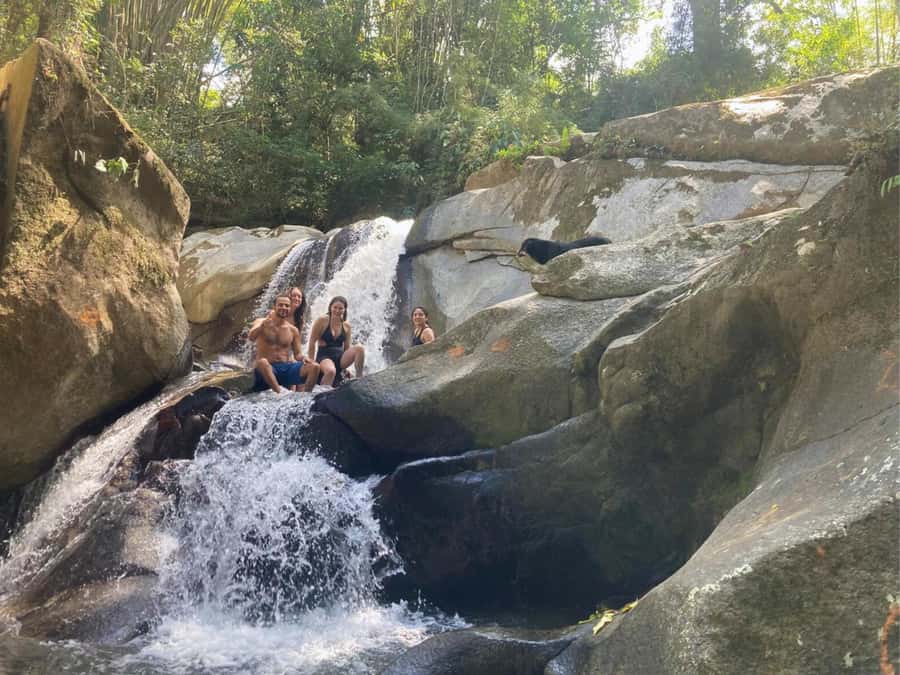
- Multiple waterfalls and natural pools, including Oído del Mundo and Marinka
- Local culture in motion: coffee and cacao arrival stories plus indigenous plant context
- Learn while you walk: biodiversity, sustainable farming ideas, and how locals live with the land
- Plan B route when rivers rise or paths get blocked
- Guides with first-aid training and insurance coverage during the activity
Why Minca’s waterfall circuit feels more than a photo stop
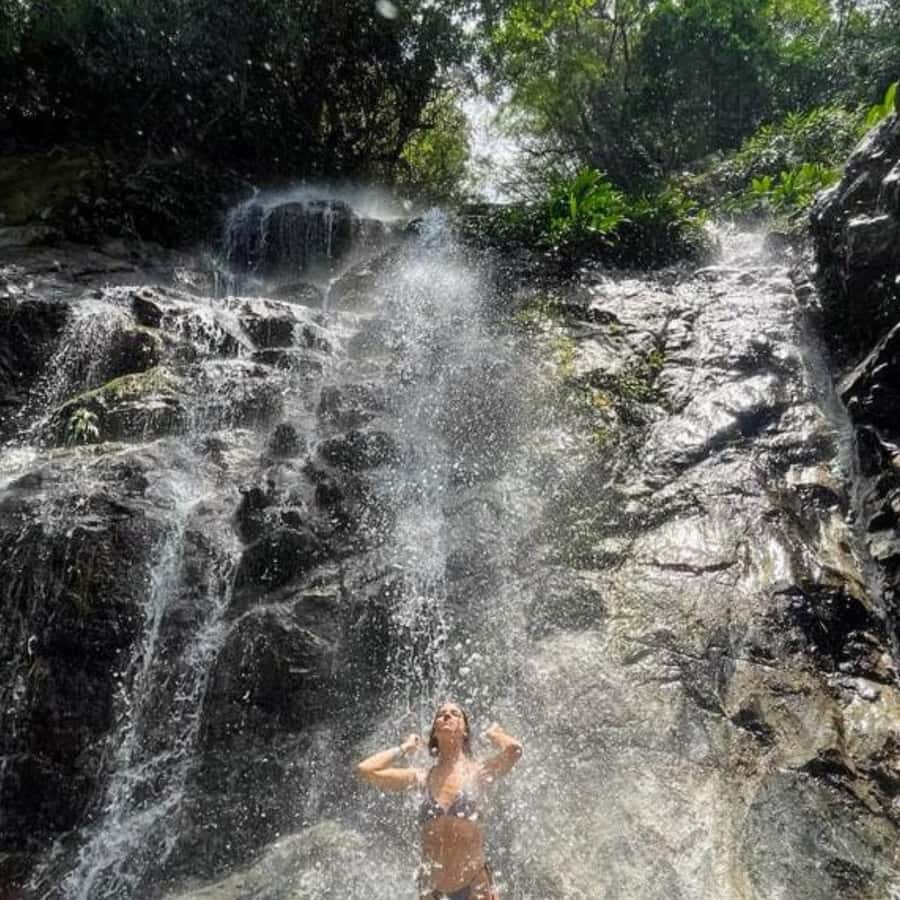
In Minca, waterfalls are everywhere—so what makes this trek different is the guide-led rhythm. You’re not just moving from one splashy spot to the next. The stops are timed so you can get your bearings, learn what you’re looking at, and then walk again while the jungle is still alive around you.
I also like that the experience is clearly built for “day-in-the-Sierra-Nevada” reality. You’re at 600 to 800 m above sea level, where humidity and rain can change the trail conditions quickly. That means the tour’s story and the hiking both stay practical: you’ll be walking real jungle trails, getting to viewpoints, and then cooling off in clear water when you reach the waterfall areas.
You can also read our reviews of more tours and experiences in Santa Marta.
Meeting at Minca Main Park and pacing a 5-ish hour hike
You start at Minca Main Park, and the guide meets you there (with optional pickup if you arrange it). From there, the day moves in a steady line: village sightseeing, guided interpretation, and then waterfall time with short pauses for photos and photos that actually make sense.
The timing usually lands around 5 hours on the ground, though the overall window can stretch toward 5 to 7 hours depending on route conditions and how long the waterfall stops run. That’s normal for this kind of hike. In a place where rivers can jump levels overnight, “fixed to the minute” schedules don’t work.
The hike distance is about 8 km. That’s not huge on a map, but the trail terrain makes it feel more substantial. Plan for muddy patches, uneven footing, and a steady pace rather than a power-walk.
Traditional village stop: how cacao, coffee, and local life connect
Before you disappear fully into the forest, you get time with Minca’s human side. There’s a traditional village visit with sightseeing, and the guide uses the stories of the area to explain how indigenous traditions and local legends shape life here.
One of the most valuable parts of this stop is the way the tour explains how coffee and cacao first arrived in these mountains and changed the relationship between people and the land. It’s not just “here’s a crop.” You’ll hear how farming turned into livelihood, how it fits into local culture, and how today’s land practices reflect that history.
If you care about doing more than sightseeing—if you like learning the “why” behind a place—this is the part that makes the day click. And if you’re just there for waterfalls, it still gives context for why the jungle isn’t empty space. It’s a working, lived-in ecosystem.
Oído del Mundo: a photo stop with actual context
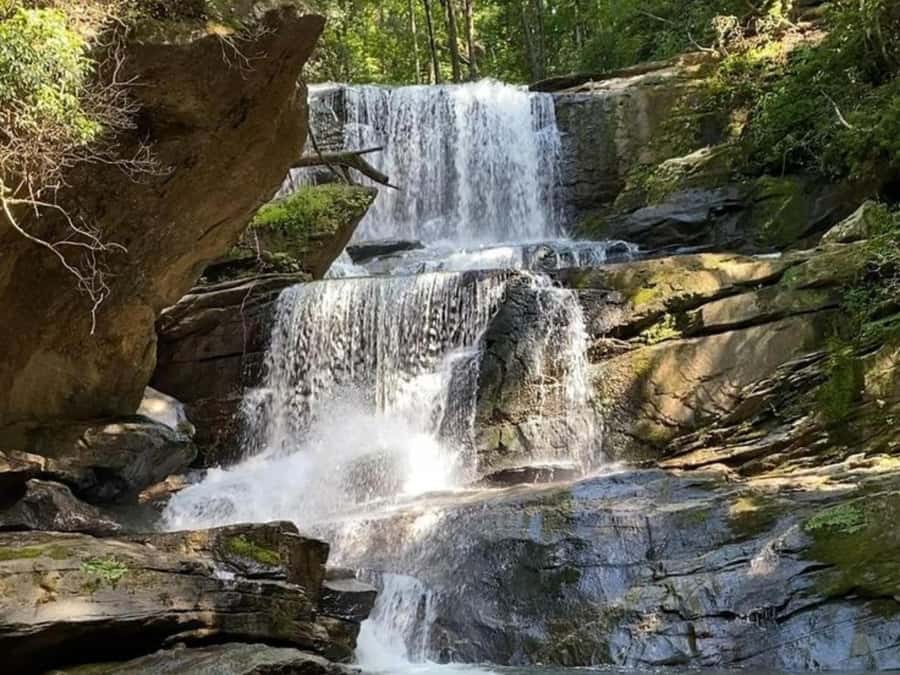
Oído del Mundo is where the day gets louder. You’ll head to the waterfall area for a photo stop (roughly three quarters of an hour). Even if you’re not a professional photographer, you’ll have enough time to frame shots, look around, and judge the water and current safely.
What I like about including this stop is that it’s not tacked on as a quick “got it” moment. The guide connects the waterfall setting back to the broader themes of the day—biodiversity, indigenous plant knowledge, and how locals interpret the natural world. So the waterfall isn’t just scenery. It’s part of the lesson.
Practical tip: wear shoes that can handle wet trail conditions. This is one of those days where the path might look fine when you start, then turns slick after you’ve already gone too far to change plans.
Marinka waterfalls: where the circuit becomes a real cool-down
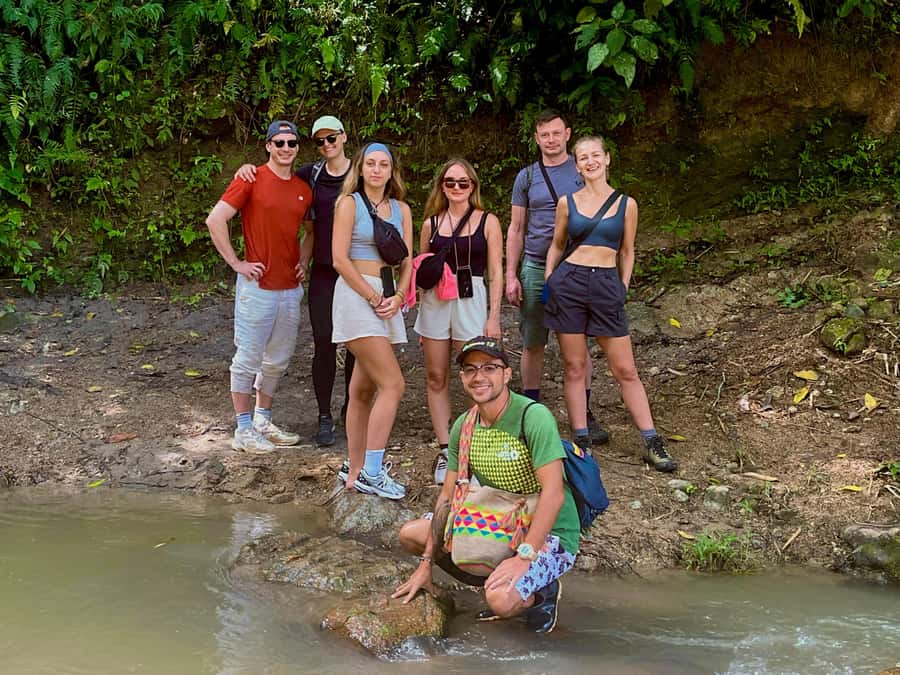
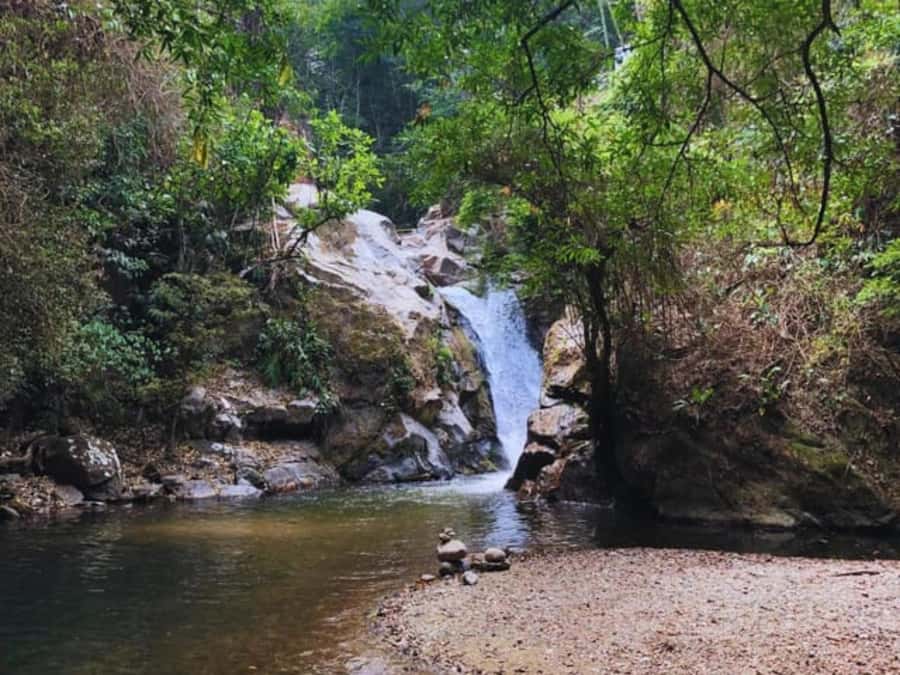
After the first waterfall stop, the trek keeps moving into deeper jungle trail. Then you reach Marinka Waterfalls, which is the longer highlight section of the day (about 2 hours guided time here).
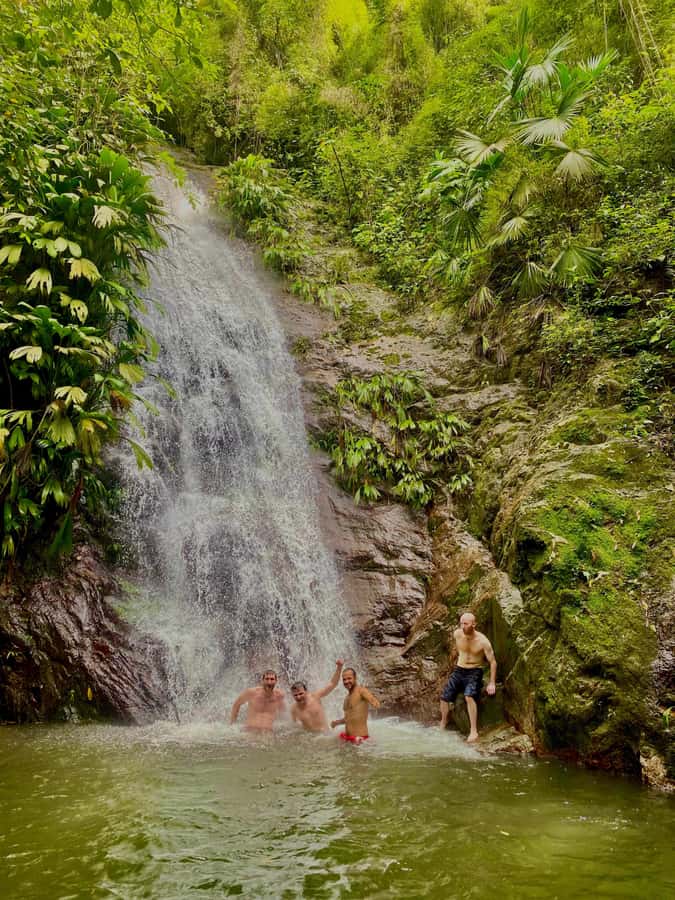
This is where you’ll feel the “complete circuit” claim for real: more time, more waterfall exposure, and access to natural pool areas where you can cool off. The tour includes refreshment at a secret crystal-clear waterfall, and you should assume water contact is part of the experience. That’s why swimwear is on the packing list.
A note on comfort: expect to get damp. Even if you don’t plan to swim, you’ll likely spend time in misty air and along wet edges. If you’re sensitive to cold water or don’t enjoy getting your clothes splashed, you’ll want to treat this stop as a “watch and photograph” moment and keep your distance where the guide recommends.
The jungle trail lessons: indigenous plants, sustainable farming, and biodiversity
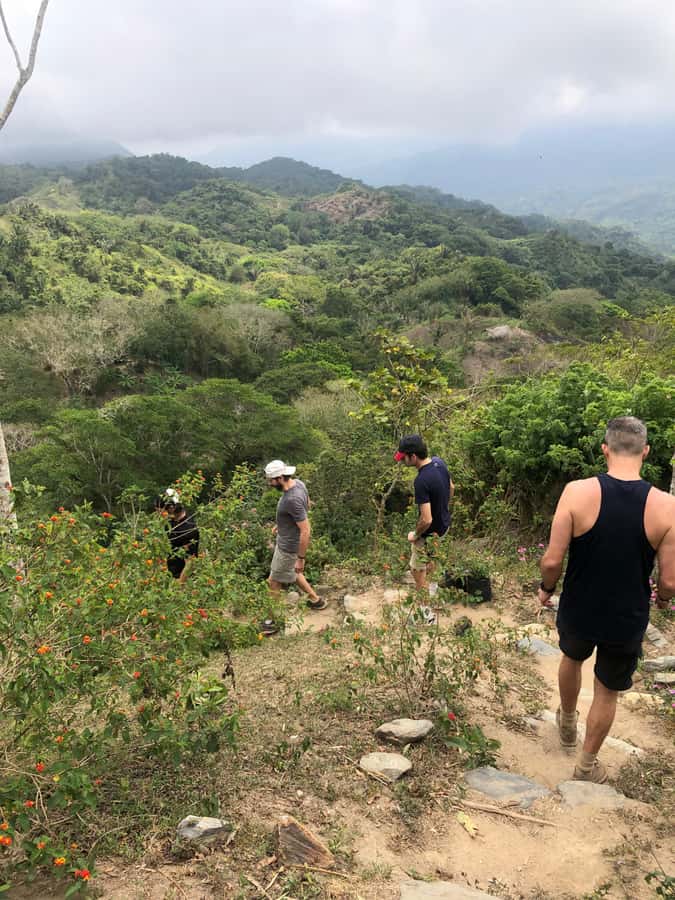
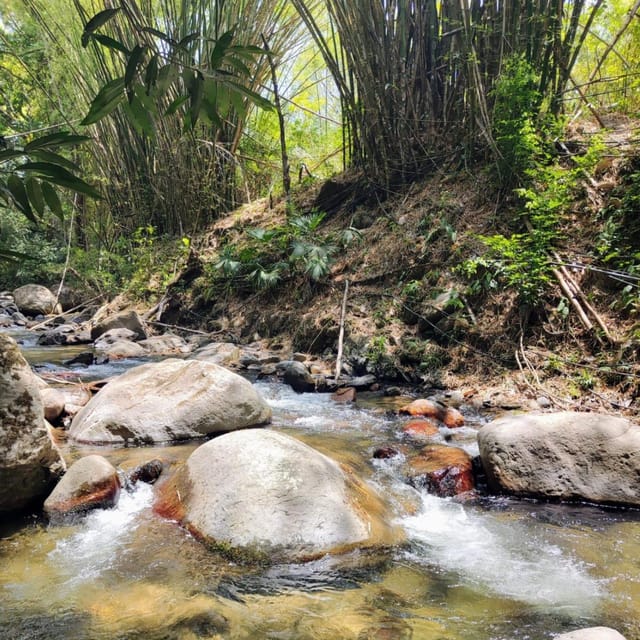
Between waterfalls, you walk ancestral and ecological trails with guided interpretation. This is not a “follow and shut your brain off” hike. The guide points out indigenous plants, explains how they’re connected to traditional rituals and sacred plant use, and ties the knowledge to what you’re seeing on the ground.
You’ll also learn about sustainable farming practices and how the region’s biodiversity works alongside agriculture. This matters because it changes how you see the terrain. Instead of thinking of the jungle as scenery, you start treating it like a system—plants, birds, insects, soil, water, and people all affecting each other.
And yes, you’ll get biodiversity up close: birdsong, tall trees, and the sense that you’re walking inside a living network rather than through empty forest.
Safety reality in Minca: rivers rise, paths shift, and Plan B keeps you moving
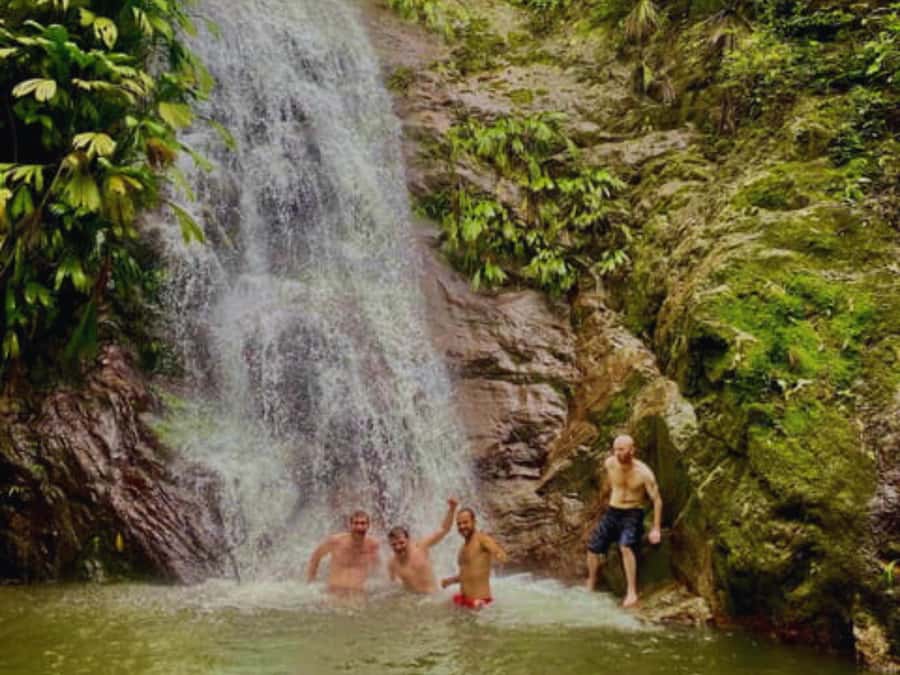
Minca is the kind of place where conditions can change fast. Rivers may rise suddenly. Trails may become impassable. Weather can shift overnight. Because of that, the tour runs with a Plan B route.
Here’s what that means for you in practice: you’re not stuck waiting while a guide tries to guess what to do. If one path is blocked, you’ll take an equally scenic alternative route with more waterfalls and trails. The tour stays focused on the same core promise—nature and culture together—even when the trail map gets rewritten by the weather.
Safety is also part of the package. Guides prioritize your safety and are trained in first aid. The activity also includes insurance coverage, which is a comforting layer when you’re hiking on slippery surfaces.
Price and value: is $49 fair for this 8 km circuit?
The price is about $49 per person, and you’ll likely notice comparisons people make to cheaper walking tours. One critique you may run into is that it feels expensive for what looks like a walk along public paths.
Here’s how I’d size up the value. This isn’t only transport to waterfalls. You’re paying for:
- a local expert guide focused on history, biodiversity, and indigenous plant knowledge
- access to hidden or less obvious trail segments (not just the easiest road-to-viewpoint loop)
- multiple waterfall stops, including longer time at Marinka
- included refreshment at a waterfall setting
- insurance coverage during the activity
- adaptation via Plan B when trails change
If you want a guided day with interpretation and you’ll actually use the knowledge while you’re walking, $49 doesn’t feel crazy—it feels like a reasonable price for a structured half-day in the Sierra Nevada.
But if you hate paying for guiding and you’re only after the water sounds, then yes, the cost might feel like extra for your personal style. In that case, you might be happier doing a more independent hiking plan—though that’s a different kind of day than this circuit is designed to be.
What to pack (and what to wear) for wet jungle trekking
This hike is medium to medium-high and about 8 km, so your clothing needs to handle real trail friction. Bring:
- Swimwear (because there’s a crystal-clear waterfall refresh stop)
- Change of clothes (seriously, future-you will thank you)
- Hiking shoes with grip
- Water bottle / water for the day
- Sunscreen (sun can cut through even in cloudier jungle pockets)
- Insect repellent
- Weather-appropriate clothing and a light rain layer
- Comfortable clothes that can get dirty
- Trekking gear if you use poles or have them
Not allowed includes weapons/sharp objects, plus alcohol and drugs. Keep the day focused on hiking and water safety.
Also, arrive ready for the “mud factor.” You don’t need to dress like a mud wrestler, but you do need to avoid brand-new sneakers and light cotton that will stay heavy and cold once it’s wet.
Who should book this waterfall circuit, and who should skip it
This trek fits best if you like:
- guided nature interpretation
- a hike that’s active but not an all-day endurance test
- multiple waterfall moments with time to cool off
- learning how people farm and live in the Sierra Nevada, not just looking at it
You should skip it if any of the listed constraints apply: pregnant women, wheelchair users, or people with respiratory issues. The trail conditions and exertion aren’t described as appropriate for those situations, and it’s better to choose a different plan.
If you’re traveling with friends who want different things—one person for photos, one for facts, one for a swim—this itinerary usually hits all three.
Should you book the Santa Marta: Trekking in Minca Complete Waterfall Circuit?
Book it if you want a guided Minca day that mixes waterfalls with real cultural and ecological context. You’ll walk about 8 km, hit Oído del Mundo and Marinka waterfalls, and get guided stops focused on indigenous plant knowledge, sustainable farming ideas, and how coffee and cacao shaped the mountains. The Plan B setup is also a big comfort: if rivers change, you still have a route to keep the day meaningful.
Skip it if you only want a short nature walk, if you dislike getting wet and dirty, or if you’re not set up for medium to medium-high hiking conditions.
If you’re the type of traveler who enjoys learning while walking—who likes leaving with more than photos—this is a strong way to spend a day in the Minca/Santa Marta region.