REVIEW · KATHMANDU
13-Day Private Trekking Experience in Everest Base Camp
Book on Viator →Operated by Alpwander_adventures (Treks & Expeditions) · Bookable on Viator
Everest Base Camp is a real trek, not a ride. This private 13-day route builds in slow altitude gain through Sherpa towns, with time for monasteries, prayer walls, and major viewpoints like Kala Patthar.
What I like most is the mix of structure and breathing room: you get supported acclimatization in Namche Bazaar and Dingboche, then you push higher with options based on your energy. You’ll also appreciate the included gear and logistics, like a guide, tea-house nights, and domestic airfare between Kathmandu and Lukla.
One thing to think about: this is physically demanding, and you won’t have comforts like hot showers during the trek or reliable charging/wifi in the mountains.
In This Review
- Key things that make this EBC trek click
- Kathmandu acclimatization that actually helps
- Price and logistics: what you’re really paying for
- Lukla flight: the dramatic start that sets the pace
- Phakding to Namche: bridges, prayer walls, and your first real rhythm
- Khumjung and Khunde: Everest View Hotel without rushing
- Tengboche to Dingboche: forests, long hills, and peak drama
- Dingboche acclimatization plus an optional challenge
- Lobuche: cairns, prayer flags, and the “real Everest” mood
- Gorak Shep to Everest Base Camp: a hard day with two good options
- Kala Pathar (about 5,545–5,550m): the big viewpoint day
- Downhill back to Namche and Lukla: legs get tested
- Return to Kathmandu: the decompression day you’ll actually feel
- Who this private Everest Base Camp trek suits best
- Booking check: what to verify before you pay
- Should you book this 13-day private EBC trek?
- FAQ
- How much does the 13-day private Everest Base Camp trek cost?
- What’s included in the trek price?
- What is not included?
- What time does the trek start and what’s the meeting point timing?
- What are the highest points on the trek?
- Is this trek private or shared?
- When do you fly back to Kathmandu?
- What refund is offered if plans change?
Key things that make this EBC trek click
- Private group with a licensed trekking/expedition guide
- Kathmandu-to-Lukla round-trip airfare included, plus airport pickup/dropoff
- Acclimatization days planned, especially in Namche Bazaar and Dingboche
- Kala Pathar optional timing, so you can chase sunset or sunrise views
- Tea-house lodging for 11 nights with meals built in
- Essential trekking items included (trekking poles, sleeping bag, first aid kit)
Kathmandu acclimatization that actually helps
Your first day is about arriving smart, not just arriving. You’ll be picked up from Kathmandu International Airport and transferred to a 3-star hotel for acclimatization. This matters because you’ll head to Lukla soon, and the Everest region punishes sloppy timing.
Then you get a Thamel city visit to get your bearings fast. Thamel is where you’ll find trekking supplies, snack stops, and general Kathmandu energy. Even with a guide running the show, it helps to have a day where you can handle small essentials before your legs take over.
For me, this start is practical: it reduces stress. You’re not trying to plan or scramble while already jet-lagged and short on sleep.
You can also read our reviews of more tours and experiences in Kathmandu.
Price and logistics: what you’re really paying for
At $1,350 per person, this trek looks like more than a “walk in the mountains” cost. But here’s why it can feel like good value: the inclusions cover a lot of the expensive parts in this region—especially the domestic return airfare Kathmandu–Lukla–Kathmandu and the national park permits and government taxes.
You also get:
- 2 nights in Kathmandu hotel (breakfast on Day 1 and Day 13)
- 11 nights in tea houses during the trek
- Breakfast, lunch, and dinner during the trekking days (as listed)
- A licensed guide and first aid kit
- Trekking poles and a sleeping bag
- Airport pickup/drop by private vehicle
- Mountain tea-house lodge support throughout
What you’ll still need to budget for:
- Bottled water during the trek
- Alcohol (not included)
- Charging and wifi (not included)
- Hot shower during the trek (not included)
If you’re comparing against “cheaper” EBC deals, check whether they include Lukla flights and permits. Those two items alone can swing total cost hard.
Lukla flight: the dramatic start that sets the pace
You’ll fly from Kathmandu to Lukla (about 2,800m) and start your trek toward Phakding. The flight itself is short, but it’s a big altitude jump. That can be one reason you feel it in your breathing even before you hike.
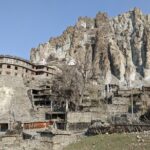
Once you land, Day 2 is a gentler introduction: a pleasant walk of about 3 hours toward Phakding (about 2,610m). You pass prayer walls, monasteries, and monuments, which is a nice way to transition from city life into Sherpa culture.
Two practical wins on this segment:
- You get an easy first day so your body isn’t shocked.
- You’re guided through the early signs of what’s coming—bridge crossings and steady uphill rhythm.
And yes: hydrate. The plan specifically urges 4 to 5 liters of water per day all the way through the trek. That’s a lot, but high-altitude hiking is easier when you stay ahead of dehydration.
Phakding to Namche: bridges, prayer walls, and your first real rhythm
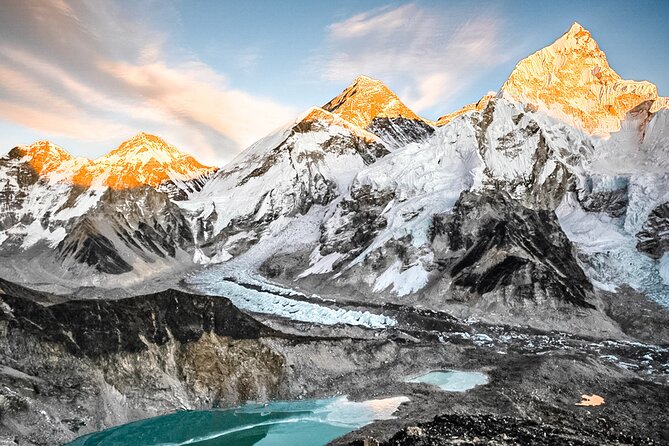
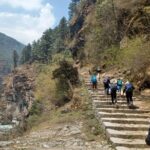
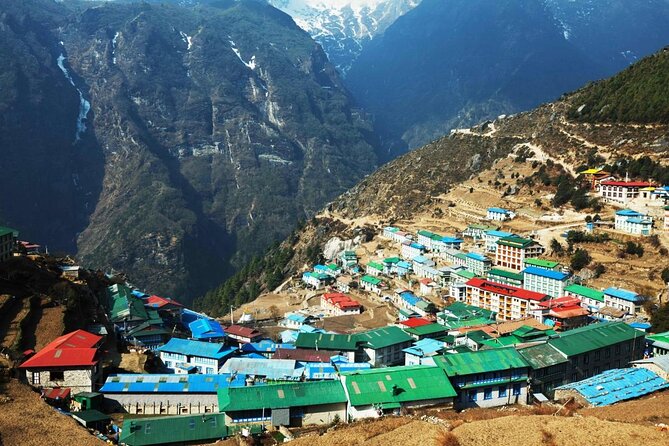
From Phakding you move up to Namche Bazaar via Toktok, Benkar, Monjo, and Jorsalle. Early on, you cross suspension bridges and gradually climb toward the entrance of Sagarmatha National Park. Then the trail follows the river for a while before the longer stretch to Namche.
This is one of those days where the map looks simple, but your body does the real work. The big lesson here is pacing. You’re going up, but it’s gradual—until it isn’t.
You’ll be based in Namche Bazaar for 2 nights, which is excellent for acclimatization. At around 3,340m, Namche is where you can adjust your breathing, eat well, and still feel like you’re moving on a real adventure.
Khumjung and Khunde: Everest View Hotel without rushing
Acclimatization day is where good treks protect you. The plan gives you flexibility: you can hike up toward Everest View Hotel for panoramic mountain views, then walk to twin Sherpa villages, Khumjung and Khunde.
This is a smart style of acclimatization: go higher during the day, sleep lower. You won’t stop walking completely, but you do avoid the mistake of trying to brute-force altitude.
Along the way you can add cultural stops, like the Sherpa museum, and spend time around Namche’s shops, lodges, and small cafés. Even if you don’t shop much, having a place to slow down matters. It helps you recover from each day’s climb so you’re ready for the next.
Tengboche to Dingboche: forests, long hills, and peak drama
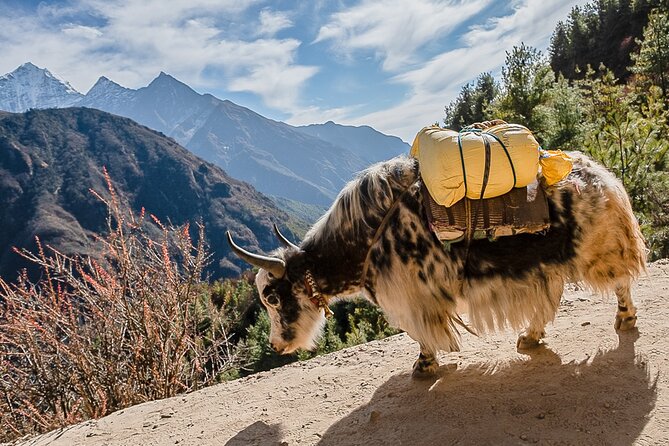
Next comes Tengboche at about 3,870m. Day 5 is a gradual but long ascent, with about 5–6 hours of hiking and around 12km (7.5 miles). You’ll pass Kyanjuma, drop toward the Dudh Kosi River, cross a suspension bridge, and see water-driven prayer wheels at Phungitenga.
Then the climb continues up to Tengboche, so you get both culture and altitude work in the same day.
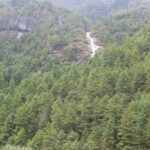
Day 6 shifts you toward Dingboche. The trail goes through rhododendrons, birch, and blue pine forests before reaching the suspension bridge near Pangboche. Then you climb gently to Pangboche, follow upstream along Imja Khola, and finish at Dingboche.
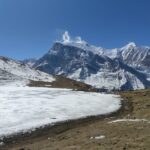
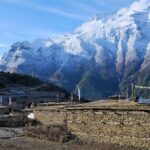
This is a great stretch for mountain views. You’re in the zone where big peaks start looking close, and you can make out Amadablam, Island Peak, Lhotse, Tawache, and more from the area around Dingboche.
Dingboche acclimatization plus an optional challenge
Day 7 gives you another acclimatization night in Dingboche and adds a structured hike. You’ll aim to reach roughly 4,900m, gaining about 500m, and it should take around 3 hours. Then you go back down to sleep at Dingboche.
This is exactly how acclimatization should feel: effort in the morning, recovery in the afternoon. You’re training your body without exhausting it.
The plan also includes an option to hike Nangkar Tshang (about 5,616m). It’s described as physically demanding, but if you want extra views toward Makalu and surrounding peaks, this is the kind of add-on that rewards the fit-minded.
Lobuche: cairns, prayer flags, and the “real Everest” mood
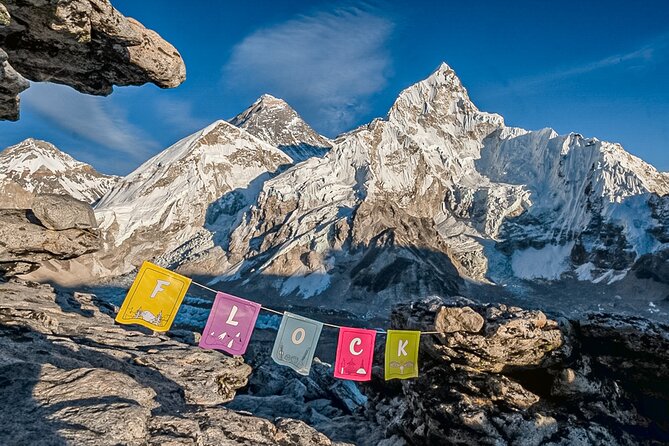
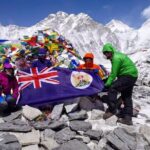
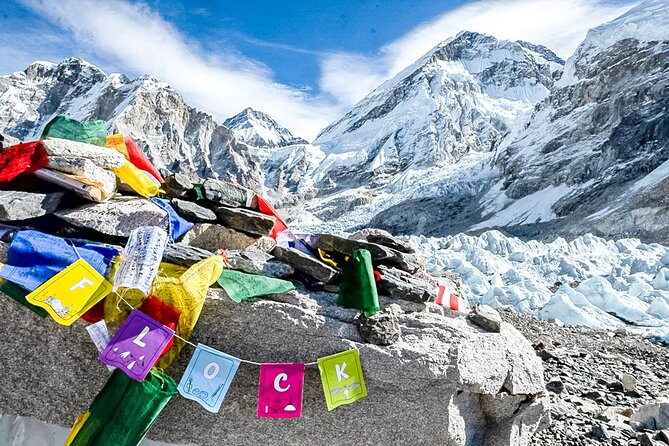
From Dingboche you move to Lobuche (around 4,900m), trekking through Khumbu Khola valley terrain and over moraine-like sections above the valley. You’ll see cairn memorials and large heaps of stones with prayer flags, honoring mountaineers who passed away during Everest missions.
This is one of those emotional moments that feels different from just taking photos. Even if you’re not a sentimental person, you’ll likely slow down here. It’s hard not to.
Then you continue on to Lobuche, with about 5–6 hours total trekking. The higher you go, the more your body becomes part of the scenery.
Gorak Shep to Everest Base Camp: a hard day with two good options
On Day 9 you head to Gorak Shep after breakfast, then push toward Everest Base Camp. This is described as challenging for most people, with about 10km (6.2 miles) and a mix of glacier-side trekking and steep climbs.
Once you reach Gorak Shep, the plan allows you to decide how you want to spend the day:
- Hike to Everest Base Camp
- Or hike Kala Patthar instead to catch sunset views, then do base camp the next day
That flexibility is valuable. At this altitude, what matters isn’t just the destination—it’s how your body responds. If you’re feeling shaky, you can save energy for the most rewarding viewpoint.
Overnight stays here are in tea houses again, and the air gets serious. Keep your layers ready and don’t underestimate how cold it feels once you stop moving.
Kala Pathar (about 5,545–5,550m): the big viewpoint day
Day 10 is where the trek really turns into Everest theater. You’ll hike to Kala Pathar (black stone) from the hotel area near Gorak Shep, with roughly a 400m ascent and up to about 2 hours total.
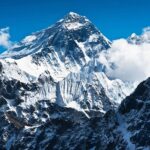
The payoff: a 360-degree view around you, including Everest, Nuptse, Lhotse, Khumbutse, Pumori, Lingtren, and more. The plan also highlights unobstructed views for both sunrise and sunset, which is why many trekkers treat this stop like a priority.
Then you hike back down to Pheriche via Lobuche and Thukla, with gently descending terrain. This is a recovery day disguised as a travel day—your legs will work, but it’s not the same push as earlier.
Downhill back to Namche and Lukla: legs get tested
Day 11 takes you from Pheriche to Namche Bazaar. This is a long downhill trek, about 8–9 hours and roughly 22km (13.7 miles). Yes, downhill can feel easier, but it also stresses knees and shins. Go slow on the steeper sections.
Namche on the way back feels like relief. You can stop for comforts like the Namche Bakery or a café break (including pool at Cafe Danfe, if you’re in the mood). When you’re climbing for days, simple distractions become morale boosters.
Day 12 drops you from Namche back to Lukla, again described as one of the harder days because you’re tired and the climb back uphill to Lukla is waiting at the end. You’ll pass Phakding and finish with the last uphill stretch into Lukla for an overnight lodge stay. Expect about 7–8 hours and around 21km (13 miles).
Return to Kathmandu: the decompression day you’ll actually feel
On Day 13 you fly back from Lukla to Kathmandu around 8:30am. The flight is brief (about 35 minutes), and then you’re back in Kathmandu to reset.
This day includes time for a hot shower, laundry, a meal you don’t have to think about, and some last-hour shopping in the city. It’s the right kind of landing after a trek that chews through your schedule and your energy.
Who this private Everest Base Camp trek suits best
This itinerary fits hikers with moderate fitness who can handle long days and altitude. If you want the Everest Base Camp dream with a structured plan for acclimatization—and you prefer private group support—it’s a strong match.
It’s especially good if you:
- Want a licensed guide and day-by-day management
- Like Sherpa villages and monasteries, not just summit selfies
- Appreciate optional choices like Kala Pathar timing or the Nangkar Tshang add-on
- Value included Lukla airfare and permits so you’re not piecing the plan together yourself
If you’re looking for a very easy trek, this isn’t it. This route repeatedly asks you to climb and adjust, and you’ll feel it.
Booking check: what to verify before you pay
Before you book, I’d confirm a few practical points since the trek depends on weather and personal needs:
- Your dates and expected Lukla flight conditions (Lukla can be weather-sensitive)
- That the included sleeping bag is warm enough for your personal cold tolerance
- What bottled water and snacks you plan to carry or buy
- Whether you need extra insulation beyond what you’ll get in the provided items list
Also, you can ask the operator about guide assignment. People have mentioned guides like Dorchi Sherpa and Kumar for good communication and steady support, plus other names such as Dan and Sera tied to clear, patient trip prep. If you have a preference style—extra explanation, calm pacing, strict safety focus—tell them.
Should you book this 13-day private EBC trek?
Yes, if you want a well-paced Everest Base Camp trek with private guidance and fewer logistics headaches. The value here comes from stacking the expensive moving parts—Lukla flights, permits, guide support, and tea-house lodging with meals—into one package.
I’d skip it or rethink it if you can’t handle long hiking days, or if no hot shower during the trek and limited charging/wifi would ruin your comfort expectations. But if you can live simply for a couple of weeks, the combination of Namche and Dingboche acclimatization plus Kala Pathar views is exactly the kind of Everest experience that stays with you.
FAQ
How much does the 13-day private Everest Base Camp trek cost?
It costs $1,350.00 per person.
What’s included in the trek price?
The package includes government taxes and national park permits, a licensed guide, domestic return airfare Kathmandu–Lukla–Kathmandu with airport pickup/dropoff, a first aid kit, an Alpwander Adventures T-shirt, trekking poles, and a sleeping bag. It also includes 2 nights in a 3-star hotel in Kathmandu with breakfast, 11 nights in tea houses during the trek, and meals (breakfast, lunch, and dinner during the trek as listed). Mobile ticket is also included.
What is not included?
Not included are bottled water, alcoholic beverages during the trek, electronic charging and wifi during the trek, and hot shower during the trek.
What time does the trek start and what’s the meeting point timing?
The start time is listed as 6:15 am.
What are the highest points on the trek?
Everest Base Camp is listed at 5,380m, and Kala Pattar / Kala Pathar is listed around 5,545m (also shown as about 5,550m during the route).
Is this trek private or shared?
It’s a private tour/activity, meaning only your group participates.
When do you fly back to Kathmandu?
You fly back from Lukla to Kathmandu around 8:30 am on Day 13, with a flight time of about 35 minutes.
What refund is offered if plans change?
You can cancel up to 6 days in advance for a full refund. Cancel 2–6 days before for a 50% refund, and within 2 days there is no refund.