REVIEW · CHIANG MAI
Chiang Mai Authentic Trekking
Book on GetYourGuide →Operated by Thai Eco Trek Adventures · Bookable on GetYourGuide
A real mountain day happens south of Chiang Mai. This Chiang Mai Authentic Trekking outing mixes a Karen Hill Tribe community visit with a true forest-and-farm hike, guided by Pan, who’s big on plant spotting and how locals use nature every day.
I especially like the school + village stop at Khun Poi, because it’s a human-scale look at daily life, not a drive-by photo op. And the route is serious enough that you get those wide valley views without it turning into a theme-park walk.
One consideration: it’s a medium trek (about 10–12km) with steep and sometimes slippery parts, so you’ll want solid shoes and the fitness to handle 4–5 hours of hiking.
In This Review
- Key Highlights I’d Put First
- Why Chiang Mai’s Countryside Trek Feels More Honest Than a City Tour
- Hotel Pickup to Market Lunch: Timing Matters More Than You Think
- Khun Poi Village and the School Morning: The Cultural Part Actually Has Weight
- The 10–12km Mountain & Forest Trek: What the Route Really Demands
- Forest Lunch at the Right Time: Fuel for Views, Not a Rushed Picnic
- Hill Tribe Farms After the Peak: Coffee, Fruit, and Real Farming
- Hidden Waterfall Refresh: The Cool-Off Moment That Changes the Mood
- Pace, Footing, and Who This Trek Fits Best
- Price and Value: Why $57 Can Actually Make Sense Here
- When to Go: Dry, Wet, and What That Means on the Trail
- What to Bring So the Day Stays Fun
- Should You Book Chiang Mai Authentic Trekking?
- FAQ
- How long is this Chiang Mai trekking day?
- What distance will I hike?
- How difficult is the trail?
- Will I have lunch during the hike?
- Is there an English-speaking guide?
- What’s the group size?
- Do I get a chance to swim?
- What’s included in the price?
- What should I bring with me?
Key Highlights I’d Put First
- Khun Poi Karen Hill Tribe school visit gives context for agriculture and everyday culture
- Pan’s plant knowledge turns the forest walk into a practical nature lesson
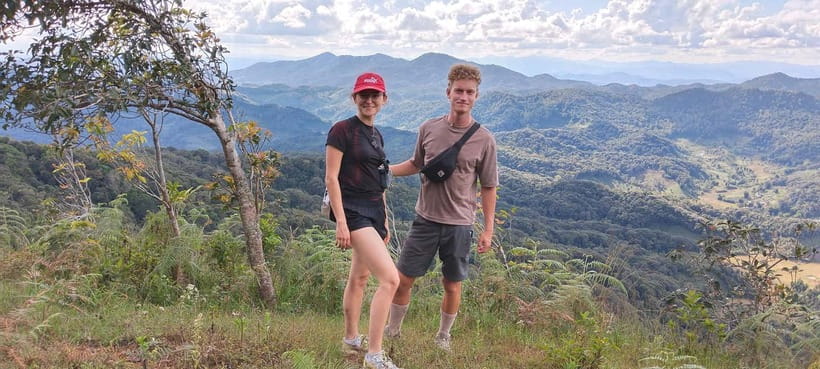
- Phalai Mountain Peak delivers big views over Mae Wang and surrounding areas
- Forest lunch comes with fresh air and quiet, away from the road
- Hill tribe farms on the way down pass coffee, passion fruit, and other crops
- Hidden waterfall refresh means you’re not just hiking—you get to cool off
Why Chiang Mai’s Countryside Trek Feels More Honest Than a City Tour
Chiang Mai is great, but the city has a way of compressing everything into one grid: markets, temples, scooters, repeat. This trip pulls you out of that rhythm fast. After pickup, you head south into the countryside where the day becomes about walking, looking, and noticing how mountain people live.
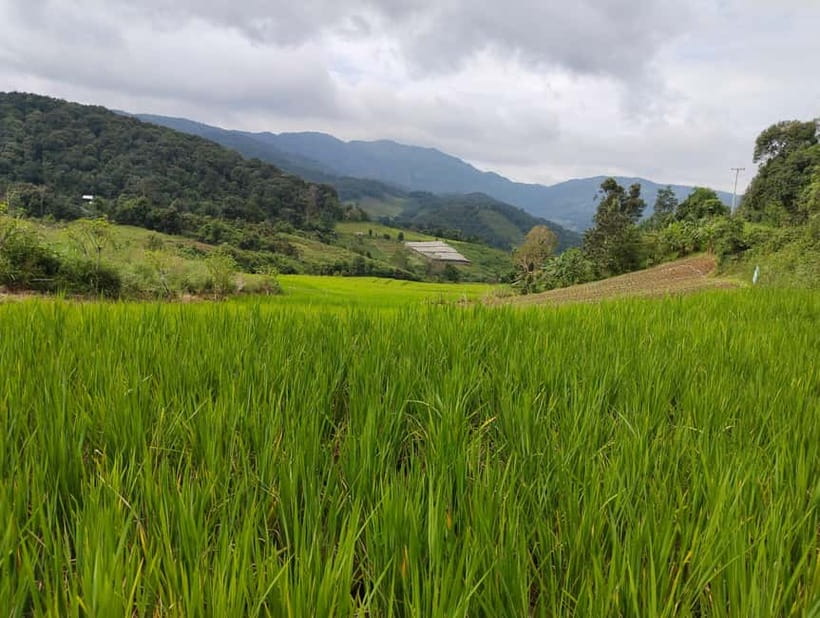
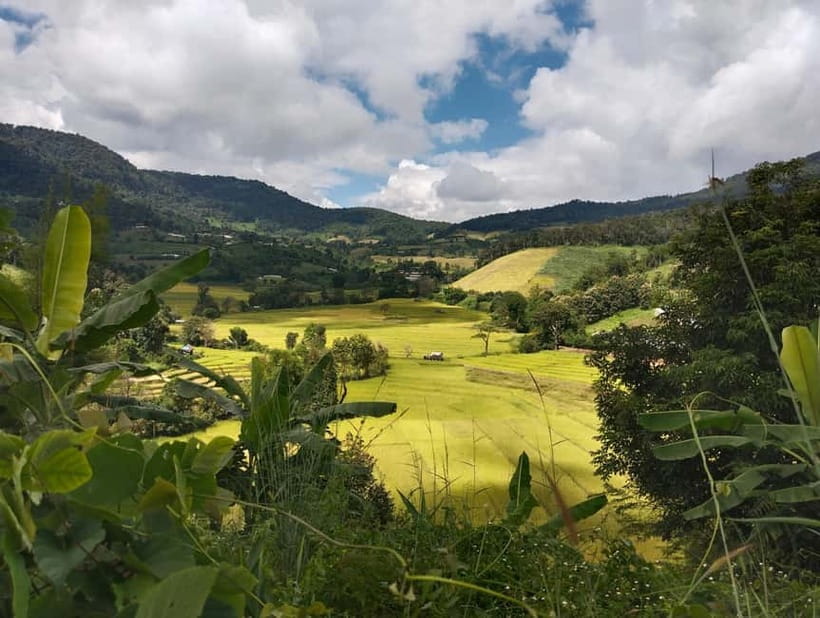
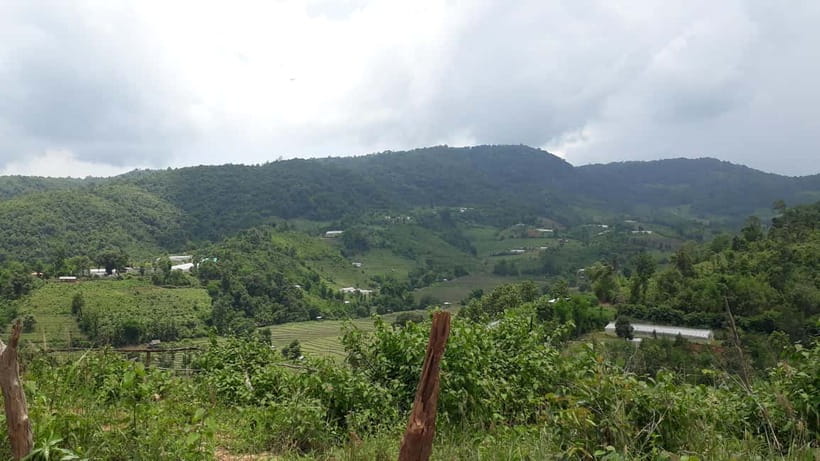
What makes it feel more grounded is the way the day is built around real places: a mountain viewpoint, Khun Poi (Karen Hill Tribe), rice fields and evergreen forest, and then Phalai Mountain Peak near the Doi Inthanon region. It’s not just a route to check off; it’s a sequence of settings that explains how people work with the terrain.
And because it’s capped at 8 participants with an English-speaking guide and local assistant, the pace stays personal. You’re not stuck listening to a big group strategy session. You’re hiking, stopping when something matters, and moving with the flow of the landscape and the community.
You can also read our reviews of more tours and experiences in Chiang Mai.
Hotel Pickup to Market Lunch: Timing Matters More Than You Think
You start early—pickup is typically 07:45–08:00 AM—and that’s a gift. It means cooler air for the uphill parts and fewer crowds near viewpoints. Once you meet your guide and get onto the van, you’ll drive south and pass countryside scenery before the first stops.
The first meaningful break is a stop at a traditional Thai market. The idea here is simple: you pick up lunch components and drinking water so you’re fueled before the climb. This works well because the trek is about hours of movement, not a quick walk-and-snack situation.
Then you get a scenic viewpoint stop on the way to Khun Poi Village. It’s designed for photos, but the bigger value is mental: you get the lay of the valley before you start walking. When later you reach Phalai Mountain Peak, you’ll understand what you’re looking at—more than just pretty scenery.
Practical tip: treat the market time as your last easy “prep” moment. If you need snacks beyond lunch, you’ll be able to buy some for your own expenses, but the essentials—food for the hike and water—are the focus.
Khun Poi Village and the School Morning: The Cultural Part Actually Has Weight
At Khun Poi Village you step into a Karen hill tribe community surrounded by mountains and farmland. The guide helps you understand their agricultural lifestyle and culture, and that context matters because the rest of the hike keeps returning to how plants grow and how people use them.
One of the most moving parts is the school visit. You see the children during their day, and it adds a real rhythm to the morning. It’s not a staged performance; it’s daily life. That’s why it feels memorable and not touristy.
It also explains why the trek is structured the way it is. When you later walk through rice fields, forest trails, and crop areas, you’re not just passing scenery. You’re watching a working landscape.
A consideration: this is not a “comfort-only” cultural stop. You’ll be outdoors, moving between points, and learning while walking. If you like culture that connects to daily work and the environment, this format fits.
The 10–12km Mountain & Forest Trek: What the Route Really Demands
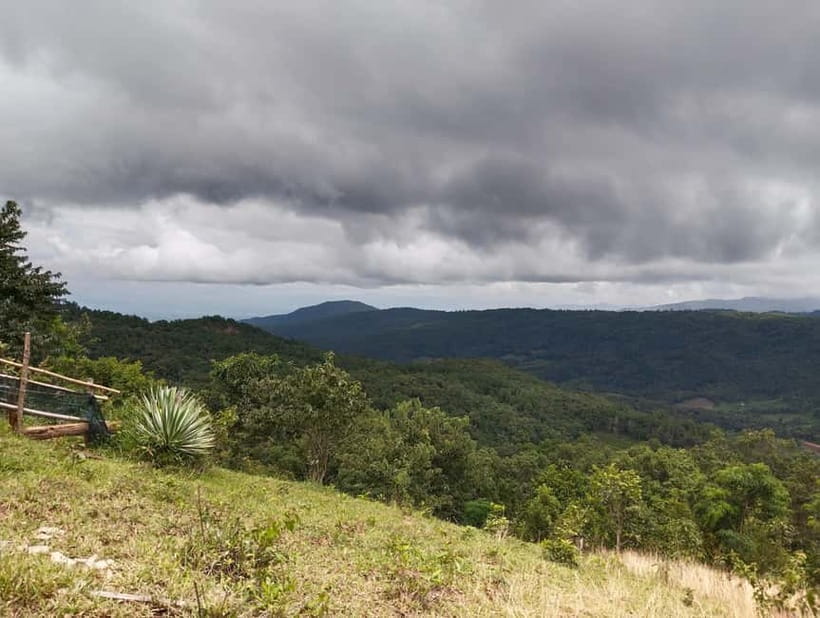
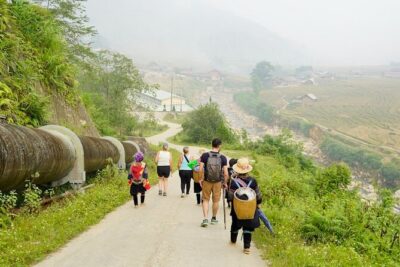
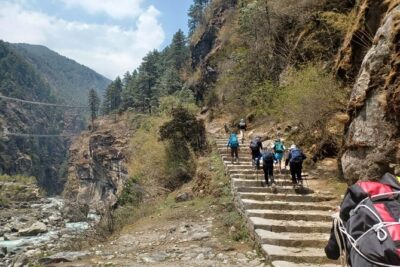
The trekking portion runs about 4–5 hours and covers roughly 12km total mountain terrain. Difficulty is rated medium, but don’t let the word medium trick you. The key word is mountain. There’s uphill effort, and some segments can feel steep and slippery if conditions are wet.
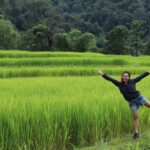
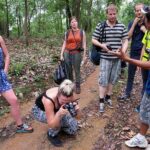
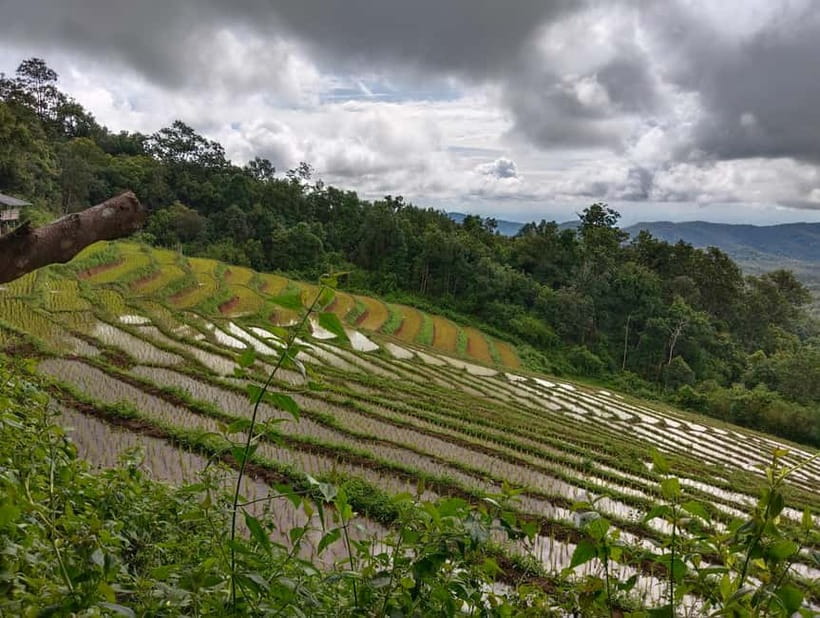
The day starts with movement through a mix of fields and forest: rice fields, evergreen forest, and natural trails where the guide points out edible plants and herbs. This is one of the best reasons to book this rather than a generic hike. Instead of counting steps, you’re learning what people actually recognize in the plants around them—food, medicine, and everyday use.
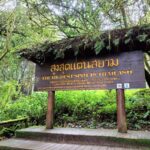
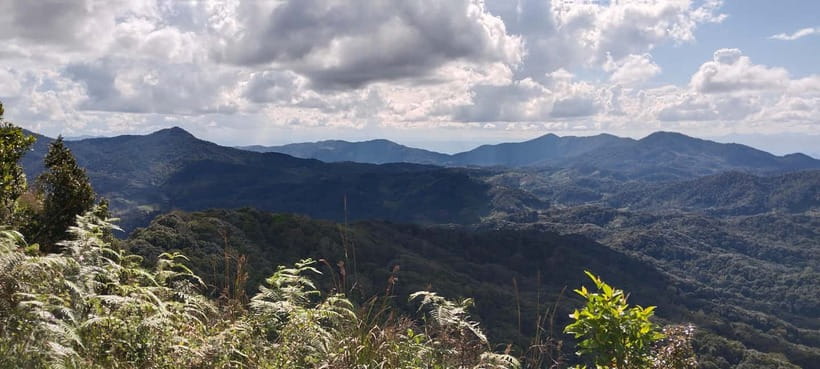
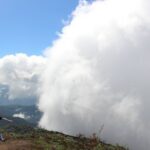
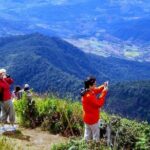
Between Chom Thong and Mae Wang districts, the route connects to the Doi Inthanon National Park area, and that’s where Phalai Mountain Peak comes in. Reaching the top is the big payoff moment: valley views, village views, and a sense of how everything is distributed across mountain ridges.
Wildlife might appear—wild boar, gibbons, barking deer, and many bird species are possible—but think of this as an ethical, nature-based watch, not a guaranteed spotting game. You’ll be hiking through habitat, not searching with a net.
Forest Lunch at the Right Time: Fuel for Views, Not a Rushed Picnic
The trek includes a forest lunch in a peaceful mountain setting. It’s a healthy meal with fresh air, and timing matters here. You’re not eating at the end of the day like a reward after fatigue. You’re eating when you still have the energy to enjoy the peak and the descent.
Because lunch is tied to the earlier market stop, it feels more integrated than a grab-from-a-box scenario. You’re already invested in the day by the time you sit down, so the meal lands as part of the experience rather than an interruption.
This is also where the guide’s plant knowledge becomes useful in a practical way. Even if you don’t plan to “identify every herb,” you’ll leave with a better sense of how people read the environment. That makes later moments—like passing crop areas—feel connected instead of random.
Pack mindset: treat lunch as your main fuel. If you want extra energy snacks, plan to bring them or buy personal snacks in your own expense time window where available.
Hill Tribe Farms After the Peak: Coffee, Fruit, and Real Farming
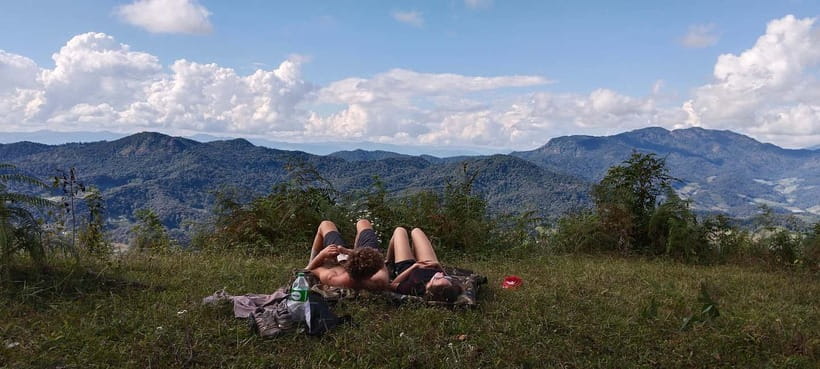
Once you’ve taken in the view from Phalai Mountain Peak, the trek continues through hill tribe farms. This stretch is where the day shifts from “deep nature” to “working agriculture,” and it’s a great reminder that farming here is not separate from the forest—it’s part of the same ecosystem.
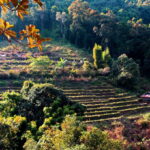
The guide introduces crops you might pass along the path, including coffee, passion fruit, cape gooseberry, tomatoes, zucchini, taro, and more. Seeing these plants while walking the slopes gives you a better idea of how communities organize planting across elevation and sunlight exposure.
The value isn’t just the list of crops. It’s the way the guide explains how the community lives in harmony with nature. That message hits hardest after you’ve already walked through forest trails and rice fields, so you’re not hearing theory—you’re seeing the pattern.
Expect this portion to keep you moving. Some hikes ease after the peak; this one keeps momentum so you still have time for the final refresh stop.
Hidden Waterfall Refresh: The Cool-Off Moment That Changes the Mood
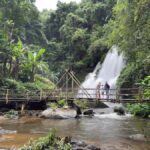
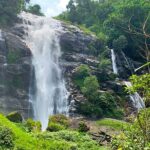
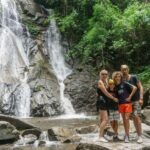
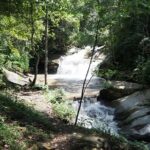
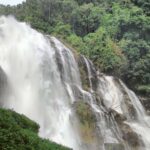
After the trek, you head to a secluded waterfall for a refreshing break. The idea is simple: cool off, relax, and take photos before heading back to Chiang Mai.
This part matters more than it sounds. Hiking can be both rewarding and draining, and a swimming or cooling option resets the day. Even if you don’t fully swim, you’ll likely enjoy the comfort of being near moving water for a while.
To get the most out of it, bring swimwear and a towel. Wear comfortable clothes that dry faster, because you’ll want to be back in travel mode when the van arrives.
Then it’s the drive back to the city, typically landing around 5:00–6:00 PM.
Pace, Footing, and Who This Trek Fits Best
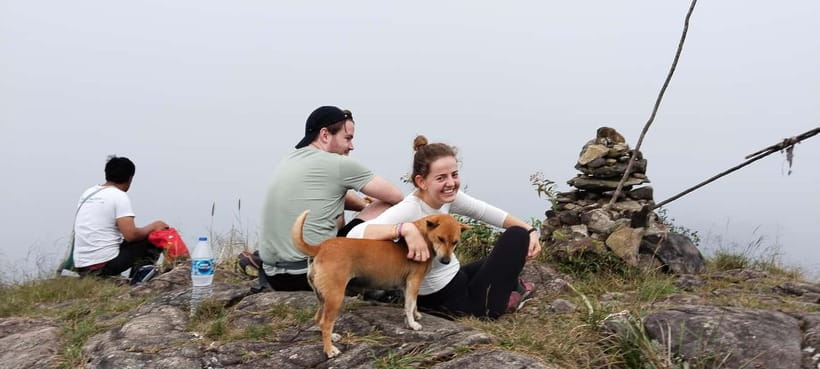
This trek is best for people who don’t mind working for their views. The time on the trail is 4–5 hours, and the route is rated medium with mountain terrain. Based on what you’re walking through—forest trails, steep sections, and natural paths—you should assume your legs will feel it.
It’s not suitable for everyone. The activity is marked as not for:
- Pregnant women
- People with mobility impairments
- People with heart problems
- Wheelchair users
- Babies under 1 year
- People over 95 years
- People over 70 years
If you’re in the eligible fitness range but you’re unsure, ask yourself a simple question: can you comfortably walk 4–5 hours outdoors with some uneven footing? If yes, this can be a very satisfying day. If not, you might end up feeling stressed instead of enjoying the walk.
What makes it manageable for many people is that the guide keeps the day moving while stopping for key moments: viewpoint, village school visit, peak, lunch, and the waterfall.
Price and Value: Why $57 Can Actually Make Sense Here
At $57 per person for a 1-day experience, value comes from the mix of logistics and included essentials.
Here’s what you’re paying for:
- Hotel pickup and drop-off around Chiang Mai
- Transport to and from the countryside
- English-speaking tour guide plus a local assistant
- Accident insurance
- Lunch and drinking water
Many Chiang Mai tours can be cheap but then nickel-and-dime you for transport, guiding, and meals. This one bundles the big costs so the day feels complete. You’re not spending your day “figuring it out.” You just show up with the right gear.
The small group size (up to 8) is also part of the value equation. Fewer people usually means more time for questions and more freedom to pause when something matters—plants, crops, viewpoints, or the cultural stops.
Also, you’re paying for something harder to measure: a hike that’s clearly built around real local routes rather than only tourist checkpoints. That authenticity is why people end up feeling like they had a mountain day, not a scripted excursion.
When to Go: Dry, Wet, and What That Means on the Trail
The trek has seasonal context based on Thailand’s weather cycles:
- Summer season: mid February to mid May
- Raining season: mid May to mid October
- Winter season: mid October to mid February
Dryer stretches tend to feel better on steep trails because footing is steadier and the forest paths are less slick. In the rainy season, expect the mountain terrain to feel more challenging, even if the route runs as planned.
If you’re choosing between dates, pick based on your comfort with wet conditions and slippery footing. Since this trek can involve steep and natural trails, weather is not a side detail—it’s part of how the day will feel.
What to Bring So the Day Stays Fun
You’ll get the most enjoyment if you pack like you’re going hiking, then swimming. The essentials from the provided list:
- Comfortable shoes or hiking shoes
- Sun hat
- Sunscreen
- Insect repellent
- Swimwear and towel
- A daypack
- Camera
- Cash (for personal expenses)
- Weather-appropriate clothes
- Personal medication
- Passport
One more practical note: bring clothing you don’t mind getting dusty or damp. The day is part forest, part farms, part waterfall.
Should You Book Chiang Mai Authentic Trekking?
If you want a one-day Chiang Mai experience that’s more than temple-photo-and-market-repeat, this is a strong choice. I’d book it if you like walking in nature, learning how people use plants in daily life, and seeing the Karen Hill Tribe community at Khun Poi through a school visit and village context.
You should skip it if you’re avoiding hills, dealing with mobility or health constraints, or you know you won’t do well on uneven mountain trails. This is a real hike with a real uphill component, and the payoff comes from effort.
If that sounds like your kind of day, go for it—and pack your shoes like they matter. On this trek, they do.
FAQ
How long is this Chiang Mai trekking day?
The trek portion runs about 4 to 5 hours, and the activity is listed as a 1-day experience overall.
What distance will I hike?
The total trekking distance is about 12KM on mountain terrain.
How difficult is the trail?
Difficulty is rated medium, with mountain terrain and a moderate hiking duration of 4–5 hours.
Will I have lunch during the hike?
Yes. You’ll stop at a traditional Thai market where you can buy lunch and drinking water, and you’ll also have lunch in the forest during the trekking day.
Is there an English-speaking guide?
Yes. The tour includes an English speaking tour guide, plus a local assistant.
What’s the group size?
This is a small group limited to 8 participants.
Do I get a chance to swim?
After the trek, there’s a hidden waterfall refresh stop with swimming available, so bring swimwear and a towel.
What’s included in the price?
Included are hotel pickup and drop-off around the city, transportation, accident insurance, an English speaking guide, a local assistant, lunch, and drinking water.
What should I bring with me?
You should bring comfortable shoes (or hiking shoes), sun hat, swimwear, towel, camera, sunscreen, insect repellent, cash, weather-appropriate clothing, a daypack, personal medication, and your passport.