REVIEW · KATHMANDU
Annapurna Circuit Short Trek
Book on Viator →Operated by Adventure Bound · Bookable on Viator
Time is the enemy on the Annapurna. This short-circuit version keeps the classic route spirit while cutting trekking days for people with real schedules, starting from Besisahar and ending with a flight out of Jomsom.
I like two things right away: you get 3 meals a day on the trek (breakfast, lunch, dinner), and you travel with a licensed, experienced guide who can set a pace for your group. The reviews also name guides like Santosh, Raj, Bhakta Kubir Rai, Raman Aryal, and Sandip, and the common theme is attentive support.
One consideration: even though it’s shorter, you’re still dealing with high-altitude trekking, and it helps to have moderate fitness and realistic expectations about breath and energy.
In This Review
- Key things to know before you go
- A Short Annaparna Circuit Plan That Respects Your Calendar
- From Kathmandu to the Trailhead: Pickup, Bus, and 7:15 Start
- Besisahar and the Pre-Trek Setup You’ll Feel on Day One
- Tea Houses and Included Meals: The Comfort That Keeps You Moving
- Guide Power: Santosh, Raj, Bhakta Kubir Rai, Raman Aryal, Sandip
- Walking Days and High-Altitude Reality (Thorong La Mentioned at 5,416m)
- Jomsom to Pokhara: The Flight That Saves Your Legs
- Price and Logistics: Is $1,180 Good Value?
- Physical Prep: Moderate Fitness, Cold Nights, and Thin Air
- What I’d Watch Out For Before You Book
- Should You Book the Annapurna Circuit Short Trek?
- FAQ
- How long is the Annapurna Circuit Short Trek?
- Where does the trip start, and what time do we start?
- Does the price include pickup from Kathmandu airport?
- Are permits included for the Annapurna Circuit trek?
- Are meals included during the trek?
- Do I need my own sleeping bag and down jacket?
- Is a porter included?
- Is travel and rescue insurance included?
Key things to know before you go
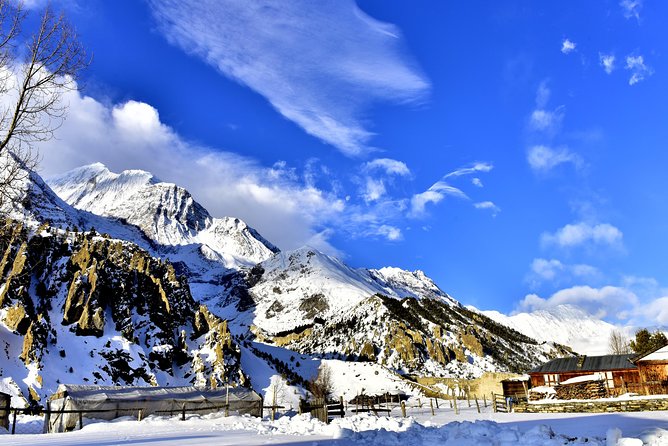
Short-circuit pacing for busy calendars: Less walking time than the full Annapurna Circuit, built for people who can’t spare weeks.
Tea-house trekking with real meals: Breakfast, lunch, and dinner are included, so you’re not playing menu roulette daily.
Guides do the heavy lifting: Expect licensed guiding and practical trail pacing, with many named guides receiving high praise.
Gear support is part of the package: If you don’t have one, you can use a sleeping bag and a down jacket (returned after the trip).
A clean exit to Pokhara: The Jomsom to Pokhara flight and a Pokhara hotel night keep the last day from dragging.
A Short Annaparna Circuit Plan That Respects Your Calendar
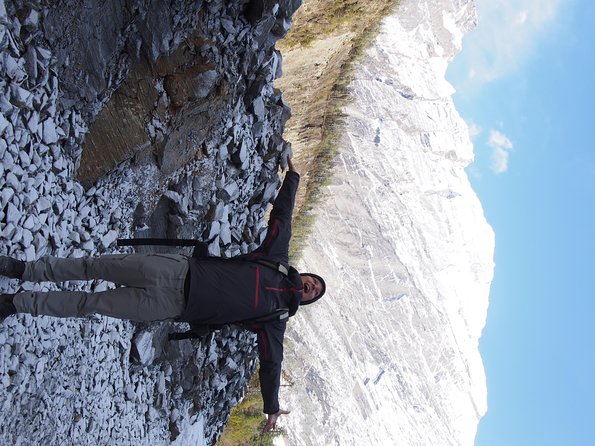
The Annapurna Circuit is famous for a reason. Big views, dramatic passes, and long days of hiking can turn into a life memory. The catch is time. This short version exists for you when you want the circuit experience, but you don’t have the weeks it usually demands.
You’re also not starting in an empty wilderness. The trip begins in Besisahar, a subtropical river town on the Marshyangdi River. That matters on day one because you get a normal-world ramp-up: forests nearby, mountain villages in the mix, and chances to see notable peaks if conditions line up.
In practical terms, this itinerary is designed around shorter trekking days while still focusing on the Annapurna Circuit route experience. It’s commonly described as doable in about 14 days including arrival and departure, and the program is listed around 12 days for the core travel flow. Either way, plan for a real journey, just not the full long-haul version.
You can also read our reviews of more tours and experiences in Kathmandu.

From Kathmandu to the Trailhead: Pickup, Bus, and 7:15 Start
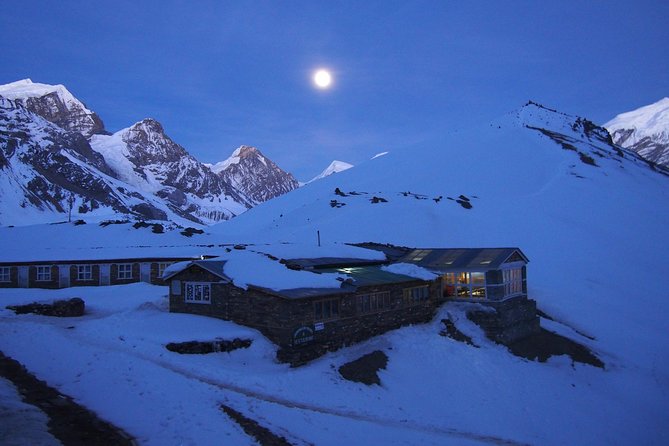
Most people underestimate how much travel logistics can shape the mood of a trek. This one tries to reduce stress early.
You get pickup from Kathmandu International Airport, then you’re moving toward the trail area with scheduled transport. The package includes bus transportation from Kathmandu to Bulbule. The start time is 7:15 am, so you’ll want a good night before and a breakfast that actually sticks.
One small but useful detail: the trek starts from Besisahar, and it’s described as the next best place to pick up any extra supplies or snacks you missed in Kathmandu. That’s smart. If your snacks run out, you’ll feel it on a long day.
You’ll also travel as a private group—only your group participates. That tends to help if you want a guide who can adjust pacing without a big crowd to manage. It can also mean you’ll rely more on your guide’s decisions, so choose a guide style you’ll enjoy.
Besisahar and the Pre-Trek Setup You’ll Feel on Day One
Besisahar isn’t just a dot on the map. It’s your first taste of the Annapurna region vibe: river life, mountain villages, and forested surroundings before the trail asks anything from you.
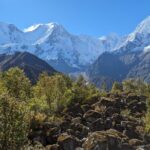
If the weather cooperates, you may catch glimpses of peaks such as Annapurna II, Machhapuchhre, and LamjungHimal. Even if the views are partial, that first day perspective helps you understand why people get hooked on this trek.
You’ll also do practical prep there. If you’re the type who packs snacks, energy bars, or extra layers, Besisahar is your last comfort stop. After this, the rhythm shifts to trekking days where your choices get limited to what’s available along the route and what you brought.
This is one reason I like short-circuit itineraries. They don’t remove the challenge. They just reduce wasted time. Your energy goes into walking, not wandering around trying to figure out logistics.
Tea Houses and Included Meals: The Comfort That Keeps You Moving
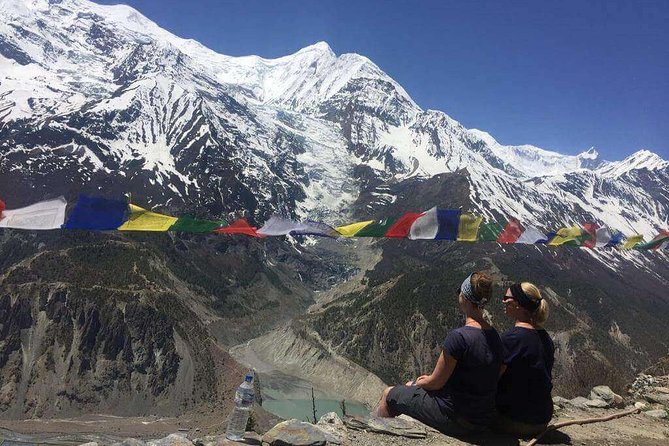
A trek like this can feel endless if you’re constantly thinking about food. Here, the structure is clear: 3 meals a day during the trek—breakfast, lunch, and dinner. That matters because on a trekking schedule, food timing affects your mood and your energy more than you’d think.
You’ll stay in tea houses during the trekking portion. Tea houses are simple by design. But when meals are included, you can focus on pacing and altitude rather than negotiating your next meal every day.
The package also includes a trekking map and a first aid medical kit, which is practical in mountain travel. You’re not being asked to solve everything yourself. The guide is there for route and safety decisions, and the kit is there for the small stuff that can ruin a day if ignored.
Also, don’t ignore the included warm gear option. If you don’t have a sleeping bag or down jacket, the trip provides them. You return them after the trek, so treat them like rented equipment: keep them dry, pack them carefully, and don’t leave them behind like a forgotten sock.
Guide Power: Santosh, Raj, Bhakta Kubir Rai, Raman Aryal, Sandip
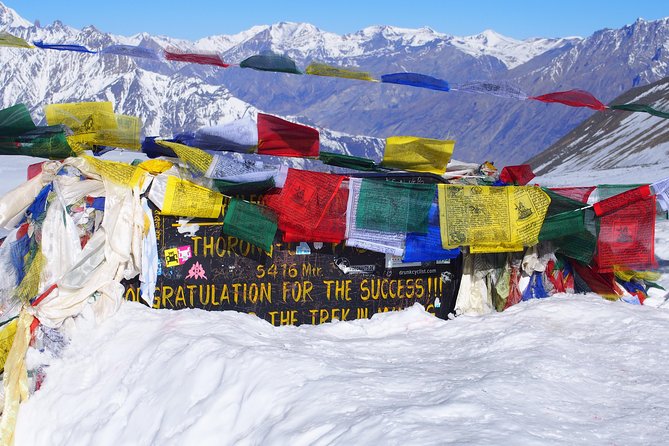
This itinerary lives or dies by how well the guide manages pace and wellbeing. The reviews you provided repeatedly name guides and describe how they adjusted to needs, stayed patient, and kept people comfortable during the hard parts.
Some names that show up include Santosh, Raj, Bhakta Kubir Rai, Raman Aryal, and Sandip. People also mention porter support in some cases, like Beesal, and that kind of teamwork can make the trek feel lighter even when your legs are yelling at you.
Here’s what I look for in a guide on a short trek: someone who understands high-altitude reality and doesn’t rush. With shorter itineraries, the schedule can feel “tight,” so the guide’s job is to keep you moving safely without turning the trek into a forced march.
The other big thing is practical support at lodges. Several reviews highlight flexibility and accommodating behavior when people were resting at tea houses. That’s where you’ll care most about a guide’s calm approach—when you’re tired, hungry, and trying to figure out how you’ll feel tomorrow.
If you value clear explanations, cultural context, and day-to-day decisions that feel thoughtful, the guide component here is a strong selling point.
Walking Days and High-Altitude Reality (Thorong La Mentioned at 5,416m)
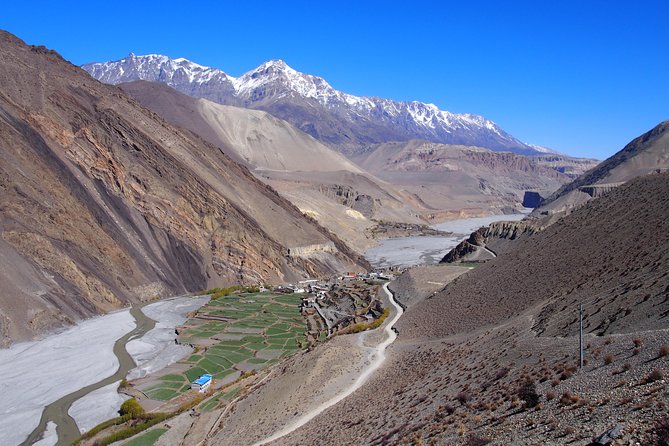
The short Annapurna Circuit isn’t just “less time.” It changes the feel of the trek. You’re moving through the same region, but the hiking is compressed, so you’ll feel every climb and every slow section.
From your trip details, the route connects areas like Besisahar and Bulbule to later walking zones such as Bagarchhap and even Jagat, depending on the chosen short-circuit variant. The finish area is Jomsom, where the exit changes from walking to flight.
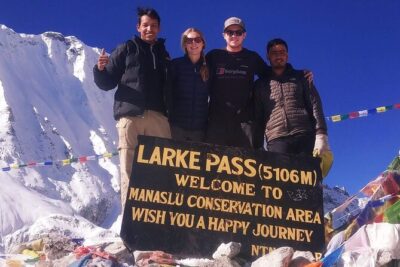
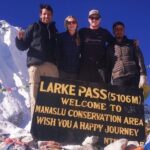
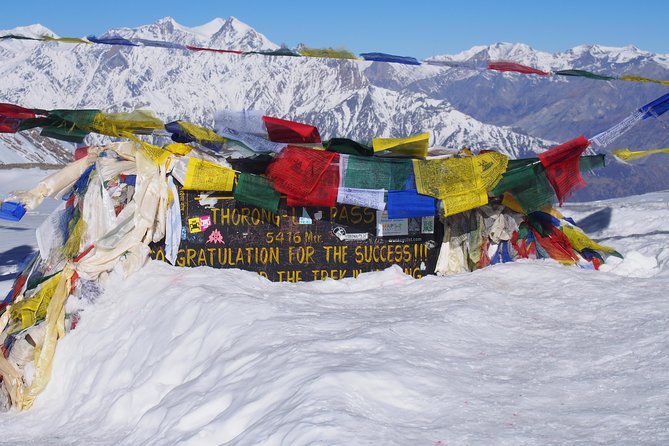
Altitude is the big factor. Your data specifically mentions Thorung La Pass at 5,416m in some versions of the experience. Even if your exact path differs, you should assume the trek includes serious altitude exposure.
That means pacing matters more than raw speed. A short itinerary can still challenge you with thinner air, colder nights, and long stop-and-go hiking. Bring layers, keep hydrated, and listen to your guide when they suggest slowing down.
Some participants also talk about add-ons like Tilicho Lake (5,000m) and 3600m areas like Khopra Danda, plus extensions such as Poonhill. Those additions weren’t described as always included, so treat them as possible combinations if your schedule allows and if you’re physically prepared.
My practical advice: if you’re booking this because you want the circuit energy but less time, don’t turn every day into a personal best. On a short trek, consistency beats hero effort.
Jomsom to Pokhara: The Flight That Saves Your Legs
The finish is a relief in the best way. The plan includes a flight ticket from Jomsom to Pokhara. That’s a huge value for your body. Instead of stretching the final distance into another long day, you get an air option that keeps the ending from becoming a slog.
After you land in Pokhara, you get one night’s accommodation with breakfast at a hotel. That hotel night matters. You’re coming off a trekking rhythm and you need a place to reset sleep and meals.
The tour also includes tourist bus transport from Pokhara back to Kathmandu. It’s not a private car upgrade, but it’s a straightforward way to close the loop without adding extra planning.
This structure is why I think the short-circuit version works for many people. You get enough trekking intensity to feel you earned the views, but you also get a reasonable exit plan that protects your energy for the travel days afterward.
Price and Logistics: Is $1,180 Good Value?
At $1,180 per person, this trip isn’t cheap on its face. But you should judge value by what’s handled for you.
Included items you’d otherwise need to organize or buy separately include:
- Pickup from Kathmandu International Airport
- Permits for the Annapurna Circuit trek
- All necessary permits (listed as included)
- Meals: breakfast, lunch, dinner during the trek
- Tea house accommodation during the trek
- A government-licensed, experienced guide
- Sleeping bag and down jacket if you don’t have them (returned after the trip)
- Trekking map and a first aid kit
- Jomsom to Pokhara flight ticket
- Tourist bus transport back to Kathmandu
- Government taxes and office service charge
Not included are also important to factor in:
- Accommodation in Kathmandu
- Extra city nights if your timing doesn’t line up
- Private transport and air tickets beyond the stated flight
- Travel and rescue insurance
- Porter
- Personal expenses like phone calls, laundry, bar bills, charging, and shower costs
So who is this best for? People who want a planned route with permits, meals, lodging style, and core transport handled. If you’re the kind of traveler who enjoys planning everything yourself and negotiating details on the fly, this might feel like you’re paying to reduce your effort. If you’d rather spend that mental energy on hiking, it’s a fair trade.
Also, note the short-trek angle. The program exists because many people can’t complete the full circuit due to time limits. If you’re booking because you have limited days, the value improves. You’re paying to solve a scheduling problem, not just buying a route.
Physical Prep: Moderate Fitness, Cold Nights, and Thin Air
The program says travelers should have moderate physical fitness level. That’s a good fit for strong walkers who can handle long days, uneven paths, and cold conditions.
But you should treat the altitude reality seriously. Thorung La at 5,416m is explicitly mentioned in the data you shared. Even with shorter walking days, your body still needs time to adjust. Your guide’s pacing will likely be the deciding factor in whether the trip feels tough but manageable—or punishing.
You should also plan for the cold. The trip includes a down jacket and sleeping bag rental if you don’t already have them, and that’s a hint about conditions. Bring your own base layers if you can, and use the rental gear as the extra warmth buffer.
Finally, don’t forget you’re not getting a porter included in the package. That doesn’t mean you can’t do it without one. It just means your pack weight is your responsibility unless you arrange help yourself. If you know you carry too much, edit your kit before you leave Kathmandu.
What I’d Watch Out For Before You Book
This is where I keep it real.
First, the trek may be shorter, but it isn’t short on difficulty. Compressing the route can increase the pressure to keep moving. If you’re prone to rushing when you’re motivated, you’ll want to slow down with purpose.
Second, your warm gear is rental. You must return it after the trip. Treat it respectfully, and don’t pack it in a last-minute panic at the lodge.
Third, the package doesn’t include a porter. If you’re planning to travel with a heavy daypack plus trekking essentials, consider whether you’ll want porter support.
Fourth, your Kathmandu accommodation isn’t included. That’s normal, but it can affect your budget if you arrive late or depart early. One extra city night can change the math.
Lastly, this is a private tour/activity. That can be great for focus and flexibility. It can also mean fewer chances to meet other hikers in a group setting. If you want a built-in social vibe, plan for that.
Should You Book the Annapurna Circuit Short Trek?
Book it if you want the Annapurna Circuit experience without committing to the full-length trek. The included meals, tea-house lodging style, permits, guide support, and the Jomsom to Pokhara flight create a trip that’s designed to work on limited time.
Skip it or reconsider if:
- You’re not comfortable with high-altitude trekking, even on a short schedule
- You don’t want to handle the responsibility of your own pack weight
- You’d rather plan every detail yourself, including permits and daily logistics
If you’re a capable walker with moderate fitness, and you want the route’s iconic feel with strong organization, this short-circuit option is a sensible way to do it. You’ll still earn every view. You’ll just earn it faster.
FAQ
How long is the Annapurna Circuit Short Trek?
The duration is listed as 12 days approximately. The short version is also described as completing in 14 days including arrival and departure.
Where does the trip start, and what time do we start?
The trekking begins with the start meeting point in Besisahar, and the start time is 7:15 am.
Does the price include pickup from Kathmandu airport?
Yes. Pickup from Kathmandu international airport is included.
Are permits included for the Annapurna Circuit trek?
Yes. All necessary permits for the Annapurna Circuit trek are included.
Are meals included during the trek?
Yes. The package includes 3 meals a day (breakfast, lunch, and dinner) during the trek.
Do I need my own sleeping bag and down jacket?
If you don’t have one, the trip provides a sleeping bag and a down jacket. You have to return them after the trip.
Is a porter included?
No. A porter is not included.
Is travel and rescue insurance included?
No. Your travel and rescue insurance is not included.