REVIEW · CHIANG MAI
Chiang Mai: 2-Days Chiang Mai Amazing Trek
Book on GetYourGuide →Operated by Thai Eco Trek Adventures · Bookable on GetYourGuide
Chiang Mai countryside gets real fast. This 2-day eco trek mixes temples, forest trails, a Karen hill tribe overnight, and a slow bamboo raft ride, so you see more than just the usual sights.
What I like most is the combo of famous and offbeat: you start at Doi Suthep Temple, then add the calmer, less-visited Wat Pha Lat. I also really value the way the trek is guided with learning built in, from native plants and sustainable farming you’ll see on the walk to herbal medicine and local biodiversity the next day.
The one thing to weigh is comfort level. The overnight in the hill tribe village is basic, and the mountain trekking means you’ll want solid shoes and a ready attitude for uneven, sometimes muddy paths.
In This Review
- Key things that make this Chiang Mai trek worth your time
- Temples first: why the day starts with Doi Suthep and Wat Pha Lat
- Doi Suthep viewpoints and Lanna details (with a practical head’s-up)
- Wat Pha Lat: the calm stop that makes the day feel different
- The Day 1 forest trek: riverside paths, terraced farmland, and a hidden waterfall
- Karen hill tribe homestay: dinner, family time, and basic comfort
- Day 2 forest trek: streams, waterfalls, and the herbal medicine stop
- Bamboo rafting finale: calm water, jungle views, and wildlife chances
- Price and value: is $108 fair for a 2-day trek like this?
- What to bring for a mountain trek (so you don’t regret it later)
- Who should book this Chiang Mai Amazing Trek?
- Should you book this 2-day Chiang Mai eco trek?
- FAQ
- What is included in the Chiang Mai 2-Days Chiang Mai Amazing Trek?
- How physically demanding is the trek?
- What language is the tour guide?
- What should I bring for this trip?
- Where do you stay overnight?
- Is bamboo rafting part of the tour?
- Does the tour include meals?
Key things that make this Chiang Mai trek worth your time

- Doi Suthep plus Wat Pha Lat: iconic viewpoints, then a quieter temple moment in nature
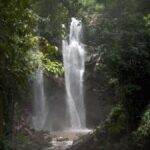
- Hidden waterfall stops: you’re not just walking between roads
- Karen hill tribe homestay: a real family dinner and breakfast, not a generic guesthouse stay
- Forest trekking with practical guidance: plants, ecosystems, and herbal medicine along the way
- Traditional bamboo rafting: a gentle finale on the river through jungle scenery
- Hotel pick-up and drop-off: reduces hassle so you focus on the day
Temples first: why the day starts with Doi Suthep and Wat Pha Lat

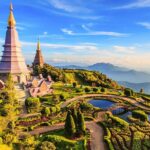
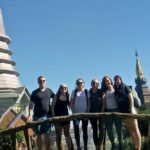
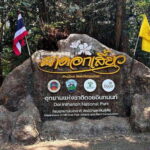
This tour sets the tone by warming up with spirituality before you get into the physical part. You’ll drive up the mountain to Doi Suthep Temple, a Chiang Mai landmark known for sweeping views from the hillside. Even if temples aren’t usually your top priority, this stop works because it anchors the rest of the trip in the region’s identity. Northern Thailand isn’t only about nature and trekking. It’s also temples, belief, and art in Lanna style.
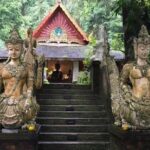
Then you shift to a different mood with Wat Pha Lat, described as peaceful and tucked into a more natural setting. What I like here is the contrast: instead of only doing the famous checklist temple, you get time in a quieter place where you can hear the surroundings and slow your pace a bit. That balance makes the next day’s forest walking feel less like a separate activity and more like the same journey, just in a different setting.
You can also read our reviews of more tours and experiences in Chiang Mai.
Doi Suthep viewpoints and Lanna details (with a practical head’s-up)

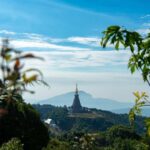
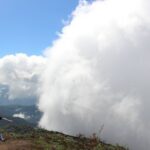
At Doi Suthep Temple, the big draw is the mountain position and the panoramic feeling. Expect a strong “you are high up” sense when you’re there. That makes sunscreen and a hat matter more than you might think, because mountain sun can still be intense.
I also recommend treating this stop as a chance to reset your legs before the trekking starts. You’ll likely spend time moving around the temple grounds, climbing, and pausing for photos, so it’s a good moment to drink water and get your shoes fully settled.
One caution: if you’re sensitive to stairs or steep ground, go at a slow pace. Doi Suthep is worth it, but you’re still on foot over uneven surfaces.
Wat Pha Lat: the calm stop that makes the day feel different

After Doi Suthep, Wat Pha Lat is where the trip starts to feel personal. This temple is framed as peaceful and less known, with a sacred feel that comes from its setting in nature. I like that it’s not just another quick photo stop. It gives your mind a quieter rhythm before you head into the countryside.
If you want a tip that actually helps: give yourself time to sit for a moment. Even a short pause can help you feel the difference between a major tourist temple and a retreat-like place. It also helps you save energy for what comes next—the forest trek and the route to a jungle waterfall.
The Day 1 forest trek: riverside paths, terraced farmland, and a hidden waterfall

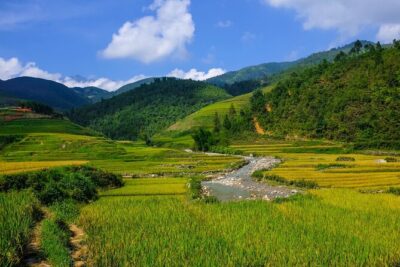
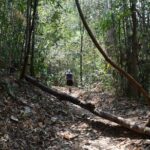
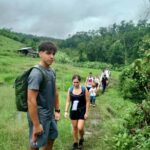
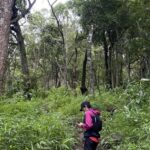
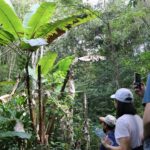
Day 1 is where the walking begins: a guided eco trek through lush forests with a focus on the local environment. You’ll follow a riverside trail and head toward a hidden jungle waterfall. This is a key part of the value of the itinerary. A trek that only follows roads can feel like a nature slideshow. This route includes stops that make the effort feel earned.
What you’ll learn on the way matters too. Your guide shares details about native plants, sustainable farming, and local ecosystems. That doesn’t mean you’ll be trapped in lecture mode. It’s more like you start noticing things: how plants grow, how water shapes the area, and why terraces matter in this hilly region.
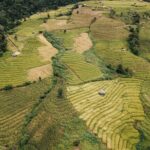
You’ll also see scenic terraced farmland, which is an important northern Thailand look and a good reminder that “nature” here isn’t only untouched wilderness. People shape the land, farm it, and live with it day to day.
A realistic note: mountain trails can get slippery. Wear shoes you trust, not just sneakers that look good in a photo. One of the best practical takeaways from past experiences is simple: you’re on mountain paths, so footwear matters more than almost anything else.
Karen hill tribe homestay: dinner, family time, and basic comfort

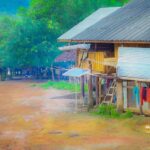
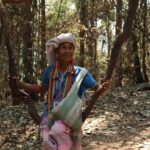
The overnight is one of the strongest parts of this experience. You’ll arrive in a Karen hill tribe village surrounded by mountains, meet the locals, and then share a home-cooked dinner with your host family. The next morning you’ll get a homemade breakfast.
This is the human side of eco travel: it’s not only “see a culture.” It’s experience daily rhythm—mealtime, conversation, and the slower pace of village life. The dinner and breakfast aren’t just included meals; they’re part of why the trek feels like a visit rather than a drive-by.
Now the honest part. Accommodation is described as basic and more like a refuge or stall than a hotel room. If you want comfort, plan for it. I strongly suggest bringing personal items you usually don’t think about, especially:
- soap
- a towel
- toilet paper
- anything you need for your usual comfort
One helpful detail from prior trekkers: a mosquito net was available, but insects are part of the deal, so insect repellent is still smart.
If you’re expecting plush beds and hotel bathrooms, this will feel like a change. If you’re open to simpler lodging in exchange for a genuine stay with a family, it becomes one of the best memories of the whole trip.
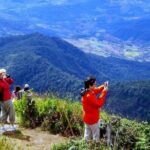
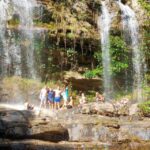
Day 2 forest trek: streams, waterfalls, and the herbal medicine stop
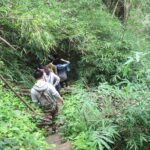
Day 2 continues with trekking, again through forest with winding paths. You’ll cross small streams and visit waterfalls as you go, and you’ll head even more off the beaten track. The pace is still framed as moderate, but the terrain does what terrain does: it asks for steady footing.
This day also adds learning around local herbal medicine and biodiversity. That’s a useful shift from Day 1’s focus on plants and farming you can actually see. Herbal medicine connects the environment to daily health knowledge, which helps you understand why local ecology isn’t abstract. It affects how people live.
For kids or anyone who might tire faster, this trek includes waterfall stops that can act as short breaks. The walk isn’t a constant slog with no reward. You’ll have moments to pause, take photos, and catch your breath.
Bamboo rafting finale: calm water, jungle views, and wildlife chances

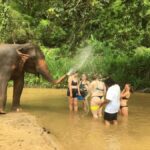
The bamboo rafting experience is your wind-down. After lunch, you’ll float downriver on a traditional bamboo raft through serene jungle scenery. This part is gentle compared to trekking. It also changes your perspective because you’re looking outward from the waterline, not searching for footing.
The ride is timed as a peaceful finale, and you may spot local wildlife along the way. Don’t count on specific animals, but you’ll likely get that “watch and listen” feeling that comes with being still and letting the river move.
I’d treat rafting as a recovery moment. Sit back, enjoy the slower pace, and let your legs unclench before the drive back to Chiang Mai.
Price and value: is $108 fair for a 2-day trek like this?

At $108 per person, the price lands in a reasonable range for a guided 2-day experience that includes a lot of the moving parts. Here’s what you’re paying for, in practical terms:
- Hotel pick-up and drop-off
- a live English-speaking guide
- lunch on both days, plus dinner and breakfast
- temple visits, including Doi Suthep Temple and Wat Pha Lat
- eco trekking and a bamboo rafting experience
- hill tribe village homestay
Where value often gets lost on tours like this is when you end up paying extra for the hard-to-find pieces. Here, the core experiences are included, so you can budget without surprise add-ons beyond personal expenses.
The trade-off is that the overnight is basic. If you’re the type who needs a private, modern bathroom and a firm bed, you may not love that aspect. But if you’re choosing this specifically for the walking, the countryside, and the family stay, the included meals and guided learning do a lot to justify the cost.
What to bring for a mountain trek (so you don’t regret it later)

Packing can make or break comfort on this kind of itinerary. The essentials are straightforward, and the tour guidance is consistent with what mountain trekking requires:
- Comfortable shoes (this is the big one)
- Hat
- Camera
- Sunscreen
- Water
- Comfortable clothes
- Insect repellent
Because the homestay is basic, I also recommend adding personal hygiene items for your routine. Based on firsthand advice from previous guests, bringing soap, a towel, and toilet paper is a smart move.
And quick strategy: dress in layers. Weather can be unpredictable in the mountains. You don’t need expensive outdoor gear, but you do need clothes that handle heat, possible cool mornings, and sudden changes.
Who should book this Chiang Mai Amazing Trek?
This tour fits best if you want a balanced mix of culture + nature. If you care about seeing temples but you also want real countryside time with trekking, the rhythm works well.
It’s especially good for:
- People who like guided nature walks and learning as they go
- Travelers comfortable with moderate trekking and uneven ground
- Anyone who values a homestay experience, including a home-cooked dinner
- Families with kids who can handle a moderate walk, with waterfall pauses along the way
It might be less ideal if you:
- hate basic accommodation styles
- need a lot of comfort amenities at night
- have limited tolerance for stairs and steep, natural ground
Should you book this 2-day Chiang Mai eco trek?
If you want a two-day plan that goes beyond a single temple circuit, I’d say this is a strong choice. The combination of Doi Suthep + Wat Pha Lat, forest trekking with a waterfall, a Karen hill tribe overnight with real meals, and bamboo rafting gives you variety without feeling random.
Book it if you’re ready for moderate mountain hiking and you can handle basic lodging in exchange for the homestay experience. Skip it if your top priority is a hotel-style comfort level and you’d rather do a gentler, less rugged plan.
In short: if you want Chiang Mai countryside in a guided, meaningful format, this is the kind of trip that makes the region feel like it has a pulse.
FAQ
What is included in the Chiang Mai 2-Days Chiang Mai Amazing Trek?
It includes hotel pick-up and drop-off, a live tour guide, lunch on both days, dinner on Day 1, breakfast on Day 2, bamboo rafting, eco trekking, visits to Doi Suthep Temple and Wat Pha Lat, a local market visit, and a hill tribe village homestay.
How physically demanding is the trek?
The trek involves moderate physical activity, with mountain paths and uneven terrain. Good shoes and comfortable clothing are important.
What language is the tour guide?
The tour is offered in English.
What should I bring for this trip?
Bring comfortable shoes, a hat, camera, sunscreen, water, comfortable clothes, and insect repellent.
Where do you stay overnight?
You stay overnight in a Karen hill tribe village homestay. Accommodation is basic.
Is bamboo rafting part of the tour?
Yes. Bamboo rafting is included as part of the experience on Day 2.
Does the tour include meals?
Yes. Lunch is provided on both days. Dinner is included on Day 1, and breakfast is included on Day 2.