REVIEW · KENYA
12 Days wildebeest migration Masai Mara Nakuru Uganda gorilla trekking safari
Book on Viator →Operated by Direct Kenya Safaris Ltd · Bookable on Viator
Wildebeest, flamingos, and gorillas, all on one circuit. The mix of Maasai Mara plains and Uganda’s misty forest is what makes this safari so special, with a true bucket-list gorilla trek in Mgahinga. You’re not just ticking boxes; the route is built to give you time in the right places, not a rushed hit-and-run.
I love the way the safari gives you two full wildlife days in Maasai Mara, with early and late drives when animals are most active. I also like that you get real variety in Kenya, from Lake Nakuru flamingos to Lake Bogoria’s hot-spring scenery and geothermal fumes.
One consideration: this is an active circuit with long road days, and the gorilla trek day can be tough. If you’re not keen on a day of steep, slippery jungle walking, you’ll want to plan for that up front.
In This Review
- Key Highlights You’ll Care About
- Maasai Mara to Mgahinga: Why This Route Feels Like Two Safaris in One
- How the Safari Gets You Around (and Why It Matters)
- Day 1 in Nairobi: Arrival, Briefing, and a Real Night’s Sleep
- Days 2–3: Maasai Mara National Reserve Game Drives and Big Five Odds
- Day 4: Lake Nakuru National Park for Flamingos, Rhinos, and Bird-Watching Time
- Day 5: Lake Bogoria Hot Springs and the Geothermal Picnic Moment
- Days 6 and 10: Jinja and the Nile Source, Plus Optional Adventure Choices
- Day 7: Lake Bunyonyi at Altitude for a Calm Reset
- Day 8: Batwa Cultural Heritage Walk (and Optional Lake Time)
- Day 9: Mgahinga Gorilla National Park Trek for Golden Monkeys and Real Gorilla Time
- The Uganda-to-Kenya Travel Feeling (How Road Days Can Catch You)
- Day 11: Lake Naivasha and the Optional Boat Ride
- Day 12: Back to Nairobi, Lunch En Route, Tour Ends
- What You’re Paying For (and Why It’s Not Just a Price Tag)
- What to Pack and How to Prepare (So the Trek Day Doesn’t Beat You)
- Should You Book This 12-Day Kenya + Uganda Safari?
- FAQ
- Is pickup and drop-off included?
- Does the package include park entrance fees and game drives?
- How many meals are included?
- Is there guaranteed seating comfort during the drive?
- What should I bring for the gorilla trek?
- What is the cancellation timing for a full refund?
Key Highlights You’ll Care About
- Guaranteed window seat plus comfortable minivan setup for long drives
- Two game-drive days in Maasai Mara for Big Five viewing chances
- Lake Nakuru + Lake Bogoria brings birds, rhinos, and geyser-energy in one stretch
- Lake Bunyonyi gives you altitude and downtime before gorilla trekking
- Mgahinga trekking is guided, demanding, and includes about one hour with gorillas after you find them
- Optional activities are clearly add-on costs (boat ride, village visit, balloon ride)
Maasai Mara to Mgahinga: Why This Route Feels Like Two Safaris in One
This trip works because it doesn’t try to do everything at once in every place. You get long enough in Kenya’s parks to settle in and actually spot wildlife, then you shift gears to Uganda for gorillas, golden monkeys, and forest trekking.
On the Kenya side, the focus is classic savannah watching: lions, elephants, and the big herds that move when conditions allow. On the Uganda side, the day becomes about patient walking, quiet observation, and a one-time moment with mountain gorillas in their natural habitat.
The best part for you is pacing. Instead of hopping every few hours, you’ll have mornings and afternoons for game drives, plus rest time before the gorilla day.
How the Safari Gets You Around (and Why It Matters)
You’ll travel in a 4×4 Toyota Hiace minivan. It comes with a first-aid kit, an ice-chest, and a fire extinguisher, which is comforting on long routes. You also get unlimited bottled mineral water during game drives, so you’re not stuck negotiating for drinks while you’re busy scanning the bush.
Two small details, both helpful: you’re guaranteed a window seat, and you’ll have a driver/guide with in-depth knowledge of flora, fauna, landscape, and Kenyan culture. That last part matters more than it sounds. When someone understands what you’re seeing, you’ll waste less time guessing and spend more time actually watching.
This is a private tour/activity, so it’s your group only. That usually means less waiting around for other travelers and easier coordination for timing, especially when you’re heading into park zones.
Day 1 in Nairobi: Arrival, Briefing, and a Real Night’s Sleep
After you land, you’ll be picked up from the airport and taken to a hotel for a tour briefing. You’ll stay overnight at 67 airport Hotel with bed and breakfast.
Why this day matters: it reduces stress. You arrive, get organized, and wake up ready instead of trying to figure out logistics on your own. The briefing also helps you understand how the driving days work and what to expect from the safari rhythm.
Days 2–3: Maasai Mara National Reserve Game Drives and Big Five Odds
You start with an early breakfast, then drive along the Great Rift Valley. The route passes the extinct volcano of Mount Long’onot en route to Masai Mara. Even if you don’t climb anything, you get that sense of Rift Valley scale that makes the area feel bigger than a map.
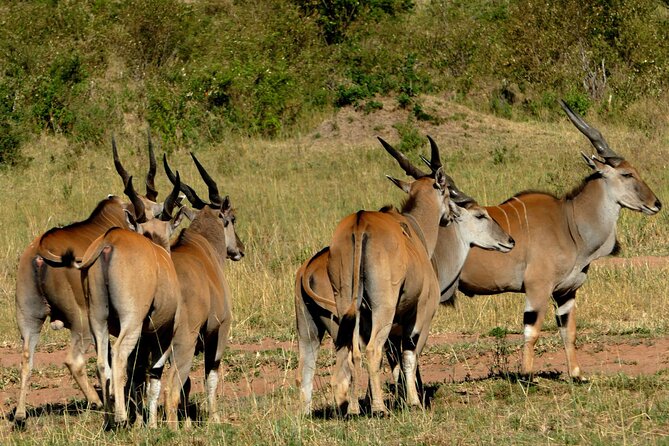
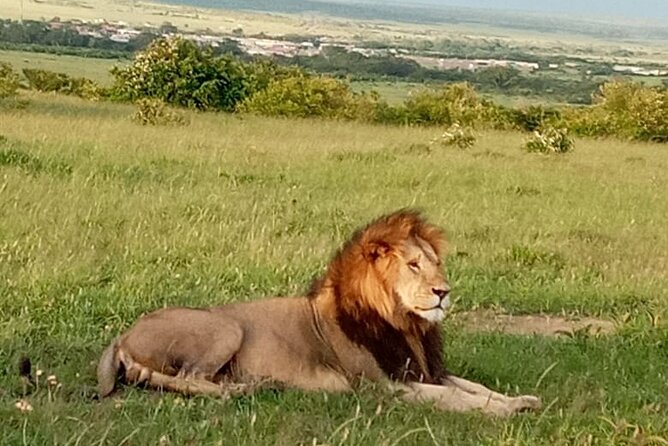
In Maasai Mara, you’ll check in and have lunch at camp, then enjoy an afternoon game viewing session. Expect the kind of sightings that make people fall in love with safari travel: giraffes, elephants, monkeys, leopards, lions, gazelles, plus a lot of bird life.
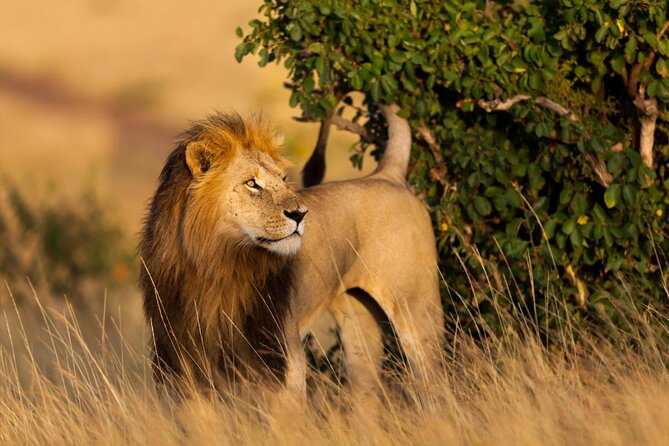
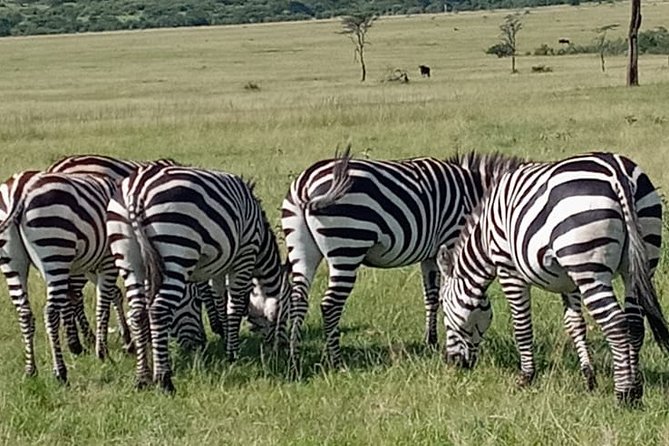
Day 3 is where the safari really pays you back. You’ll spend the full day with morning and afternoon game drives, with a chance at the Big Five: lion, elephant, rhino, buffalo, and leopard. You’re also likely to see wildebeests, zebras, cheetahs, and gazelles.
A practical tip for you: mornings often bring more action and clearer visibility. If you’re the type who wants maximum odds, make sure you’re awake and ready for the early drive, not chatting loudly over breakfast.
Day 4: Lake Nakuru National Park for Flamingos, Rhinos, and Bird-Watching Time
After breakfast, you head to Lake Nakuru National Park, arriving in time for lunch and check-in. The afternoon game drive focuses on the lake area where flamingos and pelicans gather.
This day is a good balance if you’re getting savannah-fatigue after the first Mara day. Lake Nakuru feels more like a “wildlife and views” park: birds, rhinos, and other animals around the water.
You’ll also have a chance to spot white and black rhinos, Rothschild giraffes, waterbucks, and more. Lake forest habitat draws a wide variety of birds, so bring patience if you’re the kind of traveler who gets excited by sound and movement as much as by big mammals.
Day 5: Lake Bogoria Hot Springs and the Geothermal Picnic Moment
You wake up early for breakfast, then drive to Lake Bogoria. This is the geothermal day. Lake Bogoria is known for hot, warm, and cold geysers formed by volcanic activity underground.
You’ll have a picnic lunch with you and accompany yourself with eggs for practical temperature testing at the hot geysers. It’s not a lab experiment, but it’s a fun hands-on way to understand the heat you’re seeing.
The upside for you: it breaks up the “just safari” pattern. The downside: it’s more active, and the area can feel intense around geothermal zones. Comfortable shoes and a willingness to walk a bit will pay off.
Days 6 and 10: Jinja and the Nile Source, Plus Optional Adventure Choices
This safari threads Jinja into the itinerary twice, and that’s a smart choice. You start with a transfer after breakfast to the Malaba border, then drive to the source of the Nile. You’ll spend time at the source, check out craft markets, and get to know local life. Optional activities here can include white-water rafting and kayaking.
Then later, you return to Jinja for more time around the Nile source area. Jinja is regarded as the adventure capital of East Africa, with options like white-water rafting, bungee jumping, and kayaking.
One fact you’ll likely appreciate: the Nile source story is tied to explorer John Hanning Speke, so you’re not just seeing a spot—you’re seeing a place with exploration history.
If you like active travel, this is your zone. If you don’t, don’t worry: you can keep it lighter and just enjoy the Nile area and craft shopping time.
Day 7: Lake Bunyonyi at Altitude for a Calm Reset
After breakfast, you drive to Lake Bunyonyi, Uganda’s highest town around 2000m. Along the way, you’ll pass lush scenery, then camp at Lake Bunyonyi, described as Africa’s deepest crater lake at around 900m.
Bunyonyi means place of the little birds, and you can expect interesting birdlife while you’re staying there. The day ends with a relaxing evening while you prepare for the trek ahead.
This is a valuable break for you because gorillas are not a “walk for an hour and done” situation. By giving you downtime here, the safari sets you up to do the trek with better energy.
Day 8: Batwa Cultural Heritage Walk (and Optional Lake Time)
Today you’ll have breakfast and then an optional guided walk to visit locals in the Batwa community. You can choose to visit with local Batwa people or go canoeing on the lake.
There’s also optional time to visit a children’s orphanage in the local village, or just keep the evening free. Note that village visit and canoeing are add-on options with stated costs (village visit USD 20 pp, boat ride USD 30 pp).
For you, this day is about respecting the slower pace of cultural encounters. If you want something more than photos, ask questions through your guide and keep your expectations grounded: this is about learning, not extracting a performance.
Day 9: Mgahinga Gorilla National Park Trek for Golden Monkeys and Real Gorilla Time
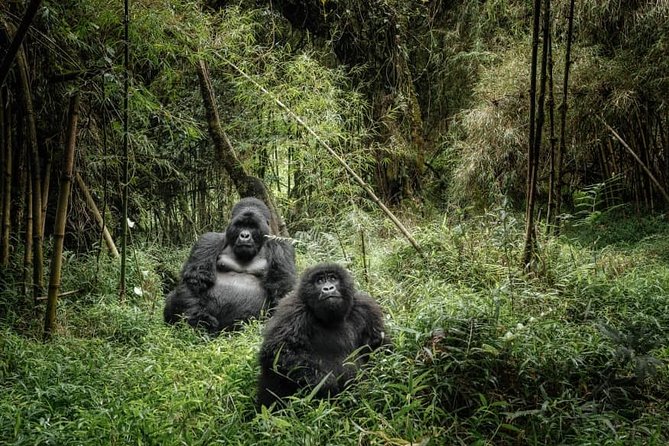
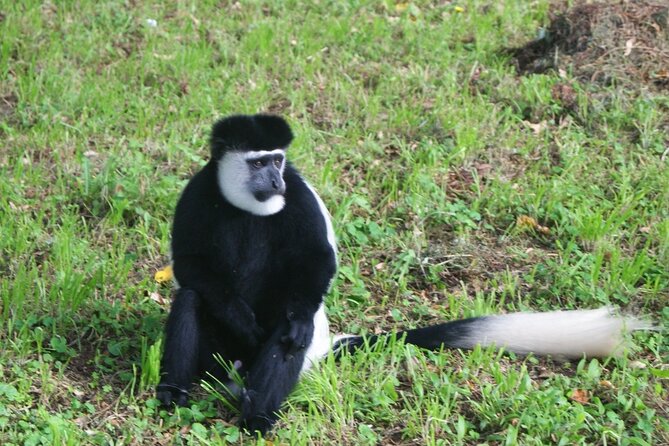
This is the day you plan your shoes for. You’ll drive over the mountains to Mgahinga Gorilla National Park, which is home to more than half of the world’s population of endangered mountain gorillas and also golden monkeys.
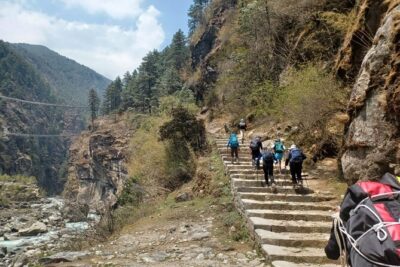
Trekking can be demanding and last the whole day. You’ll be led by experienced local guides through thick mountain jungle. The safari notes that you should bring a water bottle and good walking shoes or boots.
When you finally locate gorillas, you’ll spend about an hour observing them. That one-hour window is strictly governed, so it’s not something you control, and it’s the reason you should keep your attitude flexible when the schedule shifts.
In the feedback you’ve likely seen around this kind of trek, one theme repeats: people feel it’s worth it, but it doesn’t pretend to be easy. You’ll get the best experience when you treat the trek like part of the adventure, not just the obstacle to the gorillas.
The Uganda-to-Kenya Travel Feeling (How Road Days Can Catch You)
One detail to take seriously: the drive time from Nairobi toward the gorilla area can feel very long. Even with a capable driver, you may spend a lot of time on the road.
For your comfort, lean on the included bottled water and the minivan setup. Also, keep your plan simple on long drive days: phone charged, layers ready, and snacks that don’t crumble in your bag.
This is a safari where the schedule gives you big nature moments, and the tradeoff is time spent traveling between them.
Day 11: Lake Naivasha and the Optional Boat Ride
After breakfast, you drive to Lake Naivasha with a lunch stop en route. Once you arrive, you can relax or choose an afternoon boat ride.
Later, you’ll return to your camp to dine and spend the night at Fishermans Camp – Kasuku Cottage. The boat ride is listed as an optional activity with a cost (USD 30 pp).
Naivasha is a good “breather” day after Mgahinga. The walking pressure eases, and you can focus on scenery and wildlife from the water instead of on foot.
Day 12: Back to Nairobi, Lunch En Route, Tour Ends
Breakfast is at 8:00 am. You’ll be picked up by your driver guide at 8:30 am for Nairobi. Lunch will be en route, and your tour ends in Nairobi.
This final day is intentionally straightforward, which helps you avoid the classic last-day scramble. You’ll still get moving, but you won’t be squeezing in extra activities when your energy is running low.
What You’re Paying For (and Why It’s Not Just a Price Tag)
At USD 4,150 per person for 12 days, this safari isn’t meant to be “cheap.” The value comes from stacking three expensive realities into one package:
- Park entrance fees and game drives as noted
- Gorilla entrance park fees included
- Uganda and Kenya transport, with pick-up and drop-off transfers
On top of that, meals are included across the trip (breakfasts 12, lunches 11, dinners 10), and you get unlimited bottled mineral water during game drives.
So for you, the decision becomes simpler: if gorilla trekking is the anchor of your trip, and you also want a serious Kenya wildlife component without extra planning work, this format can be strong value. If gorillas aren’t your main priority, you might end up paying extra for the Uganda leg.
What to Pack and How to Prepare (So the Trek Day Doesn’t Beat You)
You don’t need a mountain-climbing kit, but you do need practical gear. The trek guidance is clear: bring a water bottle and good walking shoes or boots for the gorilla day in Mgahinga.
Also consider packing layers. Mountain regions can cool down, and long drives mean you’ll be in and out of temperature shifts. Bring a light rain layer too, since you’re traveling where weather matters for safe wildlife viewing and trekking.
And if you’re tempted by add-ons, plan ahead. Optional items listed include:
- Balloon ride USD 470 pp
- Village visit USD 20 pp
- Boat ride USD 30 pp
You’ll also see rafting and kayaking mentioned as optional activities around Jinja, but the listed costs for those aren’t specified here.
Should You Book This 12-Day Kenya + Uganda Safari?
Book it if you want one trip that combines savannah wildlife time with mountain gorilla trekking, and you’re okay with long road days. The structure is built for real wildlife watching: multiple parks, full-drive days in Maasai Mara, and a dedicated gorilla trek day with guided leadership.
Rethink it if you’re sensitive to physical effort. The gorilla trek is described as demanding and can last the day. Also, if you’re extremely picky about accommodation quality in camps, read the exact camp/hotel details carefully before you commit, since comfort can vary between safari stops.
If your dream is to see wildebeest country in Kenya and then stand in front of mountain gorillas in Uganda, this route does the job—and it does it with enough time in each place to make the moments stick.
FAQ
Is pickup and drop-off included?
Yes. The safari includes pick up and drop off transfers, including airport pickup on arrival and a return transfer back to Nairobi at the end.
Does the package include park entrance fees and game drives?
Yes. Park entrance fees and game drives are included as noted in the itinerary, and gorilla entrance park fees are included as well.
How many meals are included?
Breakfast is included for all 12 days, lunch is included for 11 days, and dinner is included for 10 days.
Is there guaranteed seating comfort during the drive?
Yes. Every passenger is guaranteed a window seat, and you’ll travel in a Toyota Hiace minivan with onboard safety and comfort items like a first-aid kit and an ice-chest.
What should I bring for the gorilla trek?
You’ll be trekking in thick jungle and the day can be demanding. You’re advised to bring a water bottle and good walking shoes or boots, and experienced local guides will lead you.
What is the cancellation timing for a full refund?
You can cancel up to 6 days in advance for a full refund. If you cancel 2 to 6 days before, it’s a 50% refund, and if you cancel less than 2 days before, no refund is provided.