REVIEW · KATHMANDU
14 Days Everest Base Camp Trek
Book on Viator →Operated by Master Himalaya Treks and Expedition · Bookable on Viator
Your biggest view comes after the hardest climb. This 14-day Everest Base Camp trek links Kathmandu, a short flight to Lukla, and days in the Khumbu Valley where you’ll see the Everest region up close, including giants like Everest, Lhotse, and Cho Oyu. I like that the route also gives you Sherpa culture stops in Namche, Tengboche, and Khumjung, not just trail time. Everest Base Camp is the headline, but the how matters here—especially the acclimatization pacing.
What I really like is the support built into the plan: a government-certified guide and a porter setup (1 porter for 2 trekkers), plus meals throughout the trek and a farewell dinner. You’re also covered for the basics that make a trek feel less chaotic, like airport pickup/drop-off, flight arrangements to and from Lukla, first aid service, and even a restroom on board. Everything feels organized, from the moment you land in Kathmandu.
One consideration: altitude is real, and this itinerary still includes summit-style effort days like the hike to Kala Patthar and the push to Base Camp. If you get hit hard by altitude sickness, you may need to adjust plans, so go in with a flexible mindset and don’t treat every day like a checklist. Altitude is the only “schedule” that can change fast.
In This Review
- Key things you’ll notice on this Everest Base Camp trek
- The Kathmandu start: getting oriented in Thamel
- Flying to Lukla: the quick hop that changes everything
- Day 2 to Day 3: Phakding and the long river-valley rhythm
- Namche Bazaar acclimatization: Everest View Point and culture time
- Tengboche and its monastery day: spirituality with a mountain backdrop
- Dingboche: built-in altitude rest before you go higher
- Lobuche and the push toward Everest Base Camp
- Everest Base Camp by way of Gorak Shep: a long day that’s worth managing
- Kala Patthar and the descent: getting the Everest views before you come down
- Khumjung to Lukla: finishing the trek without losing the meaning
- The value equation: what you’re paying for and what to double-check
- Who this trek fits best (and who should think twice)
- Should you book this Everest Base Camp trek?
- FAQ
- What is the approximate duration of the Everest Base Camp trek?
- Where does the tour start and where do you end?
- Is pickup and drop-off included in Kathmandu?
- What flights are included in the package?
- How many meals are included?
- Do you get a guide and porter support?
- What is not included in the price?
Key things you’ll notice on this Everest Base Camp trek
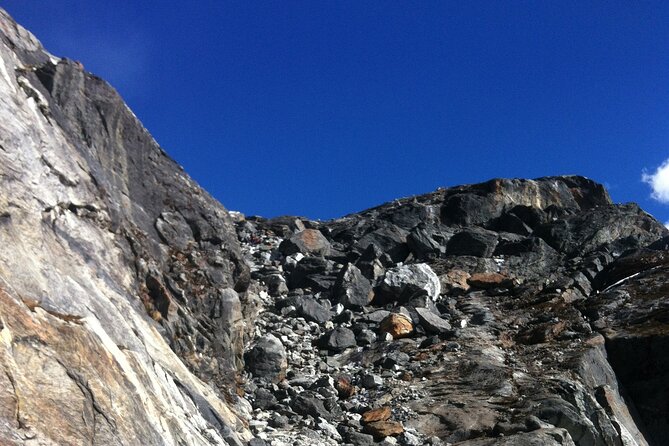
- Certified guide + porter ratio (1 porter for 2 trekkers) keeps the walk manageable and the logistics under control
- Flights from Kathmandu to Lukla and back save a week of road time compared with slower options
- Acclimatization days in Namche and Dingboche help you adjust before the higher stuff
- Monastery time at Tengboche adds spiritual and cultural context to the trekking rhythm
- Kala Patthar is built into the itinerary for big Everest-area views during the descent
- Meals on trek + farewell dinner means you can focus on altitude, not grocery runs
The Kathmandu start: getting oriented in Thamel
Your trek begins in Kathmandu, with the usual reality check: you arrive after traveling, you’re tired, and you still have to get ready for the mountains. This tour handles the airport transfer to your hotel on Day 1, then gives you a full day to rest before the Lukla flight.
You’ll start from Thamel, the practical base area for trekking supplies and pre-trek life. Even if you don’t plan to shop, Thamel is where most people figure out gear questions, SIM cards, and local details fast. That matters, because Everest treks don’t leave much room for missing essentials.
This is also where the tour’s “organized” vibe shows. Pickup/drop-off at the airport is included, and you’ve got a team behind you for the next steps. If you’ve ever been in a place where you needed to find answers at 9 p.m., you’ll appreciate this kind of prep.
You can also read our reviews of more tours and experiences in Kathmandu.



Flying to Lukla: the quick hop that changes everything
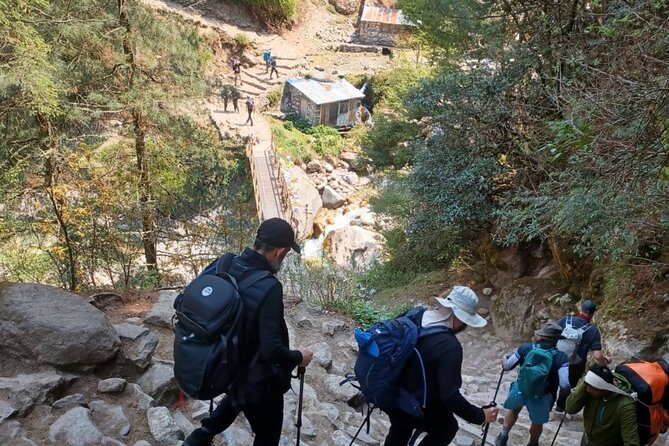
The real trekking story starts with an early flight from Kathmandu to Lukla (about 40 minutes). The itinerary calls out amazing views en route, and in practice, that short flight is how you gain a huge chunk of elevation without spending two days on the road.
Lukla sits at roughly 2,850 meters, and the first trek day is a descent into the Khumbu’s river valleys. Your schedule then takes you from Lukla to Phakding, crossing a few suspension bridges along the way. That’s your “warm-up” in a place that already feels high and remote.
One thing to know: Lukla’s airport is famous for being tricky. The itinerary even labels it as the world’s most dangerous airport in spirit, which is a reminder to stay calm, expect wind and conditions, and keep your plan flexible.
If you’re thinking like a smart trekker, the takeaway is simple: you’re not just traveling—you’re transitioning to an environment where delays can happen, so show up with patience and hydrate early.
Day 2 to Day 3: Phakding and the long river-valley rhythm
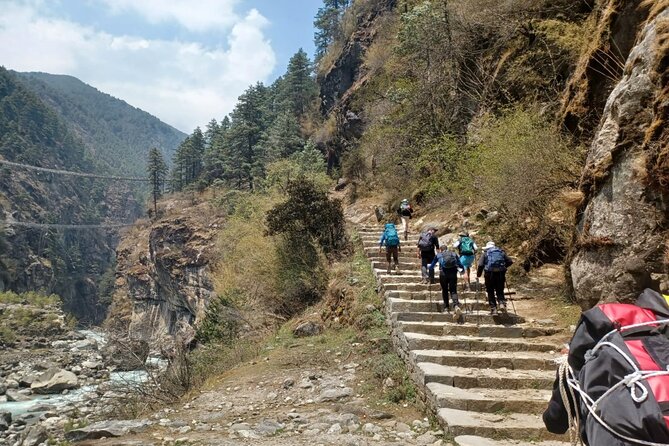
Day 2 focuses on a classic rhythm: start at Lukla, trek down toward Phakding, and cross suspension bridges over and along the trail. This kind of walking is a good mental warm-up. It gets your legs moving, without immediately throwing the steepest climbs at you.
On Day 3, you push deeper into Sherpa territory toward Namche Bazaar. The itinerary highlights Dudh Koshi river walking and more suspension bridges, including the Hillary Suspension Bridge. That bridge is more than a photo stop. It’s a landmark that helps you picture where you are in the Khumbu system.
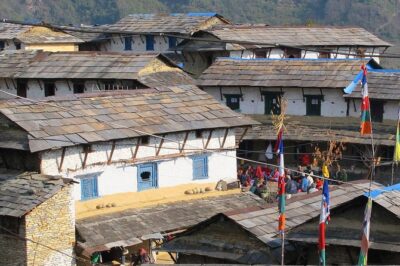
Namche Bazaar itself is described as a beautiful Sherpa town, and that’s exactly why it’s a key stop. It’s where the trail stops feeling like only wilderness and starts feeling like a living village network—tea houses, gear shops, and the daily flow of people doing mountain business.
Namche Bazaar acclimatization: Everest View Point and culture time
Day 4 is built for breathing, not beating your legs up. You spend most of the day exploring Namche Bazaar to acclimatize, with plenty of time to adjust to altitude while you wander.
This day is also your chance to take in a panoramic view from Everest View Point. That viewpoint is one of those places where the mountain feels real rather than theoretical. You’ll also start to connect the local geography: ridges, valleys, and where your route is heading next.
I like this structure because it gives you options. If you feel good, you explore. If you feel slow, you still get something valuable out of the day: altitude adaptation and a better sense of what the Khumbu looks like when you’re not rushing.
For value, this is one of the best tradeoffs on the trek. Acclimatization days cost time, but they often save you from losing time later to illness or forced rest.
Tengboche and its monastery day: spirituality with a mountain backdrop
On Day 5, the trek continues to Tengboche, which is known for its spiritual significance and a major Gompa (monastery) in the Khumbu region. The itinerary notes Lama-led spiritual rituals and even mentions that you can get involved if you’re interested.
Then you get a dedicated stop at Tengboche Gompa to visit and take in the setting. This matters because it shifts your mindset for the days ahead. When the trek becomes tougher, you’re not only climbing—you’re also experiencing the culture that grew up around these mountains.
If you’re practical, you’ll also appreciate Tengboche as a place to slow down. Mountain days can blur together, and a monastery stop gives you a “reset” moment—somewhere to watch how locals live, not just how tourists pass through.




Dingboche: built-in altitude rest before you go higher
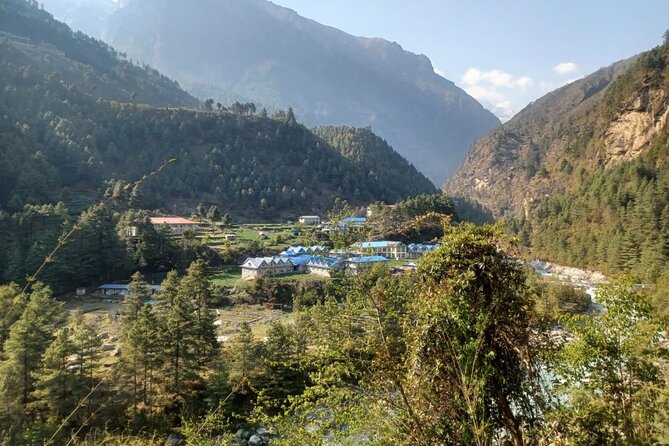
Day 6 takes you to Dingboche, where you’re gradually gaining altitude and the route passes a valley full of stone wall features. The itinerary also references Imja-valley stonework, and at this stage, the scenery shifts from broad valley walking to something more enclosed and high-country.
Day 7 is your acclimatization rest day in Dingboche. You’re meant to adapt to the higher altitude and prepare for the mighty Everest Base Camp stretch. This is the kind of day that can feel boring if you hate downtime, but it’s one of the most important parts of your success.
Here’s the balanced view: the more you respect acclimatization, the more likely you’ll enjoy the harder days instead of paying for them with fatigue. If you’re prone to headaches, nausea, or sleepless nights at altitude, this is your moment to take altitude seriously and not “push through” out of stubbornness.
Lobuche and the push toward Everest Base Camp
Day 8 goes to Lobuche. The itinerary mentions passing Thukla, ascending to Dughla Pass, and then reaching Lobuche surrounded by hills and valleys. It also names peaks you might witness along the way, including Tabuchi and Arakam peaks.
Lobuche is described as a place name tied to peaks like Lobuche east and Lobuche west, which hints at how the terrain becomes more rugged and peak-focused. Even if you don’t track the peaks perfectly, you’ll feel the change in the trail: more exposed walking, thinner air, and a stronger sense that Base Camp is close.
Then Day 9 is the big one: trekking to Everest Base Camp, then trekking back to Gorak Shep. The itinerary flags this as potentially challenging because of high altitude. That’s exactly right. Base Camp day often tests you even if you’ve been feeling fine—because altitude doesn’t care about your confidence.
Everest Base Camp by way of Gorak Shep: a long day that’s worth managing
On Base Camp day, the goal is simple: get there, take the moment in, and don’t treat the return as an afterthought. The itinerary places Base Camp as a centerpiece and keeps the end at Gorak Shep, which sets you up for the next morning’s big viewpoint.
If you’re thinking about comfort and value, the tour’s inclusion of meals and first aid service matters most on days like this. When you’re tired, the last thing you want is to be figuring out what you’ll eat, where you’ll get warm, or whether someone can help if your body starts acting up.
Also, keep in mind that the trek is described as a private tour. That usually means you’re not battling a big crowd for pace control. You can move in a way that matches your altitude reality rather than the fastest person in the group.
Kala Patthar and the descent: getting the Everest views before you come down
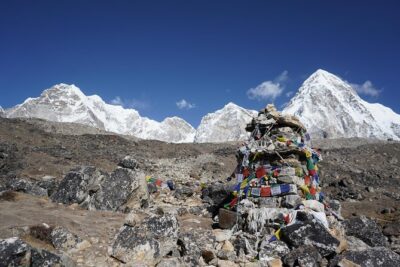
Day 10 starts with a hike from Gorak Shep to Kala Patthar, built for breathtaking views of Mount Everest. Then you trek to Pheriche, and the itinerary notes that the descent makes things easier so you can cover a longer distance in less time.
This is the classic Everest strategy: push hard early, then reward yourself with a better-feeling route later. Kala Patthar is one of those “hard but clear” days where conditions determine how good the views are, so you’ll want to dress and hydrate smart.
Practical tip: don’t confuse “easier after” with “you’re done.” You’re still at high altitude, just moving in a lower zone. Keep pacing conservative and let your body recover.
Day 11 continues the cultural side with Khumjung, plus the Dudhkoshi river and mentions of Everest views and a Ruler market. That blend is why the itinerary feels complete: it doesn’t end at a landmark. It brings you back into Sherpa village life.
Khumjung to Lukla: finishing the trek without losing the meaning
Day 11 leads into Day 12, when you trek back to Lukla. The itinerary notes seeing the world’s most dangerous airport and celebrating the memories of your Everest journey. Even if you don’t love the phrasing, the practical point is clear: this final trekking day helps you land your mind back in the real world.
On Day 13, you fly from Lukla back to Kathmandu. It frames the experience as leaving footprints on the mountain and returning with memories—and then enjoying a farewell dinner. That farewell dinner is included, and it’s a nice finish after days of simple meals and early nights.
One smart way to prepare for the end: take your time during Day 12 walking. The biggest risk near the end is rushing because you want to be “finished.” You still need safe footing, good hydration, and calm pacing until you’re actually back on lower ground.
The value equation: what you’re paying for and what to double-check
This trek costs $1,600 per person for a roughly 14-day program from Kathmandu to Lukla and back, with a private group format. That’s not a low-cost adventure, but it’s also not just “someone points you uphill.”
You’re paying for:
- Flights to/from Lukla (a major piece of the logistics)
- All meals during the trek plus a farewell dinner
- Government-certified guide and a porter arrangement (1 porter for 2 trekkers)
- Airport pickup/drop-off, first aid service, and even a restroom on board
What you should double-check before booking is what you’ll handle on your own:
- International flights and visa fees aren’t included
- Travel insurance isn’t included
- Drinks and beverages, plus personal expenses, are on you
- You’ll need your own trekking equipment like hiking sticks and trekking shoes
If you already have decent boots and a stick or two, you’ll save some money and stress. If not, budget for it early and don’t wait until the last minute.
Also, this is listed as a trek for travelers with moderate physical fitness. The itinerary is demanding, but the structure (especially acclimatization stops) is designed to help you make steady progress.
Who this trek fits best (and who should think twice)
This itinerary fits best if you want a real Everest Base Camp trek but also want support and structure. If you like having a certified guide, you want meals covered, and you’d rather not solve altitude logistics alone, this is a strong fit.
It also suits people who value culture stops—Namche Bazaar, Tengboche Gompa, and Khumjung—so your trip isn’t only about checkpoints. The timing includes acclimatization days, which usually suits most sensible hikers.
Think twice if you know you’re very sensitive to altitude, or if you have a history of altitude sickness. Nothing in the plan eliminates that risk. What you can do is respect pacing and acclimatization, and be ready to adjust if your body says no.
Should you book this Everest Base Camp trek?
I’d book it if you want a well-run Everest Base Camp experience with the key supports already handled: flights, meals, guide/porter help, and a route that prioritizes acclimatization. It’s a practical package for a huge goal, with enough cultural stops to keep the trek feeling human.
I’d also pause if you don’t plan to bring the right gear, skip travel insurance, or you treat acclimatization as optional. Everest is not the place to gamble with your health.
If you want a trek where the big moments are there—Lukla, Namche, Tengboche, Dingboche, Base Camp, Kala Patthar—and the day-to-day details are handled, this one looks like a solid choice.
FAQ
What is the approximate duration of the Everest Base Camp trek?
The tour runs for 14 days (approximately).
Where does the tour start and where do you end?
You start in Thamel, Kathmandu 44600, Nepal, and the activity ends back at the same meeting point.
Is pickup and drop-off included in Kathmandu?
Yes. Pickup and drop-off at the airport are included, and a team member drops you at Tribhuvan International Airport on the final day.
What flights are included in the package?
The tour includes a flight from and to Lukla. It also includes the early morning flight from Kathmandu to Lukla (about 40 minutes) as part of the trek schedule.
How many meals are included?
All meals during the trek are included, including breakfast (13), lunch (11), and dinner (12), plus a farewell dinner.
Do you get a guide and porter support?
Yes. The tour includes a government-certified guide and a porter. The porter arrangement is 1 porter for 2 trekkers.
What is not included in the price?
Not included: international flights and visa fee, drinks and beverages, personal expenses, travel insurance, and trekking equipment like hiking sticks and trekking shoes.