REVIEW · KATHMANDU
Everest Base Camp Trekking
Book on Viator →Operated by Nepal Guide Treks and Expedition P. Ltd. · Bookable on Viator
Most people picture Everest as one mountain. Here it’s a whole journey.
This 14-day trek in Nepal’s Khumbu region pushes up to Everest Base Camp (5,380 m) and then climbs to Kala Patthar (5,545 m) for huge, direct views.
I like how the trip is planned around how your body actually adapts. You get a real acclimatization day in Namche and another “hike high, sleep low” style day trip to Khumjung. I also like that your basics are handled—guide, porters, permits, flights Lukla–Kathmandu, meals, and hotel nights—so you can focus on walking and breathing.
One consideration: you’re staying in tea houses during the trek, so comfort is practical, not hotel-like. Some places may not have attached toilets, and you’ll use public facilities when needed.
In This Review
- Key things I’d highlight before you go
- Kathmandu to Lukla: a smooth start for a famously bumpy flight
- The Lukla gateway day: walking the Dudh Koshi valley at your own pace
- Phakding to Sagarmatha National Park gate to Namche Bazaar
- Namche rest day: why the “hike high, sleep low” rule works
- Namche to Tengboche: the trail opens up and the monasteries get bigger
- Into alpine forests and toward Dingboche: the “mountain life” section
- Lobuche: memorials that change the tone of the climb
- Everest Base Camp day: Gorakshep first, then the quiet arrival
- Kala Patthar on day nine: the best viewpoint angle you’ll remember
- The return descent: Tengboche, Dudh Koshi, and back to Namche
- Last trekking day: Namche to Lukla and the triple-cross river finish
- Lukla to Kathmandu: a reset day and optional Thamel wandering
- Tea houses, meals, and the small comfort trade-offs
- Price and value: what $1,700 buys you (and what it doesn’t)
- Seasons and weather reality: plan around visibility, not hope
- Who this trek fits best
- Should you book this Everest Base Camp trek?
- FAQ
- How high do you trek on this Everest Base Camp itinerary?
- What’s included in the trek price?
- What’s not included?
- What kind of lodging will I have during the trek?
- Are attached toilets guaranteed in the tea houses?
- Do I need mountaineering experience?
Key things I’d highlight before you go
- Everest Base Camp plus Kala Patthar: the itinerary targets both milestones, not just one.
- Acclimatization built in: Namche rest day with a higher hike to Khumjung and return.
- Moderate daily effort: you should be ready for 5–6 hours of walking most days.
- Tea house rhythm: dinners on arrival, breakfast the next morning at the same lodge.
- Group stays small (max 15): easier coordination on the trail and at teahouses.
Kathmandu to Lukla: a smooth start for a famously bumpy flight
Your trek begins with pickup in Kathmandu and a straightforward plan the day you land. You’ll be guided to a hotel in central Kathmandu, helped with check-in, and offered a welcome dinner in the evening. If you want to tighten your plan, there’s also time to visit the Nepal Guide office to ask questions and get trip info.
The Kathmandu part matters more than people think. It’s where you confirm gear, deal with any last-minute paperwork questions, and sort your mindset before flying to Lukla—a place where flights can be weather-sensitive. You’ll also have breakfast included in Kathmandu (bed and breakfast), while trekking days use included meals in tea houses.
Value check: many EBC trips make you figure out too much once you arrive. Here, transfers and flight costs between Kathmandu and Lukla are included, plus the airport pickup and drop. That reduces the “how do I get there” stress on day one and day thirteen.
You can also read our reviews of more tours and experiences in Kathmandu.
The Lukla gateway day: walking the Dudh Koshi valley at your own pace
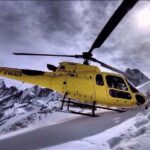
On day two, you fly early from Kathmandu to Lukla, the classic gateway into the Khumbu region. After landing, your trek begins with gradual uphill walking along the left bank of the Dudh Koshi River. You’ll pass mani walls, then reach Ghat, with the day continuing on toward Phakding.
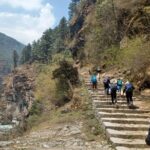
This is a smart first walking day. It’s not just about covering distance. You’re easing into trail conditions—stone steps, packed dirt, river-side airflow, and that constant awareness that you’re gaining altitude. Even when it feels gentle, it’s training your rhythm.
At the practical level, this day sets expectations for what the rest of the trek feels like: lots of short effort, regular stops, and steady movement. You’re aiming for consistent progress rather than a big “push.”
Phakding to Sagarmatha National Park gate to Namche Bazaar
Day three continues the up-and-down rhythm. You’ll leave Phakding, cross a small stream, then start ascending until Bengar. Expect both uphill and downhill sections again—typical Khumbu walking that keeps your legs working in slightly different ways.
Then comes an important milestone: you stop at the entrance of Sagarmatha National Park for registration and pay the entry fee. From there, you climb steadily toward Namche Bazaar, the Sherpa hub.
Namche isn’t just a town. It’s where the trek turns from “mountain hiking” into “high-altitude life.” The streets, lodges, shops, and monasteries all feel built around travelers and locals moving through the same geography. It’s also where you start noticing how quickly cold and altitude can change how you feel, even on an easy day.
Namche rest day: why the “hike high, sleep low” rule works
Day four is your acclimatization day. You’ll rest in Namche, but you won’t just sit there. The plan uses the hike high, sleep low approach. You hike up roughly 300 meters to Khumjung, then return to Namche to sleep lower.
Along the way, you visit local monasteries and schools. That’s more than cultural sightseeing. It’s a reminder of why the Sherpa community and the Everest region feel deeply connected to the mountains—religion, education, daily work, and visitor support all sit side by side.
This is one of the biggest reasons the itinerary feels well thought out. Everest Base Camp isn’t technically hard climbing, but altitude can still knock people down fast. The point of a rest day like this is to reduce your risk by giving your body a chance to adapt before the higher push.
Namche to Tengboche: the trail opens up and the monasteries get bigger
After a full day at Namche, day five moves you toward Tengboche (Tyangboche). The trail includes a pass day feature: you cross Mongla pass at about 3,975 m. From there, the route brings you into the area where views can get dramatic—and you end at the big regional monastery in Tengboche.
Tengboche is a powerful stop because it mixes practical trail details with the emotional tone of the trek. You’re higher, the air feels sharper, and the monastery grounds give you an easy place to slow down, take photos, and watch how the day’s walkers filter in.
Into alpine forests and toward Dingboche: the “mountain life” section
Day six takes you through lush alpine forest and past small villages. You’ll get a glimpse of mountain life that doesn’t feel like a set piece—more like real homes, real work, and real routines.
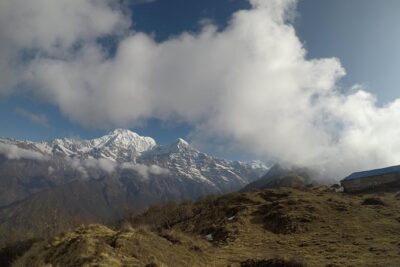
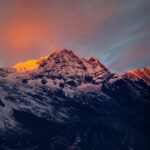
The route goes through Khumbila Khola Valley and ascends toward the ridgeline before heading to Dingboche. On this day you’ll see big peaks in the background, including Nuptse and Cholaste.
This portion is where I think most people start feeling the trek as a full system: your breathing, your pack weight, your legs, the cold, and the changing sky all mix together. If you’re the type who gets anxious about altitude, this is where calm planning helps. Walk slowly, drink water, and treat every short climb like part of a longer conversation.
Lobuche: memorials that change the tone of the climb
Day seven pushes you toward Lobuche via steep terrain near the terminal moraine left by the Khumbu Glacier. The uphill feels tougher than earlier days, but the scenery keeps motivation high.
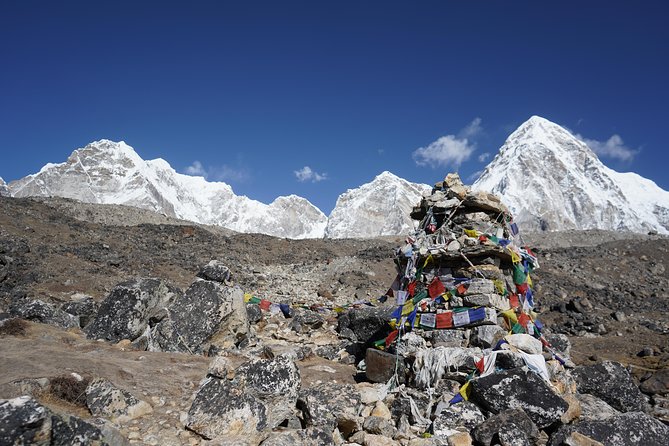
At the top of the hill, you’ll find numerous memorials for climbers who lost their lives on Everest. This stop shifts the emotional temperature. It’s a sober reminder that this route is traveled by people chasing dreams—and that the mountains don’t care about intentions.
Then you continue to Lobuche for the night. This sets you up for the day everyone waits for.
Everest Base Camp day: Gorakshep first, then the quiet arrival
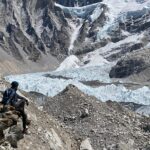
Day eight is the big one. You leave early, trek toward Gorakshep, and pass views of the Khumbu Glacier along the way. As you near Gorakshep, the trail gets more difficult, and you’ll feel that “thin air” effect more clearly.
After spending time at Gorakshep, you continue slowly toward Everest Base Camp. You’ll walk over ground near the glacier area and along sections where Khumbu Icefall becomes visible. Then—eventually—you reach the base camp site, spend a few hours there, and descend back to Gorakshep for overnight.
Two practical notes:
- Go slow on the way up and especially on the last push. Altitude makes speed feel harder than it should.
- Bring patience for the base camp itself. It’s special, but your body may be doing as much work as your mind.
Kala Patthar on day nine: the best viewpoint angle you’ll remember
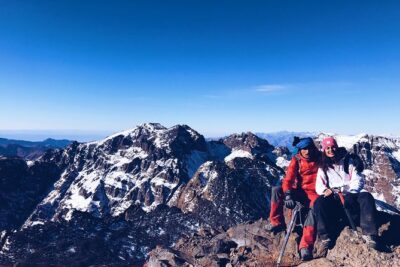
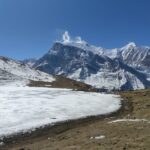
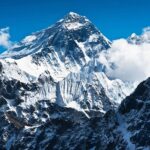
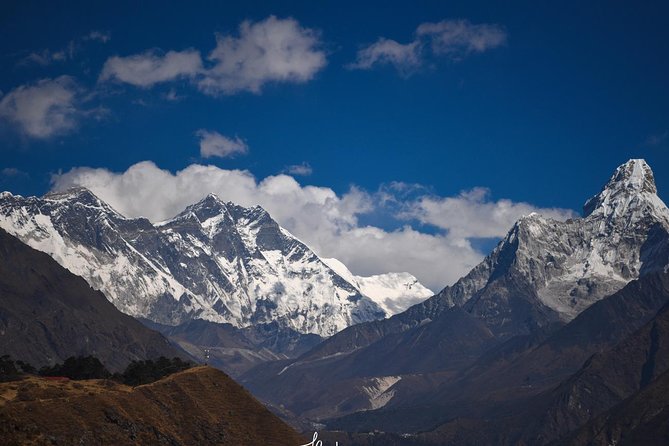
Day nine is your highest-point trek: Kala Patthar. You won’t see Everest directly from base camp because Lhotse sits in front of it. Kala Patthar changes that geometry and is widely considered the best viewpoint in the Khumbu region.
From the top, you get a sweeping panorama of major peaks, including:
- Mount Everest (8,848 m)
- Lhotse (8,516 m)
- Makalu (8,481 m)
- Cho Oyu (8,201 m)
- plus many surrounding snow-capped peaks
This is the day to take your time. Don’t treat it like a “checkmark.” If you’re dealing with knee strain on descents, pay attention—one practical tip shared by the trek community is to prepare your hamstrings before the trip. That helps control stress when you’re coming down for long hours.
The return descent: Tengboche, Dudh Koshi, and back to Namche
Day ten heads down toward Tengboche. It starts with easy downhill to Pangboche Village, then you cross the Imja Khola bridge and climb back up toward Tengboche. That stop-and-go movement is common on return days: the legs burn, but the trail isn’t one long grind.
Day eleven continues the descent to the Dudh Koshi River. You cross a suspension bridge and move toward Phunki Tenga, passing villages including Tashinga and Sansa, then end back in Namche Bazaar for another tea house night.
This part is useful psychologically. By now you’ve done the hard days and you know what to expect. Still, descent can be tough. Even when your heart feels steadier, your knees may feel the altitude and the repeated downhills.
Last trekking day: Namche to Lukla and the triple-cross river finish
Day twelve is your final trek from Namche to Lukla. The route goes through densely forested areas with short ups and downs. You’ll also cross Bhote Koshi River thrice, and then finish with a final uphill climb of about 45 minutes back to Lukla.
That’s a good “closure” day. It keeps you moving toward an endpoint, but it doesn’t require technical effort. Once you reach Lukla, you’re really in the logistics phase: shower if you can, pack carefully, and prep for the flight back.
Lukla to Kathmandu: a reset day and optional Thamel wandering
Day thirteen starts with breakfast and an early scenic flight back from Lukla to Kathmandu. Once you land, you’re transferred to your hotel. In the evening you have a farewell dinner with the trekking team.
You’ll also have downtime to explore Thamel, Kathmandu’s busy tourist district. This is your chance to buy last souvenirs, grab a meal that isn’t tea house-style, and do the little human things your body can’t do on trail—like stretching longer than five minutes.
Then day fourteen ends with drop-off at the international airport based on your flight schedule. You’ll want to be there about three hours early, because Kathmandu airport timing can be unpredictable.
Tea houses, meals, and the small comfort trade-offs
This trek runs on tea houses and lodges along the way. Rooms are assigned as single, double, triple, or twin sharing based on your preference, depending on group size. If you choose twin sharing, you might occasionally share rooms with other trekkers.
Toilets can vary. Attached toilets may not be available in every tea house, so plan to use public toilets when needed. This isn’t a dealbreaker—EBC trekkers are used to it—but you should know it so you can pack smart.
Meal rhythm is included and consistent. You’ll get breakfast, lunch, and dinner during trekking days. Lunch is taken en-route and dinner is eaten after you reach your tea house, then you have breakfast at the same lodge the next morning. The food options may be wide-ranging, and tea houses also tend to serve meals in an orderly way.
Practical advice: treat hot drinks and simple meals as your friend. At altitude, your appetite may change day to day. The goal is steady energy, not gourmet meals.
Price and value: what $1,700 buys you (and what it doesn’t)
At $1,700 per person for about 14 days, this package is priced like a fully organized Everest trek rather than a DIY plan. The big value items that are included:
- guide and required porters
- accommodation during the trek (tea houses) and Kathmandu hotel nights (3-star hotel noted)
- airport pickup/drop and Kathmandu–Lukla–Kathmandu flight costs
- permits and required paperwork/taxes
- meals: breakfast/lunch/dinner during the trek, plus welcome and farewell dinners
- staff food, accommodation, salary, and insurance
- first aid kits
Not included are personal expenses and alcoholic beverages.
So is it worth it? For most people, yes—because the costly, time-sensitive parts are covered. Flying to Lukla and handling permits/paperwork are where DIY plans tend to get messy. Also, tea house nights and the day-to-day meals are included, which adds up over 14 days.
Seasons and weather reality: plan around visibility, not hope
The trek has a recommended season window in both spring and autumn:
- Spring: March, April, May
- Autumn: September, October, November
These periods usually bring clearer weather, which means you’ll likely get better mountain views. If you want fewer crowds, winter—December, January, February—can be a good option, though conditions can be harsher.
Monsoon season—June, July, August—is specifically flagged as hard for trekking due to rain.
One thing I’d take from the wider trek experience here: Lukla flight delays can happen, especially in winter months. A team that can handle itinerary adjustments and still get you to Lukla quickly makes the trip calmer. The practical move for you is to travel with flexibility and understand that weather may change the exact timing even when everything is planned.
Who this trek fits best
This is rated as moderate and adventurous and suited for people who can walk 5–6 hours a day. You don’t need high mountaineering skills for this itinerary, but you do need to respect altitude.
It’s also a great fit if you want:
- a structured acclimatization plan
- a guide-led experience with permits and logistics handled
- a small group size (up to 15 travelers)
If you’re prone to knee pain on descents, train your legs ahead of time. Your knees will work on the way down even when the route feels less “hard” than the ascent.
Should you book this Everest Base Camp trek?
If your goal is the full Everest Base Camp experience—plus Kala Patthar for the major peak views—and you want a package that handles the hard logistics (flights, permits, guides, porters, meals), this is a strong choice.
I’d book it if:
- you like clear daily structure and know who’s guiding you
- you’re comfortable with tea house basics and public toilets when needed
- you can walk 5–6 hours daily and take altitude seriously
I’d think twice if:
- you want luxury lodging every night (tea houses are practical, not fancy)
- you’re unwilling to manage altitude pacing and slow down when needed
If you want Everest on foot, with real acclimatization and a plan that keeps moving from place to place without you juggling logistics, this trek is a sensible way to do it.
FAQ
How high do you trek on this Everest Base Camp itinerary?
You reach Everest Base Camp at 5,380 m and also hike up to Kala Patthar at 5,545 m for panoramic views.
What’s included in the trek price?
The price includes an experienced guide and required porters, trekking permits and taxes/paperwork, airport pickup and drop, Kathmandu–Lukla and Lukla–Kathmandu flight costs, meals (breakfast/lunch/dinner) and accommodations during the trip, plus welcome and farewell dinners and first aid kits.
What’s not included?
Personal expenses and alcoholic beverages aren’t included.
What kind of lodging will I have during the trek?
In Kathmandu, you get a hotel stay (3-star is mentioned), and during trekking you stay in available tea houses/lodges. Rooms can be single, double, triple, or twin sharing depending on your selection and group size.
Are attached toilets guaranteed in the tea houses?
Attached toilets may not be available in every tea house, so you should plan to use public toilets when needed.
Do I need mountaineering experience?
No. The trek is described as not requiring high mountaineering skills, but you do need a moderate fitness level and the ability to walk about 5–6 hours per day.